Sign in
 Newsletters


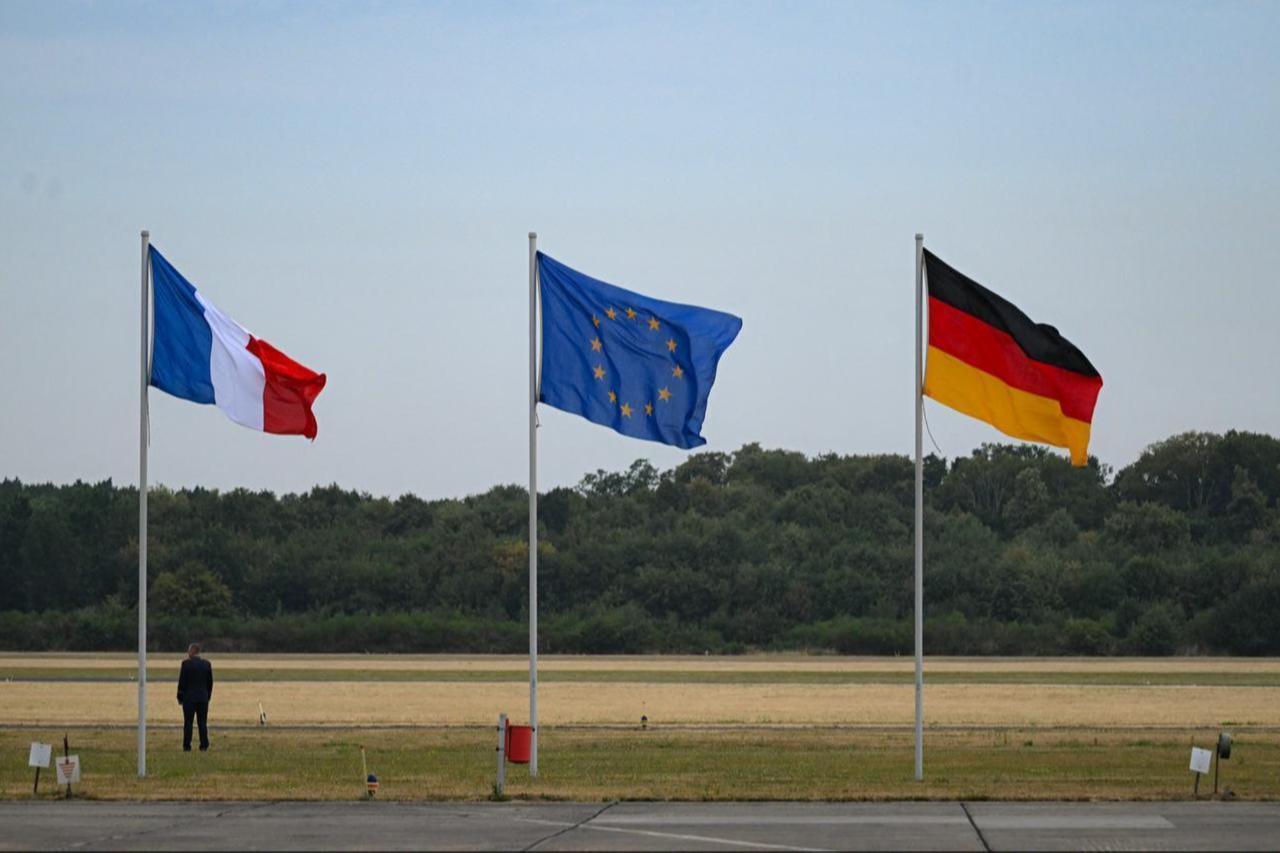


France and Germany are at odds over the European Union's next long-term budget, with Paris demanding that the bloc's defence money be spent on European-made weapons and Berlin leading a coalition that rejects the idea, according to four diplomats involved in the negotiations speaking to Financial Times.
The stand-off has contributed to a cut in the proposed defence and security allocation, even as Russia's war against Ukraine and uncertainty over Washington's commitment to Nato push European governments to invest more in their militaries and to jointly fund capabilities currently supplied by the United States.
German Chancellor Friedrich Merz told reporters on arrival at a Brussels summit of EU leaders dedicated to the budget on Thursday that the current proposals did not offer a basis for agreement. "The volume is still too high," he said. Merz argued that the budget must let the EU remain "politically agile" and "sovereign" while covering priorities such as defence and a thriving internal market.
At the centre of the defence dispute is a French push to reserve tens of billions of euros in proposed EU funding for "Made in Europe" equipment. Paris is the bloc's most vocal advocate of weaning Europe off mainly American-made weapons and strengthening domestic arms manufacturers as part of building what it calls "strategic autonomy." The French defence industry would be among the biggest beneficiaries of an EU defence budget that must be spent mainly on the continent.
Germany, a buyer of US weaponry, argues that defence procurement should remain a national responsibility, with capitals deciding what to buy. The diplomats said countries including the Netherlands back the German position.
The current proposal says defence industrial funding would be open to Ukraine, the United Kingdom, Norway and Canada. Other countries that have a defence and security pact with Brussels "may also participate under specific conditions," it adds.
The wrangling over defence is part of a wider fight over the budget for 2028-34. The bloc's wealthiest members, which pay in more than they receive, want to restrain overall spending. Net recipients are fighting to protect agricultural subsidies and regional development funds.
Defence has absorbed the heaviest cuts in the latest draft, with its proposed allocation falling from 131 billion euros to 92 billion euros. The reduction has alarmed eastern member states that had counted on the money to strengthen their security.
"It is detached from political reality," one EU diplomat said. "Do we want a strong Europe or a cheap Europe? A cheap Europe can be a very expensive mistake in the long run."
Others note that the 92 billion euros now on the table would still be more than three times the defence allocation in the current 2021-27 budget.
 2 min read
EU defence commissioner Andrius Kubilius condemned the reduction, saying it came while Russia's hybrid war against Europe was escalating. "Putin escalates, EU cuts. Wrong signal!" he said ahead of the summit. He warned that the cut would "endanger the most important pan-European programmes," including investments in space and intelligence, drone platforms, and air and maritime defences.
Baltic leaders also cautioned against further reductions as they arrived in Brussels. Latvian Prime Minister Andris Kulbergs pointed to the money directed to southern states during the Covid-19 pandemic and said it was now the eastern flank's turn. "We're the ones defending the EU's border and it's the right time for the Baltics to get support," he said.


 Set as preferred source
 Set as preferred source


 1 min read