

 Newsletters


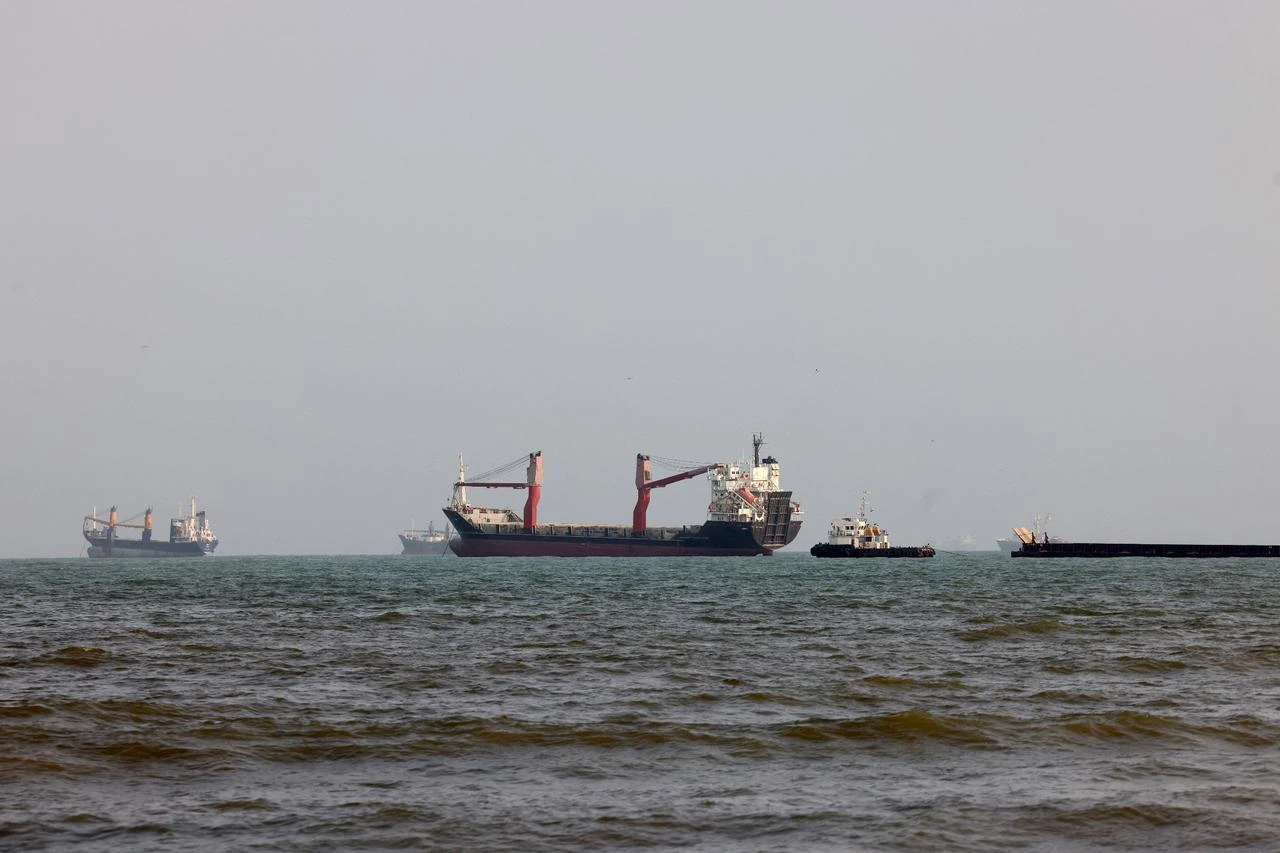


Iran said late Wednesday that the Strait of Hormuz will not reopen until its conditions are accepted, directly rejecting U.S. President Donald Trump's claim earlier in the day that the United States has "total control" over the strategic waterway.
"Claims and repeated posts by U.S. officials that the Strait of Hormuz is no longer blocked do not change the reality: the Strait of Hormuz remains blocked and will not be reopened until Iran's conditions are accepted," Iran's Persian Gulf Strait Authority (PGSA) said in a statement on X.
The agency, which does not refer to Trump by name in its statement, was established to manage transit through the strait and collect a toll soon after the war began.

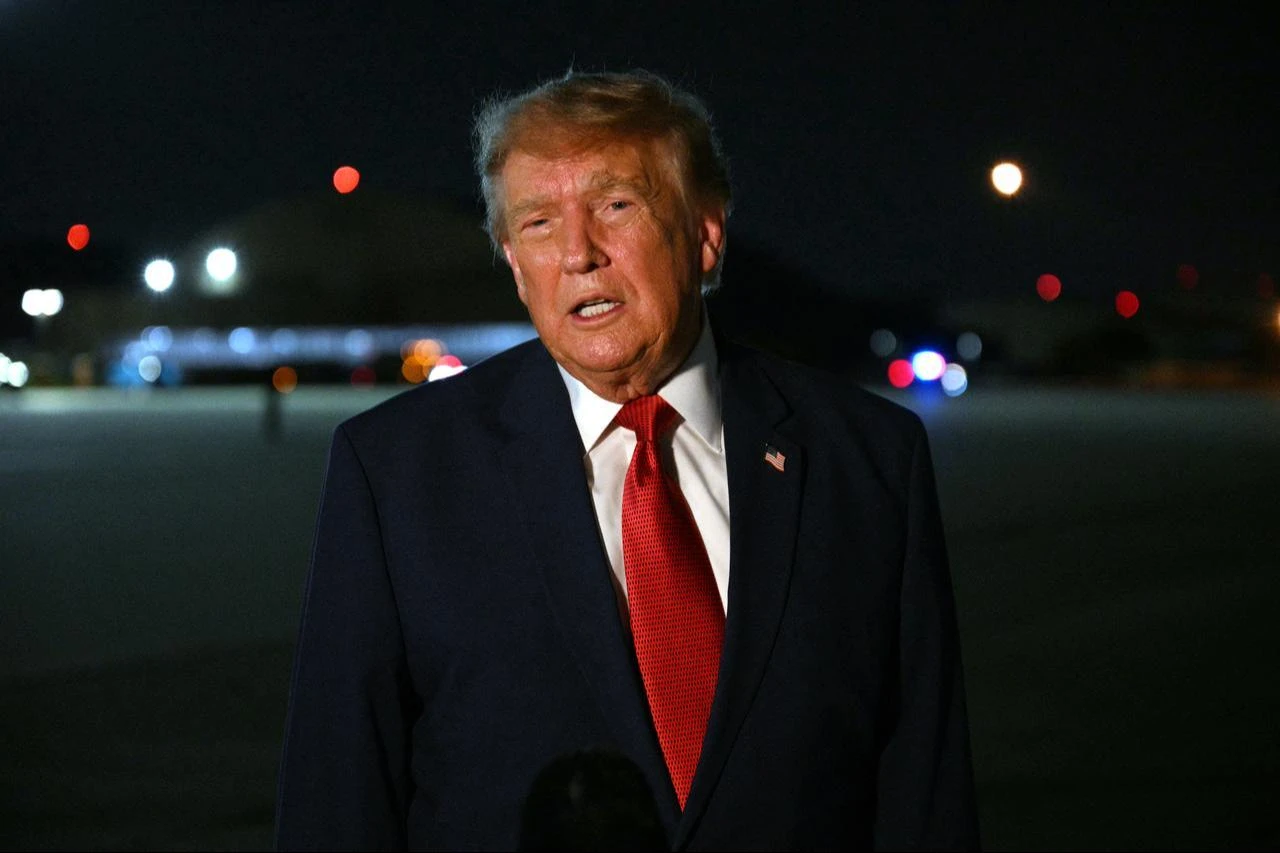
Trump wrote on his Truth Social platform Wednesday: "The U.S.A. has total control over the Strait of Hormuz. I think we will keep it! Our Naval Blockade is being called, by everyone, 'A wall of steel,' and there is nothing Iran can do about it."
As of Wednesday, U.S. forces had redirected 59 commercial vessels, disabled three and boarded two "to ensure full compliance with the blockade," U.S. Central Command (CENTCOM) said.
Trump said Iran's military capabilities have been neutralized, describing the Islamic Revolutionary Guard Corps as "decimated and fleeing."
He characterized Iran's economy as being in a state of collapse.
"All they have is fake news and 300% inflation, and getting worse! Iran is all talk and no action, the bully of the Middle East no longer," Trump said.
Earlier, Trump told reporters: "We have total control over the Hormuz Strait right now. They don't have control. We have total control. We own it."
Former U.S. diplomat Richard Haass said Wednesday that no country controls the Strait of Hormuz, contradicting Trump’s claim that the U.S. is in “total control” of the crucial waterway.
"No one’s in total control of the Strait of Hormuz," Haass told host Willie Geist on MS NOW’s "Morning Joe."
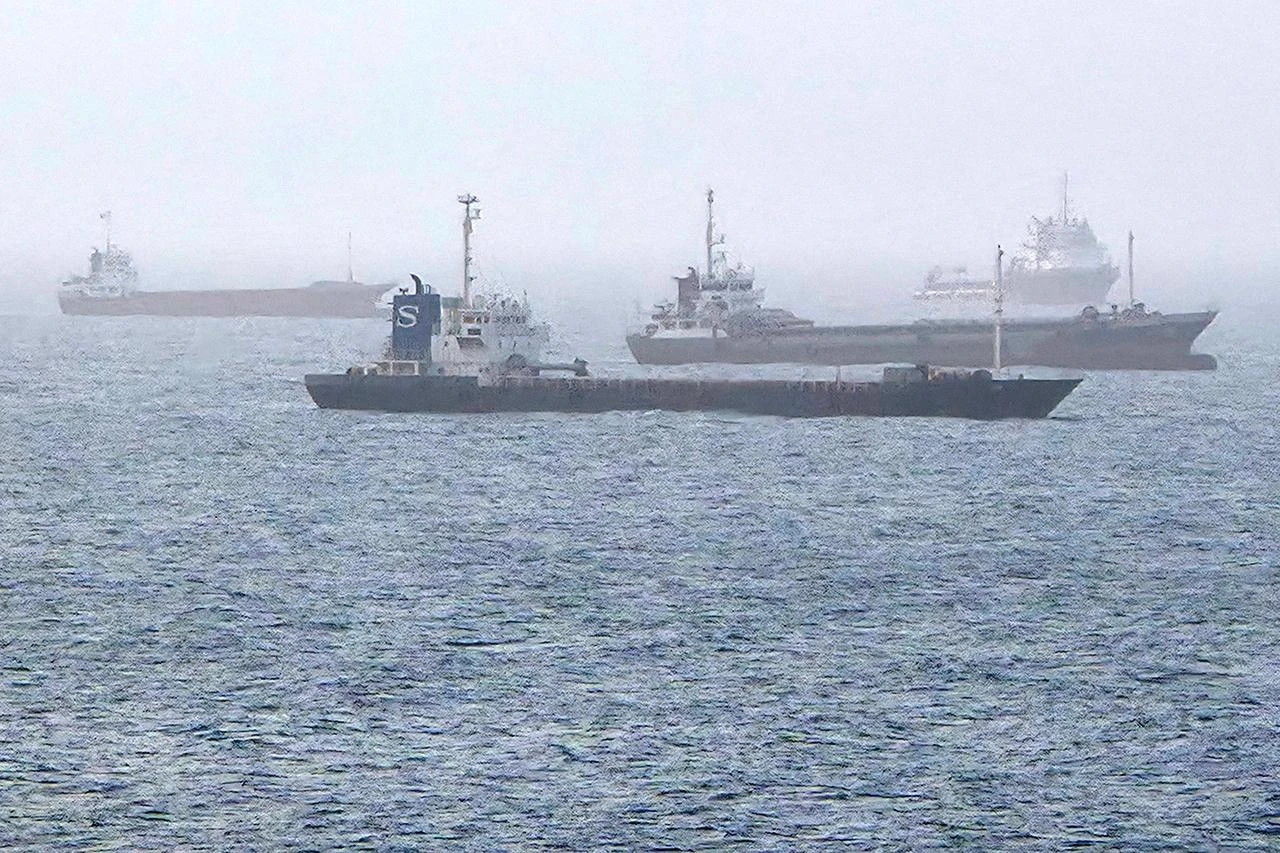
Traffic in the strait has slowed to a crawl in recent weeks. Tuesday's tally of eight vessels fell below a 10-day average of about 12, marking the lowest daily count since Aug. 5, according to data from Kpler.
The Middle East has remained tense since the U.S.-Israeli war on Iran began in late February.
Tehran and Washington have yet to reach a final agreement to end the confrontation, while the closure of the Strait of Hormuz continues to disrupt global energy supply chains.
The U.S. and Iran signed a Memorandum of Understanding (MoU) in June and launched negotiations toward a final agreement, but the talks later stalled over disagreements on security guarantees and freedom of navigation through the strait, one of the world's most strategic routes for global energy supplies and trade.
U.S. and Israeli forces have heavily bombed Iran's military and killed a significant portion of the country's leadership over the nearly six-month war, which was launched with goals including forcing Tehran to abandon its nuclear program and pursuing regime change.
Iran has resisted with missile attacks on U.S. bases in the region, Israel, and targets in U.S.-allied Gulf countries. Its most effective response has been to strike shipping in Hormuz, effectively snarling the trade route and rattling the world economy.
With his political popularity sinking at home ahead of the November midterm congressional elections, Trump has backed off threats to escalate the war in search of a decisive victory, leaving the conflict in a standoff.
Trump has said the U.S. is instead prepared to focus on blockading Iranian ports as part of a strategy he described to Axios as "low-keying."
"We are only semi-negotiating with them. We are just watching Iran with its huge inflation and the fact they have no money," Trump told Axios.
Iran, for its part, says it effectively controls much of the waterway and intends to impose a toll system in response to the U.S. war launched by Trump on Feb. 28.


 Set as preferred source
 Set as preferred source


 1 min read
 1 min read


