Newsletters


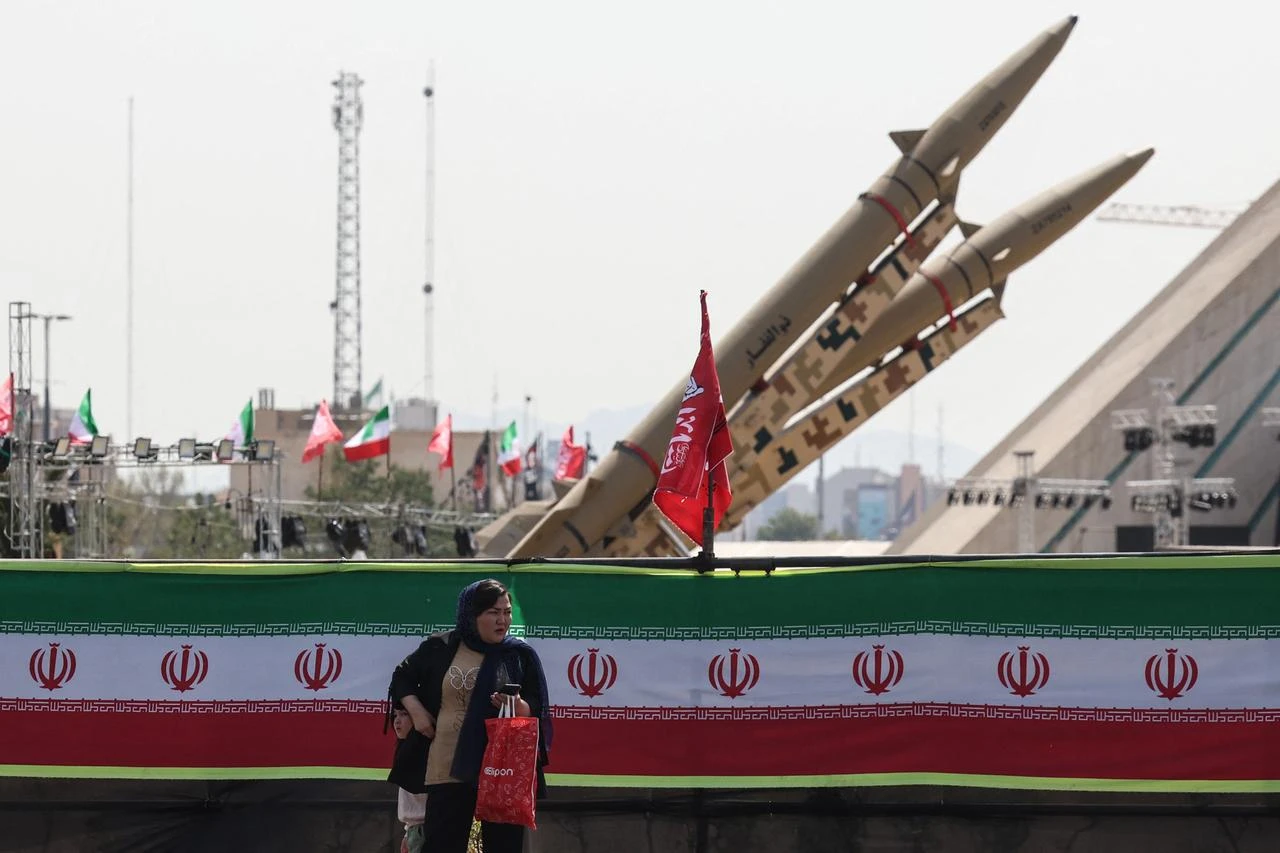


Iran's Foreign Ministry spokesperson Esmaeil Baghaei said Tehran continues to exchange messages with the U.S. but will not make concessions on the Strait of Hormuz or the release of its frozen assets, arguing that defending the country's sovereignty remains its top priority.
In an interview with Austrian public broadcaster ORF, Baghaei confirmed that communication channels with Washington remain open despite the ongoing conflict, while stressing that negotiations are secondary to protecting Iran's territorial integrity and population.
"Yes, they, the Americans, are exchanging messages," Baghaei said. "But for Iran, the priority under current conditions is defending our sovereignty, territorial integrity, and protecting our people against the war crimes the United States is committing."
Baghaei accused the United States of failing to honor commitments under the Islamabad Memorandum of Understanding (MoU), signed in June to end the fighting. Iran fulfilled its obligations under the agreement before Washington resumed military operations, he argued.
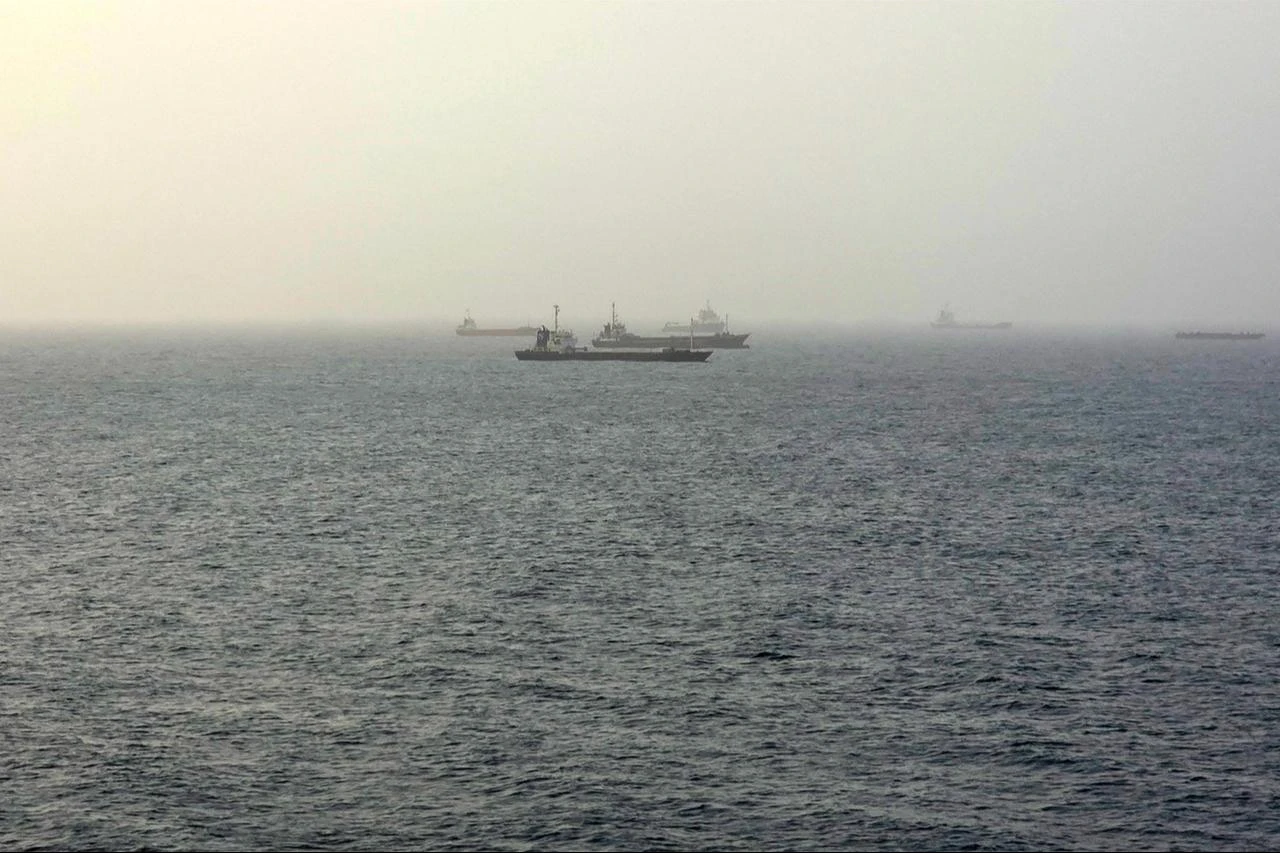
The spokesperson rejected claims that Iran was responsible for disruptions to shipping through the Strait of Hormuz, insisting Tehran had upheld its commitments to restore commercial traffic under the MoU.
He said Article 5 of the agreement envisioned a 30-day period to return shipping to pre-war conditions and claimed the U.S. launched a large-scale attack before that process was completed, citing alleged threats to commercial vessels.
"We have acted in good faith for decades. We have been the guardians of security in the Strait of Hormuz and the Persian Gulf for many years," Baghaei said.
"Iran cannot allow the Strait of Hormuz to become a tool for aggressors to harm our national security again and again," he added.

Baghaei also accused Washington of failing to honor commitments to release Iran's frozen overseas assets, describing them as Iranian funds that had been blocked for years.
"They had committed to releasing Iran's frozen assets. I emphasize again that this money belongs to us; it does not belong to America," he said. He added that discussions on the issue stalled after hostilities resumed.
Before hostilities reignited in early July, Iranian and U.S. technical delegations held indirect talks in Doha through Qatari mediators, with the release of frozen Iranian assets emerging as one of the main implementation issues under the Islamabad MoU.
Tehran sought the immediate release of $6 billion to $12 billion in frozen funds, while Washington favored a phased mechanism tied to Iran's compliance with the agreement.
Despite accusing the United States of repeatedly violating agreements, Baghaei maintained that Iran remains open to diplomacy, provided negotiations are not used to impose demands.
"We have never fled from the negotiating table, because we know we are fighting for our legitimate rights," he said. "But negotiation in the true sense of the word, not negotiation aimed at dictating or imposing demands. We will certainly not accept such negotiation."
He also claimed Iran had come under attack three times over the past year while engaged in negotiations, including after signing the MoU.
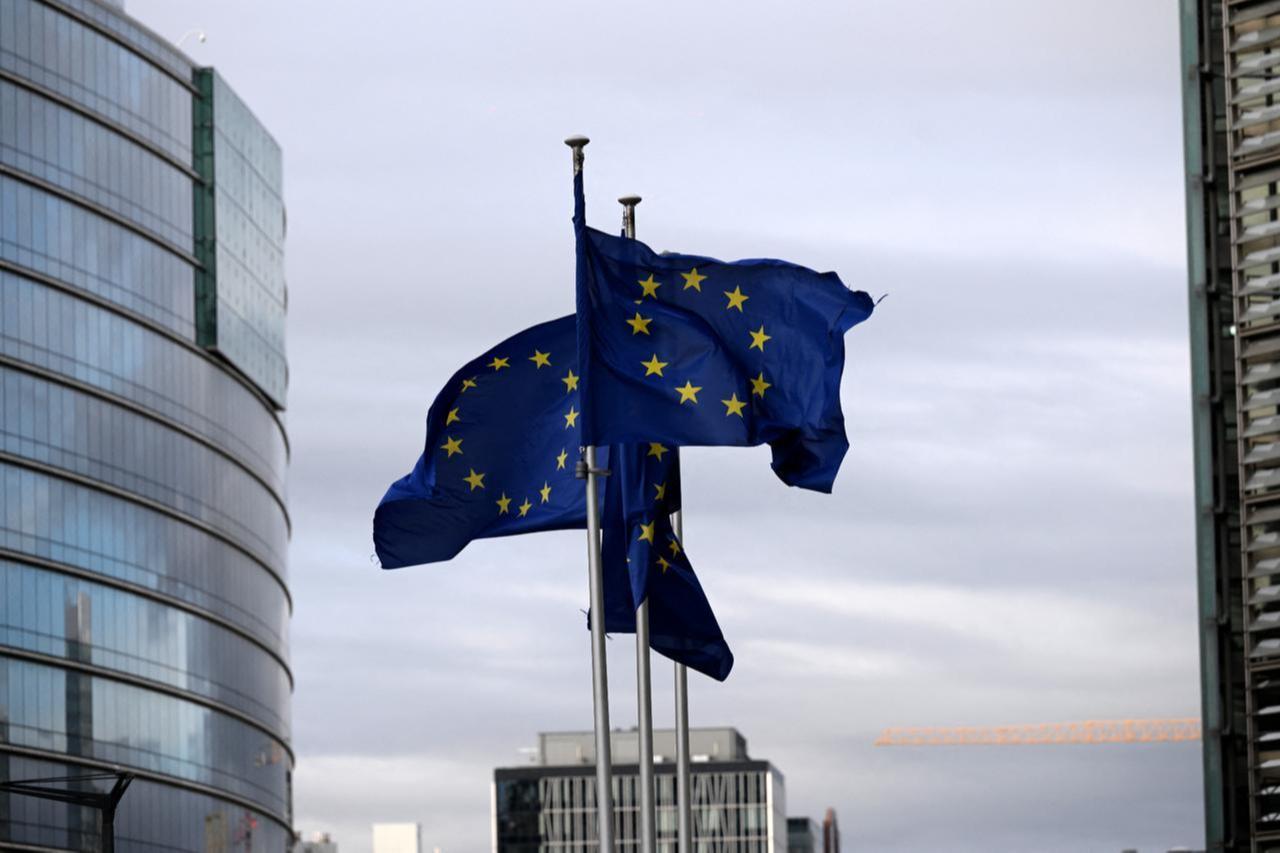
Baghaei also criticized European governments, arguing they failed to fulfill their commitments under the 2015 nuclear agreement and later backed U.S. and Israeli military action against Iran.
"Honestly, I believe Europeans owe a great debt to Iran," he said, accusing European countries of pursuing a policy of appeasement toward Washington.


 Set as preferred source
 Set as preferred source


 2 min read
 1 min read