Newsletters





Iran and Oman will jointly manage the Strait of Hormuz in accordance with international law, Iranian Foreign Minister Abbas Araghchi said Thursday, describing the two neighboring countries as the primary decision-makers over the strategic maritime passage.
Araghchi argued that Iran and Oman, the two countries bordering the strait, have the "natural right" to coordinate its administration and make decisions regarding its management, according to Iran's state broadcaster IRIB.
Araghchi said that Tehran plans to exchange views with Gulf countries on developments related to the waterway. However, he stressed that decisions on how the strait is administered would ultimately rest with Iran and Oman. He added that both countries are working to ensure the safe passage of vessels through the strait while adhering to international law.
In the same interview, Araghchi said communication with Iranian Supreme Leader Mojtaba Khamenei remains active and that instructions from the country’s leadership are delivered and implemented without delay.
The foreign minister also pointed to what he described as broad national consensus around Iran’s leadership, adding that government affairs are moving forward "in a very good direction."
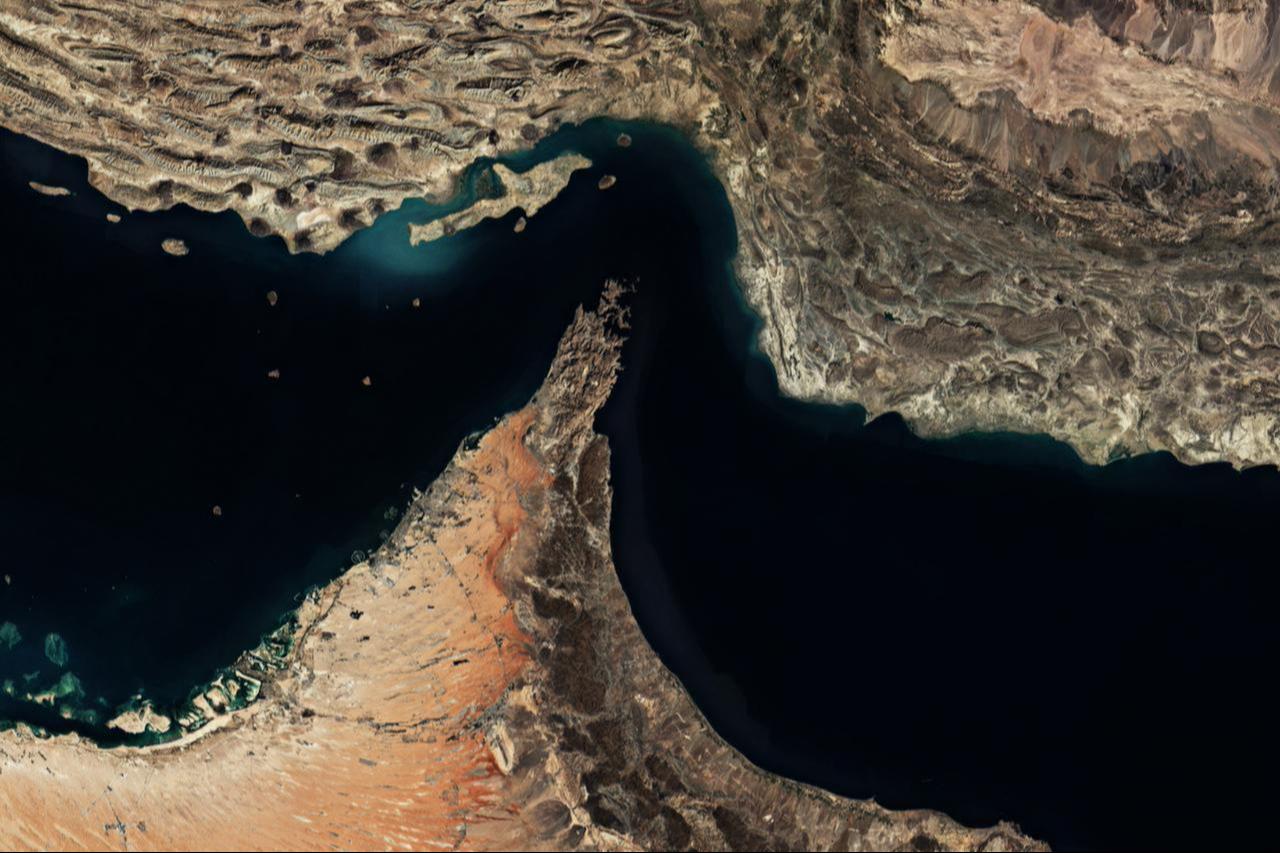

The Strait of Hormuz, between Iran and Oman, is a key global energy chokepoint linking the Persian Gulf to the Gulf of Oman and the Arabian Sea. It typically carries about a fifth of the world's oil and gas supplies, though shipping traffic has remained disrupted since the start of the Iran war.
In recent months, Iranian officials have pushed for closer coordination with Oman over security and navigation in the waterway. In May, Foreign Ministry spokesperson Esmaeil Baghaei revealed that Tehran and Muscat were exploring a joint mechanism focused on maritime security and the smooth movement of vessels through the strait.
The proposal has drawn scrutiny from Washington, which warned in late May that Oman could face sanctions if it helps Iran establish a tolling system in the Strait of Hormuz. U.S. Treasury Secretary Scott Bessent said the United States would "aggressively" target any parties involved in facilitating fees on commercial shipping through the waterway, arguing that such a system would be unacceptable.


 Set as preferred source
 Set as preferred source


 1 min read
 1 min read