Newsletters




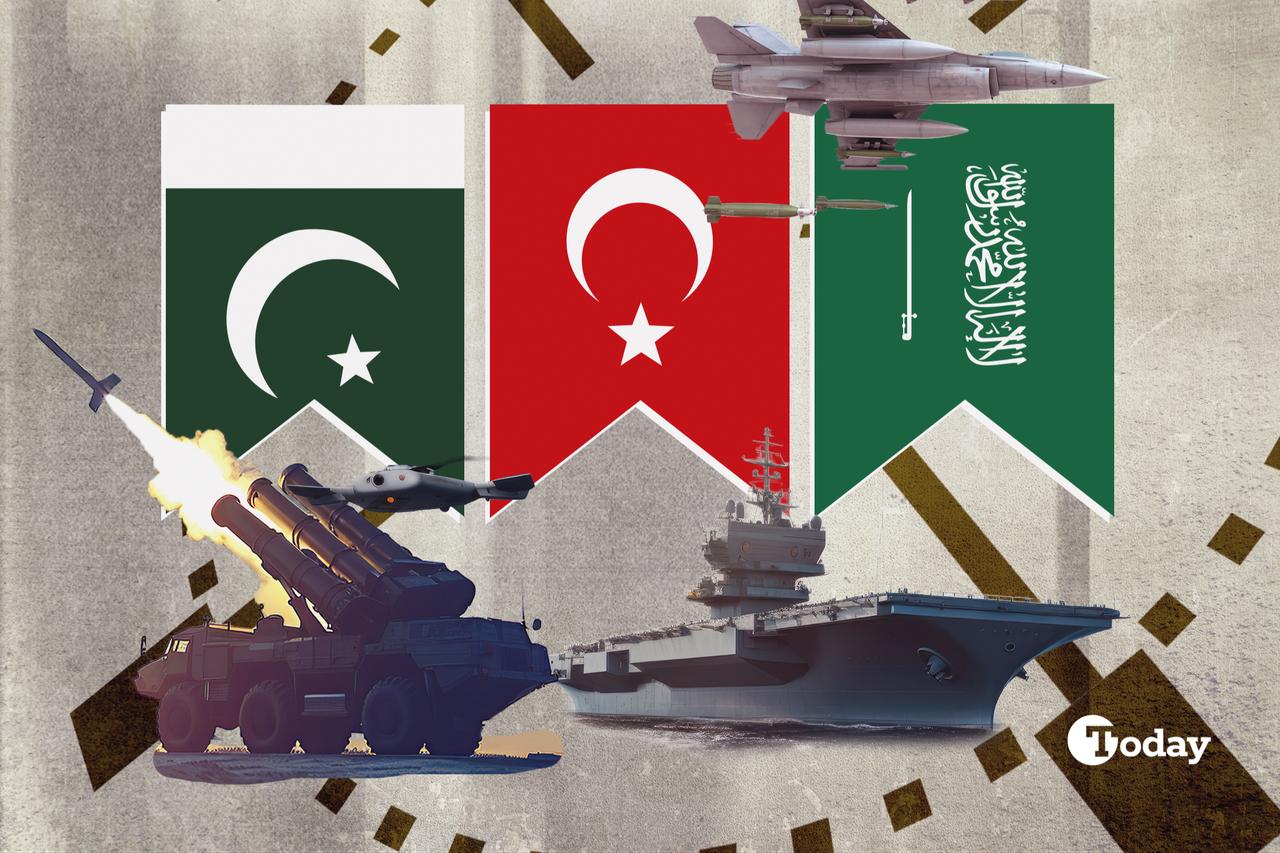
Türkiye, Saudi Arabia and Pakistan signed a joint defense agreement at a trilateral summit in Mecca on Friday, pledging to strengthen collective security, deepen defense cooperation and promote peace and stability in the region and beyond.
According to analysts speaking to Pakistani media, Saudi Arabia brings substantial financial resources and regional diplomatic weight as the largest economy in the Arab world.
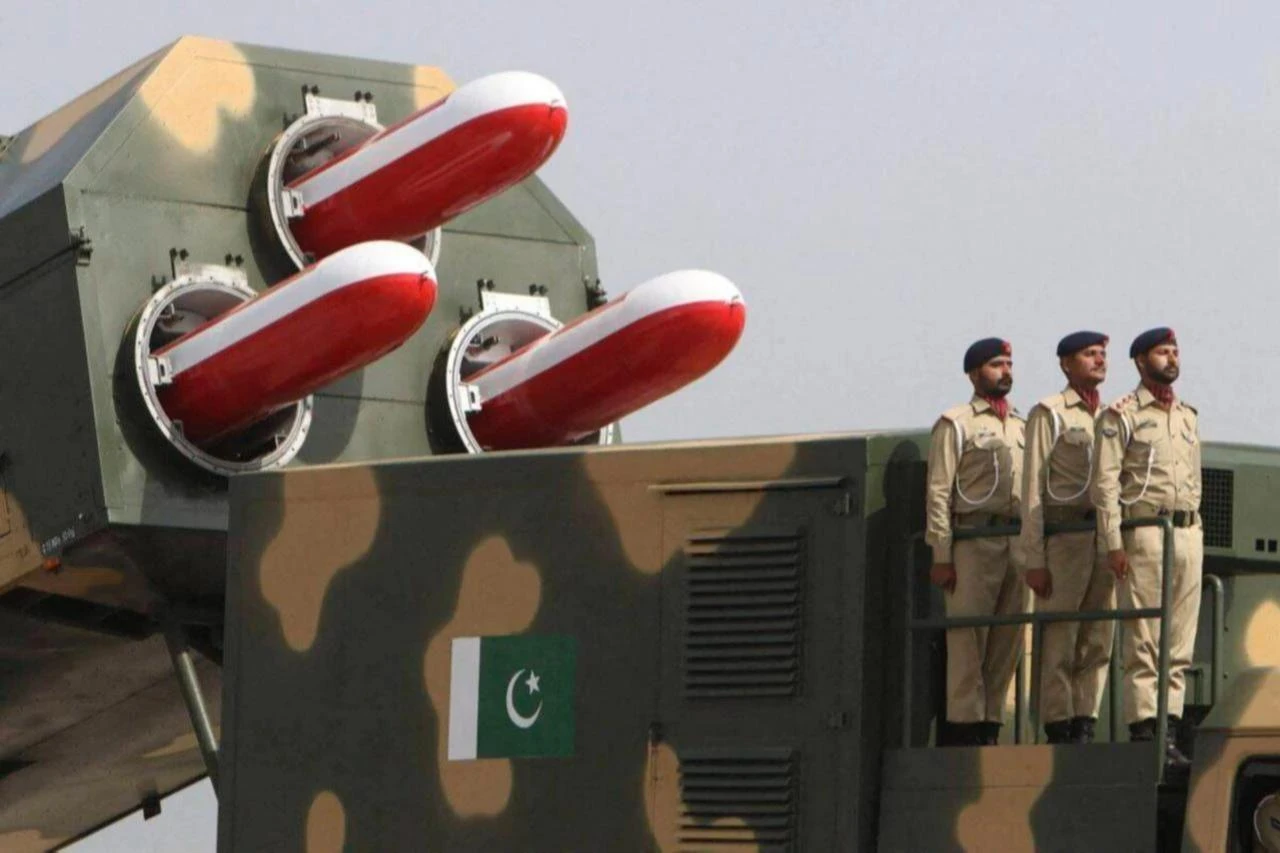
Pakistan contributes strategic depth through its large military, missile capabilities and nuclear deterrent; and Türkiye adds significant conventional military power, NATO-hardened operational experience, and a rapidly expanding defense industry, commented Pakistani analysts.
However, in the official statement after the deal, there were no clauses on whether or not the deal includes nuclear deterrence.
A Turkish official told Reuters the agreement is defensive in nature, is not directed against any specific actor, remains open to other regional countries wishing to join, and does not abrogate or replace any existing bilateral or multilateral arrangements the three countries maintain.
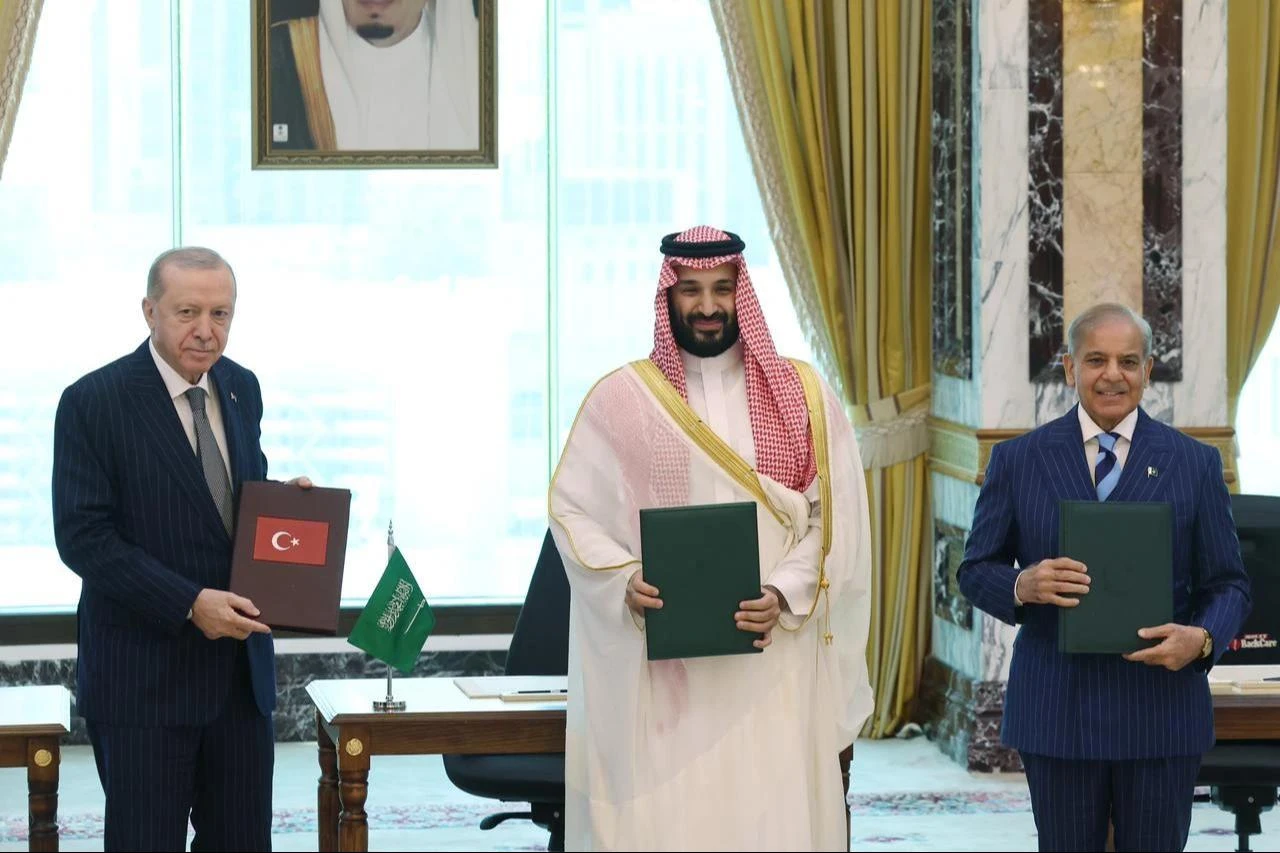

Erdogan arrived in Saudi Arabia Friday for a one-day working visit, landing at King Abdulaziz International Airport in Jeddah, where he was welcomed by Mishaal bin Abdulaziz Al Saud, deputy governor of the Makkah region, Türkiye's Ambassador to Riyadh Emrullah Isler, and Consul General in Jeddah Mustafa Unal.
He then traveled by road to Mecca, where he met bin Salman. The meeting included Foreign Minister Hakan Fidan and National Intelligence Organization (MIT) chief Ibrahim Kalin.
Sources close to the Saudi military and government told Agence France-Presse (AFP) the deal had been under discussion for a long time, with one source saying "the latest developments in the region expedite it."
According to a statement by Türkiye's Communications Directorate, the agreement reflects the three countries' shared commitment to reinforcing their collective security, building on longstanding historical ties, Islamic solidarity, common strategic interests and close defense cooperation.
The agreement aims to strengthen collective deterrence against any act of aggression and stipulates that an armed attack against any one of the three countries shall be regarded as an attack against them all.
It also provides for the enhancement of defense cooperation across all areas among the three countries.


 Set as preferred source
 Set as preferred source


 1 min read

 1 min read