Newsletters




Houthis, war, crisis...
These are the first things that come to mind when Yemen is mentioned. But the country is also famous for coffee: the name "mocha" comes from a port in Yemen. Yemenis produced coffee for centuries. Qat, another stimulant, began replacing it once Asia and the Americas started growing their own coffee.
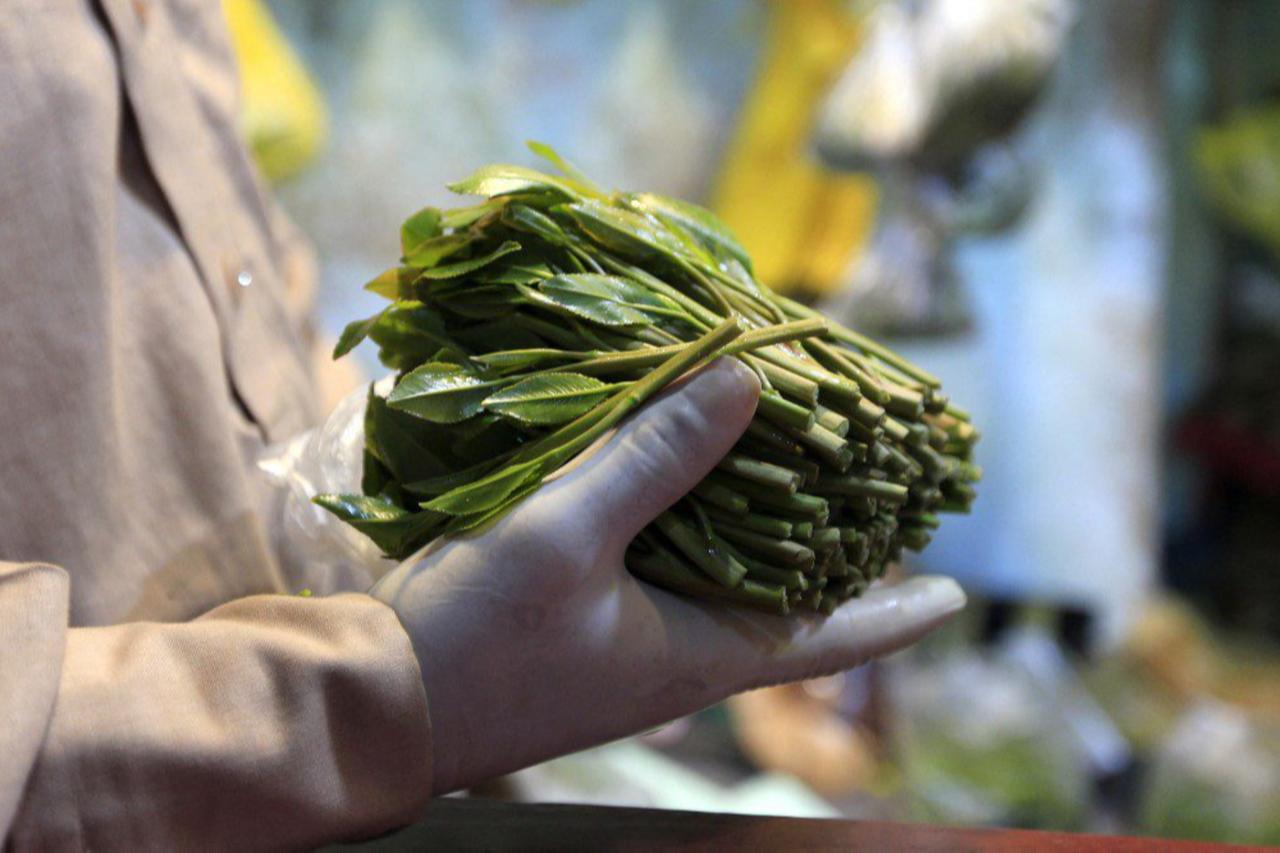
Qat, also known as khat, comes from an evergreen shrub found in East Africa and the Arabian Peninsula, and its leaves are chewed for a stimulant effect.
Two active ingredients it contains, cathine and cathinone, are released gradually when chewed and cause a drug-like effect.
According to the Sana’a Center, qat cultivation had been expanding 5% per year before the war, from 76,100 tons in 1991 to 165,700 tons in 2008.
With the war, cultivation expanded by over 40% in some regions between 2016 and 2021. This growth is closely tied to income and strong local demand, which means qat requires no export infrastructure.
Another reason why farmers choose to plant qat is that it can endure longer dry periods, which is important for locals living in a country with uncertain weather patterns.
One consequence of this crop is water consumption. Agriculture consumes roughly 90% of total water withdrawals in Yemen, according to the Food and Agriculture Organization of the United Nations (FAO).
Qat alone accounts for over 40% of renewable water resources and 30% of groundwater use. In some highland basins, qat consumes 80% of the groundwater extracted.
As a result, the spread of qat cultivation is closely tied to groundwater exhaustion. This has caused aquifers to be depleted to sustain a single non-edible cash crop, considerably worsening water and food insecurity in the long term.


There is also another face of qat: it generates high income for people who have been living through war for years. According to Wired, the country’s annual spending on qat is estimated at $12 billion.
After the war escalated in 2015 and airstrikes began, marketplaces weren’t safe places to go. With the help of the internet, qat sellers started sending photos via online platforms, such as WhatsApp, Facebook, and Instagram.
When COVID-19 lockdowns hit, they were ready to replace their stores with the internet. Now it is a 24/7 online market, just a tap away. Delivery motorcycles bring the product to your door.
That also ended up having another effect on female buyers. With the rise of online markets, they can now order without risking disapproval at qat markets or having to wait for a man to carry out the trade. Purchases now happen privately, out of public view. One wholesaler in Sanaa told Wired that he sells more than $40,000 worth of qat daily.
According to the World Bank, before Yemen’s civil war, 72% of men and 33% of women were chewing qat. The outlet adds that when the war reached its peak, those numbers had jumped to 80% and 50% respectively, and that more than one in five children under 12 were chewing qat during the conflict.
To experience the effects of qat, an individual needs 50 grams, according to The Balance. Generally, the drug starts producing its effects within an hour of chewing the stems and leaves.
Commonly, the effects are talkativeness, an energy boost, increased alertness, and euphoria. Because of these effects, many people use qat to fight tiredness and enhance their social interactions.
Although it varies from person to person, generally the short-term effects of using qat are euphoria, dry mouth, lack of concentration, dizziness, and difficulty sleeping. Meanwhile, long-term use can cause insomnia, malnutrition, anxiety, paranoia, hallucinations, and delusions.
The consumption figures show that people rely on drugs while they are in an inescapable predicament.
As Yemen becomes the scene of more armed conflicts, it is not far-fetched to predict that consumption of qat will increase.


 Set as preferred source
 Set as preferred source


 1 min read



 1 min read