Newsletters


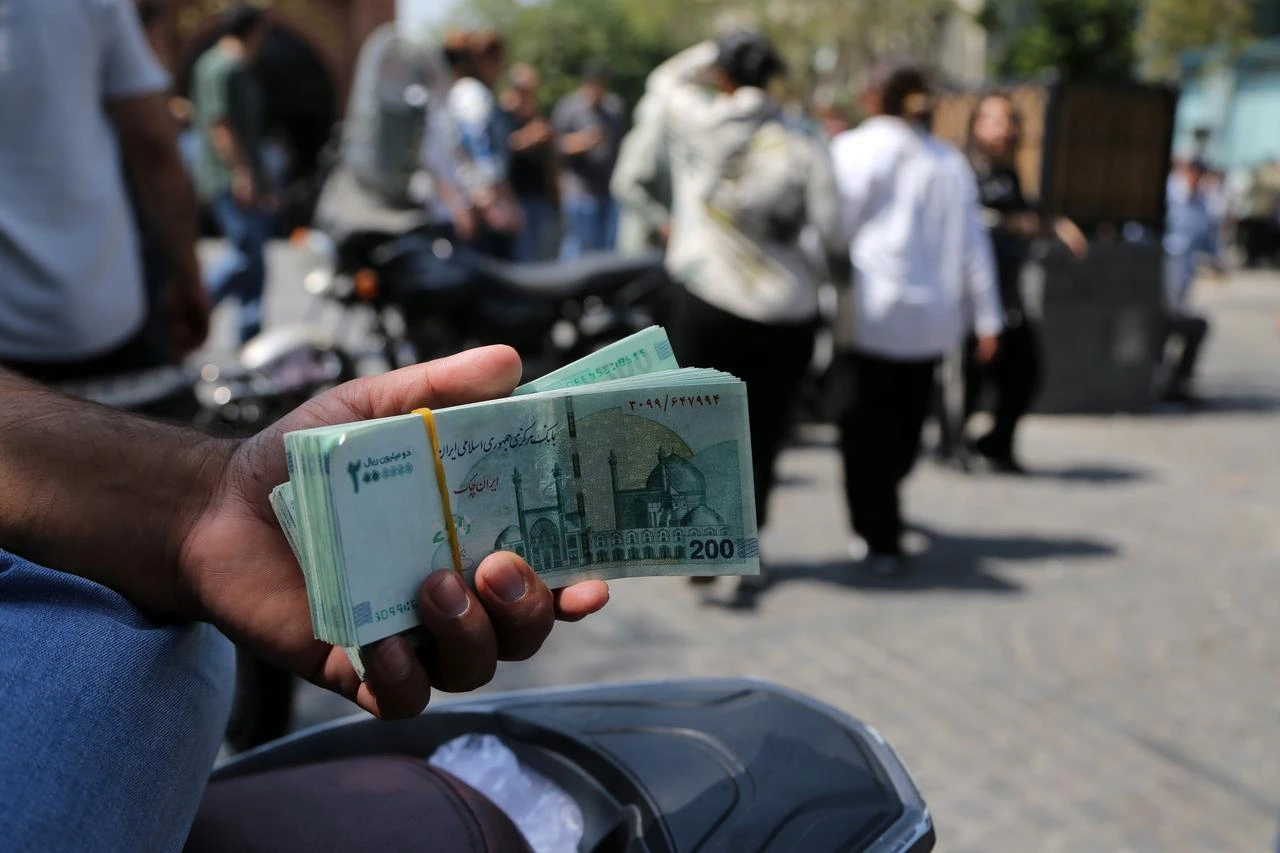


Iran's Foreign Ministry said Monday that renewed U.S. economic sanctions against Tehran will fail just as previous rounds have, as Washington moved forward with what U.S. officials have called the "economic D-Day" campaign against Iran.
Foreign Ministry spokesperson Esmail Baghaei made the comments during the ministry's weekly press briefing, addressing sanctions, security guarantees for countries hosting U.S. military assets, and Iran's conditions for ending its war with the United States and Israel.
Baghaei said Iran will use all its bilateral capabilities to confront U.S. economic sanctions, adding that Washington continues to impose a policy that has already proven ineffective.
"Washington's persistence in failed methods has no result other than proving America's hatred for the Iranian people, because they know very well that the direct consequences of these sanctions are on ordinary citizens," Baghaei said.
He said sanctions and intimidation by other countries to restrict trade relations with Iran violate the foundations of free trade and the principle of respect for national sovereignty.
"This illegal practice is a wake-up call for the international community, as America's excesses and violations of the law in international relations have even provoked protests from its close allies," he said.
Baghaei said that Tehran will use "all available multilateral capacities" to resist U.S. "economic warfare," warning that secondary sanctions and pressure on other countries to restrict trade with Iran imperil Iranian national sovereignty, adding that Washington's "excessive demands and law-breaking" have increasingly drawn objections even from close U.S. allies, without specifying which incidents or countries he meant.
Baghaei also described U.S. economic policy toward Iran as "a clear example of economic terrorism to punish a nation that insists on defending its sovereignty and independence."
"The naval blockade of Iran is considered an act of aggression, and warnings have been issued that any cooperation with the illegal behavior of the U.S. will have grave consequences," he said.
"Iran will never remain idle in the face of such actions," the Iranian official noted.
 2 min read
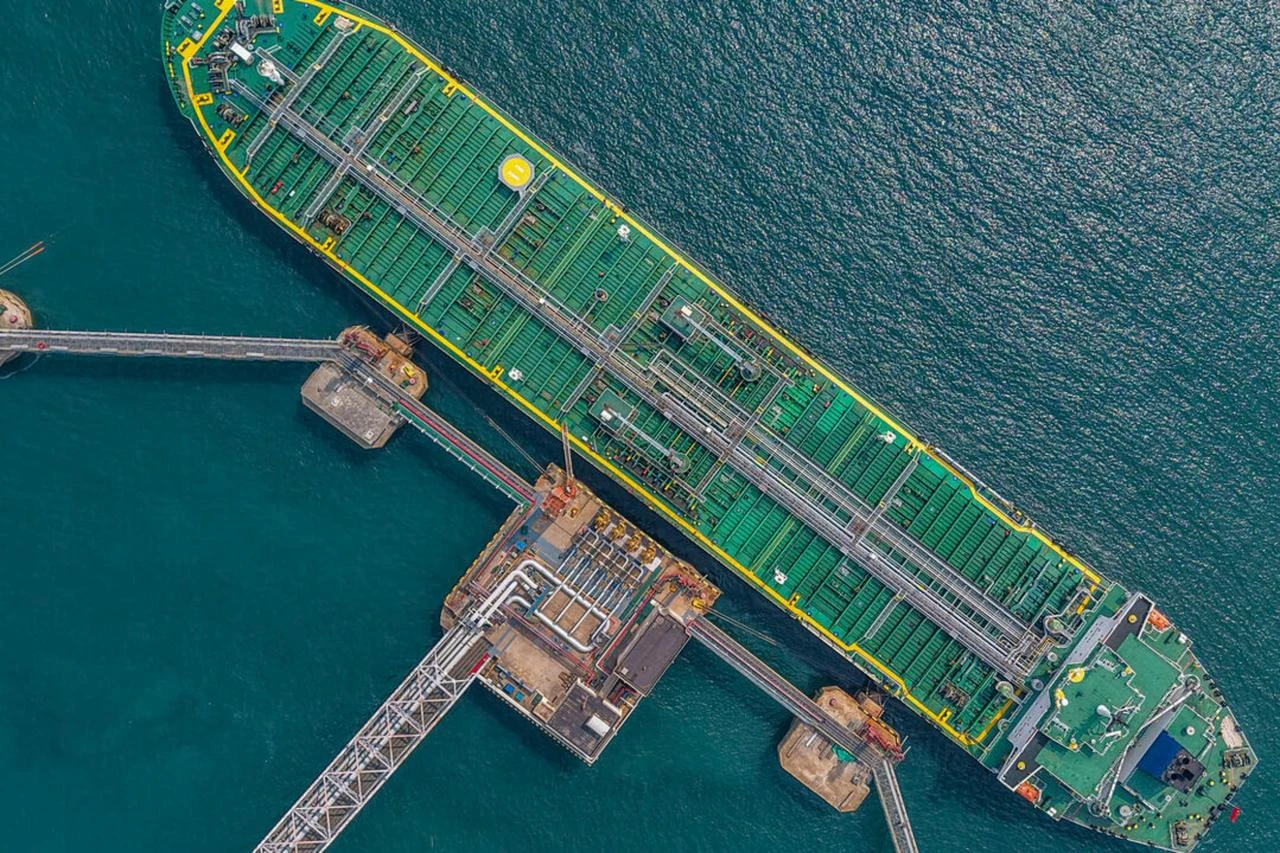
Baghaei said Iran has repeatedly rejected characterizations of the sanctions as merely economic measures.
"Regarding what is referred to as economic war, previously they called it economic sanctions, we repeatedly said it is economic terrorism, it is economic war, with terms they tried to justify. But I think there is no longer any doubt that America, which was supposed to help Iranians, is using every tool to punish Iranians, simply because of their insistence on their sovereignty, national independence, dignity and honor," he said.
"In this regard, the necessary warnings have certainly been given and will be given, because any complicity with America in advancing its aggressive actions against Iran will certainly have its own consequences. The naval blockade of Iran right now is an example of an act of aggression. Escalating this situation will certainly have its own consequences. We are not bound hand and foot in facing such aggressive actions, and under international law, other countries are also not permitted to cooperate with the U.S., because everyone knows these actions violate all international regulations, rules and human rights," Baghaei said
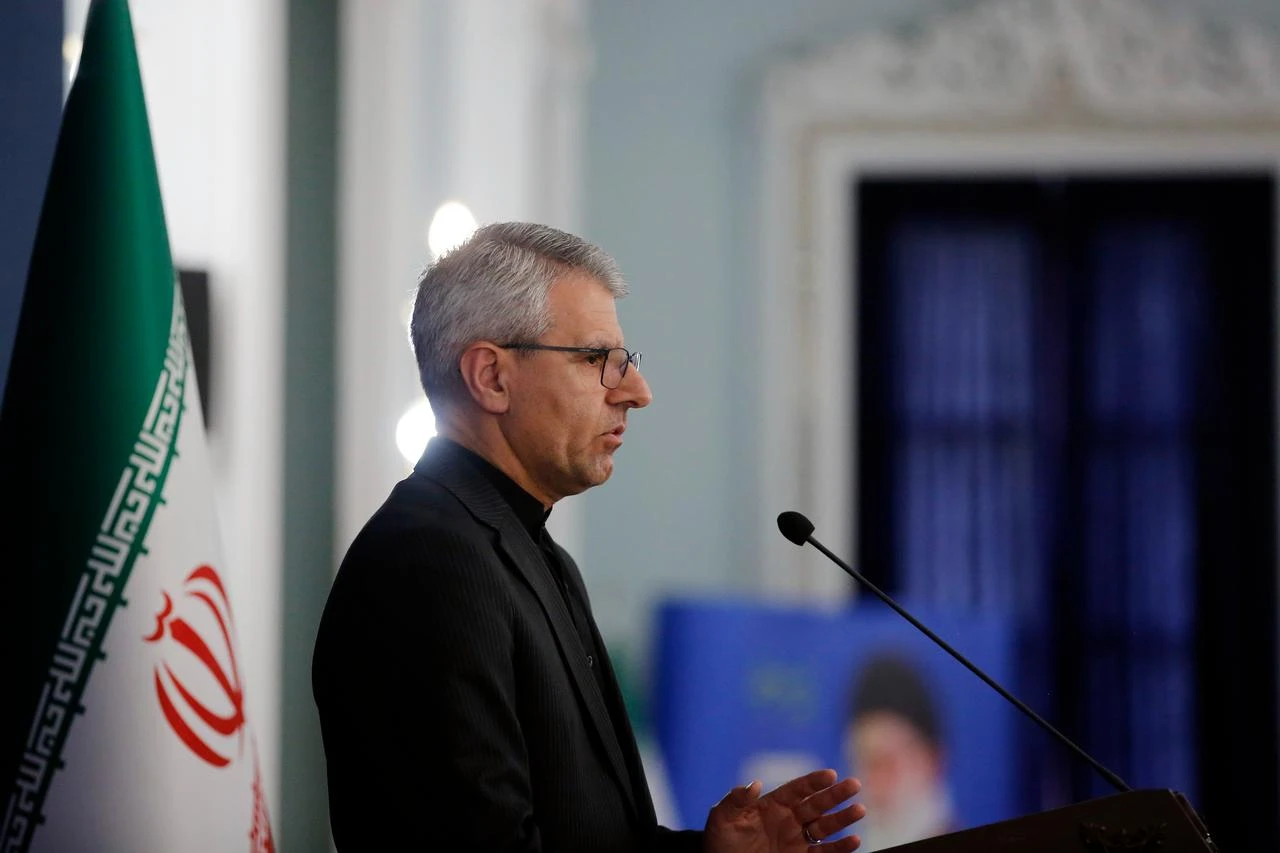

Separately, Deputy Foreign Minister Kazem Gharibabadi dismissed Washington's declaration of the sanctions campaign, saying it contradicted U.S. claims to have dismantled Iran's military and nuclear capabilities.
"Your narrative doesn't add up: you say that Iran's military power has been 'dismantled,' 100% of its military factories 'destroyed' and its nuclear program 'buried,'" Gharibabadi wrote on the social media platform X.
"Yet there is a need for 'the largest financial invasion in history' and the mobilization of 'all institutions and powers' of the United States! Is this a victory or an admission of America's defeat?" he added.
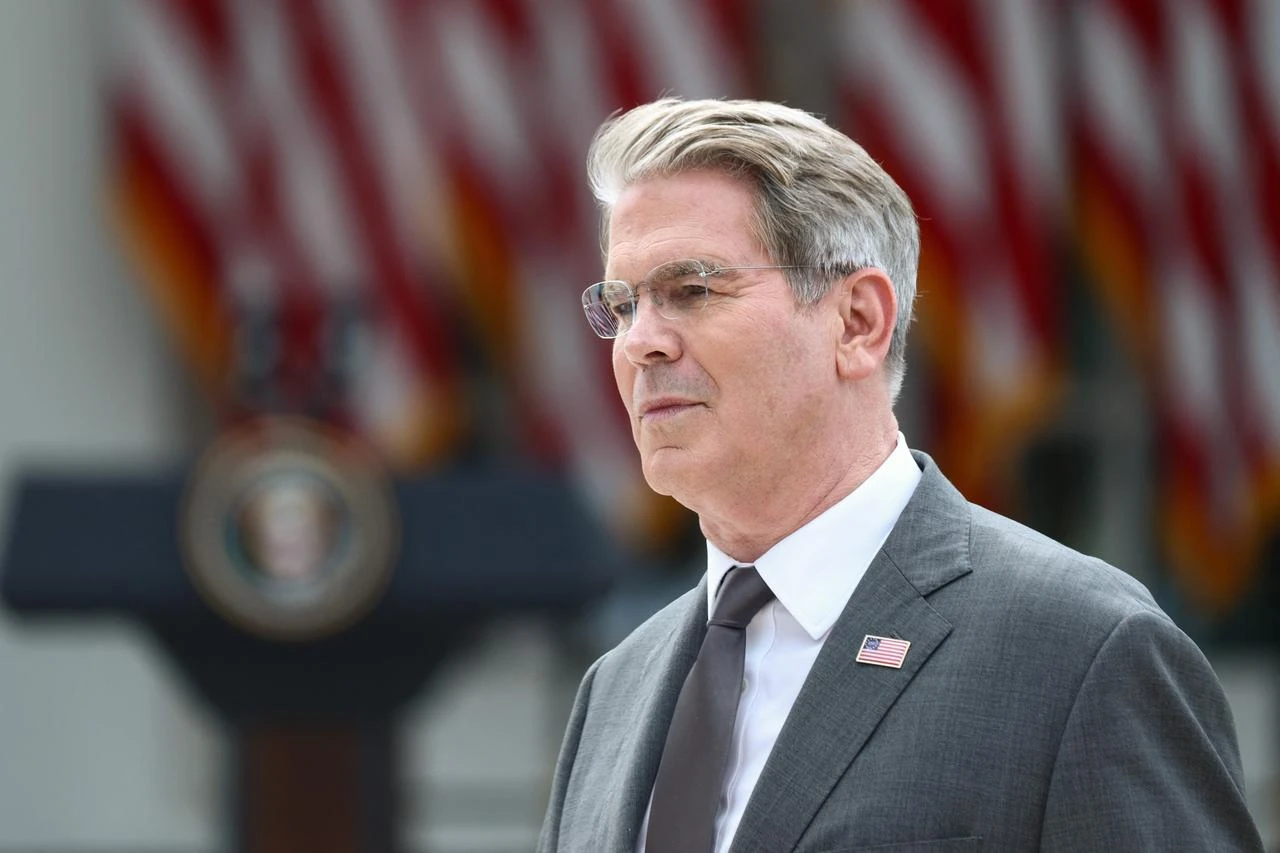
U.S. Treasury Secretary Scott Bessent wrote in the Financial Times (FT) that Washington is launching the "single greatest financial offensive marshaled against an adversary," calling it an "economic D-Day."
Bessent said on X that the measure came after the United States "dismantled Iran's military capabilities, destroyed nearly 100% of its military factories, and buried its nuclear program."
Asked about reports that Iran could target U.S. bases in European countries if the war with Washington resumes, and about the departure of U.S. refueling aircraft from Bulgaria, Baghaei said Iran's position had been stated previously.
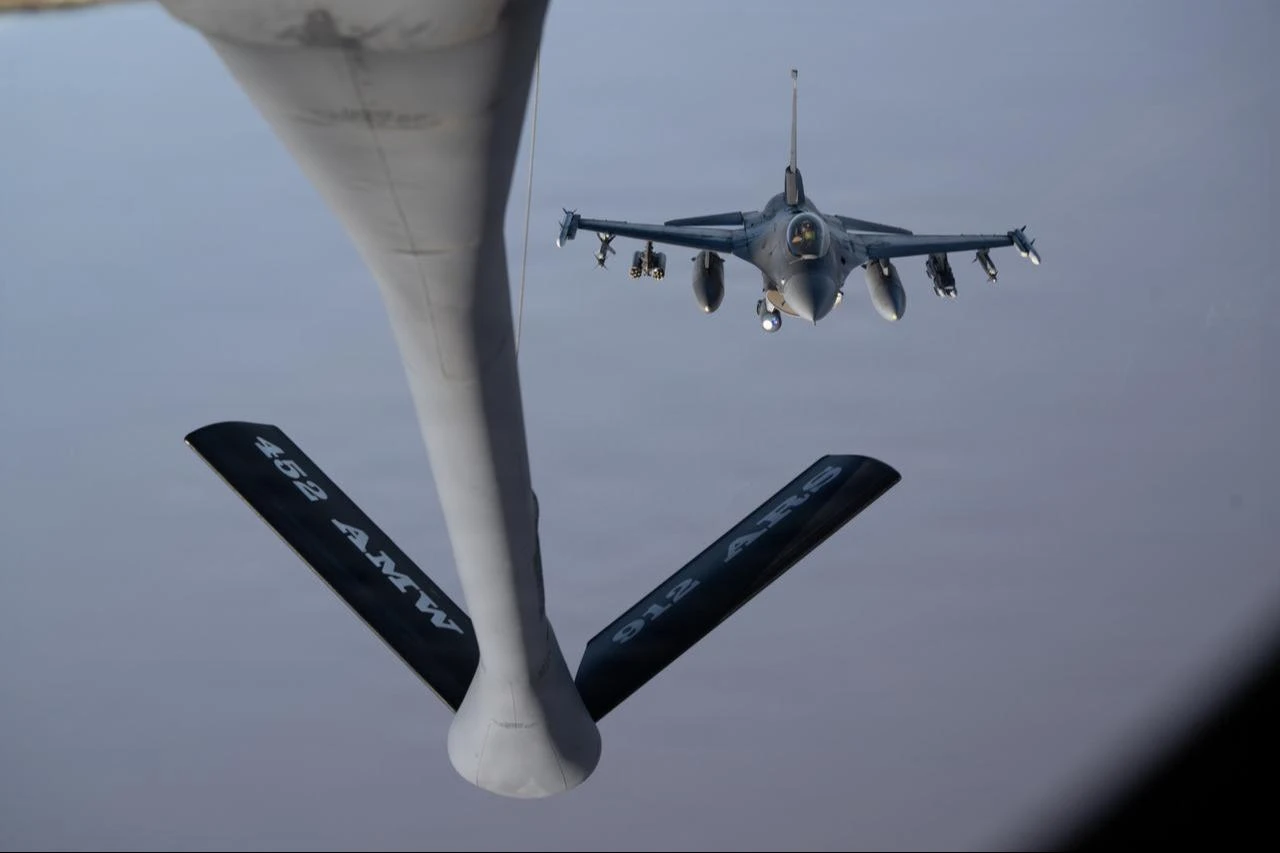
"Regarding Bulgaria, we had already announced our positions. We also heard that several K-35 refueling aircraft, if I'm not mistaken, left Bulgaria. From the beginning, as many people and politicians in Bulgaria had stated, this action was contrary to international law, because we have no problem with the Bulgarian people, and it was seen as a form of support for the military aggression of the U.S. and the Israeli regime against Iran," Baghaei said.
"We stated that under international law, such participation amounts to an act of aggression, and we hope that other countries that have made their bases and facilities available to the U.S. and the Israeli regime to commit a crime, an act of aggression against a U.N. member state, will take the necessary action," he said.
"There is no reason for any country to have concerns from us, unless it has made its bases, facilities and equipment available to the aggressor parties for committing an unlawful act. It is Iran's right to target the origin and source of any act of aggression against the Islamic Republic of Iran. This is part of international law, and as we have shown, we will certainly show no leniency in defending Iran's integrity," he said.
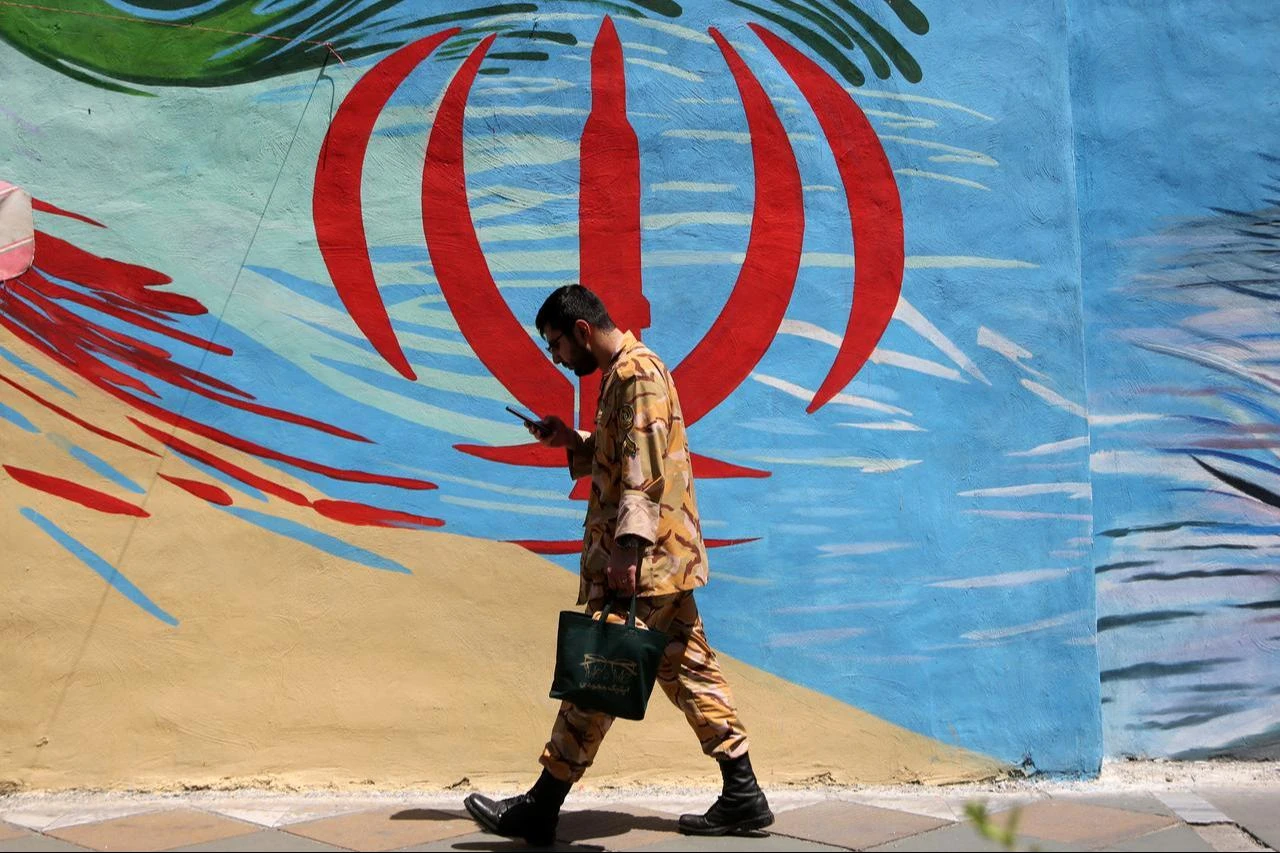
Asked about President Masoud Pezeshkian's recent remarks suggesting Iran end the war while in a position of strength, and about criticism questioning what "ending the war" means for a country that did not start it, Baghaei said Iranian officials have been clear about their determination to defend the country.
"I think officials of the Islamic Republic of Iran spoke very clearly about the seriousness and determination in defending Iran's sanctity. We will show no leniency toward the aggressor parties," Baghaei said.
"Because, as you mentioned, the Islamic Republic of Iran was not the one who started the war. Iran defended its own right, its territorial integrity and national sovereignty. Naturally, the aggressor party must be held accountable. We certainly were not the one who started the war, but we will not allow the end of the war to be based on the conditions of the aggressor party," he said.
Baghaei said the president has repeatedly stated Iran's firm position on not submitting to force and domination by aggressor parties, and said this should be viewed as a whole rather than in isolated parts.
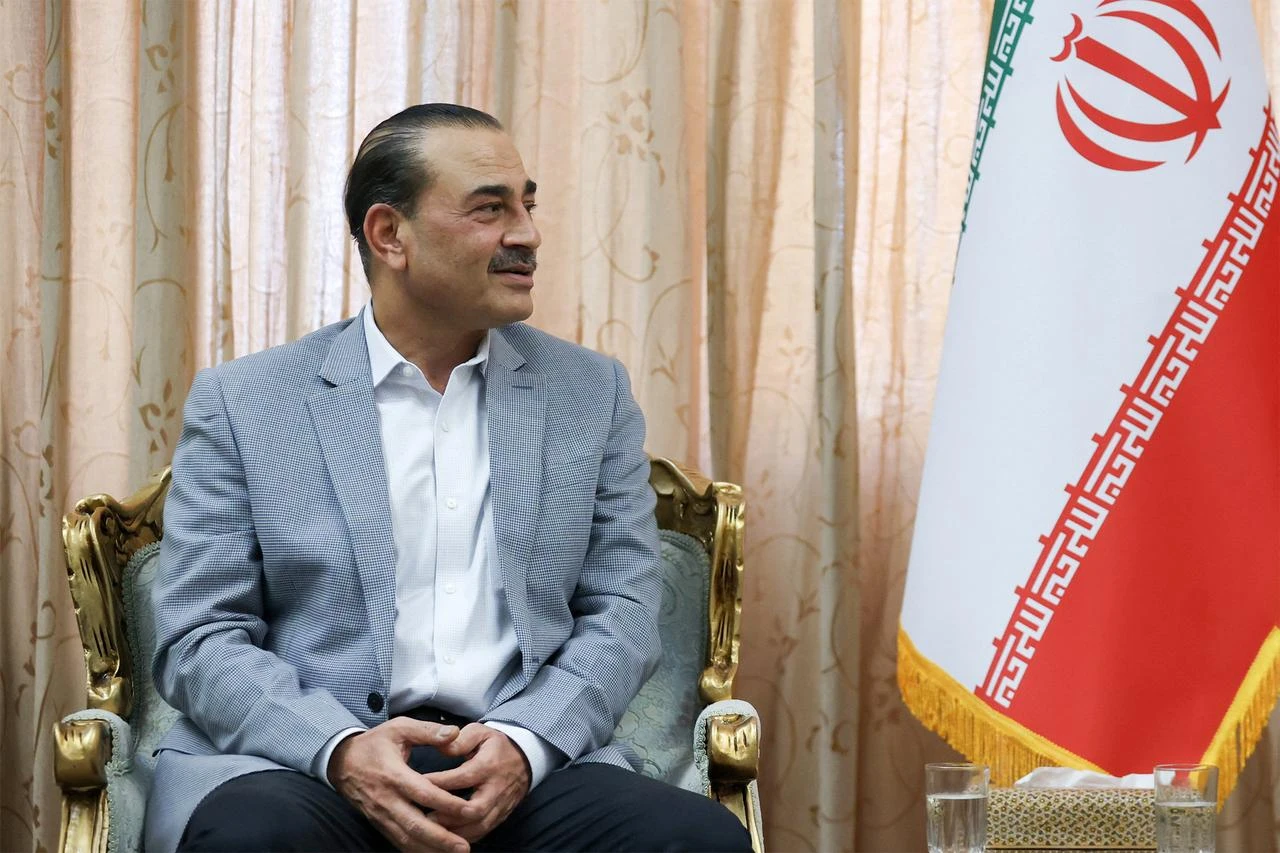
Asked about the framework of Pakistan's Army Chief Gen. Asim Munir's visit to Tehran and whether it was connected to the Omani foreign minister's planned visit, Baghaei said the two were unrelated beyond timing.
"The visit of the Pakistan army chief, which we announced would take place today, is happening within the framework of very good and excellent relations between Iran and Pakistan. Bilateral relations between the two countries are genuinely passing through one of their best stages, and both sides are determined to expand these relations day by day in all areas, relying on the various ties between the two countries," Baghaei said.
He noted that Pakistan has for several months been making efforts to help reduce tensions in the region.
"The Oman visit has no connection to this; it has only coincided in terms of timing. It is scheduled to take place tomorrow. Discussions will cover both bilateral relations and issues related to the security of the Strait of Hormuz and shipping routes, given that both countries are littoral states of this waterway," he said.
Pakistan's army said in a separate statement that Field Marshal Munir would "focus on promoting efforts towards peaceful, lasting and comprehensive resolution of the conflict in the Middle East" during the visit, describing the trip as "part of Pakistan's efforts to promote regional peace and stability."
Pakistan's Interior Minister Mohsin Naqvi is also part of the visiting delegation, according to the statement.
Munir arrived in Tehran on Monday, Iran's Tasnim News Agency said.
U.S. President Donald Trump spoke with Asim Munir last week ahead of Munir's trip to Tehran, according to three Pakistani sources who spoke to Reuters, with one saying the main U.S. request was to use Pakistan's influence to bring Iran back to negotiations.
Baghaei separately described Iran-Pakistan relations as "passing through one of their best stages."
The United States and Israel triggered the broader Middle East war with strikes against Iran beginning Feb. 28, prompting Iranian retaliation across the region.
An April 8 ceasefire ended roughly 40 days of intense bombardment, though the Strait of Hormuz has since emerged as a key flashpoint.
Trump announced last week that Washington would ramp up economic pressure on Iran "on an unprecedented scale," and has urged other governments, including Beijing, to join efforts to further isolate Iran's economy.
Iran has faced U.S. and international sanctions since the 1979 Islamic Revolution.
Trump has repeatedly pursued a "maximum pressure" policy of economic sanctions against Iran, reinstating the approach after returning to office in January 2025 following a similar campaign during his first term.


 Set as preferred source
 Set as preferred source


 1 min read