Newsletters


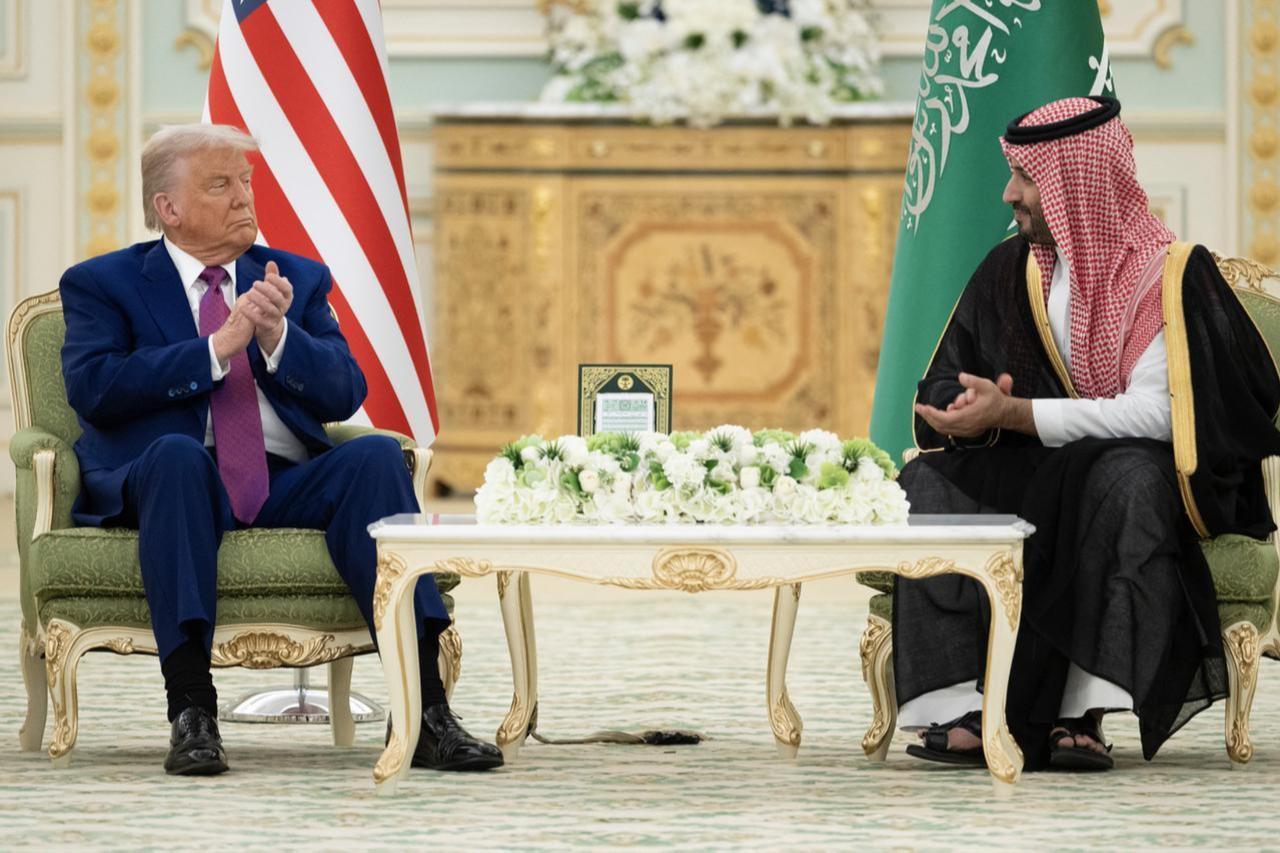


A classified U.S. intelligence assessment provided to Congress concluded that Saudi Arabia has not ruled out developing a nuclear weapons program, adding to scrutiny of a civil nuclear cooperation agreement signed between Washington and Riyadh in July, according to U.S. officials cited by The Washington Post on Friday.
The intelligence assessment was included in classified documents submitted to lawmakers alongside material from the U.S. State Department, which officials said expressed greater confidence in Saudi commitments and safeguards contained in the agreement.
The deal, signed by Saudi Energy Minister Abdulaziz bin Salman and U.S. Energy Secretary Chris Wright, allows Washington to supply nuclear technology and fuel to Saudi Arabia and provides a conditional pathway toward domestic uranium enrichment.
Saudi Arabia has maintained that its nuclear program is civilian. Abdulaziz said earlier that the effort would remain "peaceful" and operate with "the highest levels of responsibility and transparency."
The State Department also defended the agreement, saying the U.S. "does not and will not support a Saudi nuclear weapon program."
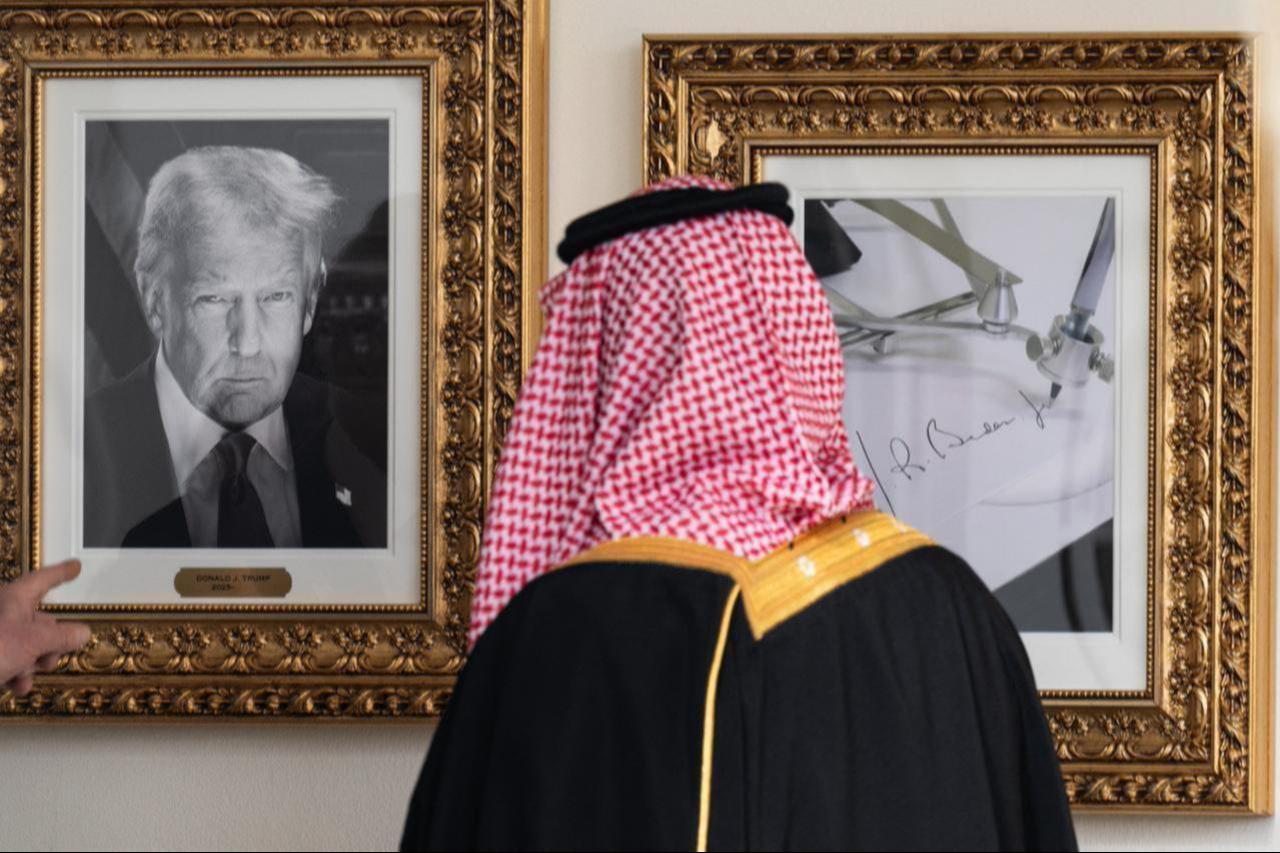

The agreement initially limits Saudi uranium enrichment to below 5%, but could allow the level to rise to 20% following an additional study and written agreement.
The pact could enable U.S. companies to pursue tens of billions of dollars in nuclear energy projects in Saudi Arabia. The Trump administration has said the agreement would strengthen U.S.-Saudi ties while limiting Riyadh's cooperation with countries such as China and Russia.
When the deal was announced, the administration said it would support U.S. and regional security while maintaining high standards of nuclear safety, security and nonproliferation.
Democratic lawmakers, however, have raised concerns over the possibility of domestic enrichment and whether nuclear material could eventually be diverted for military purposes.
"With this deal, the Trump administration is departing from precedent, adopting looser restrictions, and caving to Saudi demands by agreeing to a process that is all but certain to allow Riyadh to acquire the means to enrich uranium and possibly develop nuclear weapons," a group of Democratic senators led by Ed Markey and Jeff Merkley wrote Friday to Secretary of State Marco Rubio.
Merkley said Washington should not rely solely on Saudi assurances, arguing that Riyadh's interest in producing nuclear fuel domestically rather than importing it raised questions about the nature of the program.
He also questioned why Saudi Arabia would retain enrichment and reprocessing capabilities if it had abandoned any intention of developing a nuclear weapon.
Another concern centers on international inspections.
The agreement does not require Saudi Arabia to participate in the International Atomic Energy Agency's Additional Protocol, which provides the agency with broader access to stages of a country's nuclear fuel cycle and research facilities.
A group of 20 nuclear nonproliferation experts, including former IAEA Director General Hans Blix, told Congress this week that such safeguards were particularly important for a country seeking the capability to produce fissile material.
Experts have raised concerns that without such access, the IAEA could face difficulties determining whether nuclear activities were taking place at undeclared facilities.
Lawmakers have also compared the agreement with the 2015 Iran nuclear deal, which capped Iranian enrichment at 3.67% for 15 years, questioning why the Saudi agreement could eventually permit enrichment of up to 20%.
Saudi Crown Prince Mohammed bin Salman said in 2018 that Riyadh would pursue a nuclear weapon if Iran developed one.
"Without a doubt, if Iran developed a nuclear bomb, we would follow suit as soon as possible," he said at the time.
The Trump administration struck Iranian nuclear facilities last year during Operation Midnight Hammer, though Iran's enriched uranium is believed to remain intact under rubble.
Markey said developments involving Iran increased the risk that nuclear capabilities in Saudi Arabia could contribute to a regional arms race.
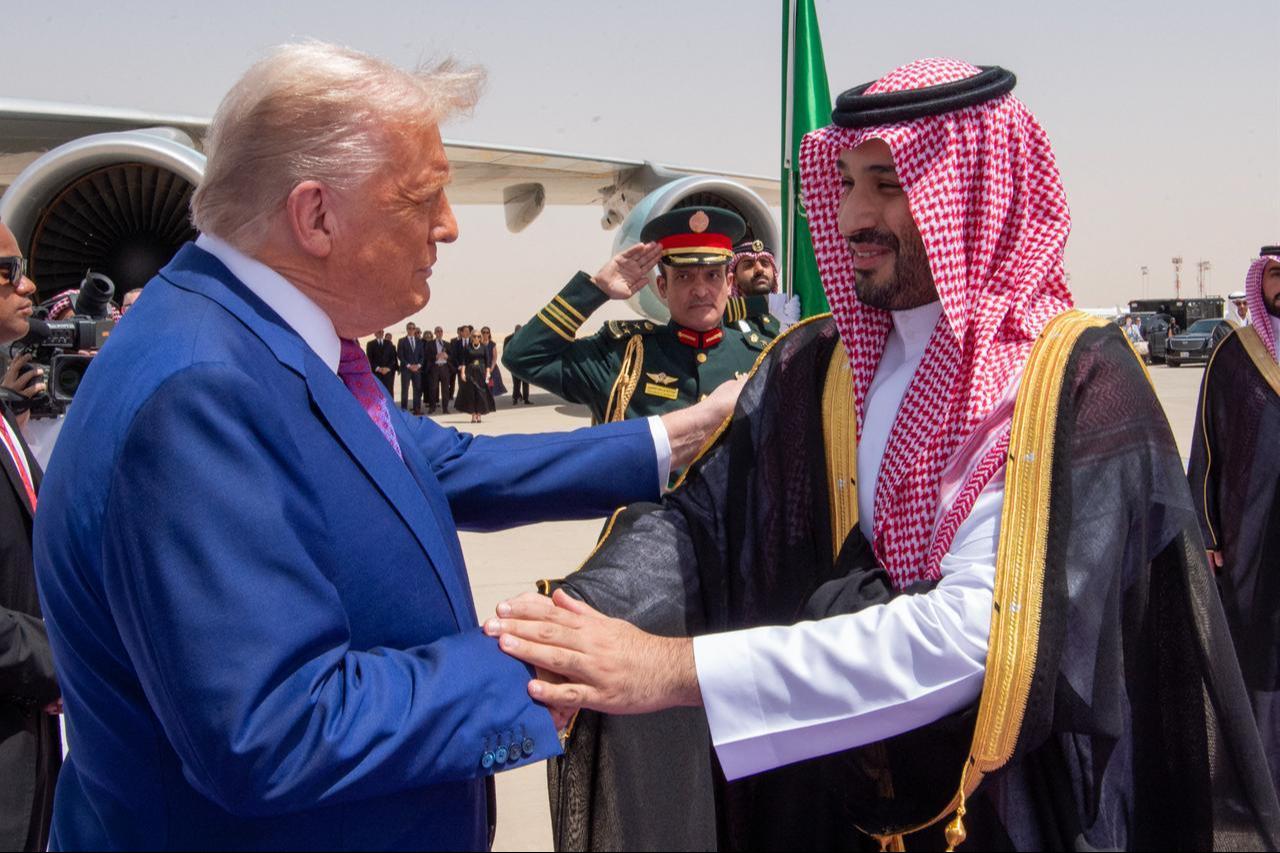
The agreement was submitted to Congress in August and is undergoing a 90-session-day review period.
House Democrats have introduced a Joint Resolution of Disapproval over nonproliferation concerns, while some lawmakers are seeking legislation to block the agreement.
Without support from two-thirds of Congress, however, Trump could veto legislation opposing the deal and allow the agreement to take effect as written.
Some Democrats also raised questions over potential financial beneficiaries of the agreement.
In their letter to Rubio, Democratic senators cited a $2 billion investment Jared Kushner received from a Saudi sovereign wealth fund after leaving the White House at the end of Trump's first administration.
They also said Westinghouse Electric could receive tens of billions of dollars in business if the agreement moves forward and pointed to connections between its majority owner and Newmark, a real estate company partly owned and run by sons of Commerce Secretary Howard Lutnick.
Supporters of the agreement argue that it could position U.S. companies to win major Saudi contracts, reduce opportunities for Chinese and Russian companies and strengthen ties between Washington and Riyadh.
The deal also faces a separate condition imposed by Trump requiring Saudi Arabia to normalize relations with Israel.
A senior administration official said the requirement remains in place, while analysts have said Riyadh is unlikely to normalize relations while the Israeli government rules out the creation of a Palestinian state.


 Set as preferred source
 Set as preferred source


 1 min read
 1 min read