Newsletters


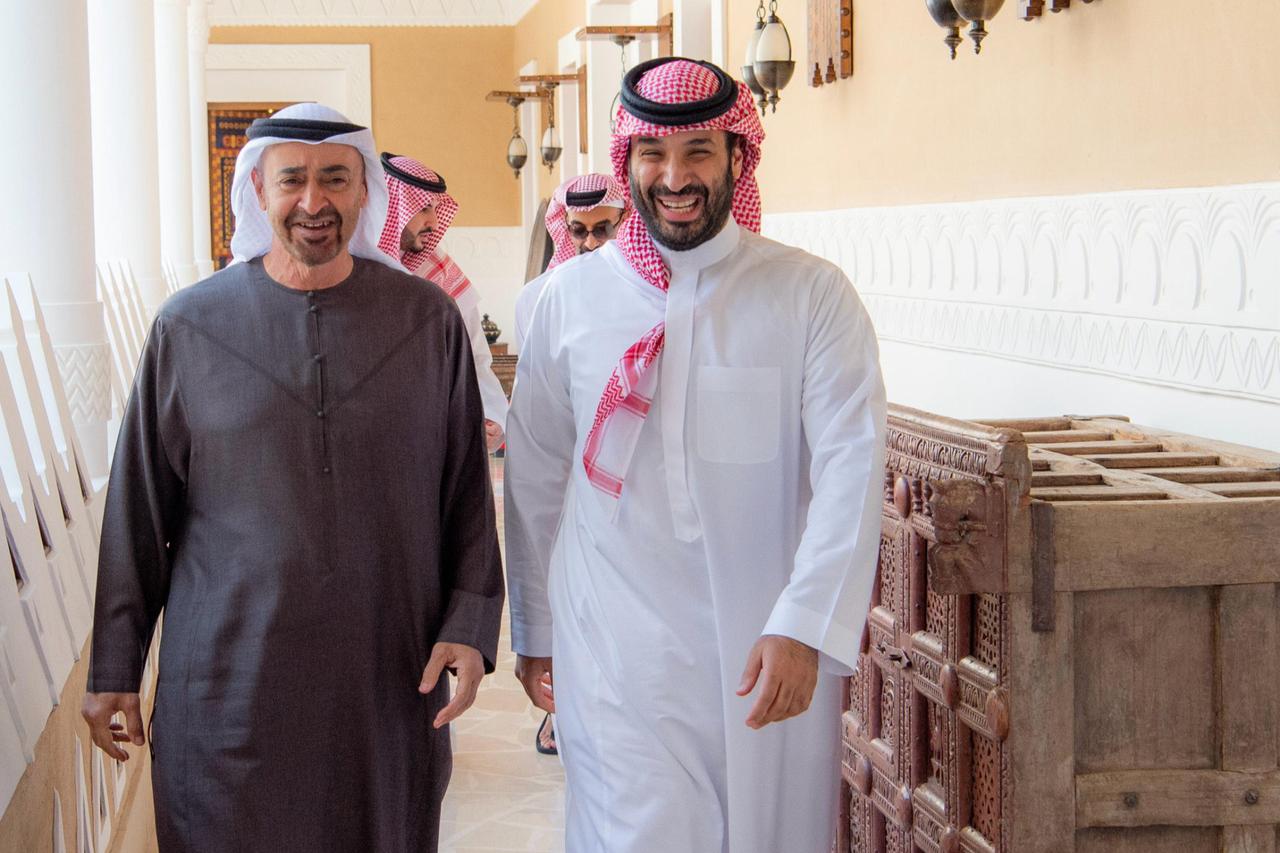


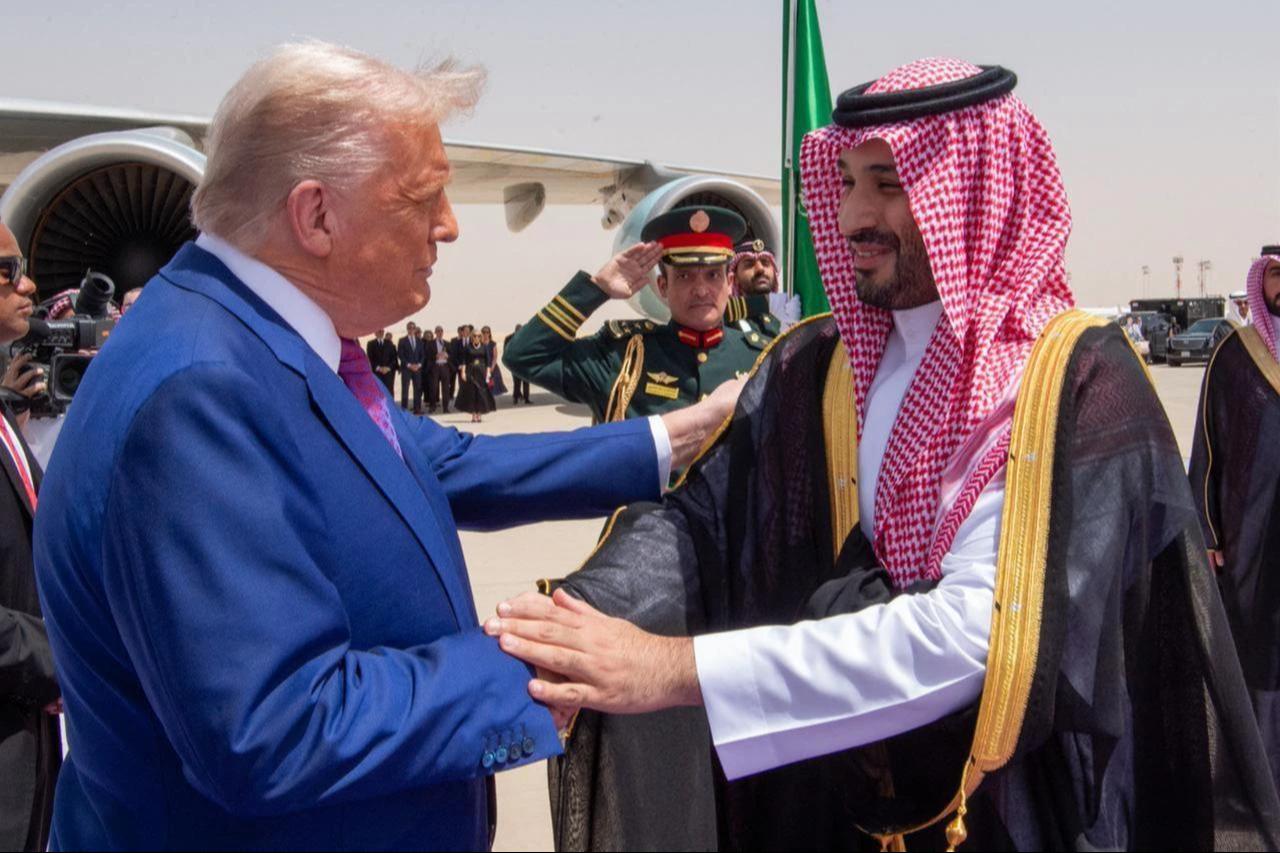
Saudi Arabia and the United Arab Emirates move against mediator efforts to restart negotiations between the U.S. and Iran, lobbying the Trump administration to maintain economic pressure on Tehran and keep its maritime blockade in place, according to the report.
While the two Gulf countries do not oppose diplomacy outright and agreed that U.S. forces should not expand the military campaign against Iran, both still urged Washington not to make concessions that could ease sanctions or lift the U.S. Navy blockade, sources told Washington Post.
Qatar and other mediators are pushing to bring Washington and Tehran back to talks in Oman as soon as the following week, with reopening the Strait of Hormuz and winding down the conflict on the agenda. U.S. President Donald Trump said Tuesday that he expected the two sides to meet again soon.
The latest stance marked a shift from the position Saudi Arabia and other Arab states had taken earlier in the summer. Led by Riyadh, they had pushed for negotiations with Iran and had even been prepared to consider an arrangement that recognized some Iranian role over the Strait of Hormuz, a major shipping route for Gulf oil exports.
The approach changed after Iran attacked Saudi ships in the waterway and backed Houthi efforts in Yemen to restrict another shipping route through the Red Sea, the report suggested. The developments raised doubts among Gulf governments over Tehran's willingness to reach an agreement, it added.
Saudi Crown Prince Mohammed bin Salman also told U.S. officials recently that Washington should keep its blockade until Iran was forced to sign a new agreement.
UAE officials, who had previously described their country as eager for a diplomatic end to the conflict, also cooled expectations of an imminent return to negotiations. They pointed to renewed violence across the region and attacks on shipping as signs that Tehran was not rushing back to diplomacy.
Gulf states also argued that they should not accept a permanent Iranian grip over the strait, particularly as Tehran sought a greater role in managing the strategic waterway.

Meanwhile, Oman and Qatar took a different approach from Riyadh and Abu Dhabi, arguing that the region had already suffered heavily from the war and backing a phased reopening of the Strait of Hormuz alongside an end to attacks on Gulf states.
Qatar worked on the sidelines of the United Nations General Assembly to revive U.S.-Iran diplomacy, the report said, after Iran’s Foreign Minister Abbas Araghchi arrived in Doha on Sunday to discuss proposals that included a seven-day pause in fighting.
The pause was intended to pave the way for Tehran to halt attacks on shipping in exchange for Washington lifting its blockade, but the proposal faced resistance from the U.S., which had repeatedly told Qatar that Trump did not intend to lift the maritime embargo, according to people familiar with the matter.
At the same time, the report noted that Arab mediators encountered conflicting positions within Iran. Iranian diplomats put forward several proposals for ending the war and acknowledged the country's worsening economic crisis.
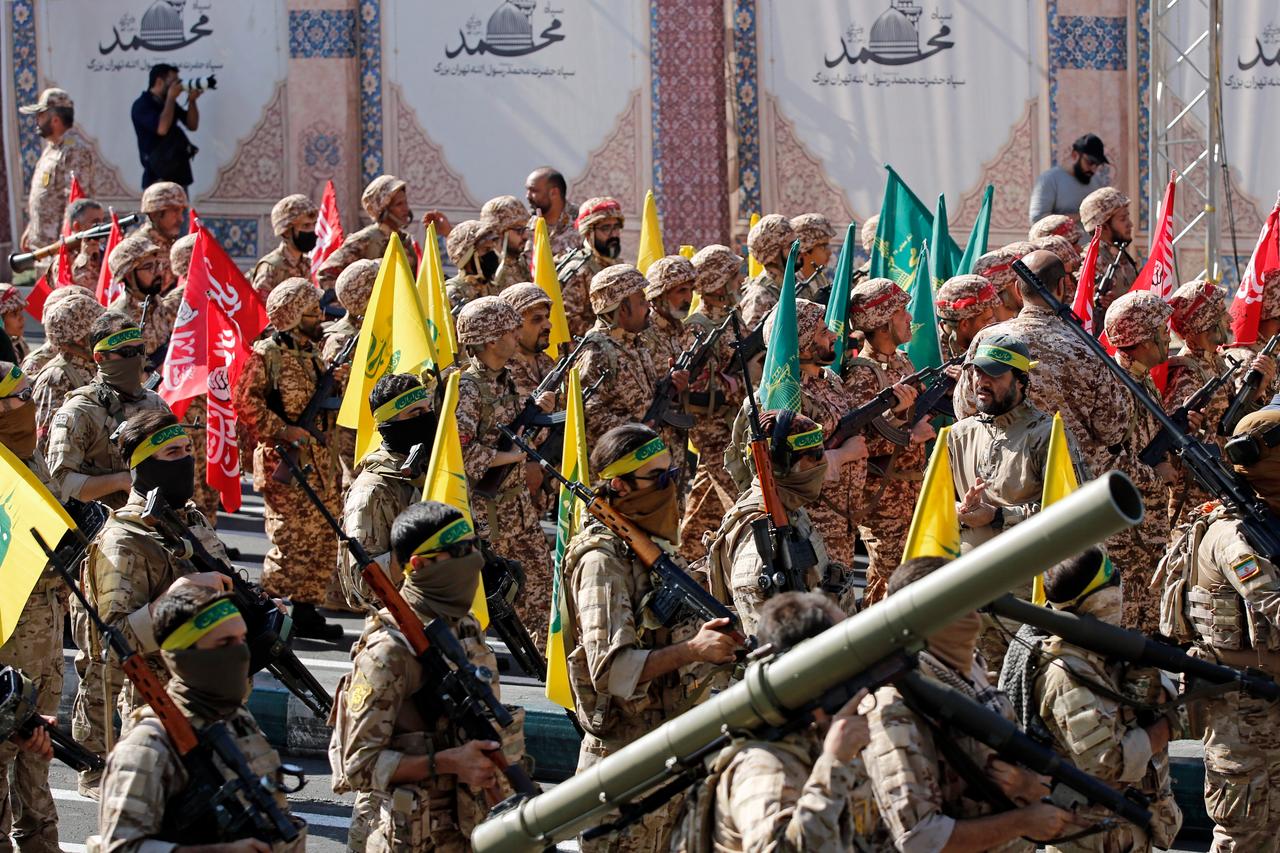
However, the Islamic Revolutionary Guard Corps (IRGC) rejected new formulas for an agreement and indicated that it was prepared for a prolonged conflict.
IRGC sought a return to terms closer to a preliminary agreement Trump struck with Iran in June. That deal included sanctions relief for Iranian oil sales, access to frozen Iranian assets and recognition of a role for Tehran in administering the Strait of Hormuz in exchange for reopening the waterway.
Washington told mediators it did not want to return to that framework, believing continued economic pressure would eventually compel Tehran to accept an agreement with terms more favorable to the United States and Gulf states.


 Set as preferred source
 Set as preferred source


 2 min read
 1 min read