Newsletters


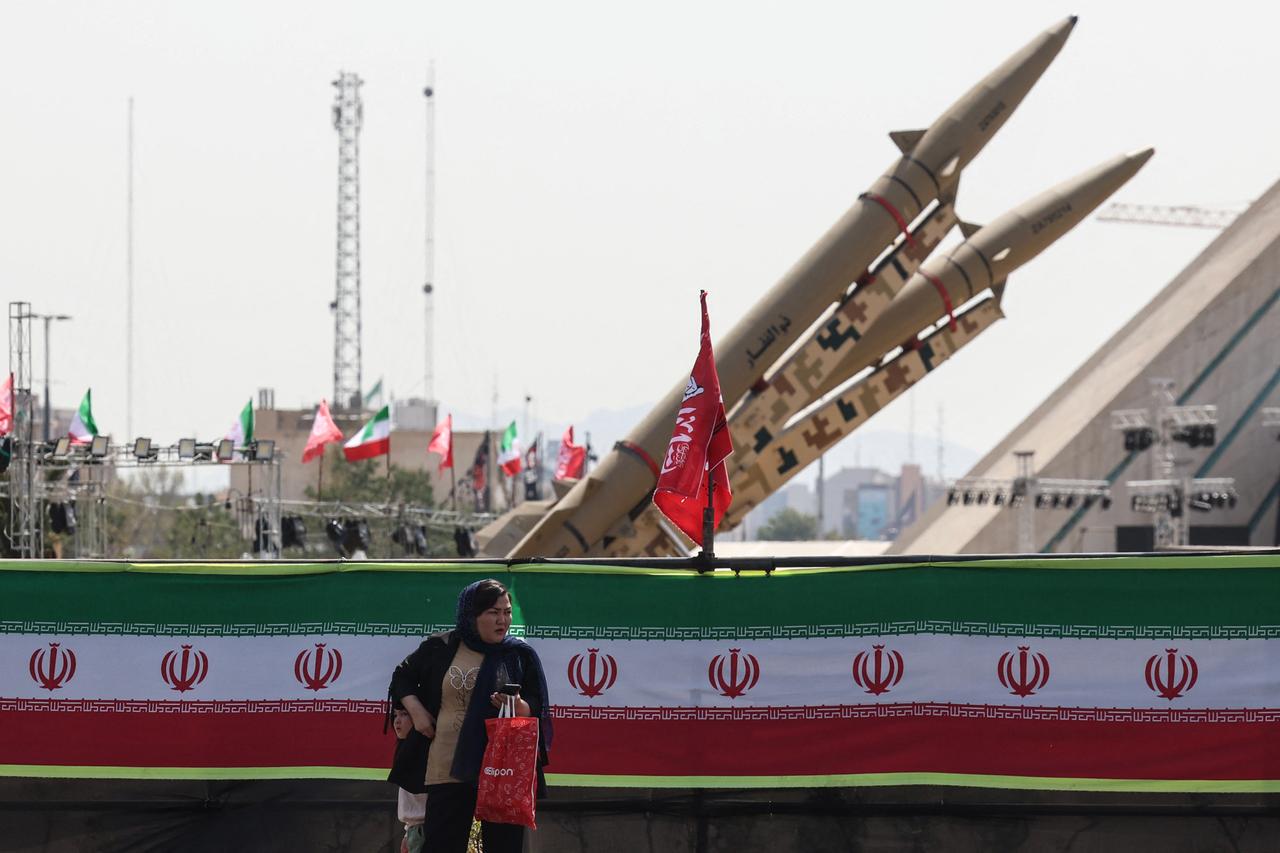


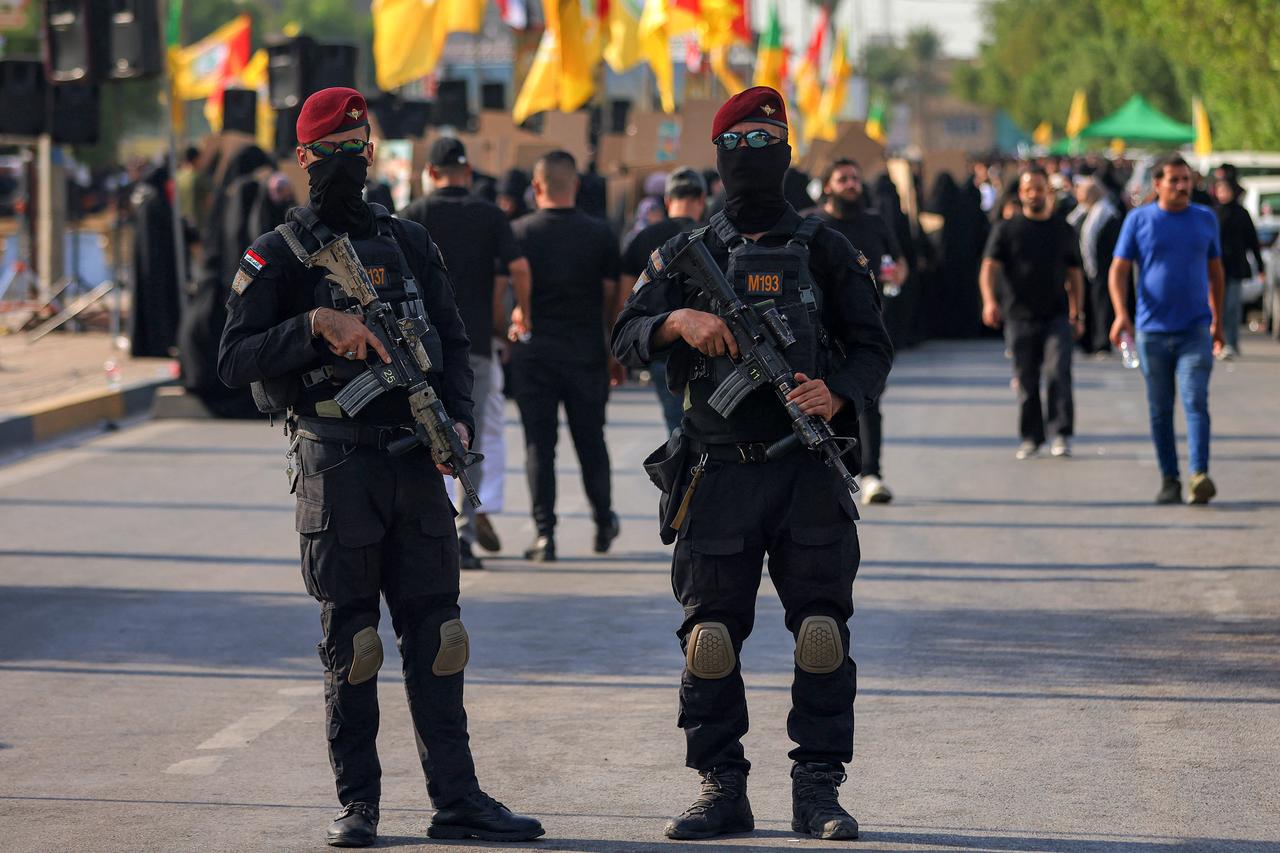
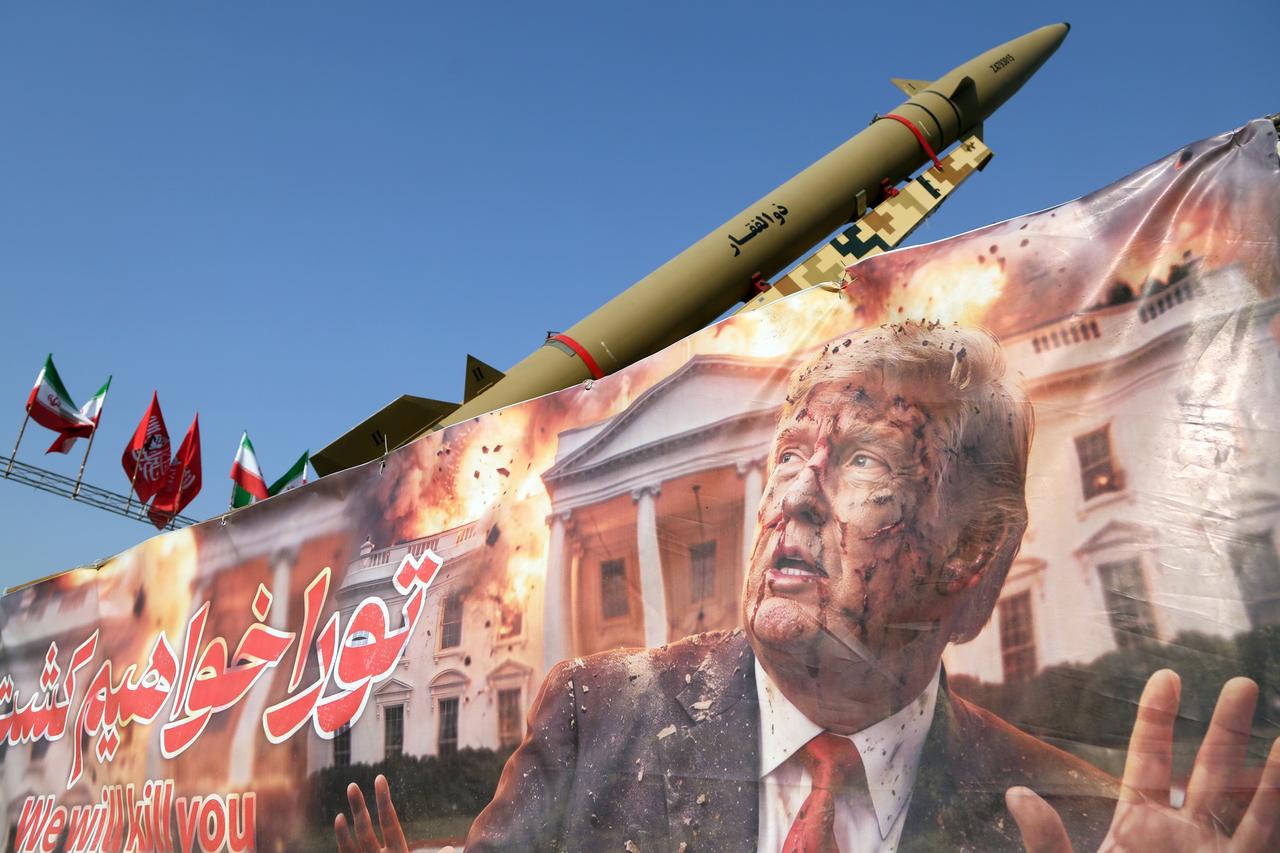
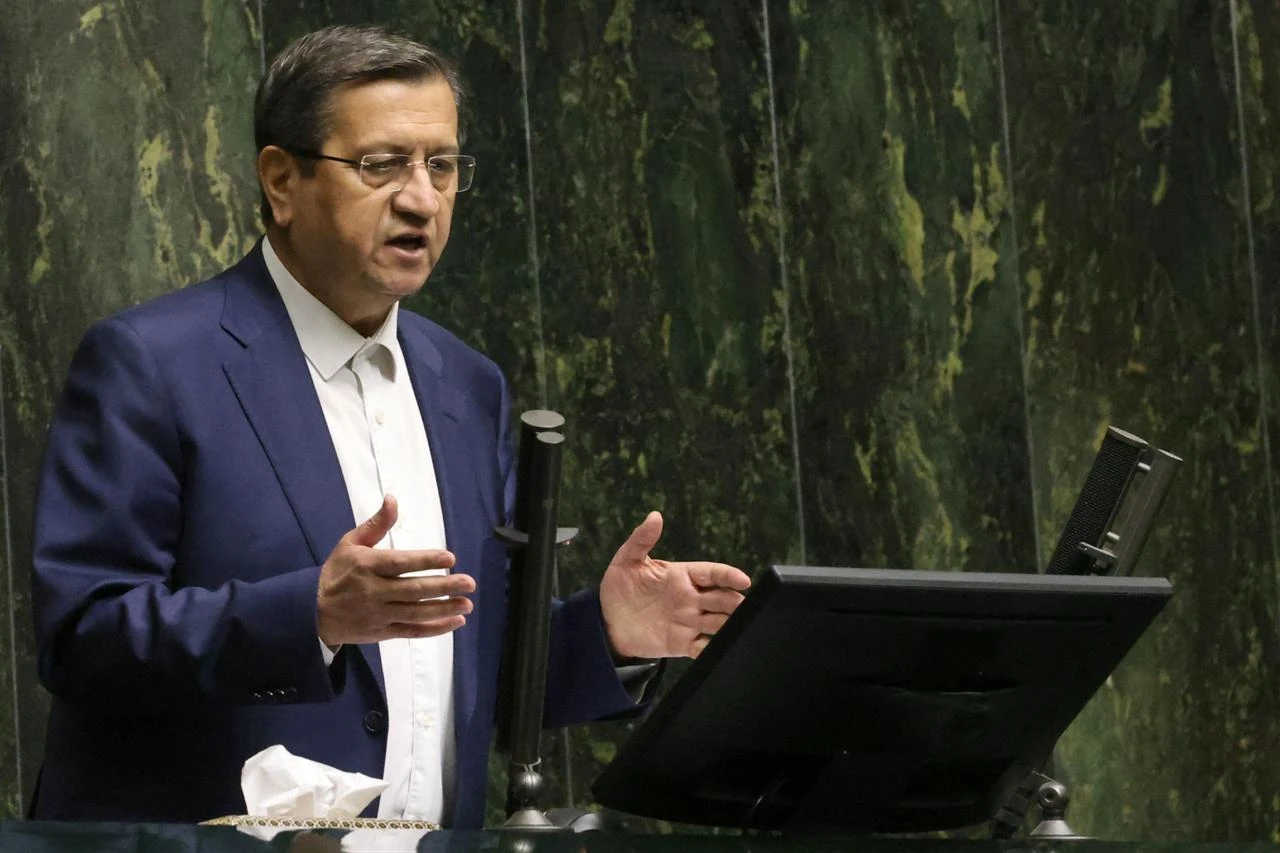
Threats against Iran’s infrastructure will be met with “heavy strikes” on U.S. energy chokepoints and vital interests, an Islamic Revolutionary Guard Corps (IRGC) spokesman said Monday.
“Today, the U.S. understands very well that if it carries out its threats against Iran’s infrastructure, it will face heavy strategic strikes on energy chokepoints and its vital interests,” Hossein Mohibbi said, according to Iranian state broadcaster IRIB.
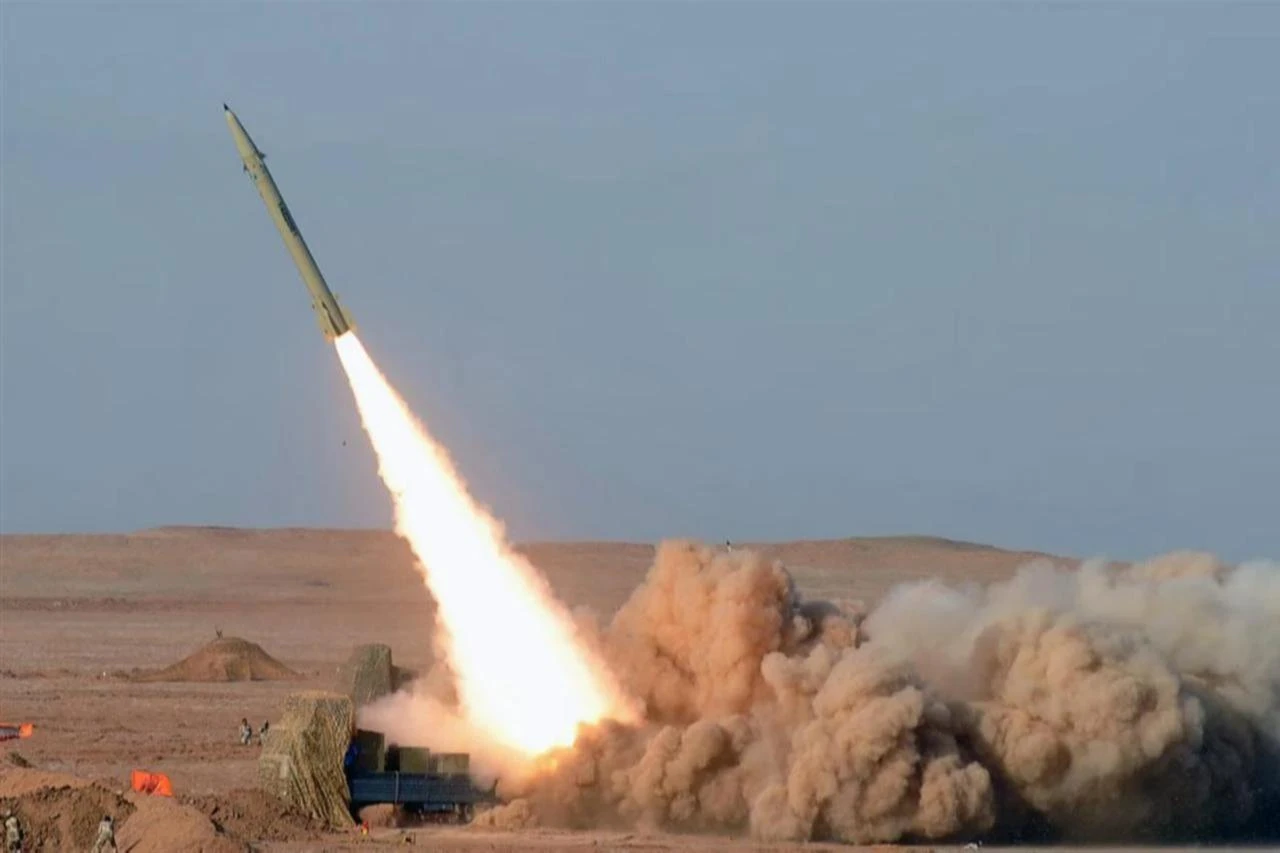
Mohibbi said Tehran continues to produce smart and guided missiles, rejecting Washington’s claim that Iran’s weapons stockpiles had been severely depleted.
“The most important achievement of this war was transferring vulnerability to the enemy’s vital infrastructure and affiliated centers,” he said.
According to the IRGC spokesman, this had prevented what he described as the “enemy” from achieving its stated objectives, including the reopening of the Strait of Hormuz.

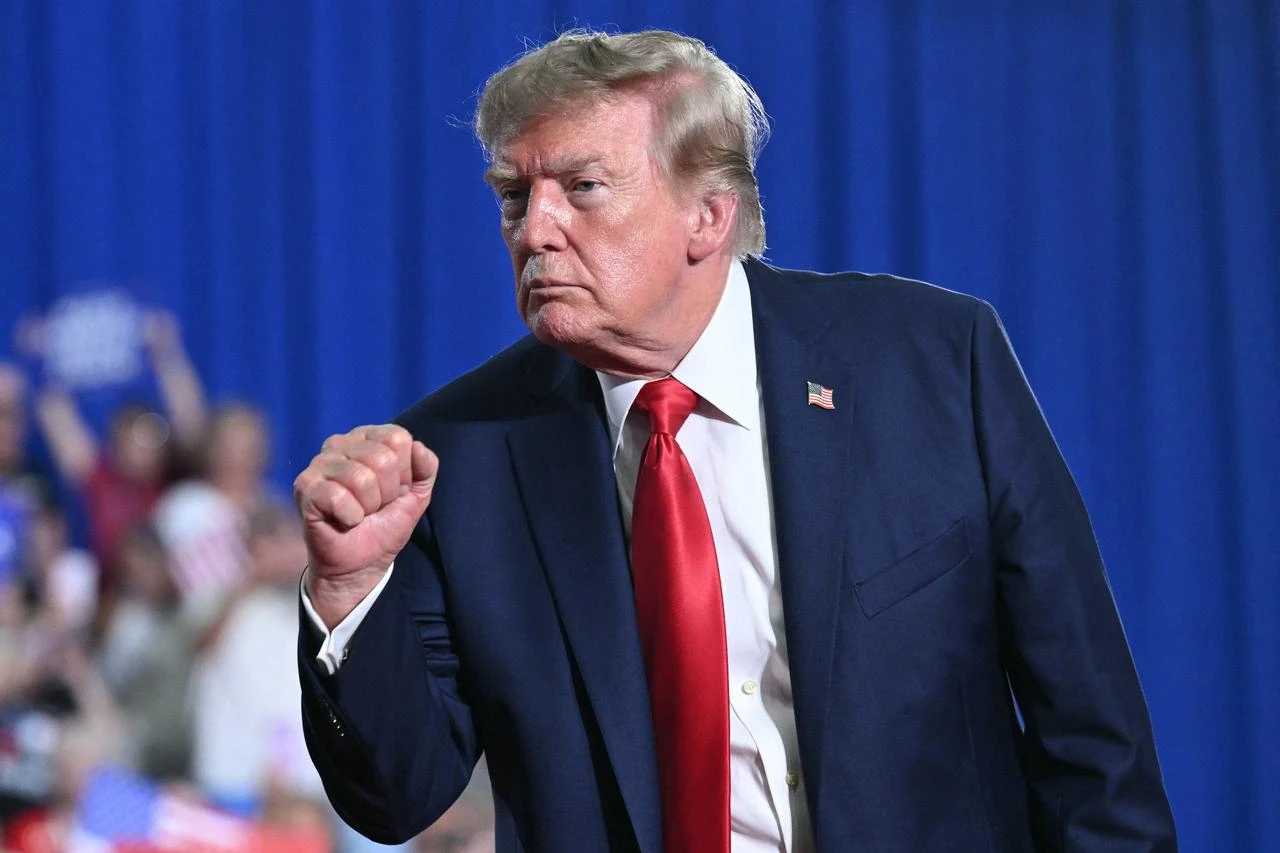
U.S. President Donald Trump said Monday that Iran is “completely collapsing” amid ongoing hostilities between Washington and Tehran.
“IRAN IS COMPLETELY COLLAPSING!!! President DJT,” Trump wrote on Truth Social without elaborating.
His comment echoed earlier statements about Tehran’s economic and military condition.
On Sunday, Treasury Secretary Scott Bessent said the United States was entering an “economic D-Day” against Iran after what he described as the Trump administration’s dismantling of the Islamic Republic’s military and nuclear capabilities.
“President Trump has dismantled Iran’s military capabilities, destroyed nearly 100 percent of its military factories, and buried its nuclear program,” Bessent wrote on X.
Trump said Friday he still believed Iran was not ready to make “the right deal” with Washington as the United States tightened economic measures against Tehran.
“They would love to make a deal, but they’re not ready to make the right deal, in my opinion,” Trump told reporters.
“They have no money, they have no navy, they have no air force, they are not paying their soldiers, they’re not paying their police. They have 350% inflation,” he added.
Trump also suggested that the United States maintains “complete control” of the region surrounding the Strait of Hormuz, including the crucial waterway and nearby land in southern Iran.
Washington and Tehran signed a memorandum of understanding in June calling for a cessation of hostilities and the restoration of shipping through the strait.
The deal later fell through amid disputes over implementation and the future of navigation through the waterway.
The conflict began in late February with a U.S.-Israeli attack on Iran. Tehran responded by striking targets in Israel and U.S. military bases in the region.


 Set as preferred source
 Set as preferred source


 1 min read
 1 min read