Newsletters


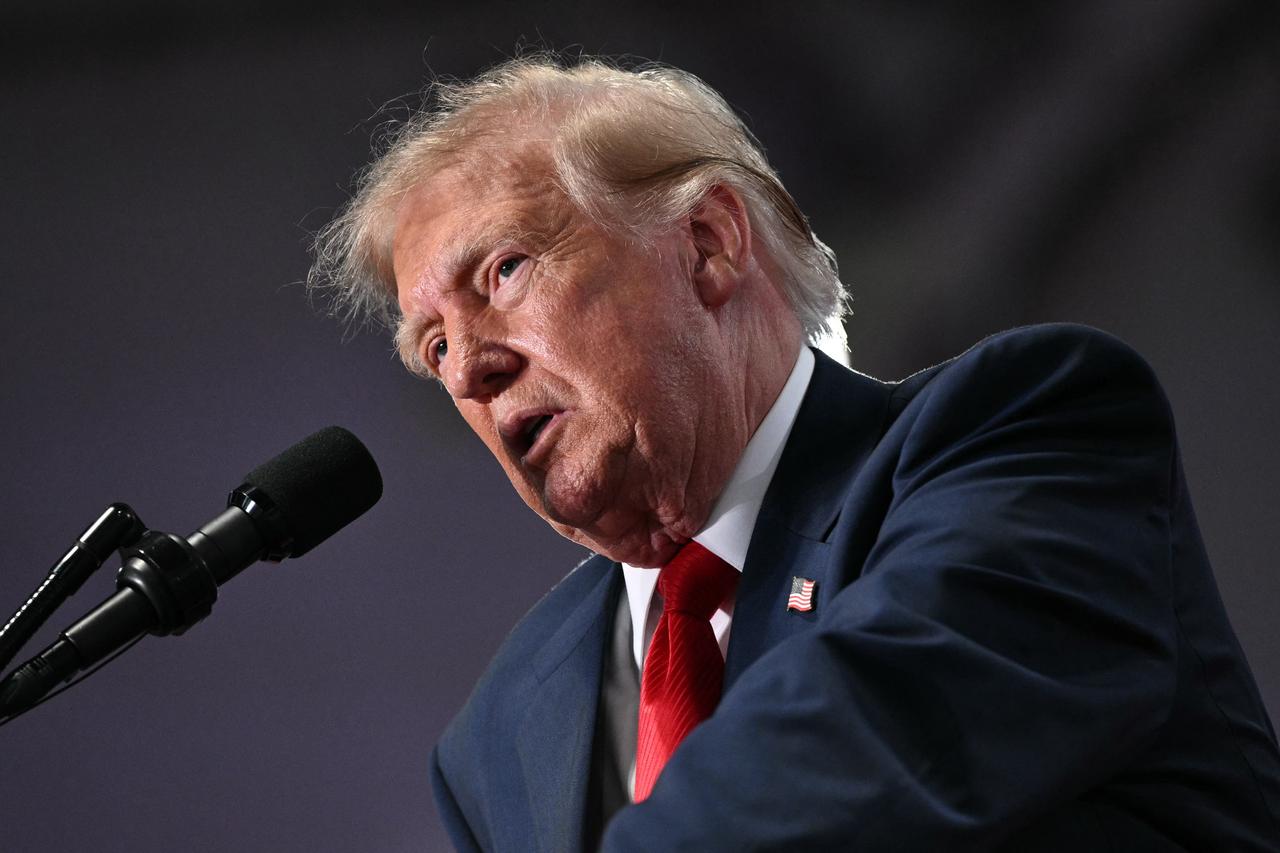


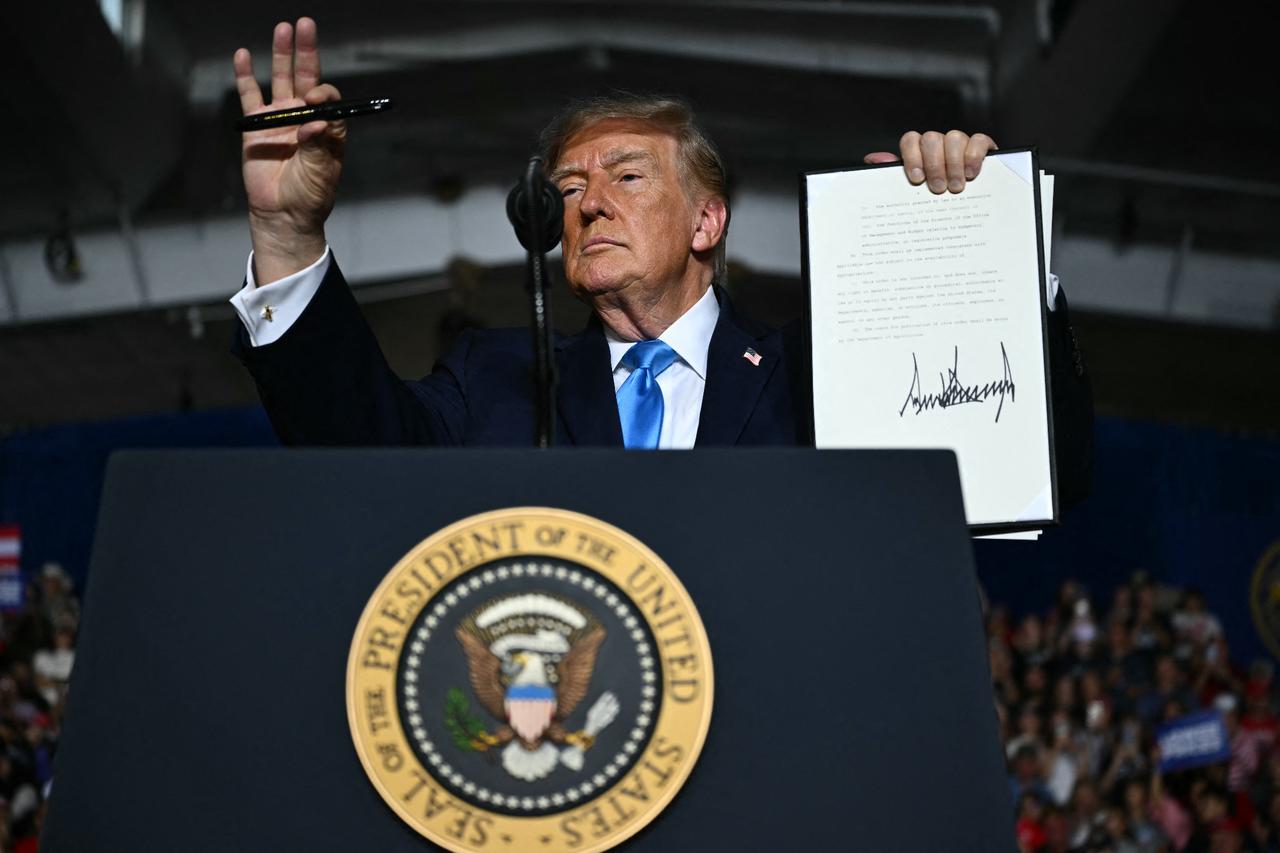
U.S. President Donald Trump left open the possibility of further strikes against Iran, despite previously saying that the United States would not attack the country before the Nov. 3 midterm elections.
Asked Friday why Washington might wait until after the elections to respond rather than act immediately, Trump did not rule out an earlier move. "We may. We will see," he told reporters.
Trump also delivered a harsh assessment of Iran's condition, claiming its military had been defeated and its economy was in serious trouble.
"But I think that they’re failing badly. Their country is failing badly. Their military is defeated. They have no navy. They have no air force. They have 300% inflation, and Iran is in very bad shape," he said.
He offered no details about what action his administration might take or when it could happen.
On Thursday, Trump said the United States would not attack Iran before the midterm elections, citing what he described as productive discussions with Tehran.
In a post on Truth Social, he said Washington would maintain its blockade but hold off on military strikes until after the vote.
Trump also confirmed that talks with Tehran were underway, without providing further details.
The remarks followed reports that the White House had asked the Pentagon to prepare options for striking Iranian targets ahead of the elections.
The Atlantic reported Wednesday that the request had been made, while The New York Times reported Thursday that plans were being developed despite Trump's uncertainty over the course of action.
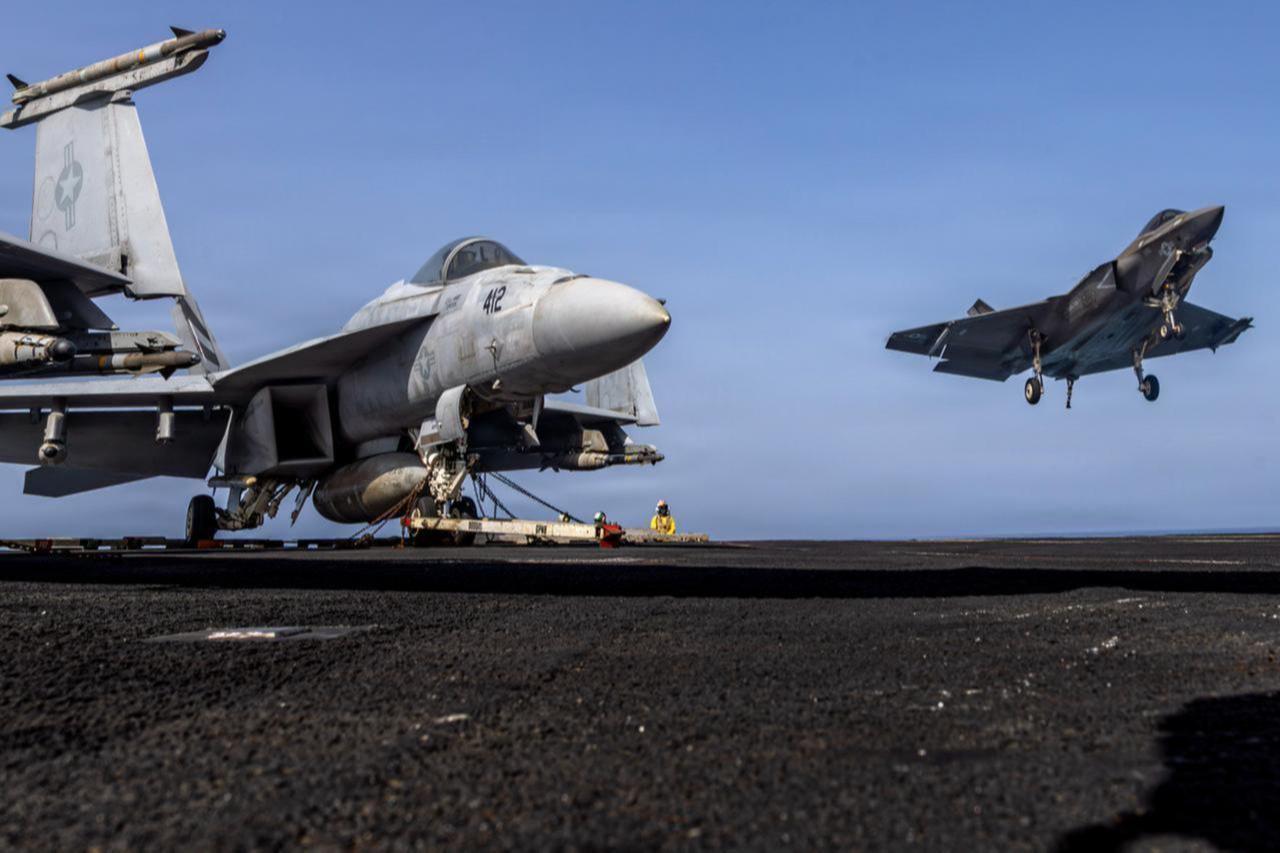

The United States and Israel launched a war against Iran on Feb. 28.
Tehran responded with missile and drone attacks across the region, effectively closing the Strait of Hormuz, a strategic waterway for global oil shipments.
The conflict has continued for more than seven months, pushing up global energy prices as commercial oil traffic through the strait has effectively ground to a halt.
Washington and Tehran signed a framework agreement in June following mediation efforts by Pakistan and Qatar.
The deal aimed to halt hostilities and pave the way for negotiations, but its implementation has stalled over disagreements, including security arrangements and navigation through the Strait of Hormuz.


 Set as preferred source
 Set as preferred source


 1 min read
 1 min read