

 Newsletters


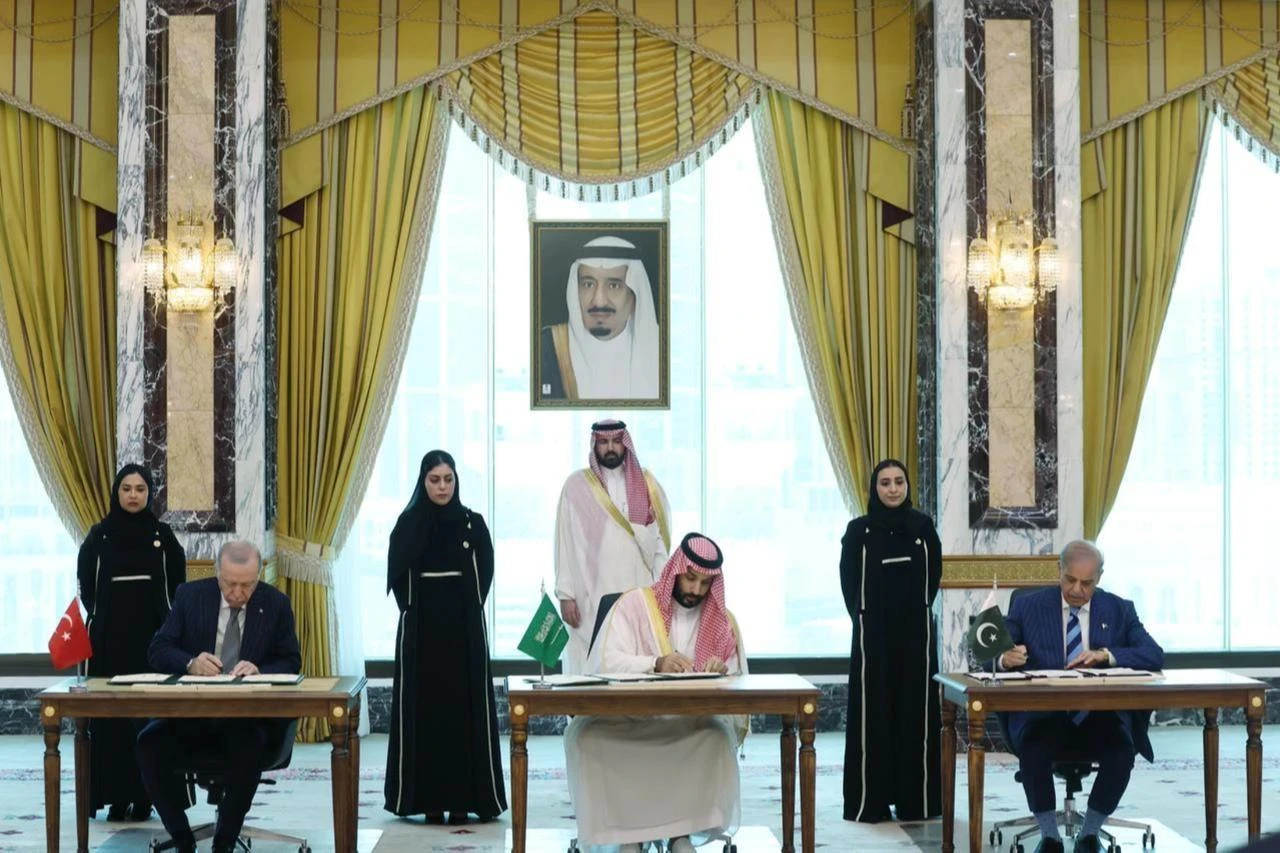


A new mutual defense agreement between Türkiye, Saudi Arabia and Pakistan has raised concern in Athens, according to Greek newspaper Kathimerini, which said the deal could reshape Greece's strategic calculations in the Gulf despite years of efforts to build up closer ties with Riyadh.
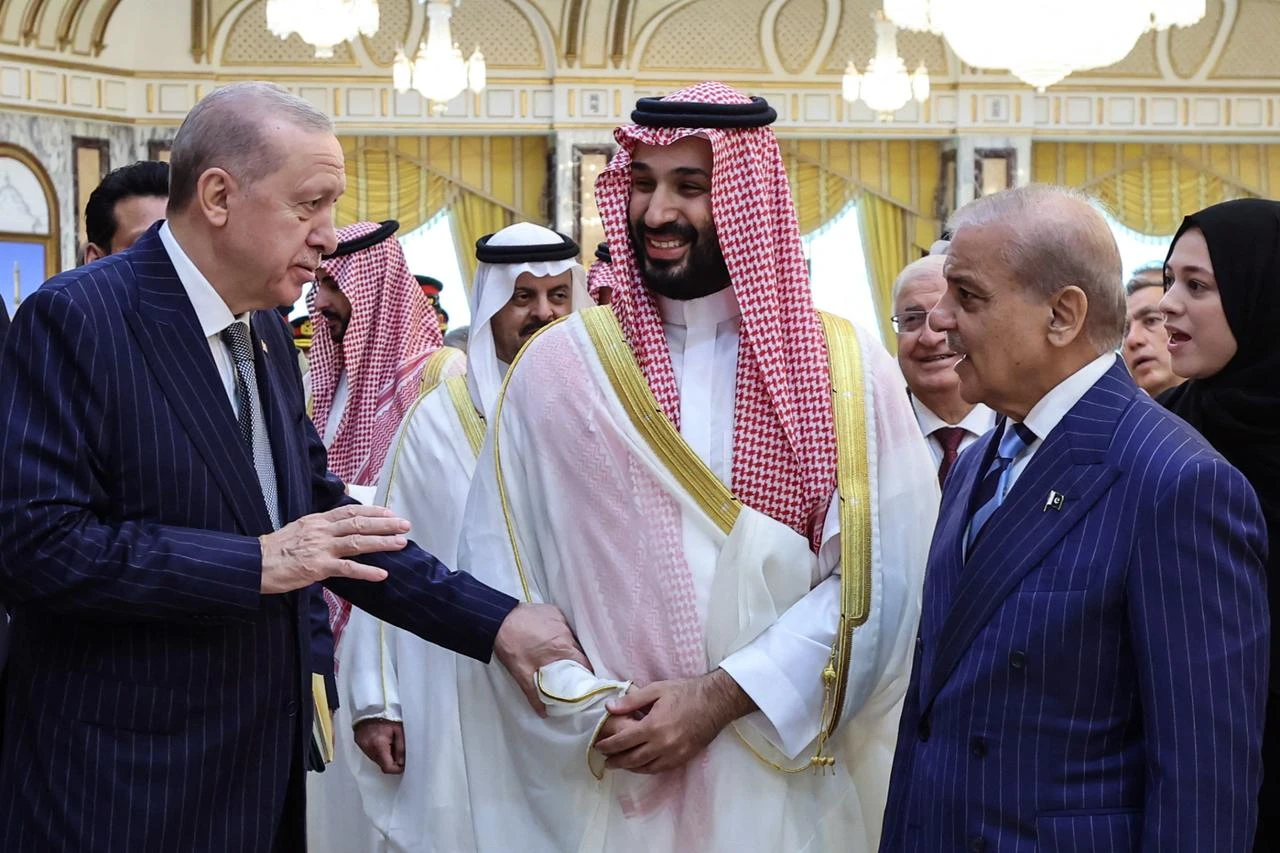
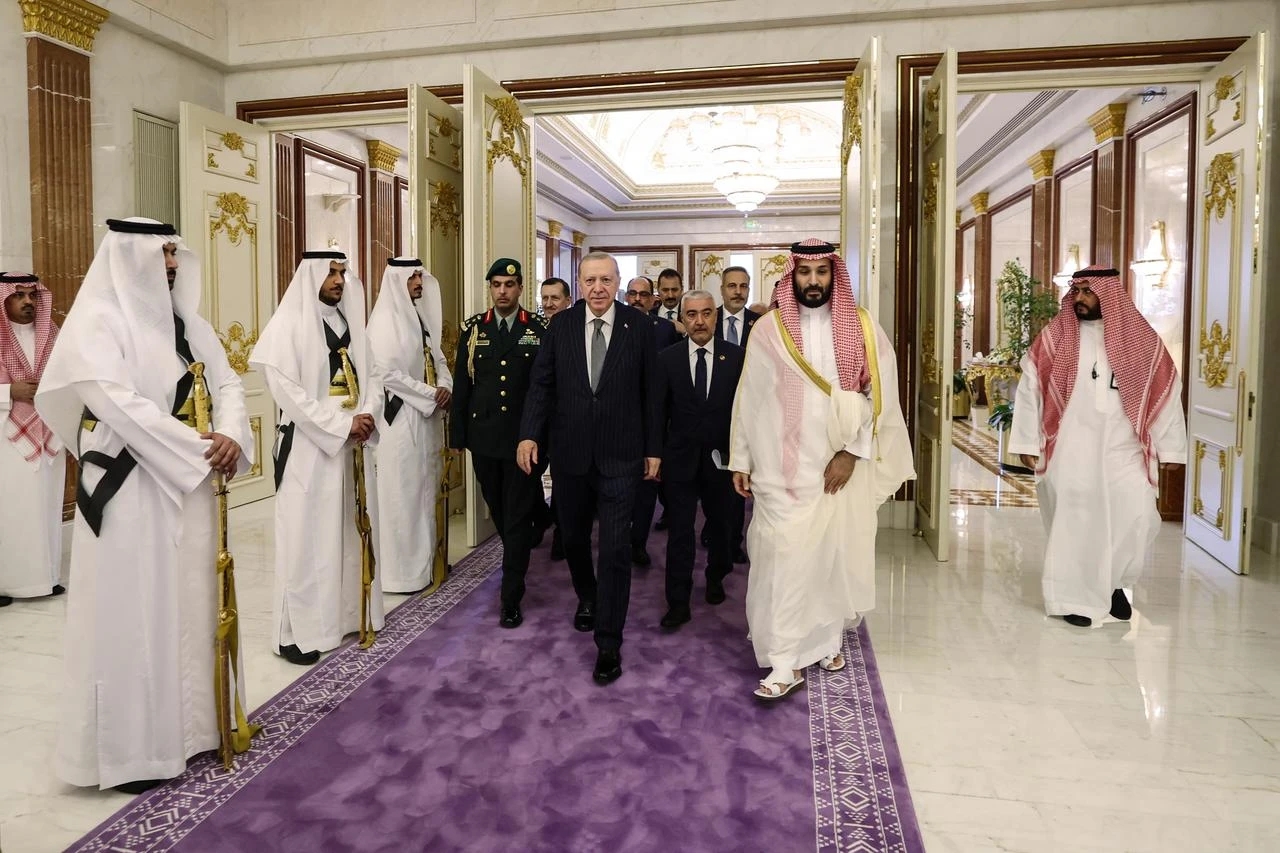
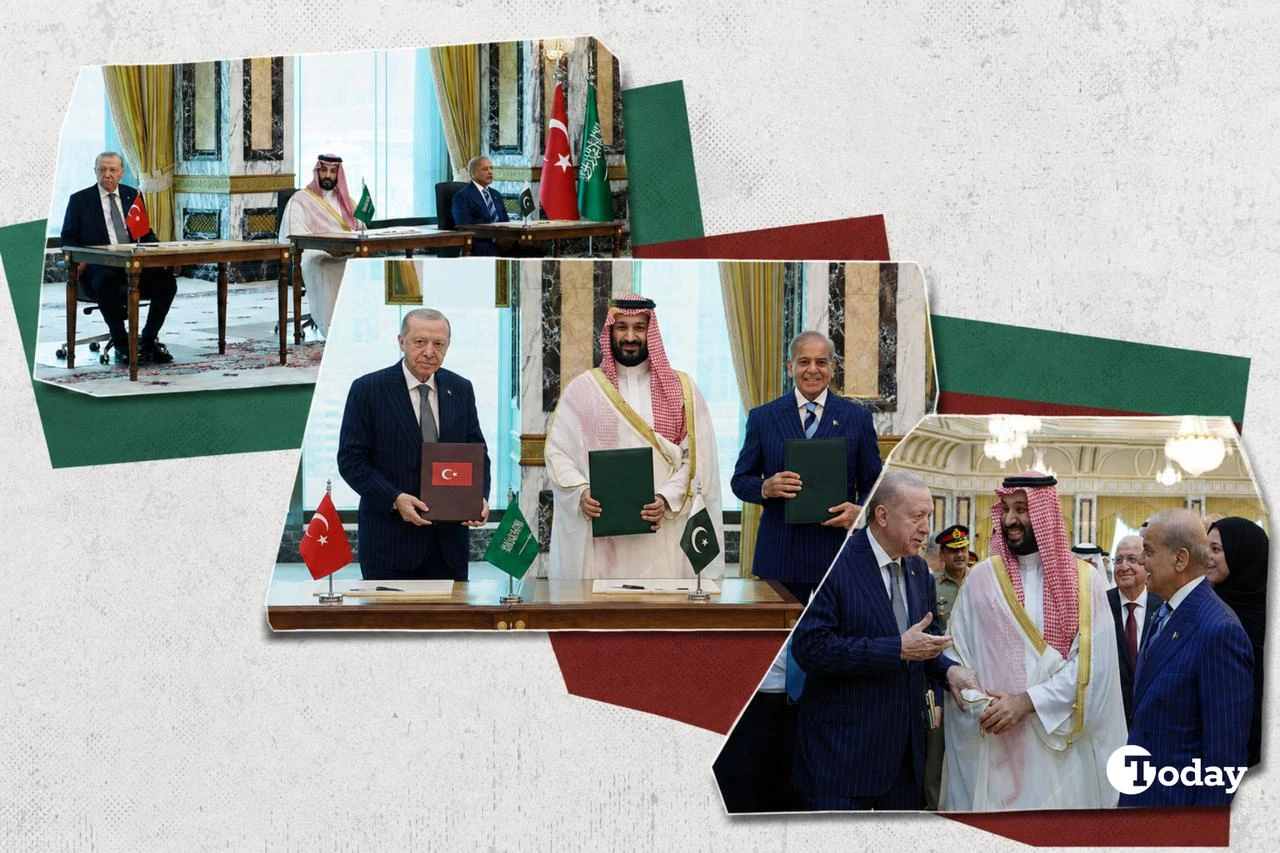
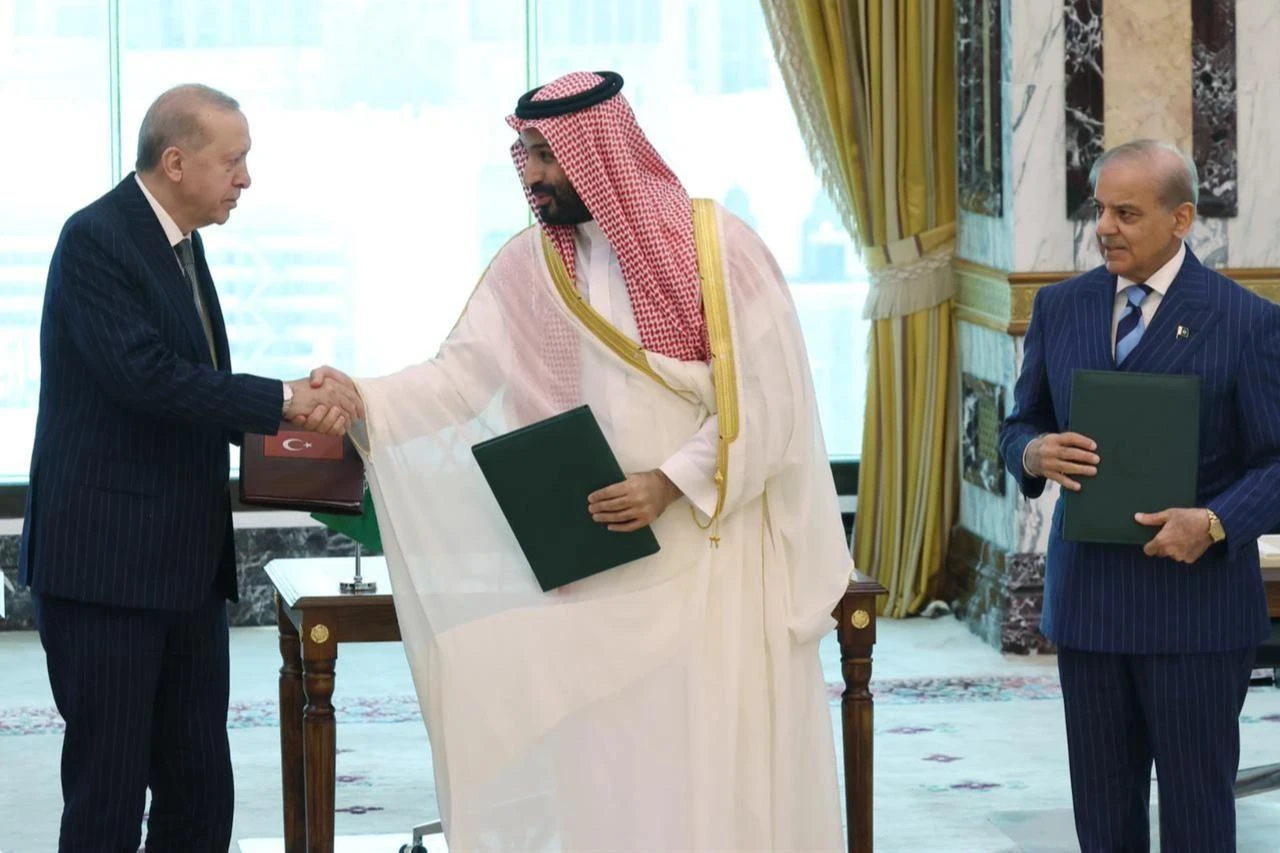
The agreement, signed in Mecca by President Recep Tayyip Erdogan, Saudi Crown Prince Mohammed bin Salman and Pakistani Prime Minister Shehbaz Sharif, includes a mutual defense clause under which an armed attack against one member would be treated as an attack against all.
Kathimerini described the development as "an unexpected shift for Athens", arguing that Greece had closely followed moves toward stronger regional cooperation around Iran but had not anticipated that the process would turn into a formal defense arrangement involving mutual military assistance.

The Greek newspaper linked the agreement to broader concerns over Athens' long-term regional strategy, particularly the India-Middle East-Europe Economic Corridor, commonly known as IMEC.
Greece has backed the proposed corridor and sought to position itself within plans connecting India with Europe through the Middle East. Kathimerini suggested that Riyadh's participation in the new defense framework could complicate expectations surrounding that strategy.
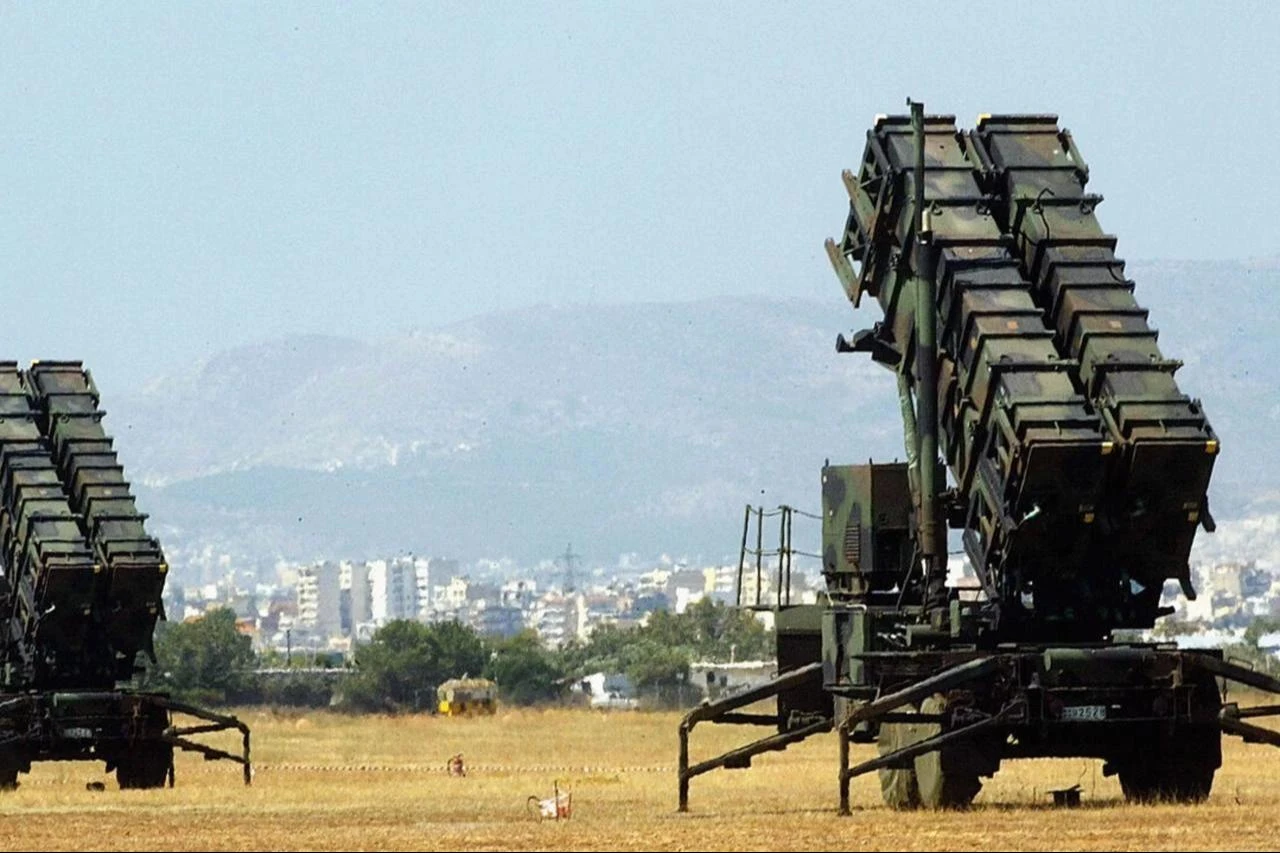
The report also pointed to the diplomatic capital Greece has put into its relationship with Saudi Arabia during the past five years, including the deployment of a Greek Patriot air defense battery to the kingdom.
The Greek unit is stationed in Yanbu on the Red Sea, where it helps protect critical energy infrastructure around the port and refineries. The area is also the endpoint of Saudi Arabia's East-West pipeline, which carries a significant share of the kingdom's oil from the Persian Gulf toward international markets.
According to Kathimerini, more than 100 Greek personnel attached to the Patriot deployment have contributed to protecting Saudi interests against ballistic missiles and unmanned aerial vehicles linked in the report to Iran and the Houthis.
In a separate report published on Saturday, Kathimerini said Greece has moved from an annual to a monthly review of the continued deployment of its Patriot battery in Saudi Arabia.
Citing information from Greece's Defense Ministry, the newspaper reported that discussions over a more frequent reassessment had begun months earlier because of rapidly changing geopolitical conditions in the region.
The proposal was reportedly put forward in March by Greek Defense Minister Nikos Dendias in coordination with Prime Minister Kyriakos Mitsotakis and the Foreign Ministry, and was subsequently communicated to Riyadh.
The timing has drawn additional attention because the information emerged shortly after the trilateral defense agreement was signed.
Pakistan's Foreign Ministry welcomed the pact as a step aimed at strengthening mutual deterrence against aggression, saying that an attack on one member would be regarded as an attack on all.
The agreement builds on an earlier Saudi-Pakistani defense arrangement signed last September. Under that framework, Islamabad sent fighter aircraft and a Chinese-made HQ-9 air defense system to a Saudi base in April.
Saudi Arabia and Pakistan had also been holding talks with Türkiye for months over expanding their defense cooperation, while the escalation of attacks by the Iran-backed Houthis in Yemen was reported to have accelerated the negotiations.
A Saudi commentator close to the royal court, Ali Shihabi, said the three-way alliance reflected a perception that U.S. deterrence had weakened and that regional powers would increasingly have to deal with the Iranian threat themselves.
A Saudi diplomat quoted by Reuters also said the agreement could come ahead of renewed Saudi military action against the Houthis and suggested that Türkiye and Pakistan could be asked to contribute naval forces.
 2 min read
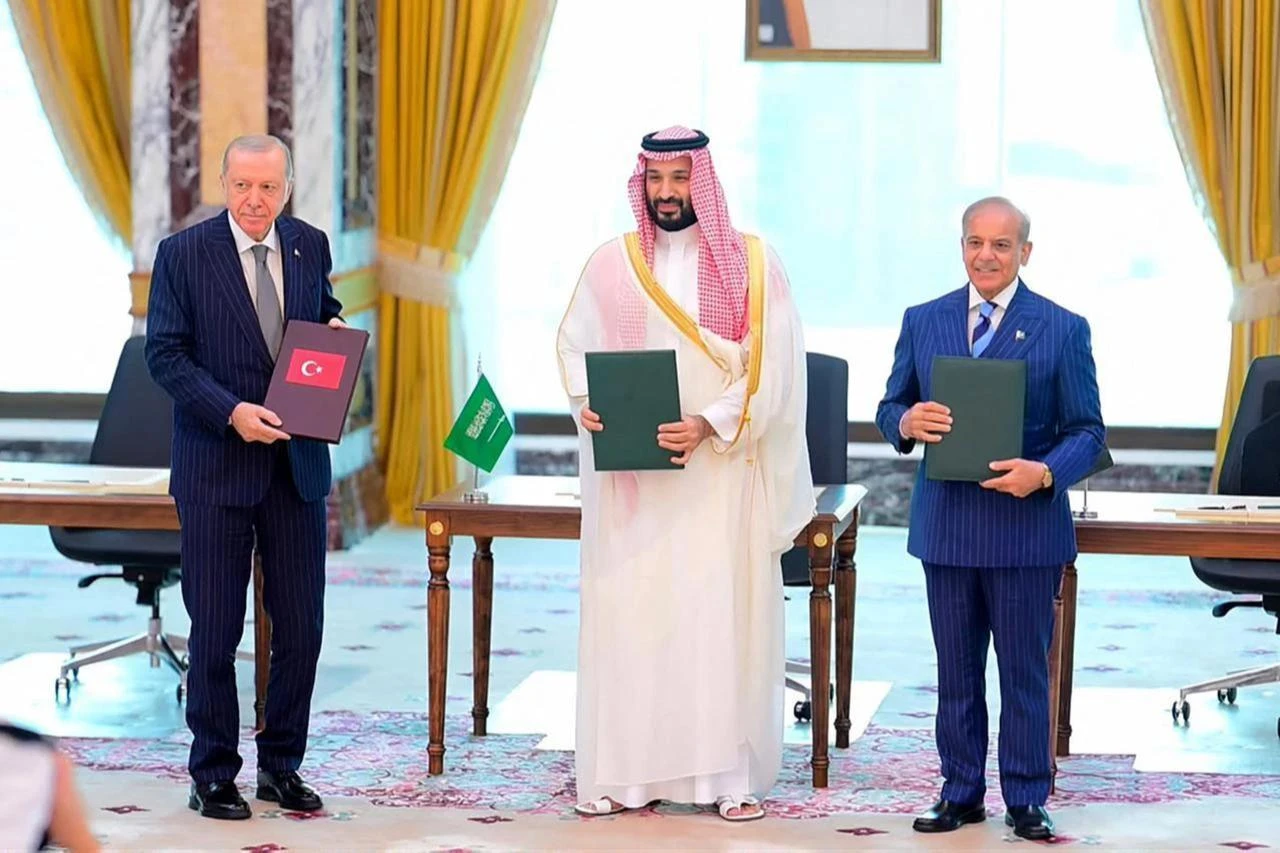
A Turkish official who spoke to Reuters described the agreement as "strictly defensive," saying it was not directed against any specific actor and could remain open to other countries in the region.
The pact also comes as Ankara seeks to expand defense exports to Gulf states.
Türkiye and Pakistan already cooperate in drone development, while Saudi Arabia has signed contracts to buy unmanned aerial vehicles (UAVs) from Turkish defense company Baykar.
Burcu Ozcelik, an analyst at the Royal United Services Institute in London, told the Financial Times (FT) that the agreement fits with U.S. calls for regional states to take on greater responsibility for their own defense while also matching Türkiye's long-standing preference for regional solutions to regional problems.
Despite Pakistan being a nuclear-armed state, the agreement does not include a commitment to extend Islamabad's nuclear deterrent to the other members.
Saudi Arabia, Türkiye, Pakistan and Egypt have meanwhile strengthened their relations over the past year as they try to manage the consequences of three years of conflict across the Middle East, with concerns extending beyond Iran to Israel as well.


 Set as preferred source
 Set as preferred source


 1 min read


