Newsletters




United Nations human rights experts said there are reasonable grounds to believe the United States committed war crimes in two strikes on Iran that killed at least 177 civilians, while also finding that Iranian authorities committed crimes against humanity during a crackdown on nationwide protests.
The Independent International Fact-Finding Mission on Iran, in a report to be presented to the U.N. Human Rights Council in Geneva on Monday, said February's missile strikes on a primary school in Minab and a sports complex in Lamerd constituted indiscriminate attacks causing civilian deaths and damage to civilian infrastructure.
"The mission found reasonable grounds to believe the United States committed the war crime of launching indiscriminate attacks resulting in the loss of life or injury to civilians or damage to civilian objects," the mission said in a statement.
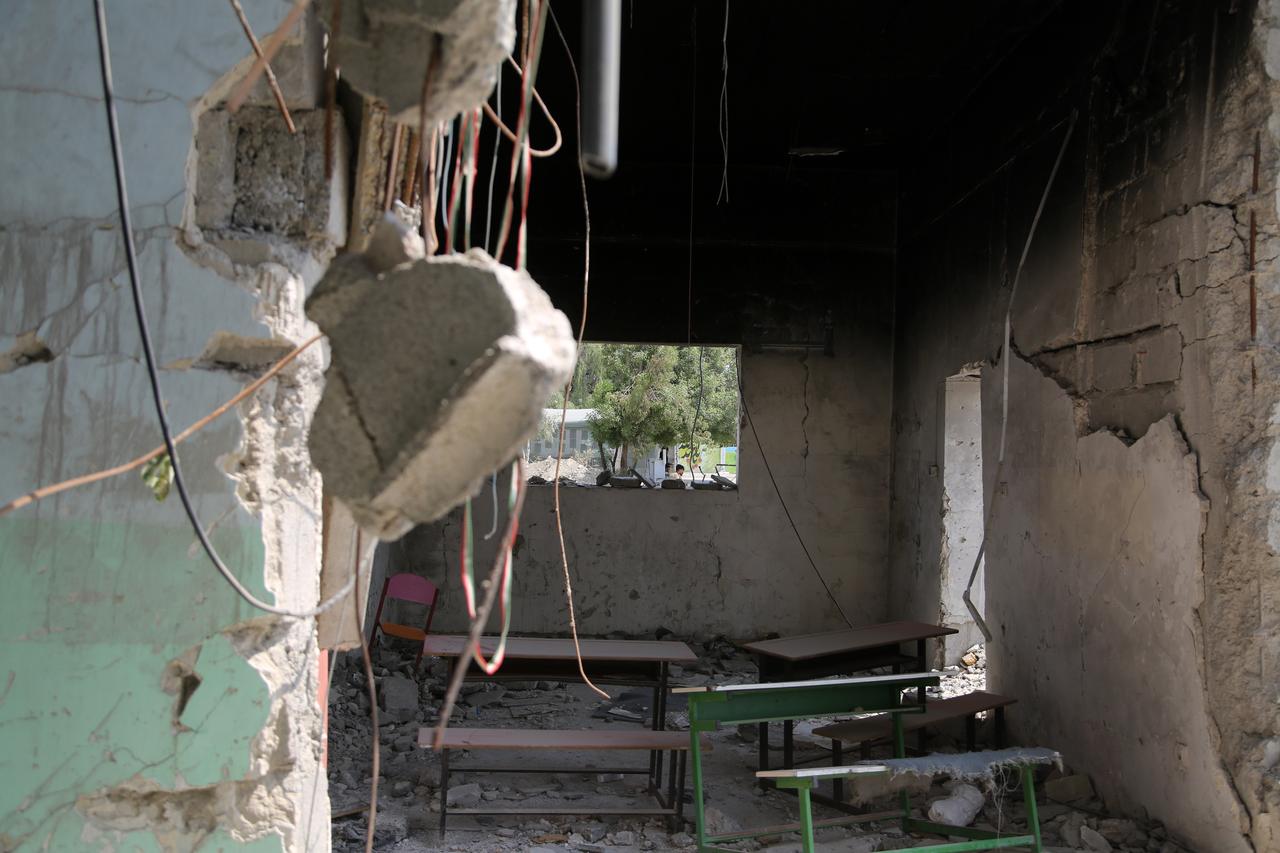
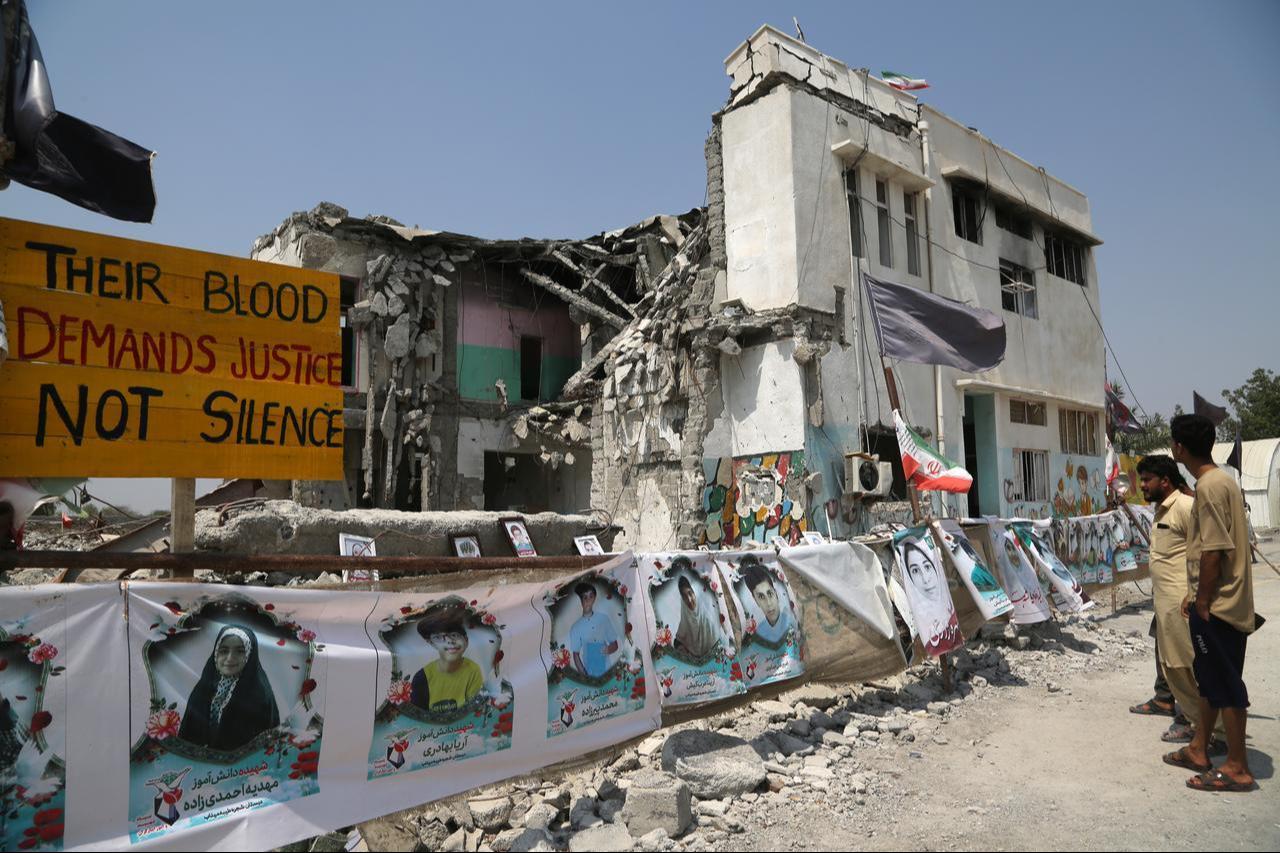
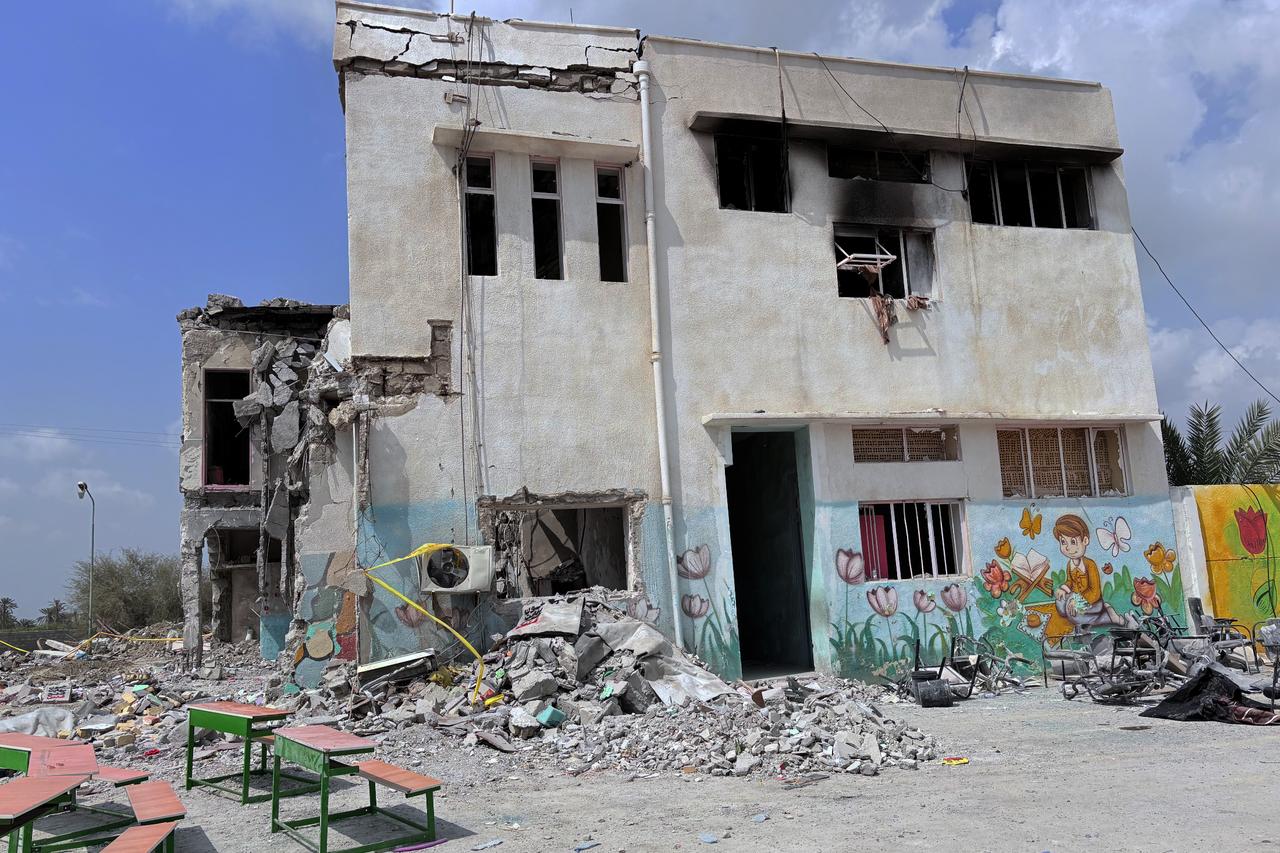
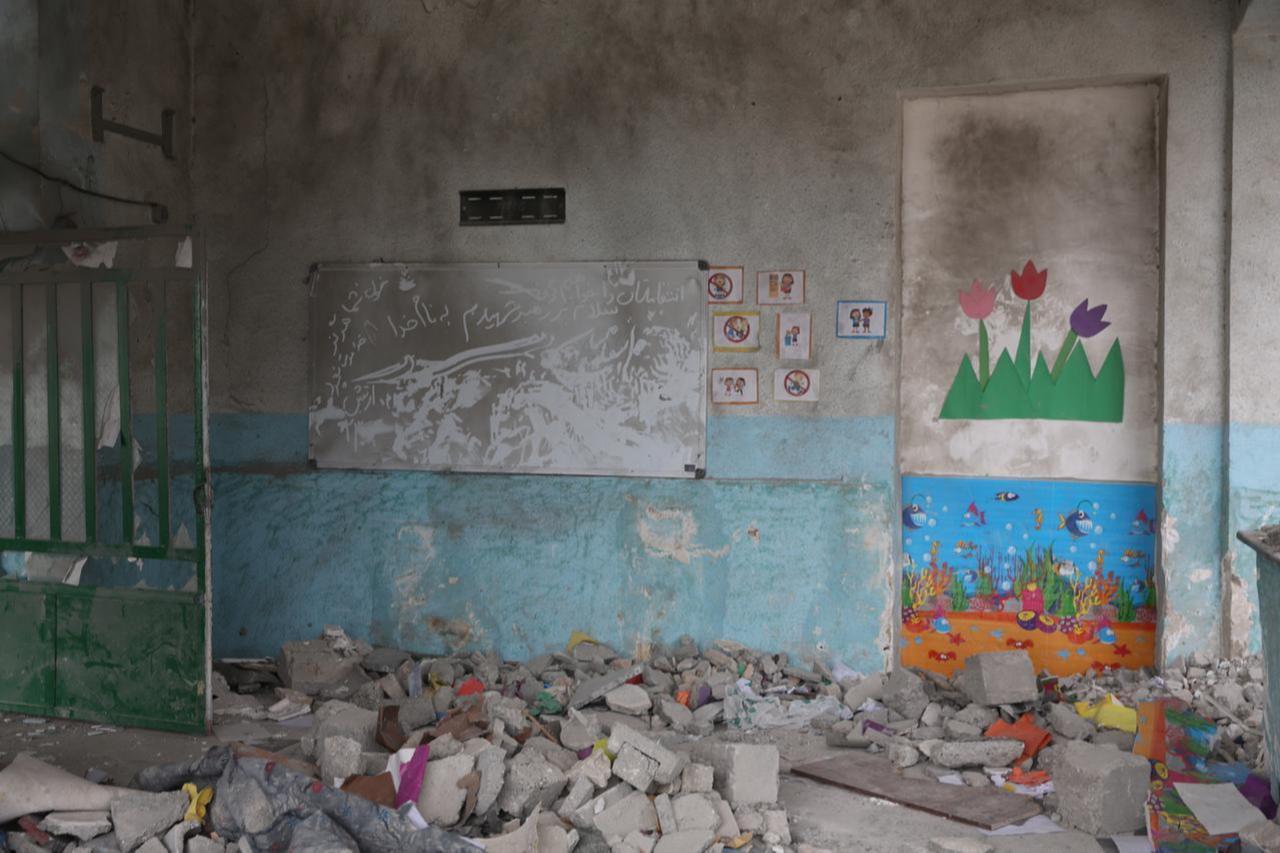
On Feb. 28, when the U.S. and Israel launched their war against Iran, Tomahawk missiles struck the Shajareh Tayyebeh Primary School in the southern town of Minab, killing at least 150 people, including around 120 children, according to Iranian officials.
Iranian state media put the toll at 168, most of them children.
The mission's experts said the school was adjacent to an Islamic Revolutionary Guard Corps (IRGC) naval complex also struck that day, but that the school was clearly identifiable as a civilian object and that no information indicated it had been used for military purposes.
Citing evidence including media reports of a preliminary U.S. military inquiry finding U.S. forces responsible, and the fact that the U.S. is the only party to the conflict possessing Tomahawk missiles, the experts said they had reasonable grounds to believe U.S. forces carried out the strike.
The report concluded the school was "the intended point of impact" and that the damage did not result from an errant strike or collateral damage from the attack on the nearby IRGC complex, citing survivor accounts that the school was struck twice.
The mission also said the U.S. failure to update targeting-database information about the school, and to confirm it as a military objective, amounted to "more than mere negligence," stating: "The U.S. directed the strikes at the building of the school while being aware of a substantial risk of striking a civilian object and acting recklessly as regards the possibility that this would happen."
The Pentagon has not released the findings of its investigation into the strike.
U.S. Defense Secretary Pete Hegseth has said U.S. forces "would never target civilian targets," and U.S. President Trump said in June that "nobody" purposefully attacked the school, citing an ongoing investigation.
Reuters had earlier reported that an internal U.S. military investigation showed U.S. forces were likely responsible after using outdated targeting data.

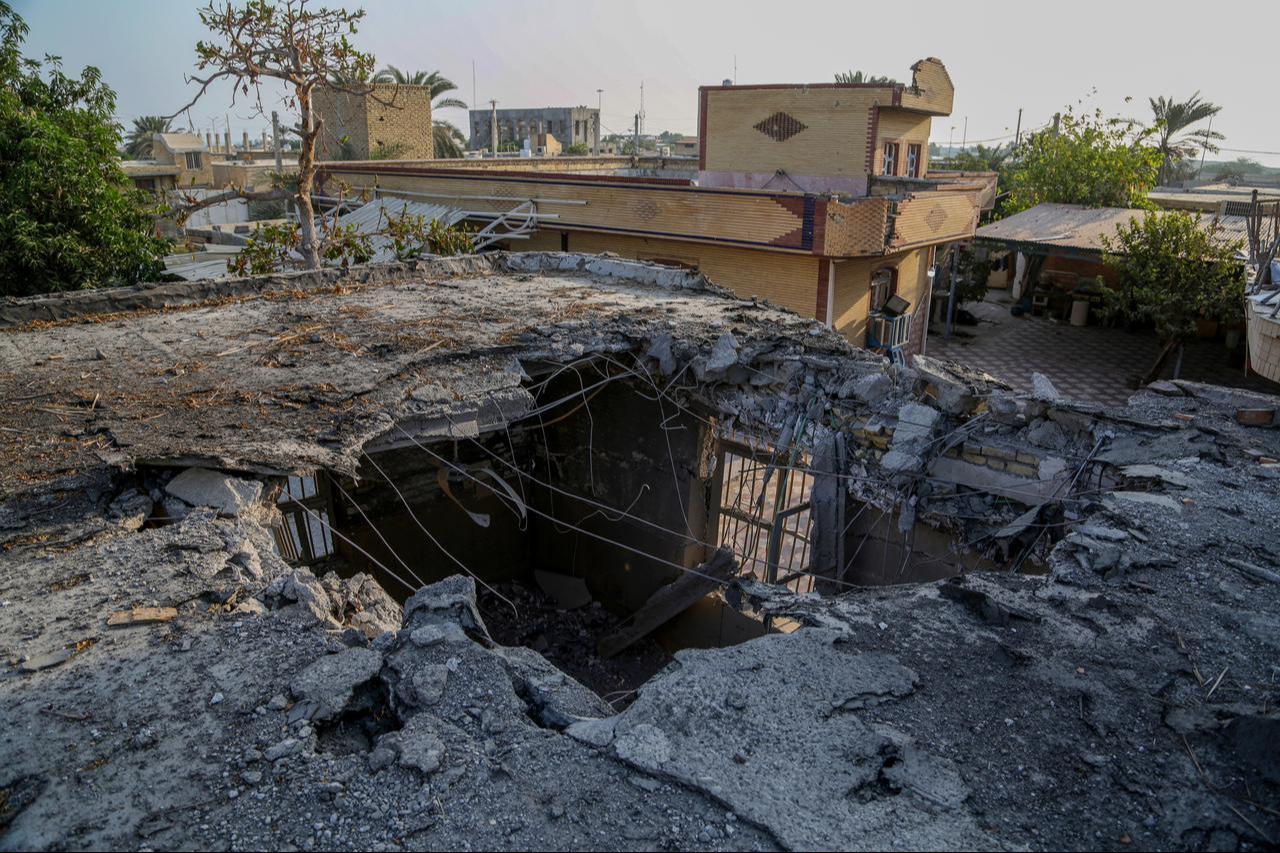
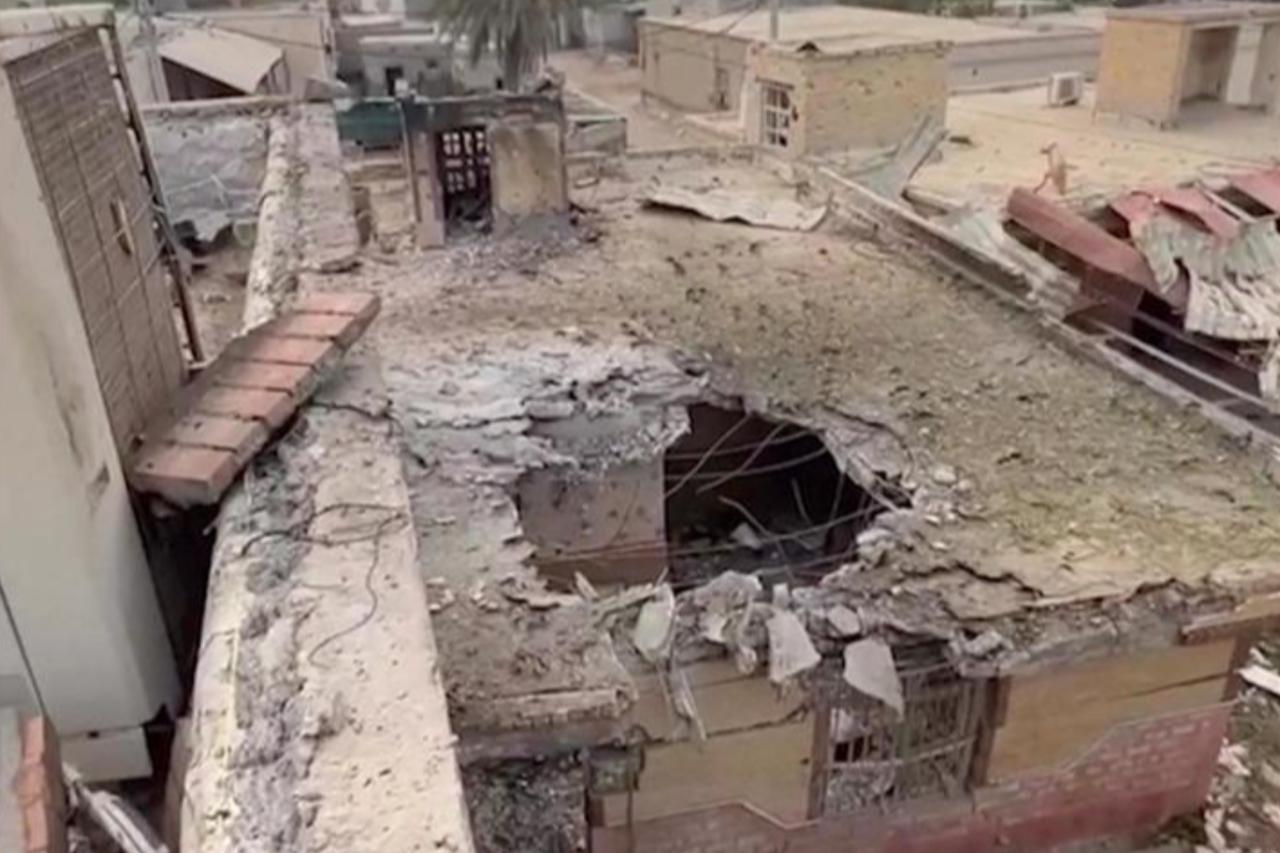
Also on Feb. 28, precision-strike missiles (PrSM) dispersed clouds of tungsten pellets over a sports complex and residential area in the town of Lamerd, killing at least 21 to 22 civilians, including seven children, according to Iranian officials.
The mission again found the complex was clearly identifiable as civilian and saw no evidence of military use, concluding there were reasonable grounds to believe the U.S. carried out the strike, in part because the U.S. is the only party to the conflict that possesses PrSM missiles.
U.S. Central Command (CENTCOM) has denied conducting any strikes on Lamerd that day and disputed reports identifying the weapon used as a PrSM.
 2 min read
A State Department official said the U.S. does not give credibility to the report's findings, saying the Human Rights Council "pushes anti-American rhetoric and antisemitism" while "appeasing repressive regimes."
White House spokeswoman Anna Kelly said: "The only party in this conflict that has committed war crimes is the Iranian regime, which has murdered thousands of its own people, killed Americans overseas, executed acts of terrorism in the Strait of Hormuz, and launched indiscriminate attacks against its neighbors in the region."
The Pentagon reportedly declined to comment on the outside investigation, saying its own inquiry "remains ongoing."
The U.S. withdrew from the U.N. Human Rights Council under a Trump executive order in February 2025.
The mission's report also examined the Iranian government's response to mass anti-government protests that erupted in late December 2025 and continued into January.
The experts said killings by security forces occurred on "a staggering and unprecedented scale" across all 31 of the country's provinces, describing an unprecedented escalation from past crackdowns marked by widespread lethal force, mass killings, injuries and extensive arrests.
Citing witnesses, health workers and victims' families, the mission said security personnel positioned themselves on rooftops and other elevated positions, firing assault rifles into crowds; protesters also sustained severe wounds from metal shotgun pellets, in some cases causing permanent blindness.
As the crackdown escalated, security forces attacked healthcare facilities, beat and arrested wounded demonstrators, and detained some healthcare workers, deterring victims from seeking life-saving care, according to the mission.
Tens of thousands detained during the protests faced torture, solitary confinement and denial of legal counsel, the experts found, with more than 70 people, including five women and three boys, described as remaining at "imminent risk of execution."
The government has since executed at least 29 men following expedited trials linked to the unrest.
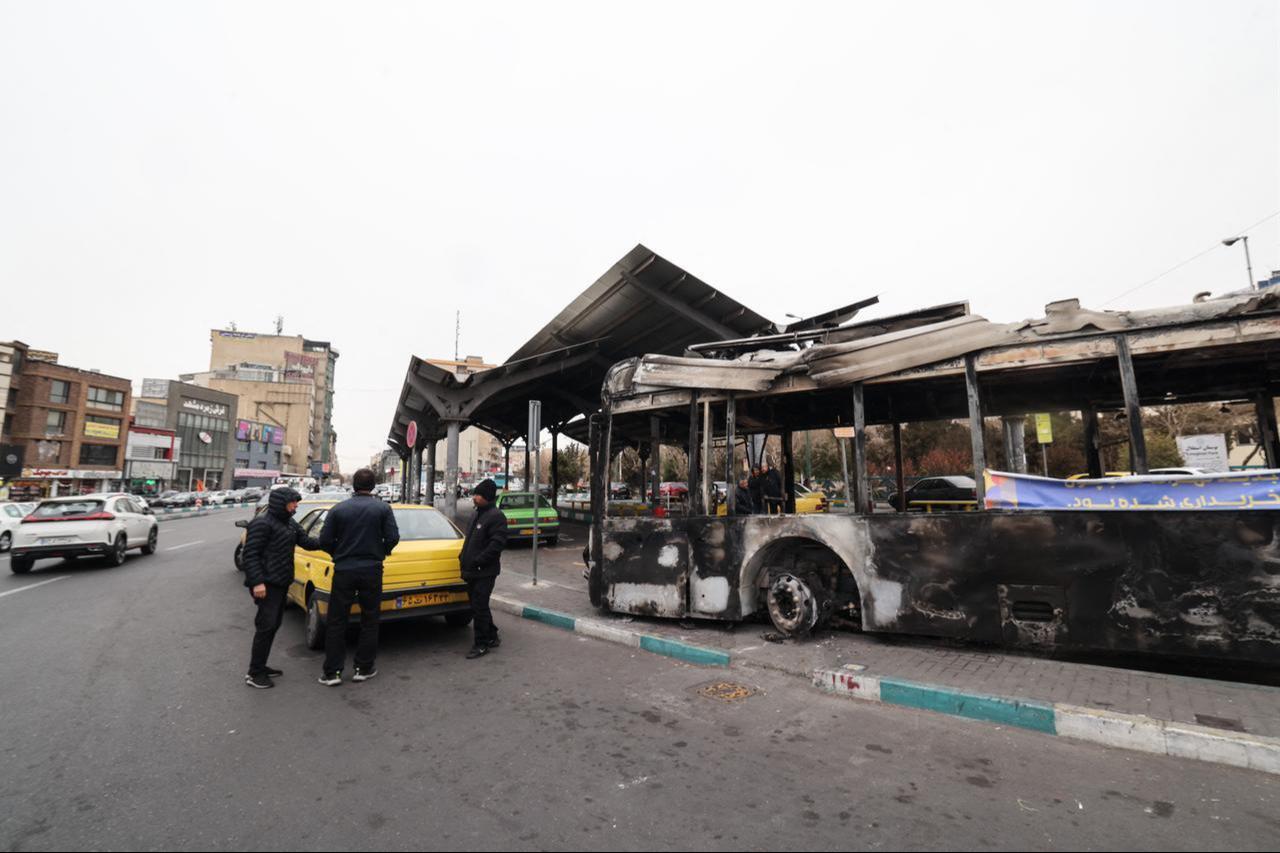
The mission said it could not independently verify the crackdown's death toll but found strong grounds to believe it was significantly higher than the official figure of roughly 3,038 killed and 25,000 injured, most of whom the government identified as security forces or bystanders.
The U.S.-based Human Rights Activists News Agency has said it has confirmed more than 7,000 killed, almost all of them protesters.
The mission concluded that Iranian authorities committed "many gross human rights violations" during the crackdown amounting to "the crimes against humanity of murder, imprisonment and other severe deprivation of physical liberty, torture, and other inhumane acts, committed as part of a widespread and systematic attack directed against a civilian population."
Iranian authorities have accused the U.S. and Israel of fomenting the unrest and blamed the deaths on "terrorists" and "rioters."
The report's release comes as officials say a meeting between Gulf Arab nations, the U.S. and Iran could take place around next week's U.N, General Assembly.
The U.S. has separately approved travel for an Iranian delegation to attend the assembly, though a State Department spokesperson said the delegation will face travel restrictions barring the purchase of luxury goods.
The delegation is expected to include Iranian President Masoud Pezeshkian and Foreign Minister Abbas Araghchi.


 Set as preferred source
 Set as preferred source


 1 min read