Newsletters


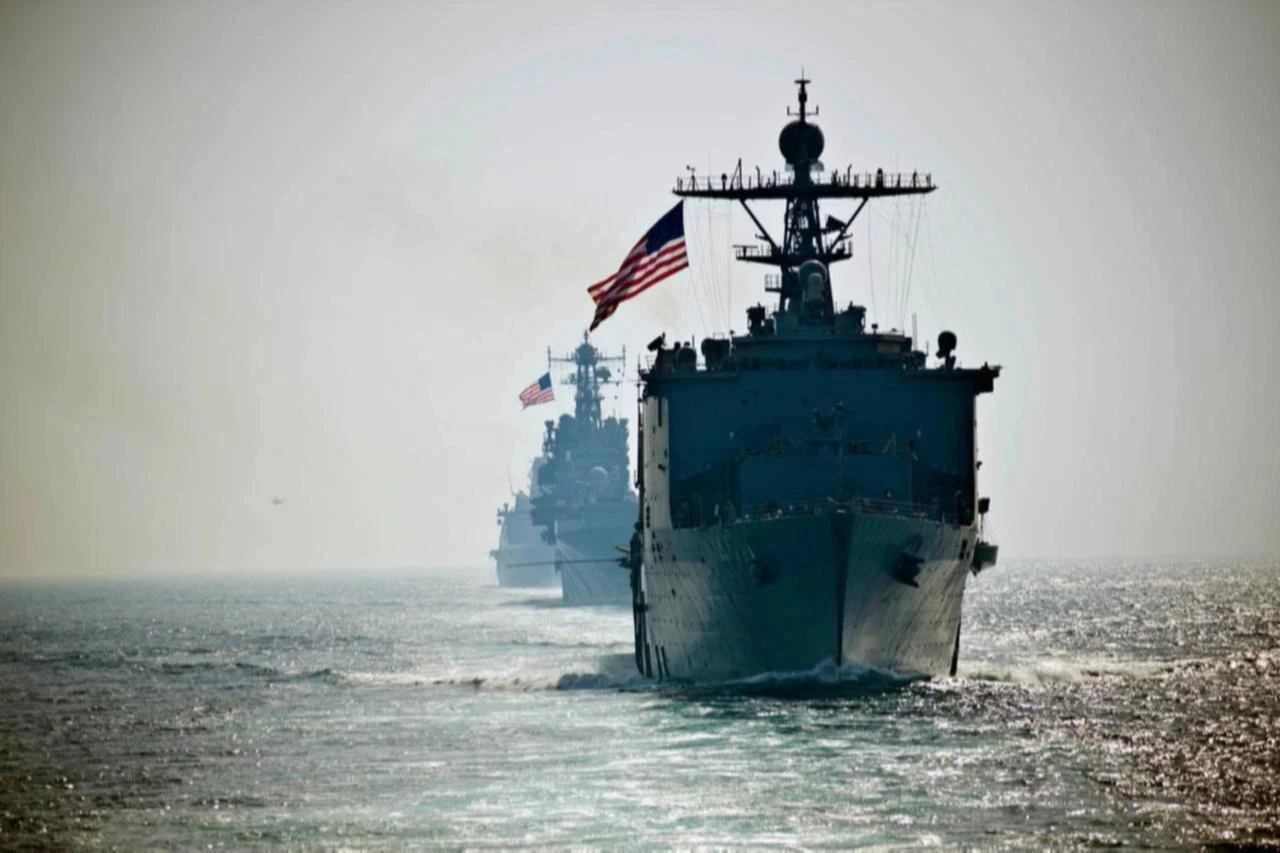


U.S. Central Command announced Thursday that American forces had launched a new round of strikes against Iranian military targets, hours after Yemen's Houthi movement claimed attacks on two Saudi oil tankers using ballistic missiles, cruise missiles and drones.
CENTCOM said the strikes began at 5:30 p.m. ET, ordered by the Commander in Chief. The command said the mission was designed to "further degrade Iran's ability to threaten civilian mariners and commercial vessels transiting regional waters," and that operations would continue.
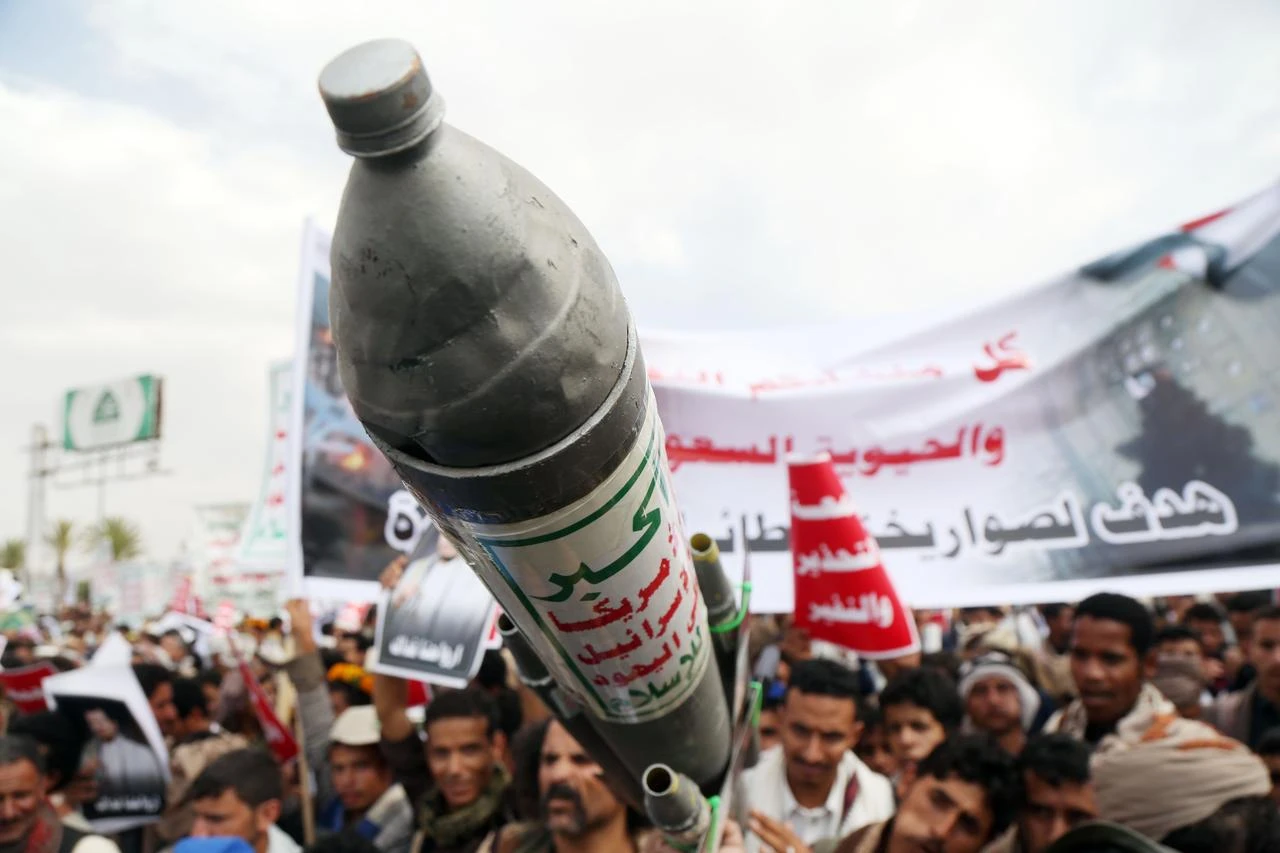
Earlier Thursday, the Houthis said they had targeted the Saudi-linked tankers Encela and Laylia, citing what they called violations of a naval blockade the group declared against Saudi Arabia earlier in the week. The group said it deployed ballistic and cruise missiles alongside drones in the operation.
The Houthis declared the maritime blockade on Monday, threatening to halt Saudi oil exports through the Red Sea and the Bab el-Mandeb strait, the narrow chokepoint connecting the Red Sea to the Gulf of Aden. The group said all vessels loading or discharging cargo at Saudi ports were prohibited from doing so under the ban.
The escalation threatens one of the world's most consequential shipping lanes. Saudi Arabia has in recent months diverted significant volumes of oil through a pipeline to its Yanbu terminal on the Red Sea, with exports through Bab el-Mandeb rising sharply, making the strait an increasingly vital artery for global energy markets.
The Saudi-led coalition warned it would respond "firmly" to the blockade declaration. The European Union's naval mission separately advised merchant vessels linked to Israeli, U.S. or Saudi interests to avoid the Red Sea and Gulf of Aden until the threat level subsides.
The maritime confrontation is the latest chapter in a rapidly deteriorating standoff between the Houthis and Saudi Arabia. Tensions surged after the Houthis accused Riyadh of bombing Sanaa International Airport, prompting retaliatory Houthi missile and drone strikes on Saudi targets, including Abha International Airport, in what analysts described as the most significant direct exchange between the two sides since a 2022 ceasefire.
Houthi leader Abdul Malik al-Houthi subsequently warned that all Saudi oil facilities and vital infrastructure were potential targets, framing the group's posture as one of symmetrical retaliation. "The equation is airports for airports, ports for ports, and a blockade for a blockade," he said.
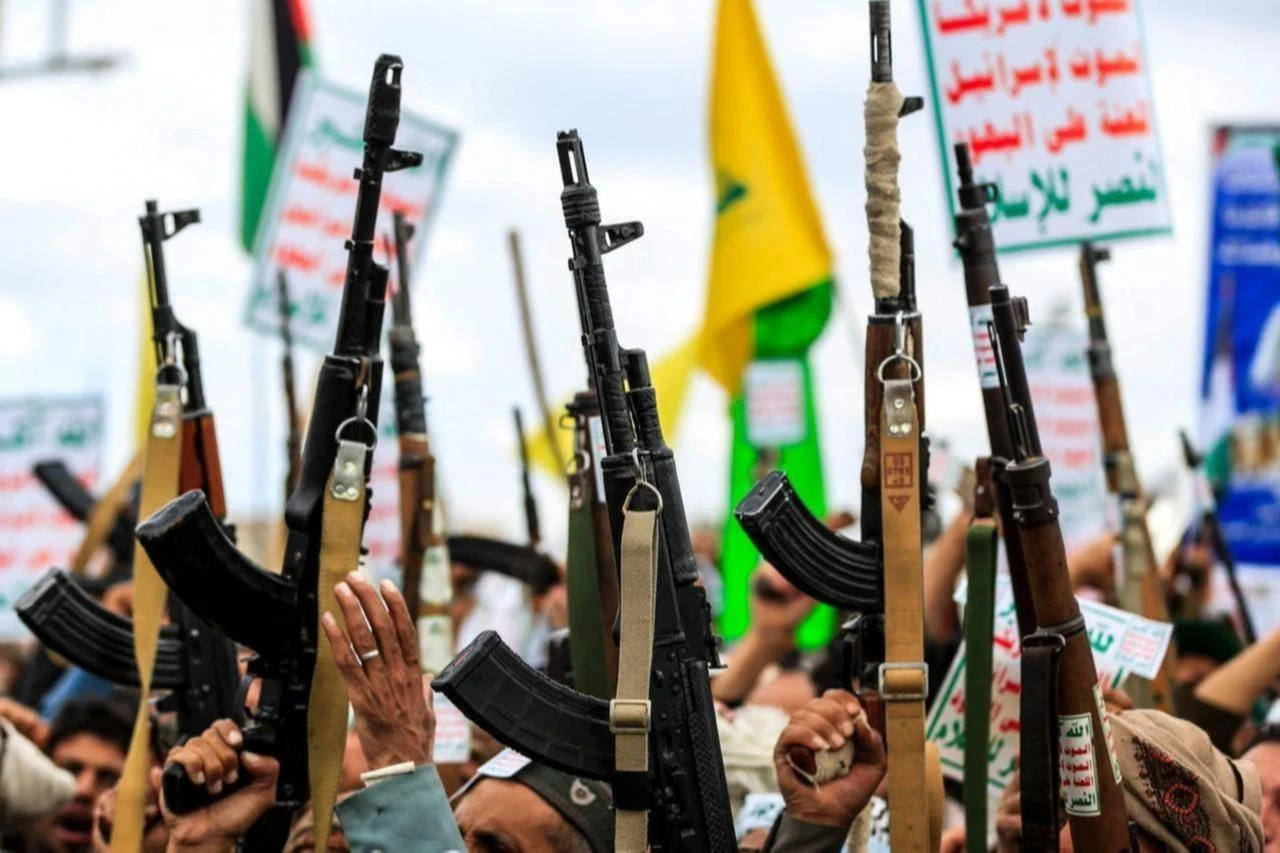
The Iran-aligned group, which controls much of northern Yemen including the capital Sanaa, waged a prolonged campaign of missile and drone attacks on Red Sea shipping during the Gaza war, severely disrupting global commercial traffic and drawing repeated U.S. and British military responses.


 Set as preferred source
 Set as preferred source


 1 min read

 1 min read