Newsletters


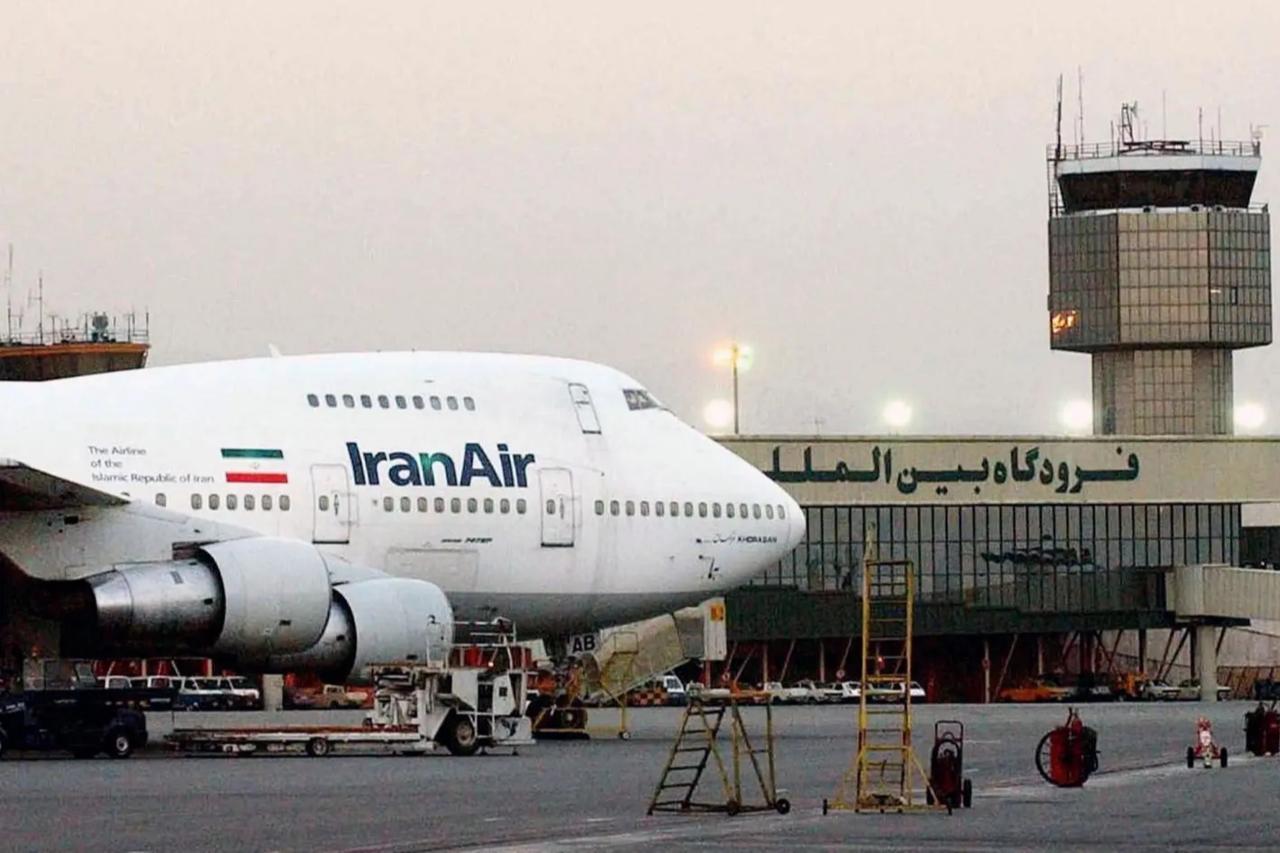


The United States has granted a sanctions exemption allowing Iranian airlines, except Mahan Air, to operate up to 40 flights a day to and from Iraq’s holy city of Najaf, the Iraqi prime minister’s office announced Friday.
The agreement allows the flights through Najaf International Airport as Washington steps up sanctions against Iran’s aviation sector as part of its broader campaign targeting Tehran’s economy.
Iraqi Prime Minister Ali al-Zaidi welcomed the U.S. decision, describing it as a positive response to Baghdad’s efforts to restore air links. He added that the measure would make travel easier, particularly for patients, religious pilgrims and tourists.
"Air travel does not merely represent transportation between two airports, but rather a bridge of communication between peoples," Zaidi said. He also stressed that Iraq conducts its foreign relations based on the interests of its people while seeking balanced and positive ties with different countries.
The announcement comes a day after Iran called on Iraq to lift restrictions on flights between the two countries, arguing that the measures had disrupted travel for pilgrims, patients, students and businesspeople.
Tehran blamed the restrictions on U.S. sanctions and urged Baghdad to take steps to restore regular air connections.
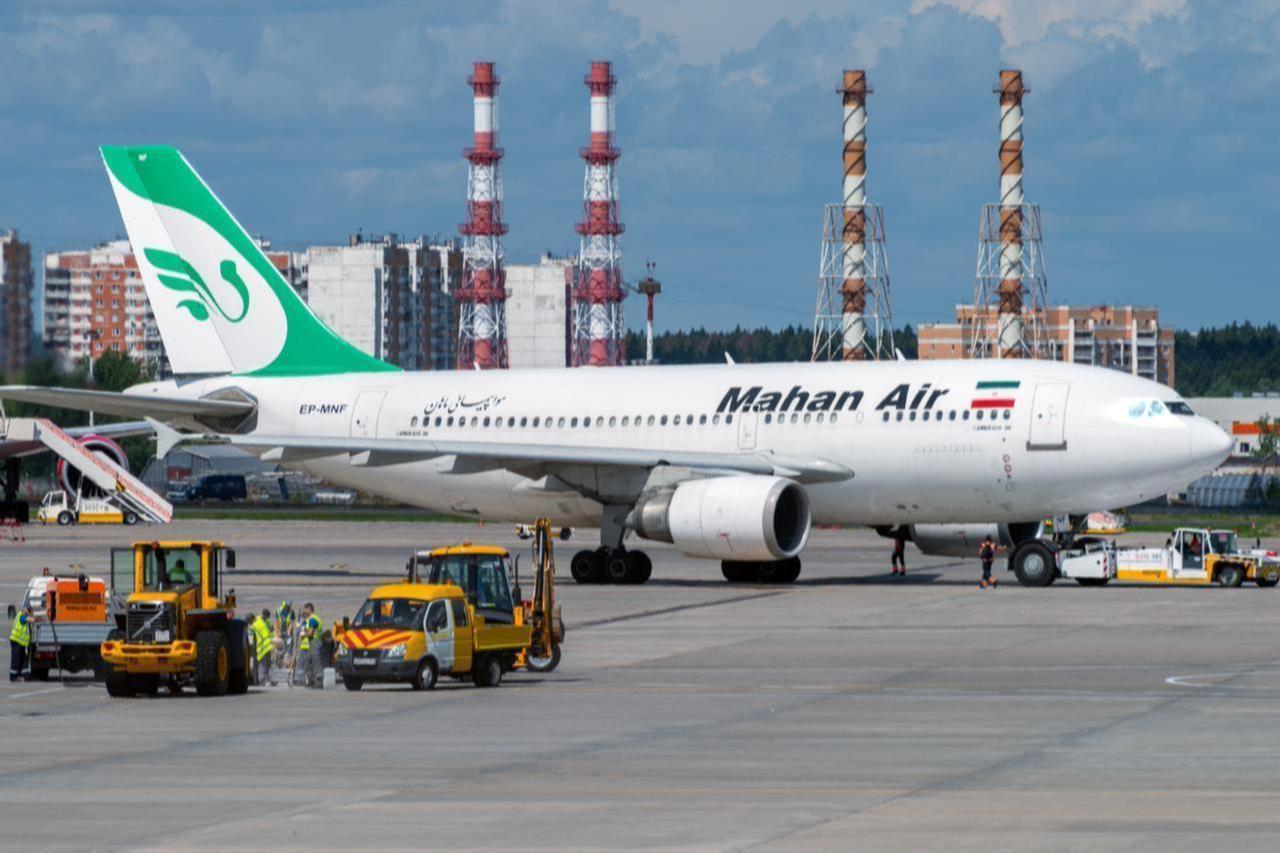
Mahan Air, a privately operated Iranian carrier, remains outside the exemption. The U.S. has sanctioned the airline since 2011, when the Treasury Department designated it for allegedly providing financial, material and technological support to Iran’s Islamic Revolutionary Guard Corps-Quds Force.

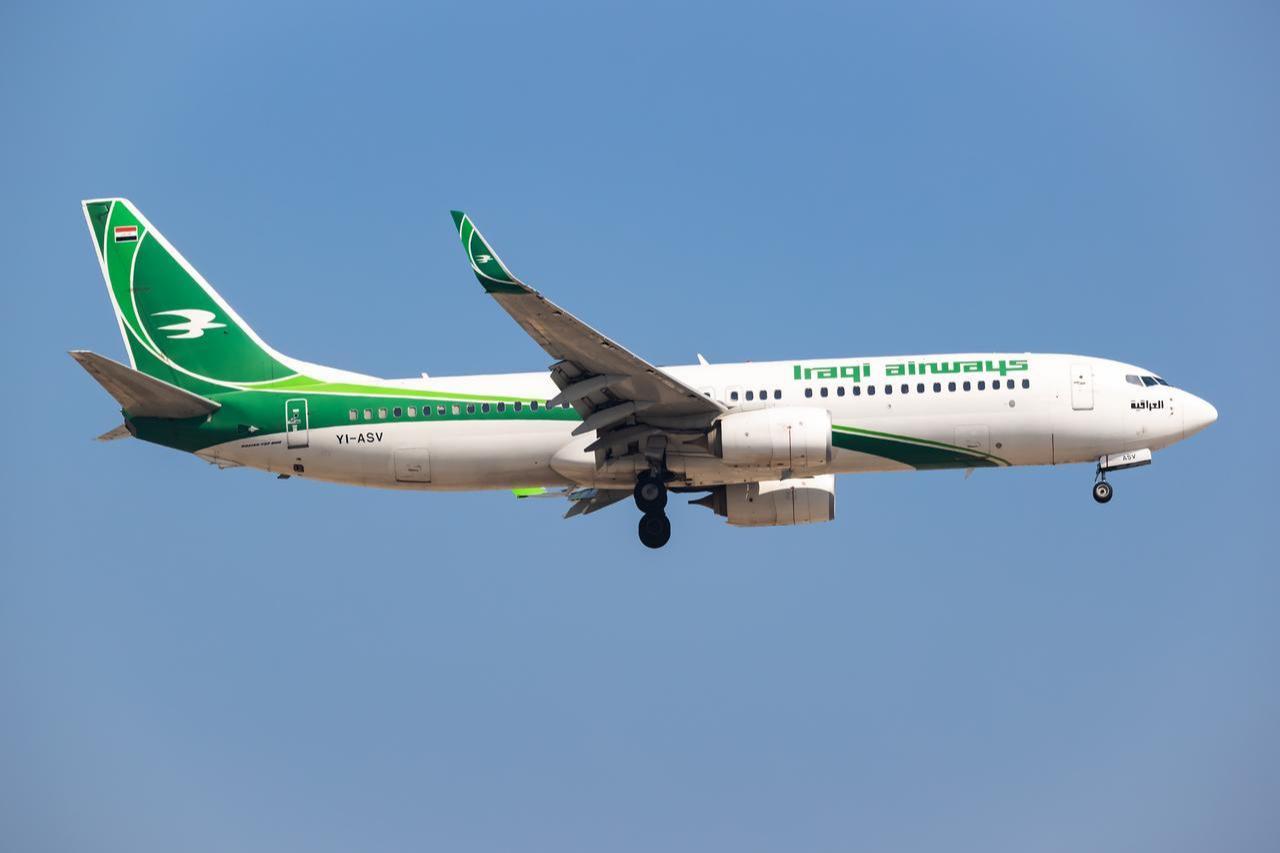
The latest agreement follows an earlier U.S. waiver covering Iraqi Airways, which allowed the carrier to transport Iranian religious pilgrims to and from Najaf under strict conditions.
That authorization permits passengers to carry personal luggage, while other cargo is limited to items needed for flight safety. Bulk cash and cargo intended for Iranian intelligence, military or law enforcement bodies are prohibited.
The waiver also excludes blocked persons, including individuals affiliated with the Iranian government, as well as Iranian military personnel and people affiliated with Iran-aligned armed groups in Iraq.
Iraqi Airways must report to the U.S. Office of Foreign Assets Control within 10 business days after the license expires, providing passenger details and information on spending in Iran on fuel, maintenance and other airport services.
The authorization remains valid until the permitted transactions are completed or Oct. 28, 2026, whichever comes first. OFAC can revoke or modify the authorization if its conditions are not met.
U.S. has expanded its sanctions campaign against Iran under Operation Economic Outcast, launched by the Treasury Department on Aug. 24 to target what it described as remaining economic lifelines supporting the Iranian regime.
The campaign moved into Iran’s aviation sector on Sept. 8, when OFAC sanctioned 36 targets accused of supporting the industry.
Washington then set a Sept. 23 deadline for foreign airports and aviation companies to stop providing services to Iranian airlines, further restricting Iran’s international air connections.
Iraq responded by ordering its civil aviation authority to suspend Iranian flights to Baghdad from midnight Sept. 23. Two days later, Najaf International Airport suspended flights to and from Iran from 2 a.m. on Sept. 25 until further notice.
The restrictions disrupted flights at Najaf, where authorities prevented passengers from boarding a Mahan Air aircraft and ordered the plane to return to Mashhad without passengers.


 Set as preferred source
 Set as preferred source


 1 min read
 1 min read