Newsletters


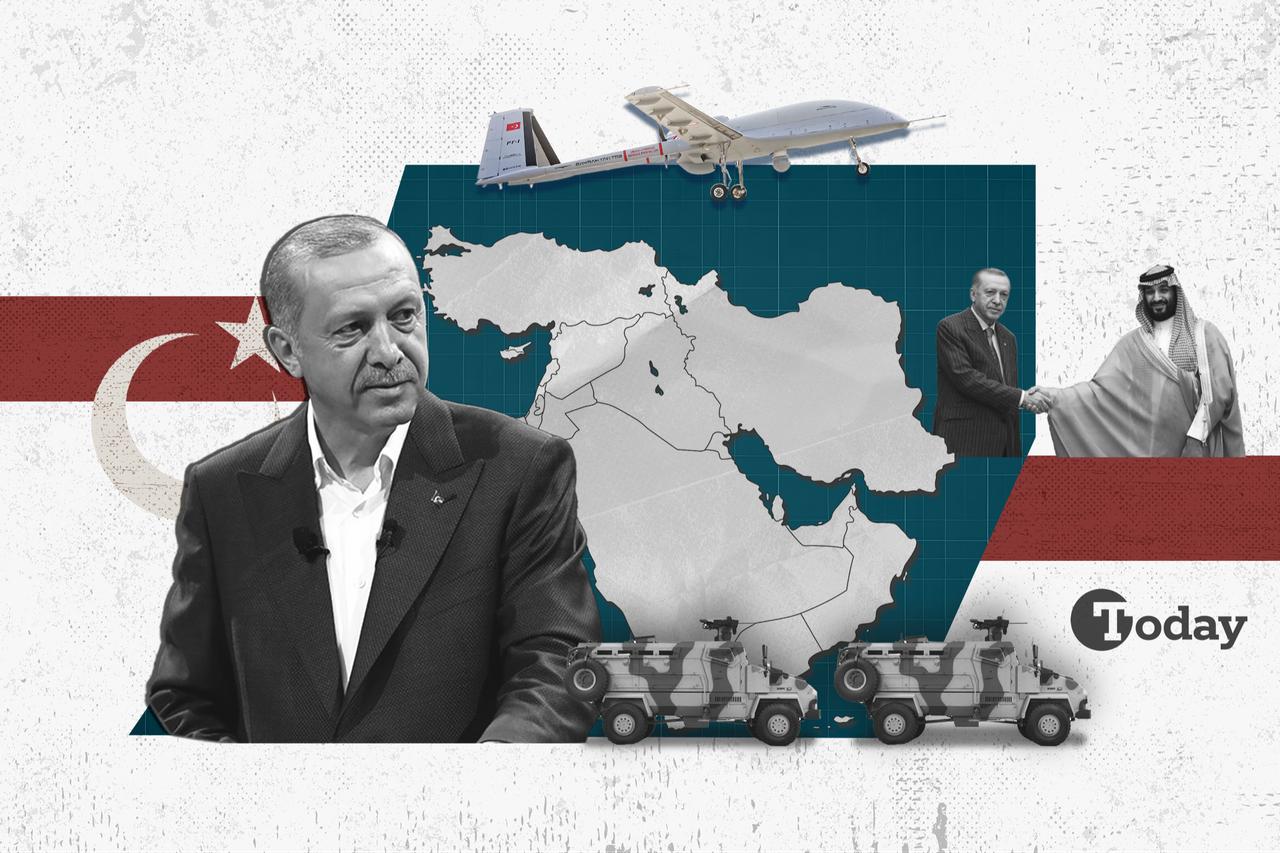


Recent developments across the Middle East and North Africa have laid bare intriguing new realignments. Israel’s diplomatic recognition of Somaliland, renewed calls for autonomy in southern Yemen, and the persistent fragmentation of Sudan stand out as the sharpest examples of this shift.
In truth, the post-Arab Spring era has been defined by the emergence of two dominant camps: the status quo powers and the revisionists. The former is characterized by a stubborn insistence that no new path be forged across the region’s state, social, or political landscape. For this axis—comprising Saudi Arabia, Israel, and the United Arab Emirates—the goal was to restore the existing order and press on. Consequently, the Abraham Accords gained traction not by prioritizing radical transformation but by anchoring regional stability in security and diplomatic normalization.
Backed by Washington, there was a push to expand this diplomatic umbrella to other nations. Naturally, this faced backlash and clear limits. Now, the diplomatic framework the accords sought to build, along with its accompanying defense and technological partnerships, faces a fresh challenge from regional powers.
Saudi Arabia remains the region’s heavyweight. The Kingdom’s influence rests on a tripod of historical obligations, custodianship of Islam’s holiest sites, and immense financial reserves. These factors cement Riyadh’s status as a central pole of power in the Middle East.
Yet this power is not without its limits or liabilities. Volatility in energy markets, rising social and political mobilization across the region, and—crucially—escalating security threats in the Kingdom’s natural hinterland all loom large. Events in Yemen, in particular, are being watched in Riyadh with acute concern.
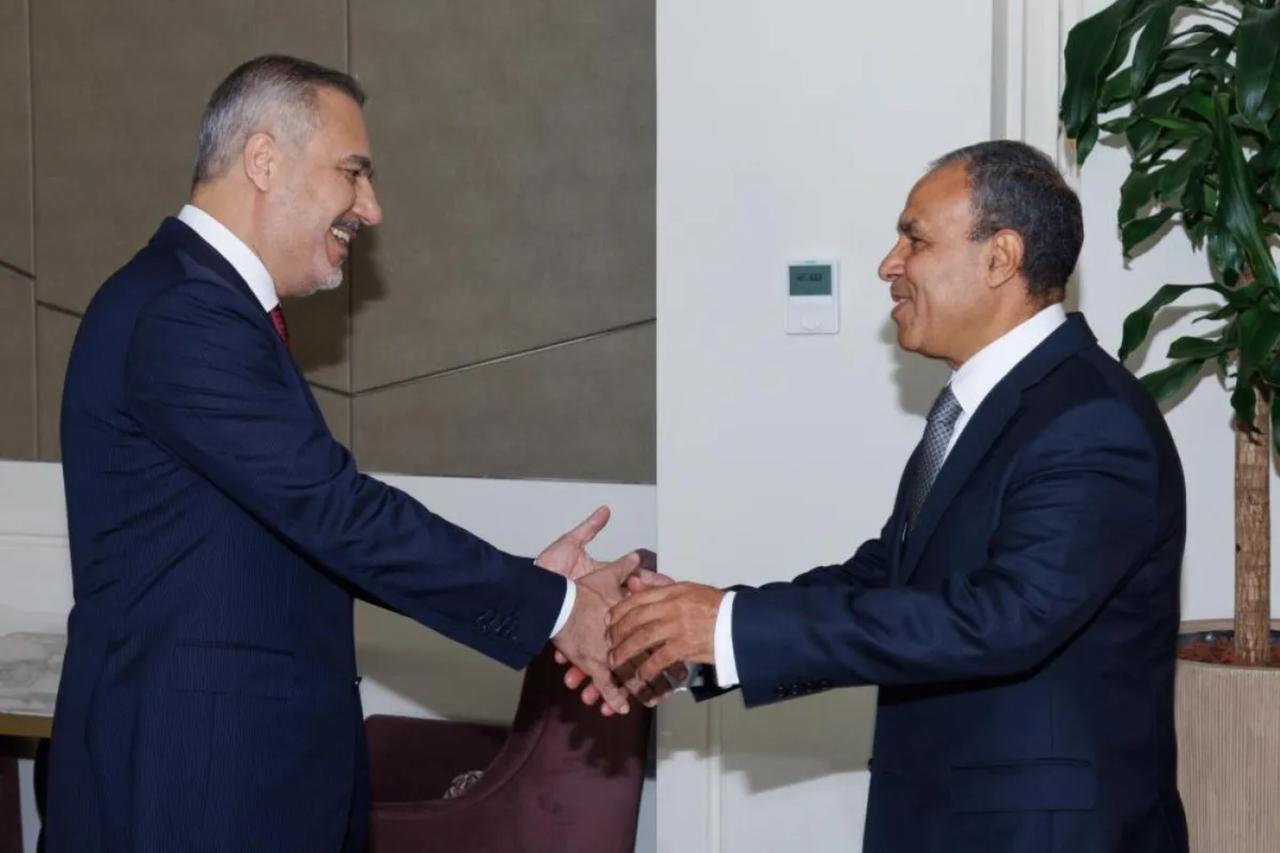

Relations between Saudi Arabia and Yemen have always been fraught. The friction is structural, driven by overlapping historical territorial claims and the erratic geopolitical pivots of Yemeni leadership. The current turmoil is simply the latest manifestation of these unresolved grievances.
The UAE’s expanding footprint in Yemen poses a distinct challenge for the Kingdom. This is a delicate complication, given that the Emirates is both a GCC member and a close Saudi partner. Türkiye, conversely, has stepped into this breach not as a partisan but as a potential mediator.
During the Arab Spring, Ankara pursued a foreign policy that diverged sharply from Riyadh and Abu Dhabi, championing grassroots social transformation and internal change. Yet, as it became clear that reshaping the region was more complicated than anticipated, a détente emerged. Since 2020, Türkiye’s relations with both Saudi Arabia and the UAE have progressed on a calibrated, steady path.
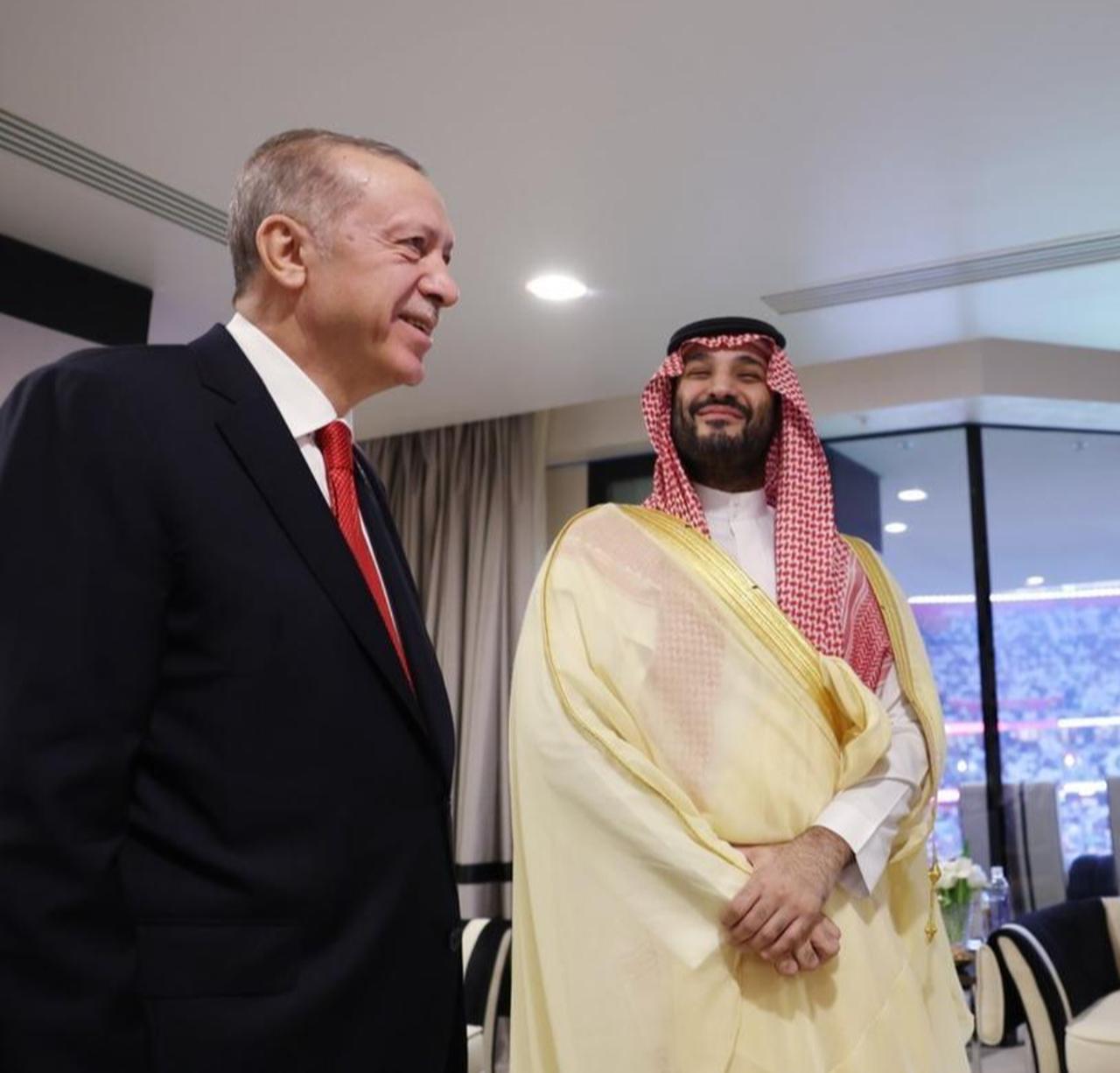
Now, Riyadh is seeking a regional consensus to counter new geopolitical threats. Egypt and Türkiye are central to this calculation. Their core interests align with the Saudis’: both Cairo and Ankara view the crystallization of new regional blocs as a direct threat to their own economic and strategic stability.
Burgeoning defense ties between Türkiye and Saudi Arabia are poised to expand further, fueled by the accelerating diplomatic momentum between the two capitals. Yet Ankara remains intent on walking a tightrope between Riyadh and Abu Dhabi. Türkiye has little appetite for picking sides, nor is it willing to shoulder the strategic costs of entrapment in a polarized regional bloc.
Speculation is mounting over the prospect of a joint military force between Saudi Arabia and Türkiye, an arrangement that could conceivably expand to include Egypt, given Cairo’s aligned geopolitical interests. Yet for now, the immediate goal is not to consolidate a military bloc.
One thing, however, is clear: Saudi Arabia will not be joining the Abraham Accords anytime soon. While Israeli and Emirati strategic interests have converged, Riyadh carries a heavier burden, bound by its large population, historical mission, and religious identity.
Unlike the UAE, the Kingdom cannot simply pursue influence expansion in a vacuum; it must navigate complex religious dynamics and the sensitivities of a populace rooted in traditional values. For the Gulf’s smaller states, managing domestic opinion is rarely a primary constraint. Riyadh, by contrast, has no such luxury. Consequently, the Kingdom is constructing a denser, multi-layered security and diplomatic architecture with Türkiye, Egypt, and Pakistan to counterbalance its rivals.


 Set as preferred source
 Set as preferred source


 1 min read


 1 min read