

 Newsletters


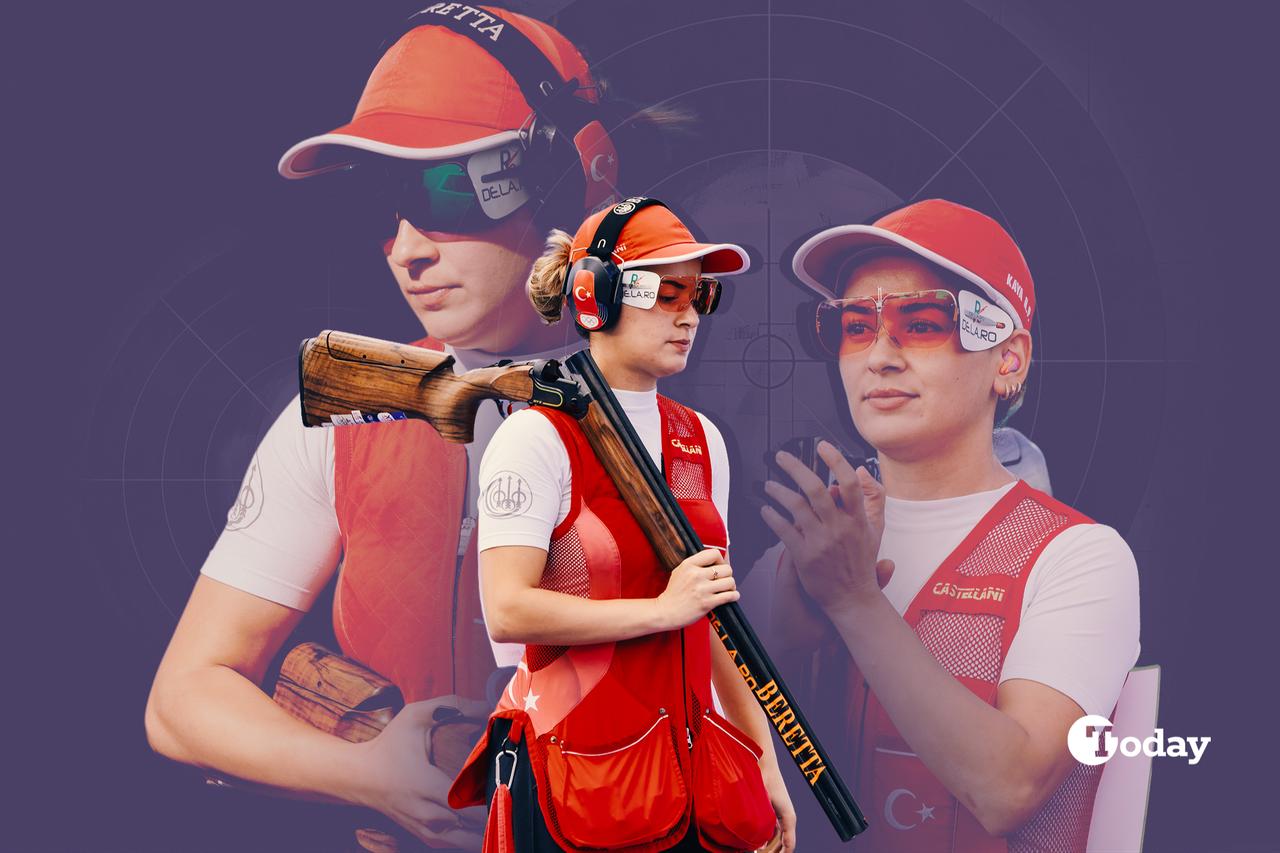


Rumeysa Pelin Kaya was afraid of the sound of the gunshot. That is how she remembers her first day with a gun, in 2015, standing among 40 young athletes in her hometown of Kahramanmaras, Türkiye, waiting her turn.
Today, in the International Shooting Sport Federation (ISSF) World Ranking, she is ranked 10th globally in Women's Trap with 3,450 points, preparing for a World Championship that is less than a month away.
Speaking to Türkiye Today in an exclusive interview ahead of the World Championship, Kaya recalls how it all began. She came to shoot through her middle-school physical education teacher, who introduced her to the sport.
The first session at the local youth and sports directorate was a lesson in humility: each child was handed a gun and a single cartridge, and nobody knew how to hold either.
When it was her turn, she admitted she was frightened of the loud sound. Her coach promised to stand right behind her and rested a hand on her back.
She raised the gun, closed her eyes, and pulled the trigger. Around her, the other children began to shout. She had hit the target.
"Everybody had said they wouldn't shoot, and I was the one hiding at the back because I was afraid," she recalls. "Only I hit. After that, I thought, maybe I'm talented, or maybe it was luck."
It was not luck.
After a year of conditioning with no gun in her hands at all, she entered her first competition in Mersin at 15, the youngest athlete in a field of national-team shooters.
Her score was not very good, she says, somewhere around 36 or 38 out of 75, yet it was enough to reach the final and win bronze. "I remember the butterflies in my stomach. It gave me the feeling to keep going."
Eleven years later, she still is.
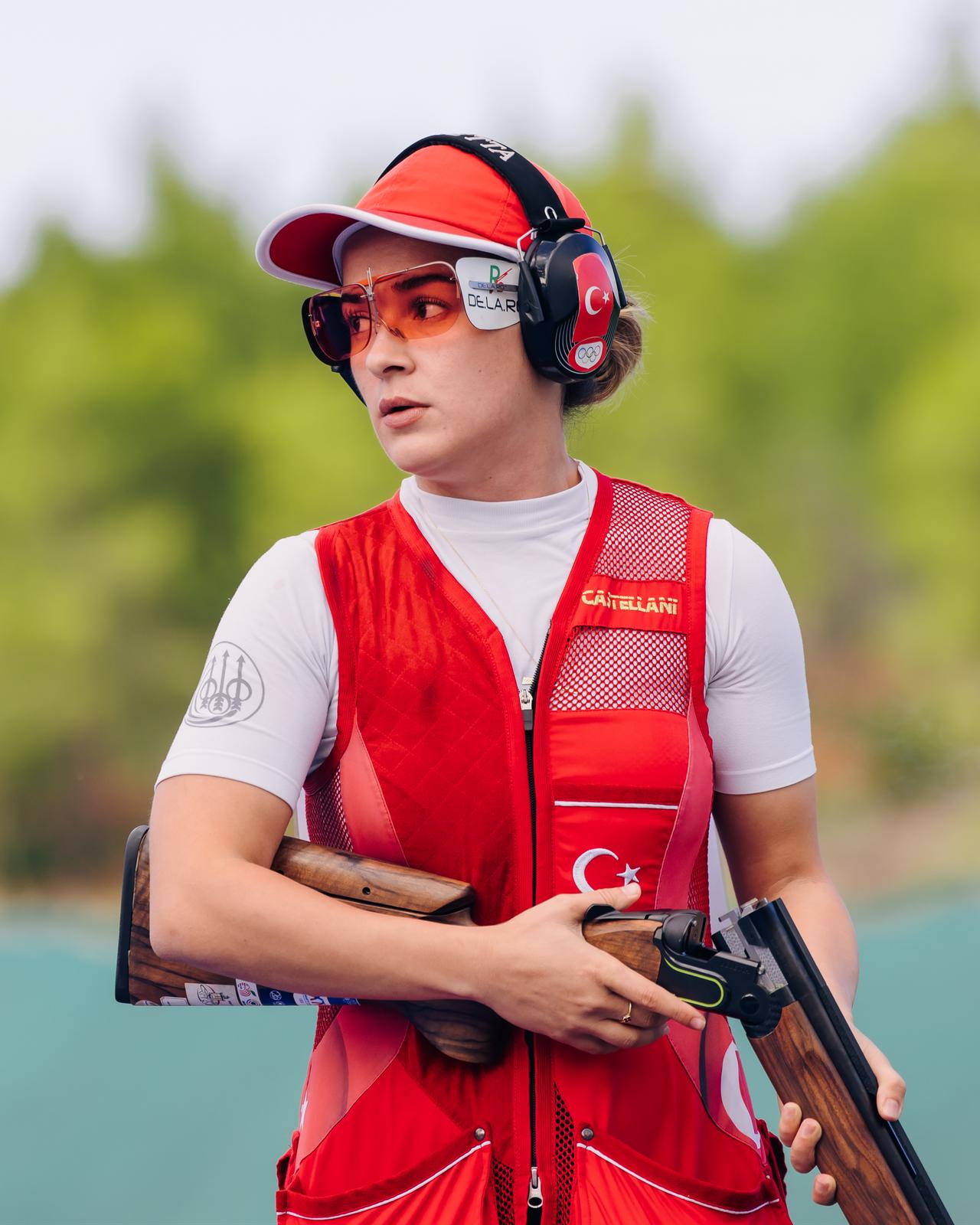

Kaya was not the last in her family to discover the sport. Her brother's son took up shooting soon after she did and progressed faster than she had, hitting 20 targets out of 25 within a week of starting.
A niece followed into trap shooting and ended up at the same Olympic preparation center in Türkiye, where Kaya has trained for the past eight years.
"Everybody says it's 100% Kaya DNA," she laughs.
She is proud, she says, to be the one who opened the door. She hopes to inspire other girls, though she is frank about why many leave: the sport demands that you push yourself in competition, and some do not want to. "Talent may bring you to the top," she says, "but it is work and discipline that take you further."
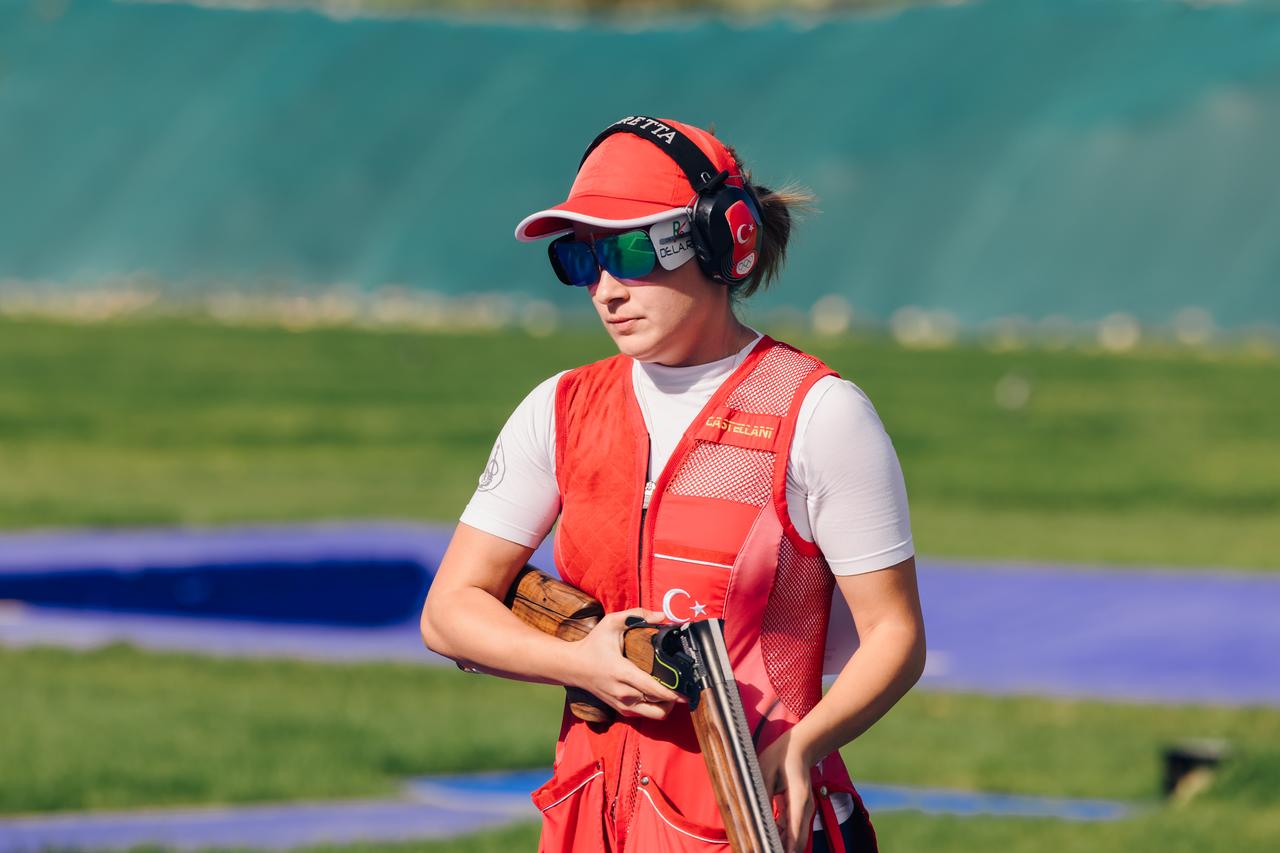
Trap shooting looks simple from the outside. For Kaya, the real opponent is her own nerves. Competitions run for two or even three days, and concentration must hold throughout.
Stress, she says, is the hardest part, and it is the one thing training cannot reproduce. "My psychologist always told me, 'We can't give you this feeling in training.' You can only feel it in competition."
Her own method is a mix of arithmetic and self-persuasion. A round lasts about 30 minutes, and three rounds make a day's work of an hour and a half. So she tells herself that out of 24 hours, only 90 minutes truly matter.
"If I think target by target, round by round, competition by competition, I get so excited that my hands and body start to shake. If I think it is only an hour and a half, everything becomes easier."
At each station she has 12 seconds, and she uses them for one thing only: technique.
She does not claim the stress gets easier with time. "My brain is cleverer than I am. However much I try to trick it, sometimes it wins." On those days, she holds on to her technique and keeps shooting.
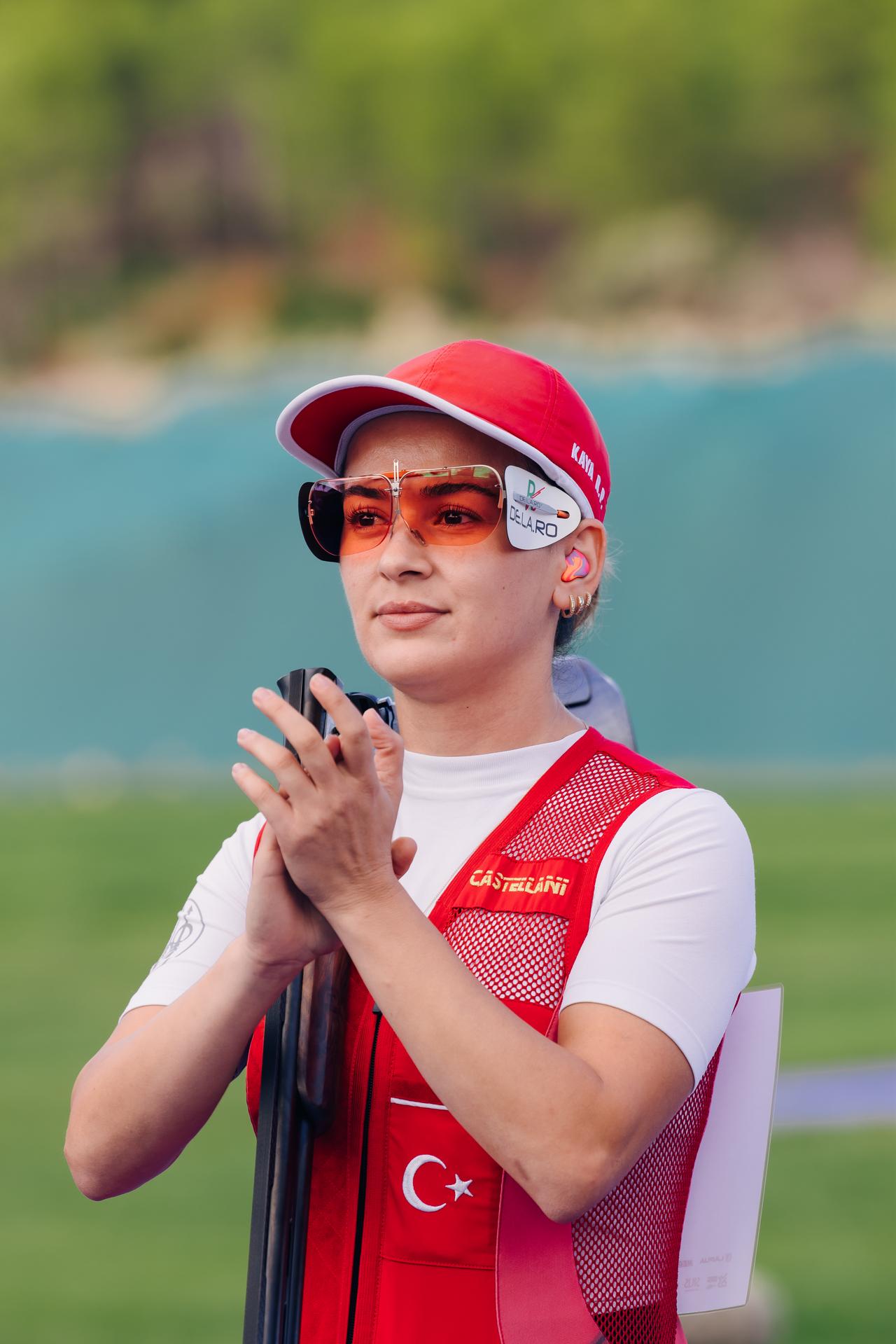
Paris 2024 was her first Olympic Games, and she says it was unlike any other competition. There were 30 women in the field, the best in the world, all working quietly at their stations.
"When I saw how professional they were, it was a completely different emotion," she says. Even now, remembering it makes her hand tremble.
She sees Paris as a rehearsal. Only three or four athletes there were competing at their first Games; the rest had two, three or four Olympics behind them. "In LA, I will be like them," she says. Los Angeles 2028 is her big goal for now.
If the individual event is a battle with oneself, the mixed team is a battle with someone else's nerves. At the most recent European Championship, Kaya and her teammate went into the final round only a few targets from a direct place in the final. Her partner missed and grew visibly frustrated. She could see it on his face. “I told myself, no, we can’t miss.” But she lost her focus and missed too.
Another miss followed, and then another. She calculated the scoreboard in her head, understood that four missed targets would be too many, and told herself to focus on her own shooting.
She did not miss again, but her partner could not recover, and the pair finished fifth. Only the top four could reach the final.
The experience convinced her that the team is harder than the individual event. "If your teammate loses focus when you miss, it directly becomes two. You need to trust each other, and you need to be stronger."
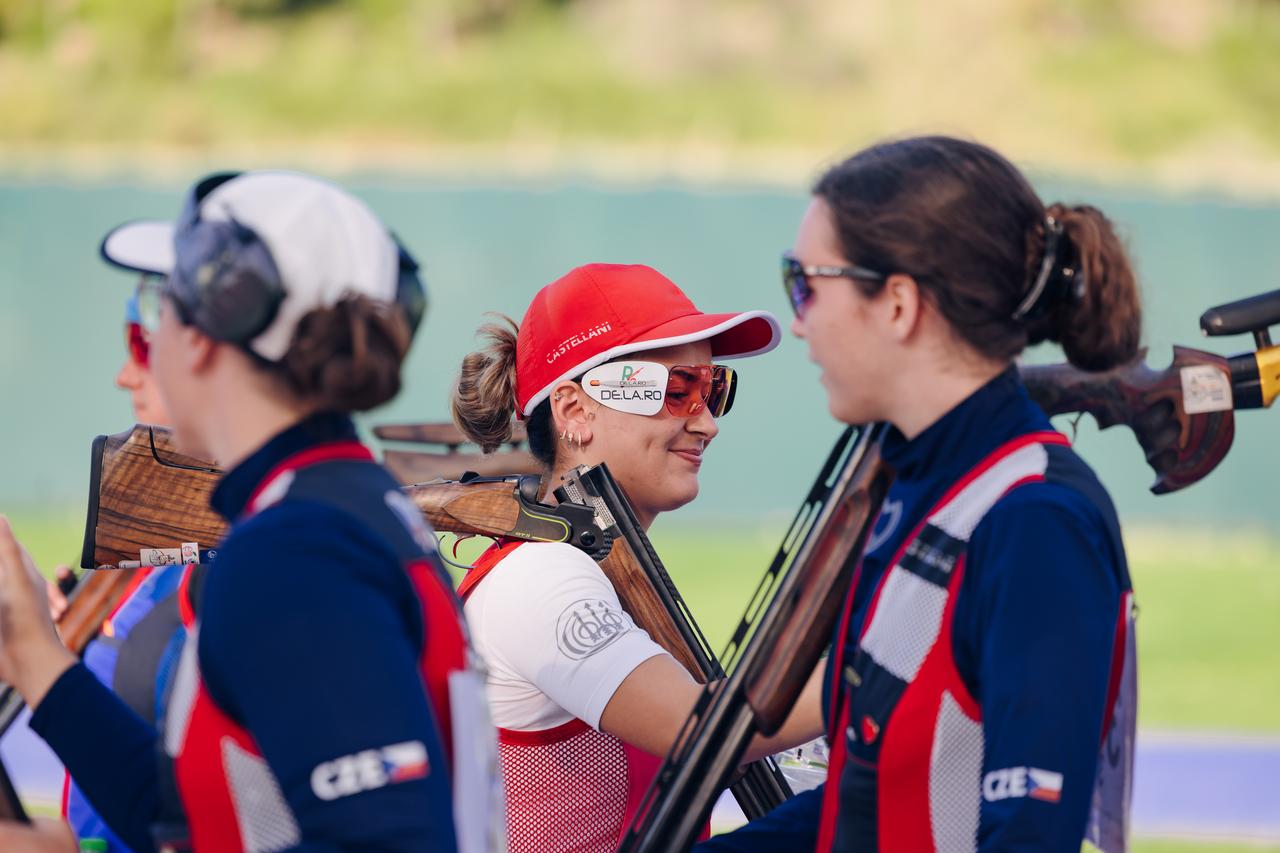
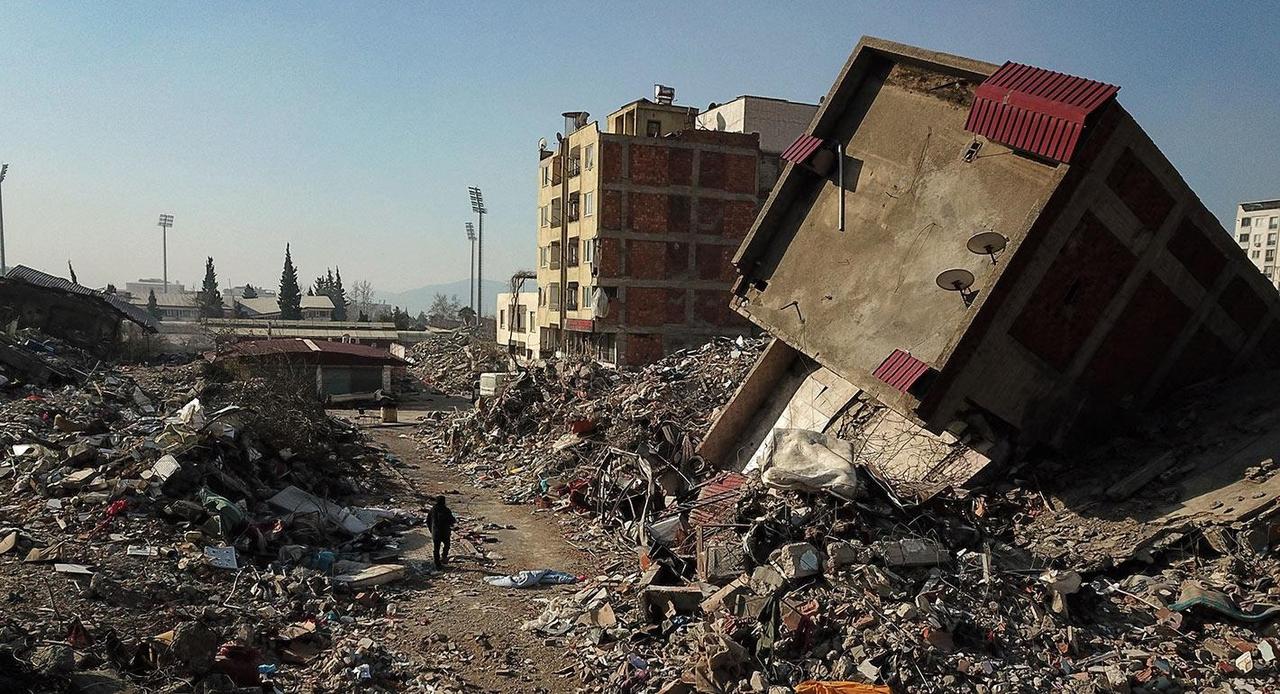
In February 2023, the earthquakes struck Kahramanmaras while Kaya was at her family's home. The house was lost. For 10 days, the family lived on the street, sheltering in a car until its battery died and later in the rain.
Her phone had no signal, and officials from the Turkish sports authorities and federation, fearing she was dead, searched for her. A message finally reached her one evening, and she answered. She told them she was alive and with her family.
When the federation delegation reached her, they asked her to travel to the World Cup in Doha, only 20 days away. She refused: she could not leave her family, and she could not focus.
What she asked for instead was simple. If her family could be brought to the athletes' hotel at the Olympic center in Kocaeli, where she knew everyone and where they would be safe, she would compete. The federation agreed.
Those 10 days, she says, she barely ate or slept, and she did not allow herself to cry. She spent them trying to find help for others, especially for the babies who needed food, and she gave away tents that were meant for her own family. "I needed to be strong," she added.
The collapse came at the hotel door. "I put my foot inside, and my legs gave way, and I started to cry." She had lost family members and her home, the place where she was born and grew up.
A few days later, the group trained in Azerbaijan. The Azerbaijani hosts told them to bring nothing. In Doha, she felt, she says, as if someone had taken her feelings and thrown them away. She did not feel the usual excitement or stress. Yet she shot very well and reached the final.
"I don't know how I did it," she says. "Maybe God gave me strength. Maybe it was because my family was in a safe place."
She also thought a good result might make them happy. And she is clear about what made it possible: "If they hadn't brought my family to my hotel, I'm sure I wouldn't have been able to."
At 26, Kaya is ahead of the usual curve. Shooters, she is told, bloom late, and people tell her that at 29 or 30 she will collect many medals once she has gained the experience and the emotional control that come with age.
"I think I will do it," she says. "We'll see."
Her advice to young people thinking of taking up trap shooting is characteristically direct. It is hard, and the sport needs new blood. If you like hitting targets, guns, attention, and a bit of excitement in life, she says, it is also really fun.


 Set as preferred source
 Set as preferred source


 1 min read


 1 min read


