Newsletters


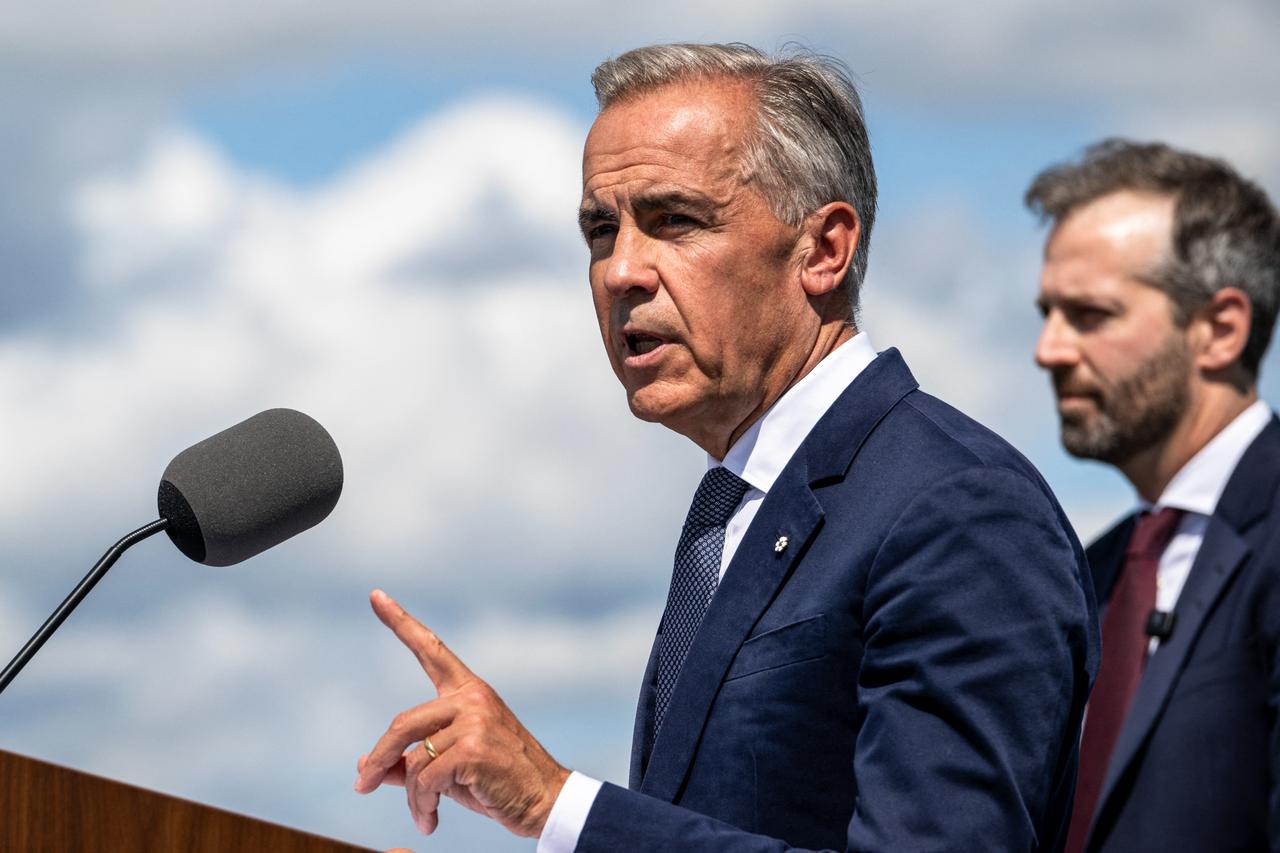


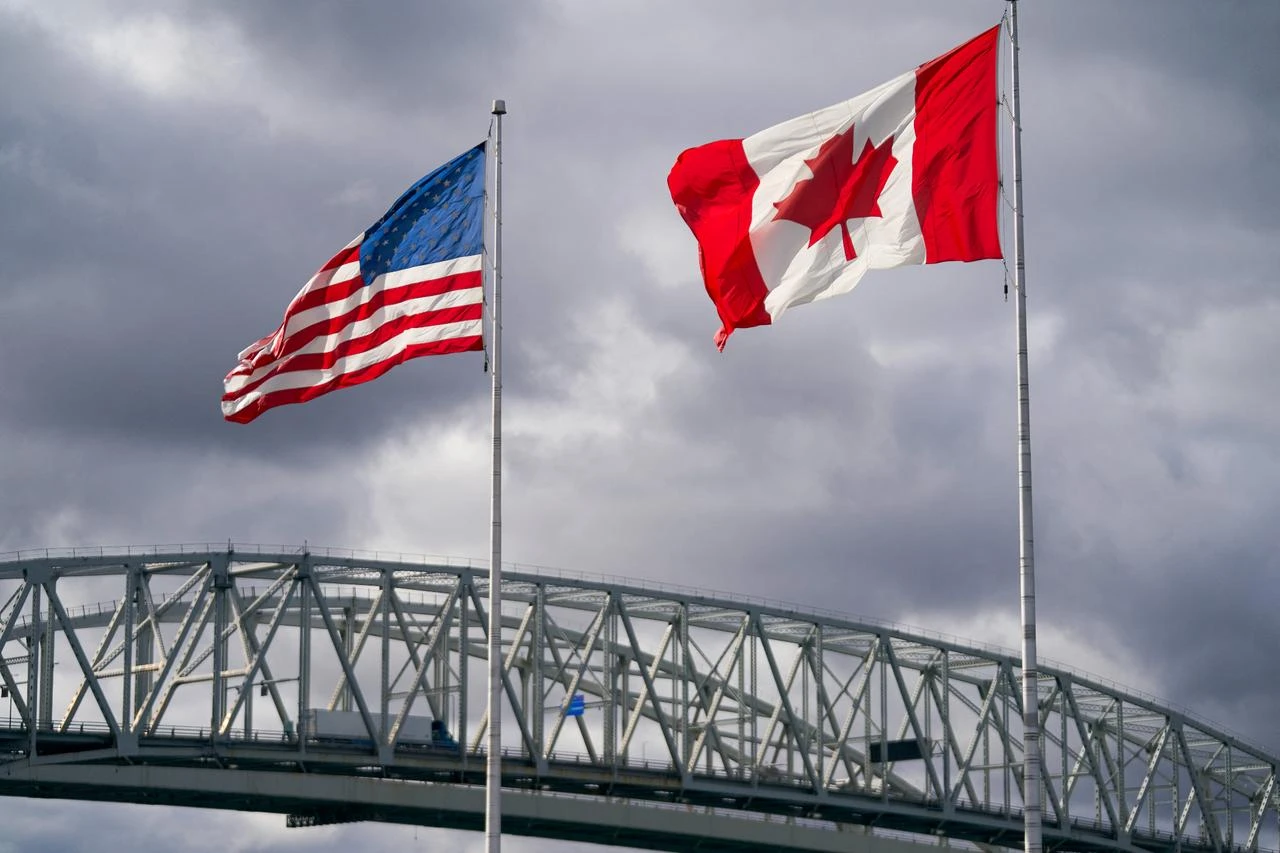
Canada will announce new measures Tuesday in response to U.S. President Donald Trump’s latest tariffs, as the trade dispute between the neighboring countries deepens.
The Canadian government said Monday night that the finance, industry and labor ministers, along with other officials, would hold a news conference in Ottawa to outline measures aimed at protecting workers and businesses during what it called “these challenging times.”
The announcement follows the failure of U.S.-Canada talks Friday to prevent new 50% U.S. tariffs on selected Canadian goods. The duties took effect Saturday and cover about $20 billion worth of products, or roughly 5.5% of Canadian exports to the U.S.
Trump added Monday that tariffs on Canadian automobiles would rise to 50% next year. The current U.S. tariff on Canadian autos is 25% for non-U.S. content, while imported steel generally faces a 50% duty.
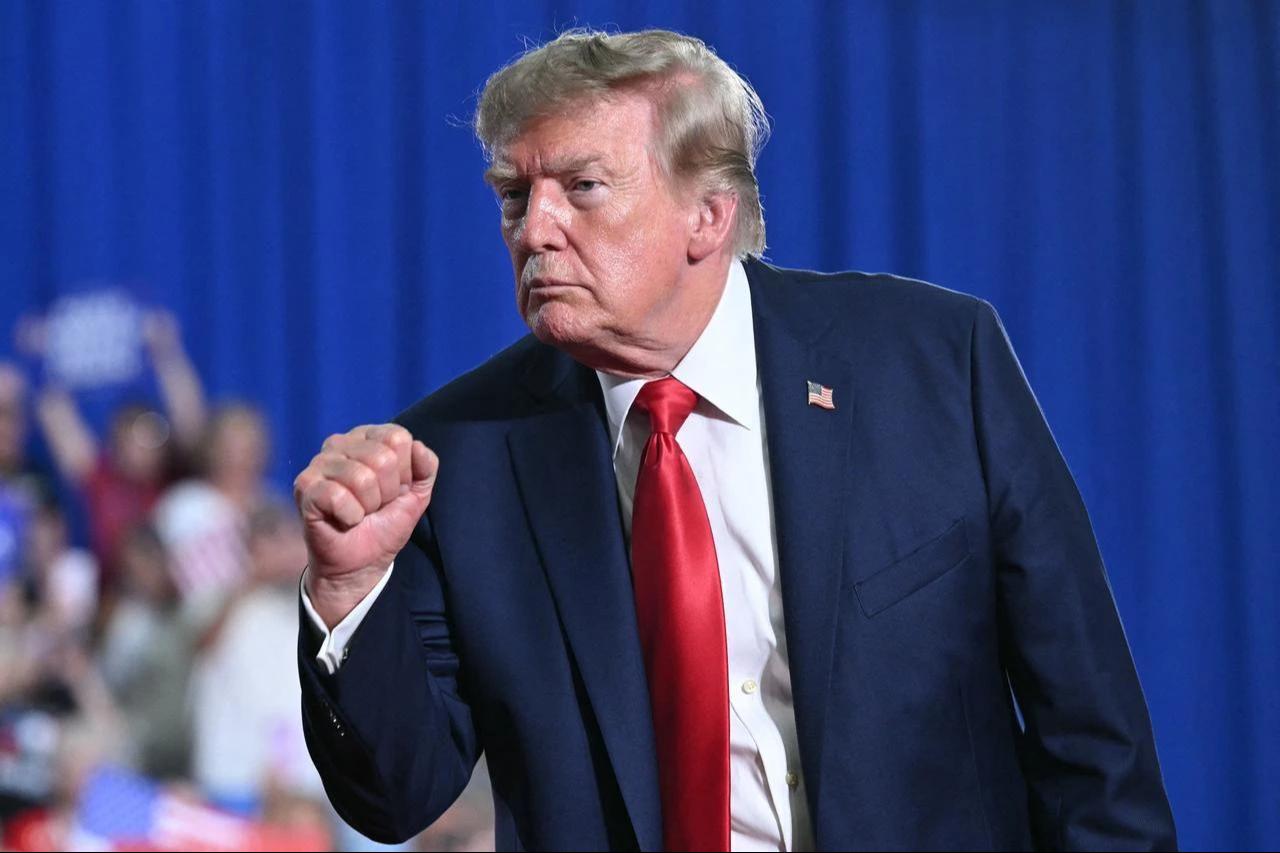

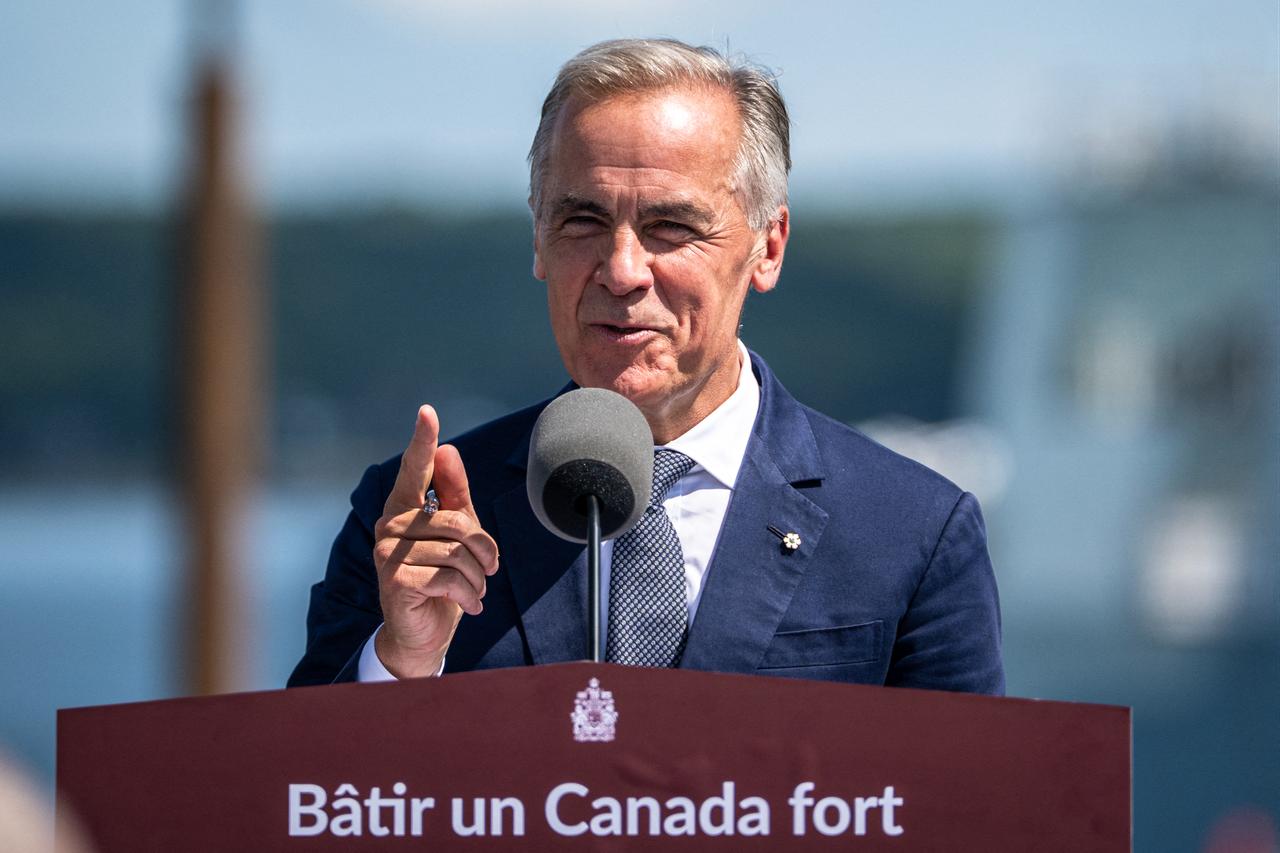
Prime Minister Mark Carney, who rejected what he called a “bad deal,” has already announced retaliatory tariffs that will take effect Sept. 8.
The measures will target U.S. steel and dairy products as well as agricultural equipment, paper and electronics.
Carney said Monday that Canada’s goal had always been to secure the best possible agreement rather than accept “a deal at any price or on any time frame.”
“We learned that, during the negotiations, the Americans wanted to destroy our major industries—including the automotive, steel, and aluminum sectors—through unfair negotiating terms,” Carney said.
He added that expanding domestic production and diversifying trade abroad had been Canada’s “plan A from the start.”
Carney also said U.S. negotiators introduced demands late in the talks for restrictions on Canadian trade agreements with other countries and made unacceptable “threats” involving the French language and “Quebec culture.”
U.S. Vice President JD Vance, however, blamed Canada’s “unreasonable last-minute demands” for the breakdown.
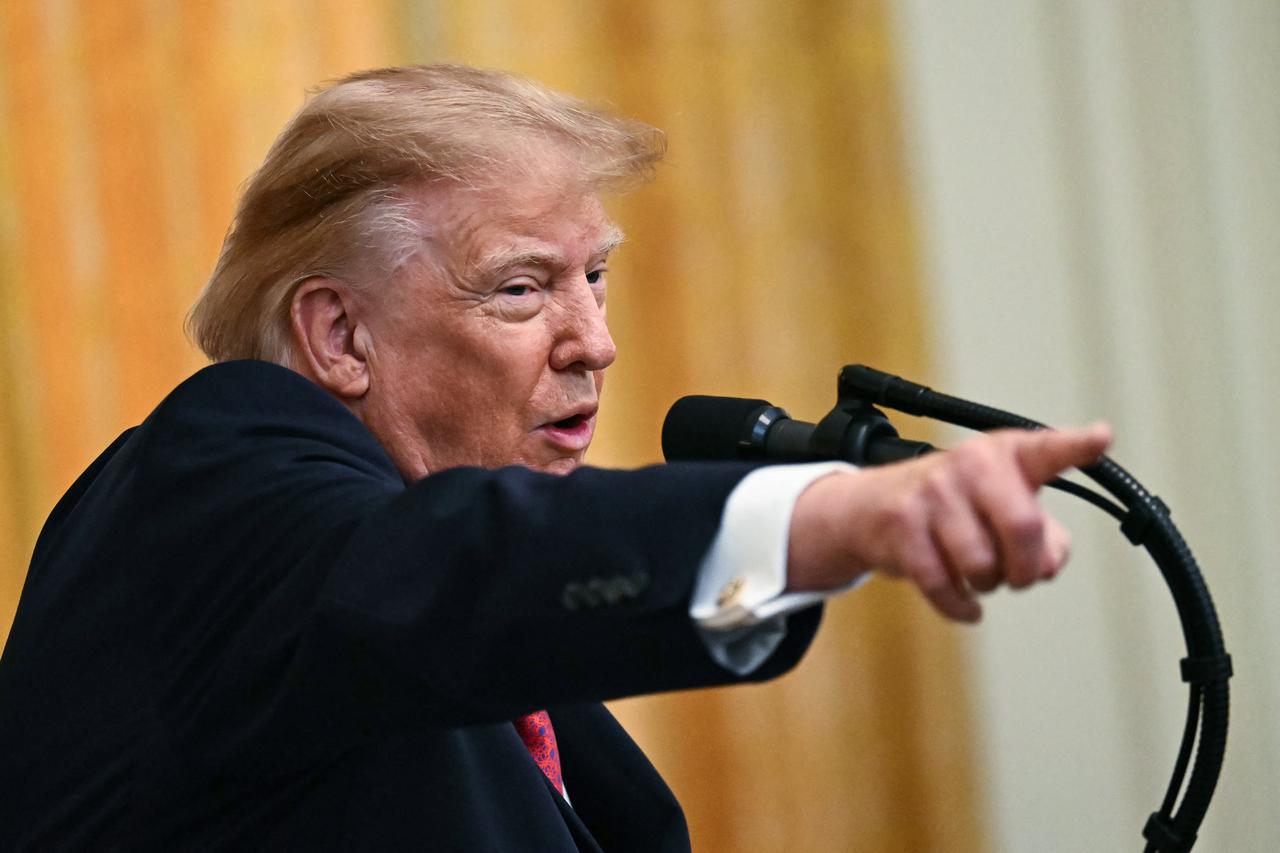
Trump accused Canada on Monday of having “been ripping off the United States of America for years,” adding: “We don’t need Canada, they need us.”
The White House has accused Canada of discriminatory treatment of U.S. alcohol, automobiles and dairy products.
Trump delayed the latest tariffs by three days last week as negotiations continued, but the sides failed to reach an agreement.
The tariffs affect products including hockey sticks and cement.
U.S. Trade Representative Jamieson Greer told The New York Times that Washington had offered to eliminate a 10% tariff on softwood lumber, reduce the 25% auto tariff and lower steel duties from 50% to 25% for most Canadian steel.
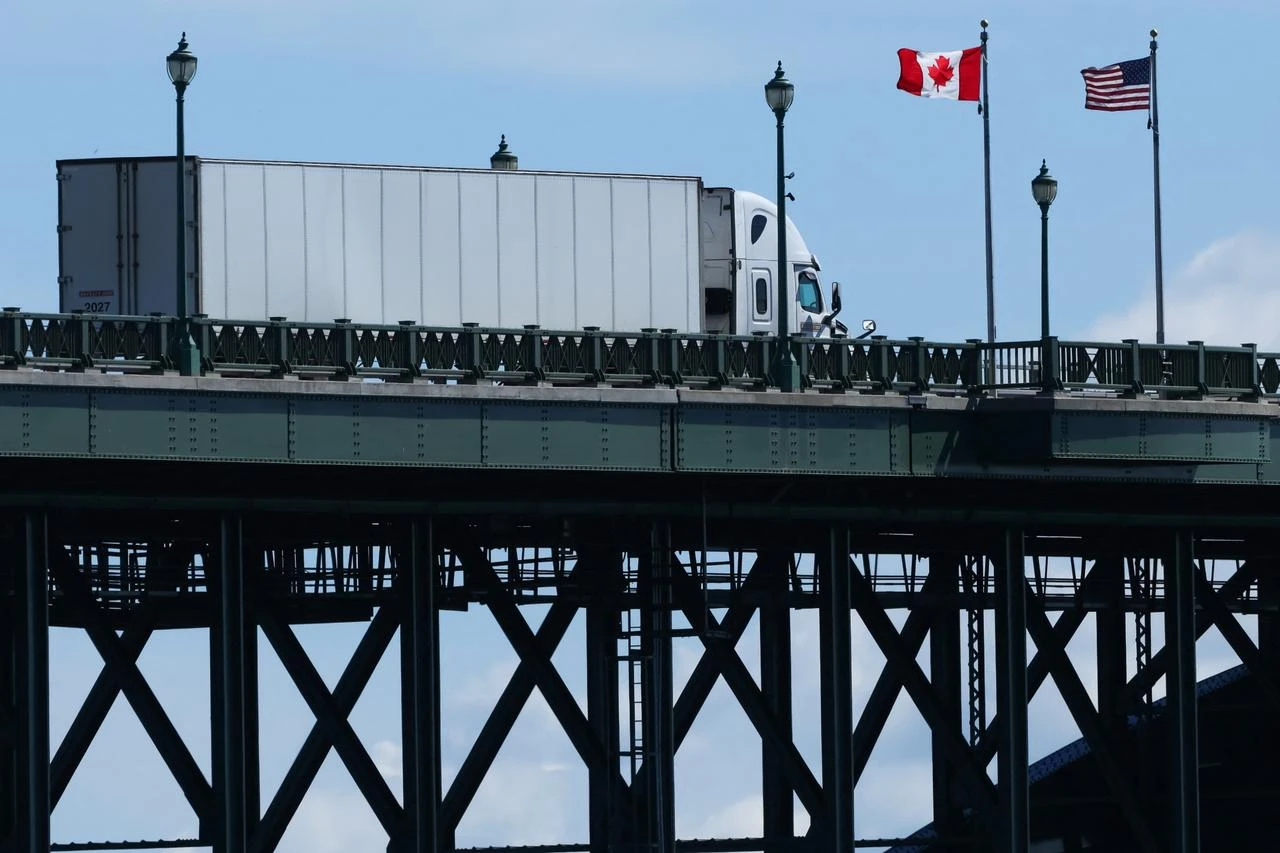
The U.S. accounts for about 70% of Canada’s exports and is by far its largest trading partner.
Canada is the U.S.’ second-largest goods trading partner this year, behind Mexico, according to government data.
Polling released Sunday by the Angus Reid Institute found that three in four Canadians supported Carney’s decision to walk away from the talks, although two in five expressed some fear about their jobs.
Ontario Premier Doug Ford criticized Trump’s auto tariff threat and said an electricity surcharge remained an option. Ontario previously imposed a 25% surcharge on electricity exports to three U.S. states.
Trump responded online by warning Ford of “far worse” consequences.
The two governments also still need to negotiate revisions to the U.S.-Mexico-Canada trade agreement, which Trump has declined to renew in its current form.
Trump has repeatedly suggested making Canada a U.S. state and has referred to Carney and former Prime Minister Justin Trudeau as “governor.”


 Set as preferred source
 Set as preferred source


 1 min read
 1 min read