Newsletters





Israel is spending tens of millions of dollars on an influence campaign using artificial intelligence-generated messages, conservative media advertising, social media influencers and online content to improve its image in the United States, The Wall Street Journal reported.
The campaign includes a contract worth more than $45 million with Brad Parscale, a longtime Trump ally and former campaign adviser.
Millions of AI-generated messages have reportedly been sent to Americans under names such as Emma or Sarah on behalf of a group called Friends for Peace. The texts ask recipients about U.S.-Israel relations and peace talks with Iran.
The effort comes as about 60% of U.S. adults hold an unfavorable view of Israel, according to a March Pew Research Center poll cited in the report.
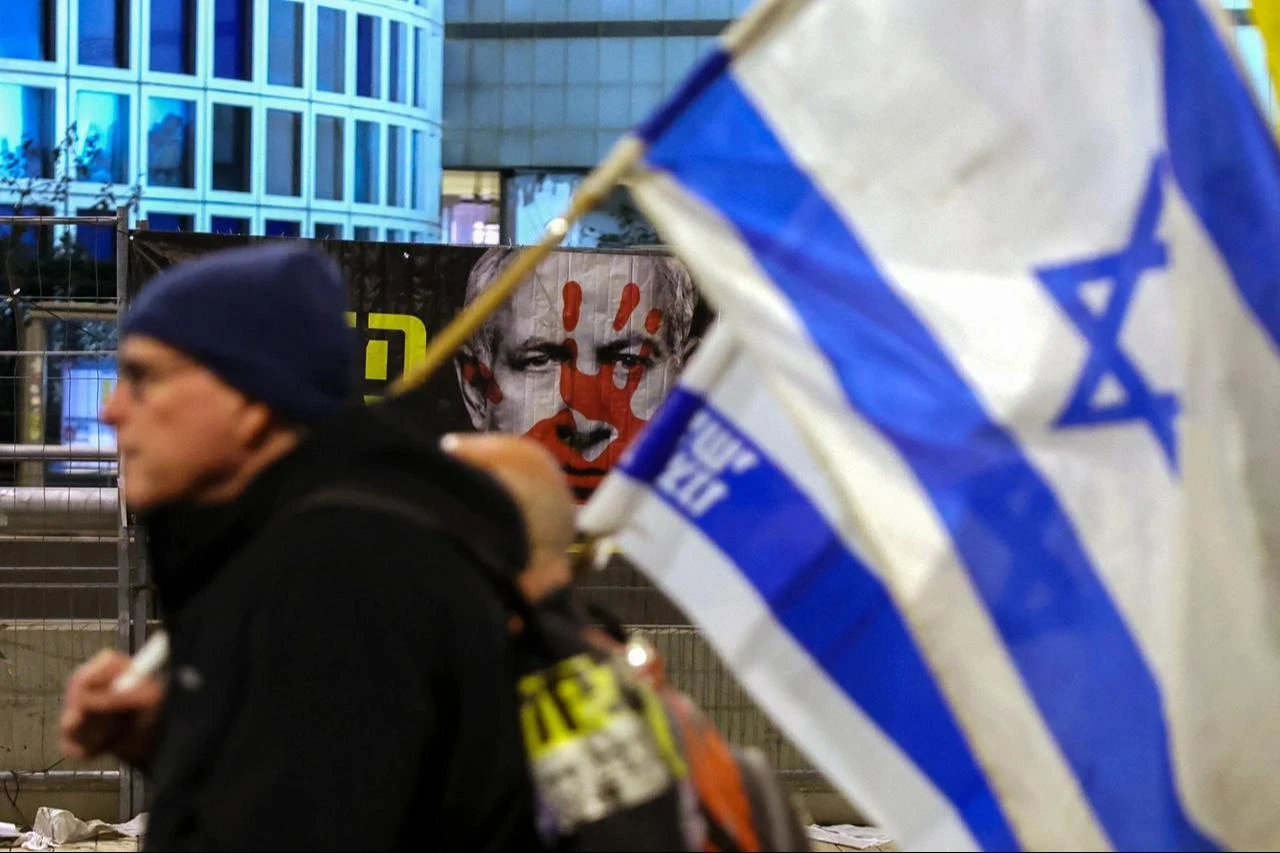

Israel has hired at least six firms for its U.S. campaign over the past year, while around three dozen people, many of them marketing professionals, have registered as foreign agents representing the country.
Israeli Foreign Minister Gideon Saar said last year that more than $700 million had been allocated in the 2026 budget to expand efforts to “shape consciousness” and improve Israel’s international image.
Israel’s Foreign Ministry did not respond to interview requests.
Parscale said misinformation posed an existential threat to Israel and denied that the campaign was intended to interfere with U.S. negotiations.
U.S. Vice President JD Vance recently accused some Israeli officials of attempting to manipulate American public opinion to keep the Iran conflict continuing indefinitely.
 1 min read
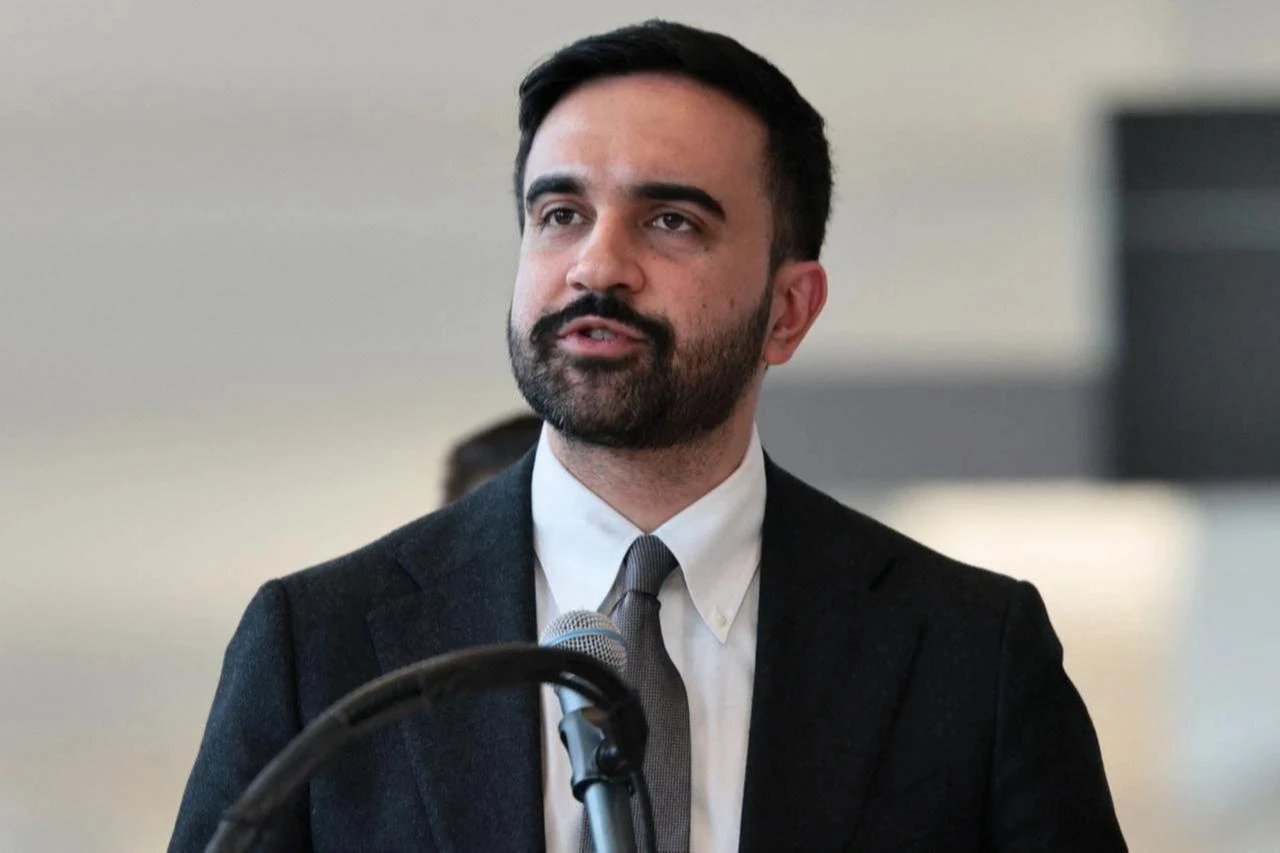
Parscale is chief strategy officer at Salem Media, which hosts conservative figures including Hugh Hewitt, Scott Jennings and Lara Trump.
Documents said his initial work for Israel involved integrating narrative messages into Salem properties and related distribution channels.
Salem Media and Parscale said hosts were not paid to promote specific views about Israel. They said more than $500,000 was spent on advertisements across the network.
Other efforts targeted megachurch members and Christian college students. A group called Show Faith by Works proposed a geofencing campaign that could reach about 4 million people in the southwestern U.S. at a cost of more than $3 million.
The documents listed actor Chris Pratt and basketball player Stephen Curry as examples of potential celebrity supporters. Pratt’s representative said he was never contacted, while Curry’s representative did not respond.
Israel has also worked with online influencers. Documents showed payments to firms owned by content creators, although they did not specify that the payments were made for posts.
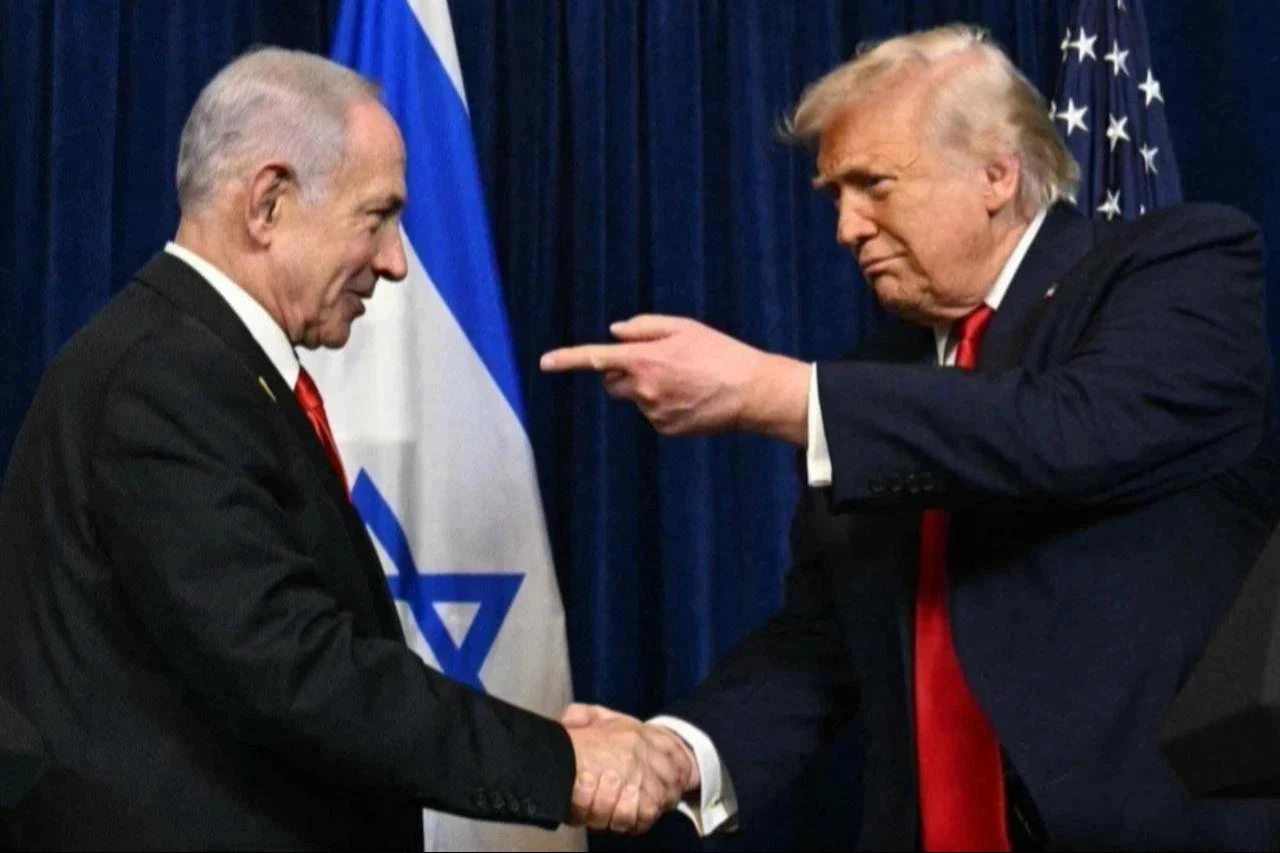
Parscale’s team created websites, social media posts and links intended partly to produce more favorable results about Israel on AI systems such as ChatGPT and Claude.
The campaign seeks to identify Americans’ main concerns about Israel, create responses to those concerns and report the findings to the Israeli government, Parscale said.
The text-message operation is run by Sparkfire, which had received $6.5 million for the work as of mid-May.
Sparkfire said human staff members remained involved in conversations with recipients.
Artist Beth Surdut said she became suspicious after receiving a Friends for Peace message because the system repeatedly rephrased her responses.
She said the system tried to persuade her that it was a real person after she questioned whether she was speaking with AI.
Friends for Peace does not appear to be registered as a nonprofit organization or limited liability company, according to the report.
The campaign faces a difficult task as support for Israel continues to decline in the U.S., with Trump also privately discussing the issue at fundraising events, the Journal reported.


 Set as preferred source
 Set as preferred source


 1 min read