Newsletters


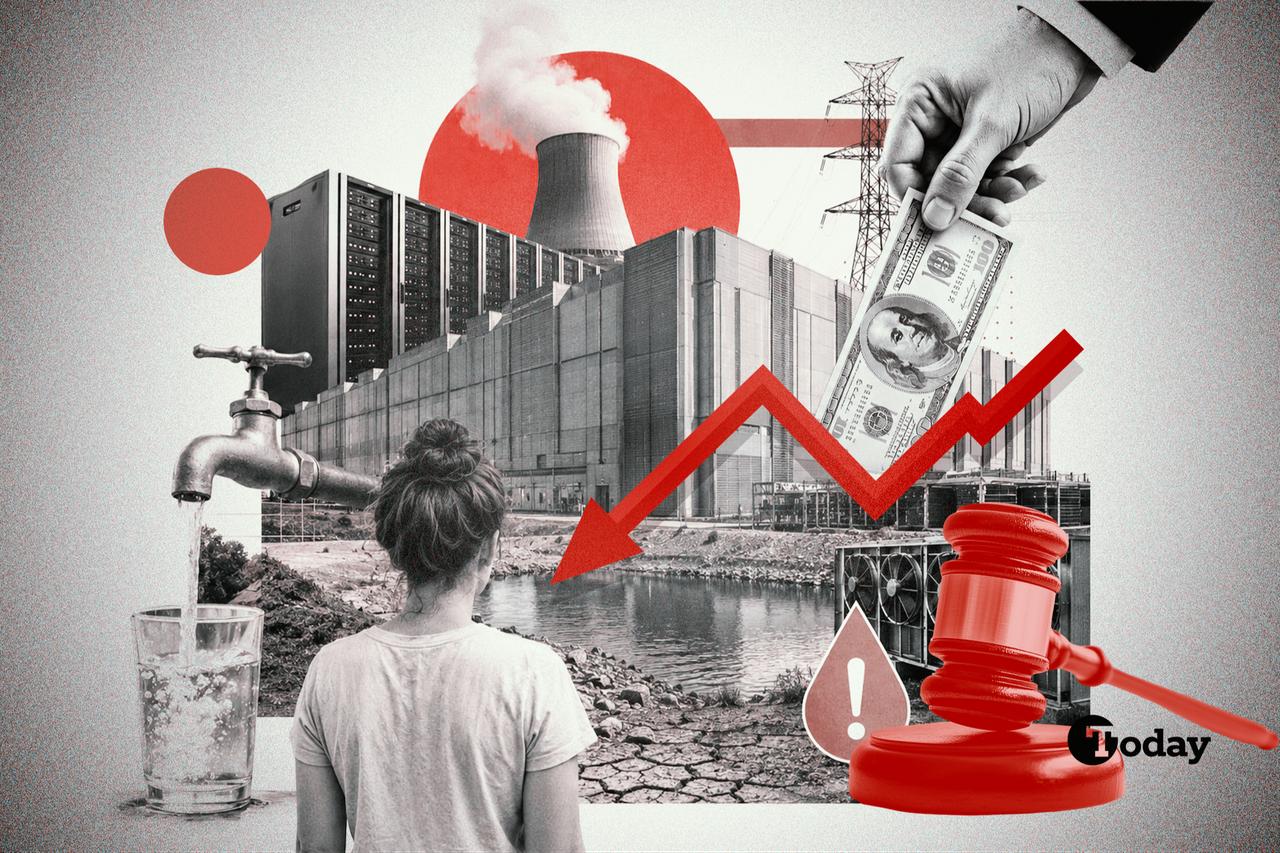


Every doomscroll, every "like," and every AI query has a cost—and it isn't showing up on your phone bill. It's showing up in a Georgia family's dry taps and a Virginia woman's sleepless nights.
The AI boom runs on data centers, and the people living next to them are paying the price in water, noise, and broken plumbing—while the industry insists it's all fine.
Several homeowners filed a suit against Meta in September 2026, the Atlanta Journal-Constitution reported, accusing the company of tainting their water and destroying their rural way of life through tree clearing, blasting, and excavation near their properties.
Beverly and Jeff Morris are among the plaintiffs. They live 1,000 feet (300 meters) from the data center. They told The New York Times that after construction began in 2018, their dishwasher, ice maker, washing machine, and toilet stopped working. Their water pressure also slowed, and they spent $5,000 to replace appliances.
Meta broke ground on the more than $1 billion facility, which spans over 2 million square feet. The company responded to the accusation by citing a study it commissioned, which found that groundwater flows away from the plaintiffs’ properties, adding that all water used in the construction and operation of the facility comes from a local utility.
“While we are committed to being a good community partner, we will still defend ourselves from baseless lawsuits,” the company said.
Local development authorities allow companies to build data centers in their area by providing key tax incentives in a play to benefit from the artificial intelligence boom. In return, they receive annual payments from these companies—Meta, for example, pays up to $5 million a year to the counties, according to the complaint.
Noise is another common complaint. Donna Gallant, a resident of Bristow, Virginia, told U.S. News that the noise from Google’s “Mango Farm” data center complex penetrates her home. She said she cannot sleep during load tests because “it literally rocks your core.”
She spent heavily on new windows, but the sound from the data center still gets inside. Data centers generate persistent background noise because they operate 24/7.
According to research conducted in August 2026 by Heatmap, 75% of registered voters say they would oppose a data center being built near where they live; the number was 42% in the same month last year.
People are changing their positions as the number of data centers increases. This trend crosses political lines, with both Republicans and Democrats opposing them. As a result, more than 500 U.S. towns and counties have moved to ban them, The Information reported, with the pushback reaching states such as New York and Texas.
The United States currently hosts more than 4,000 data centers, and more than 1,500 new facilities are on the way, according to Pew Research Center.
Census Bureau data compiled by Our World in Data puts spending on U.S. data center construction at $4.4 billion in June 2026 alone, five times what it was in November 2022, the month ChatGPT launched.
The European Union hosts nearly 2,800 data centers, clustered in just a handful of countries—and nowhere has the backlash been sharper than in Ireland.
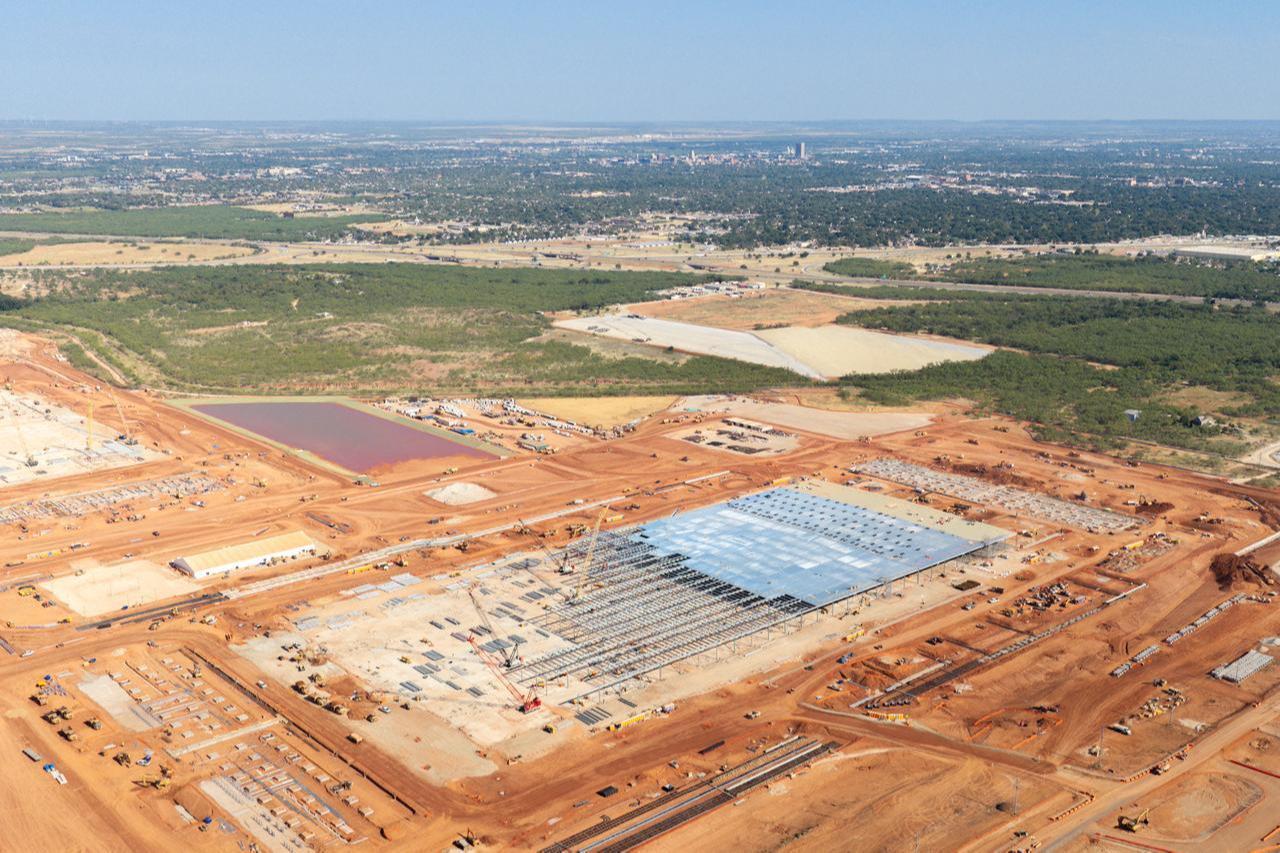

Ireland, which hosts more than 100 data centers, has become Europe's most contested case.
According to the Central Statistics Office, data centers consumed 23% of the country's metered electricity in 2025, compared with around 5% in 2015. That is nearly as much as every household in the country combined; homes accounted for 28%. This sharp rise raised the risk of power cuts, mainly around the capital, Dublin. To prevent this, the Commission for Regulation of Utilities decided in 2021 to effectively freeze new grid connections in the Dublin area.
After four years, the Commission lifted the freeze in December 2025 under certain conditions. These include on-site or nearby generation and the requirement that data centers obtain at least 80% of their annual electricity demand from brand-new renewable energy projects in Ireland within six years of coming online.
While the public is driving pushback against data centers in the U.S., the reaction in Ireland came directly from a regulatory institution.
As the AI industry continues to expand, local grievances and grid constraints are likely to follow. However, these challenges can serve as a warning and an opportunity to take precautions for countries looking to join the AI race.
As AI's footprint on daily life grows, data centers could become a live wire in elections, with candidates campaigning on promises to rein them in.
Ultimately, the race to build the next generation of AI models will not be decided by algorithms alone. It will depend on how governments balance the endless demand for computation with the real limits of power, water, and community consent.


 Set as preferred source
 Set as preferred source


 1 min read


 1 min read