Newsletters


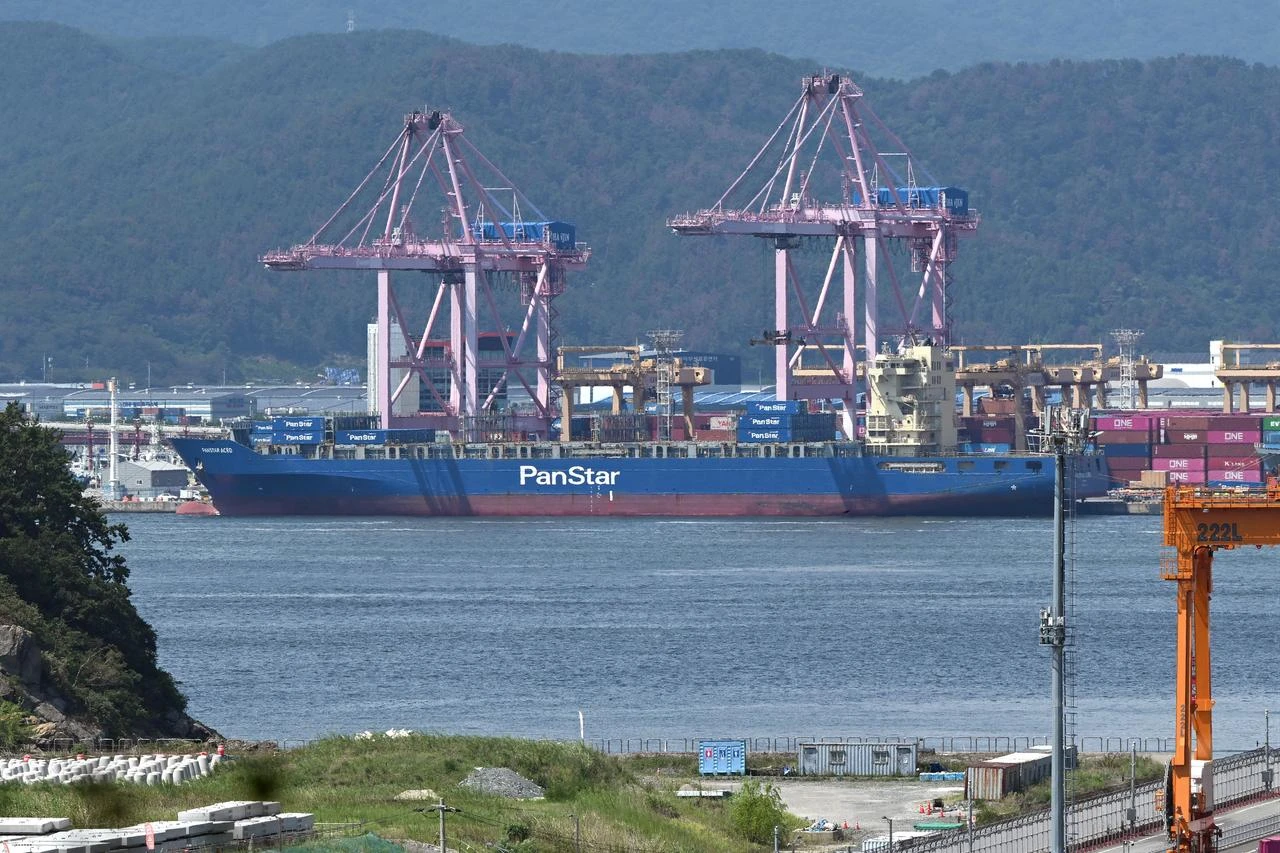


South Korea was set to send its first trial container ship through the Arctic to Europe on Saturday, testing whether the route could become commercially viable as the Middle East war disrupts global shipping.
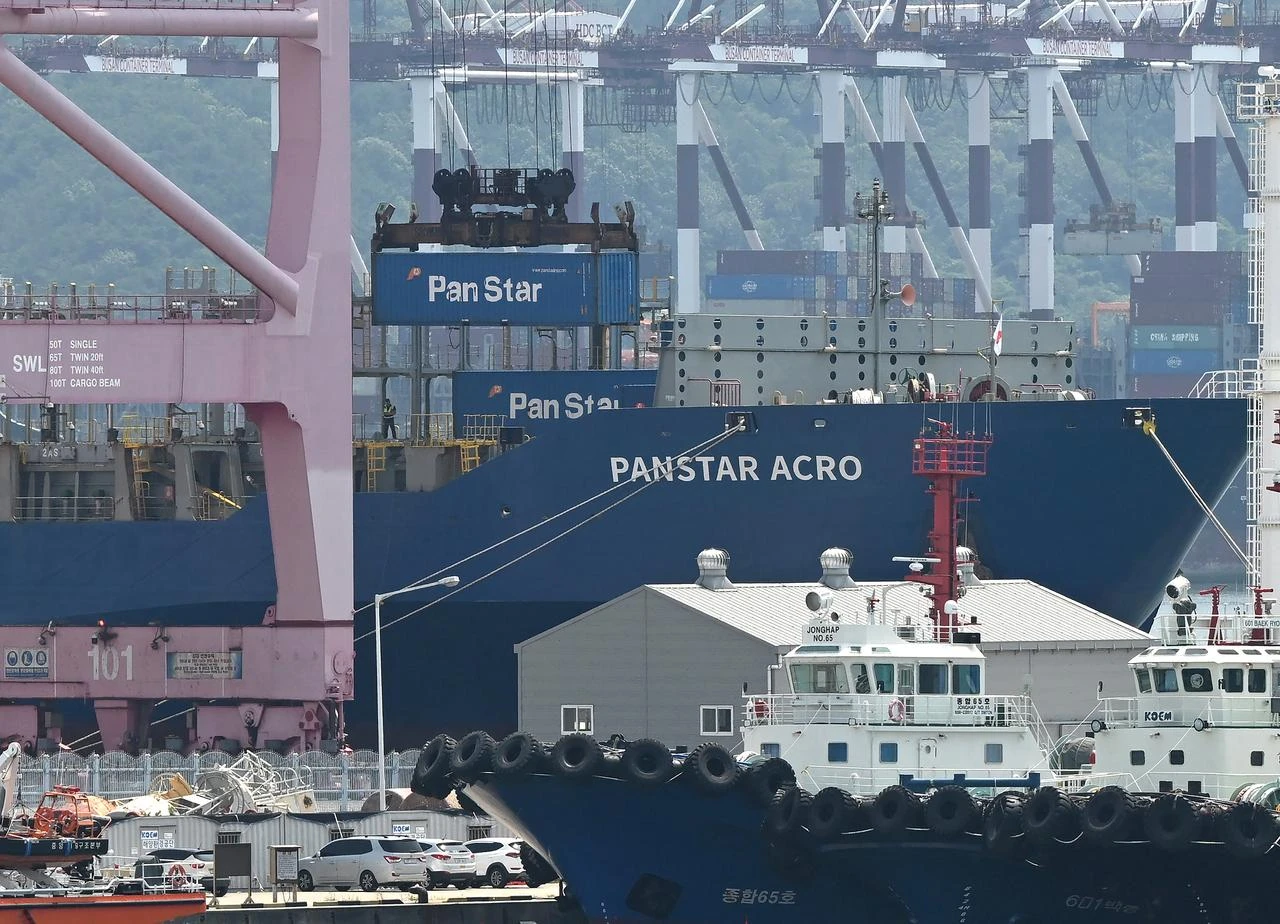
The PanStar Acro was scheduled to leave Busan New Port at 8 p.m. local time, or 11 a.m. GMT, barring bad weather or other unforeseen circumstances, an Oceans Ministry official told Agence France-Presse (AFP).
The ship will travel to Felixstowe in Britain, Rotterdam in the Netherlands and Gdansk in Poland before returning, with the voyage expected to take about 45 days.
The trial comes as the Middle East conflict, sparked by U.S.-Israeli strikes on Iran in February, has disrupted shipping and pushed governments and companies to explore alternative routes.
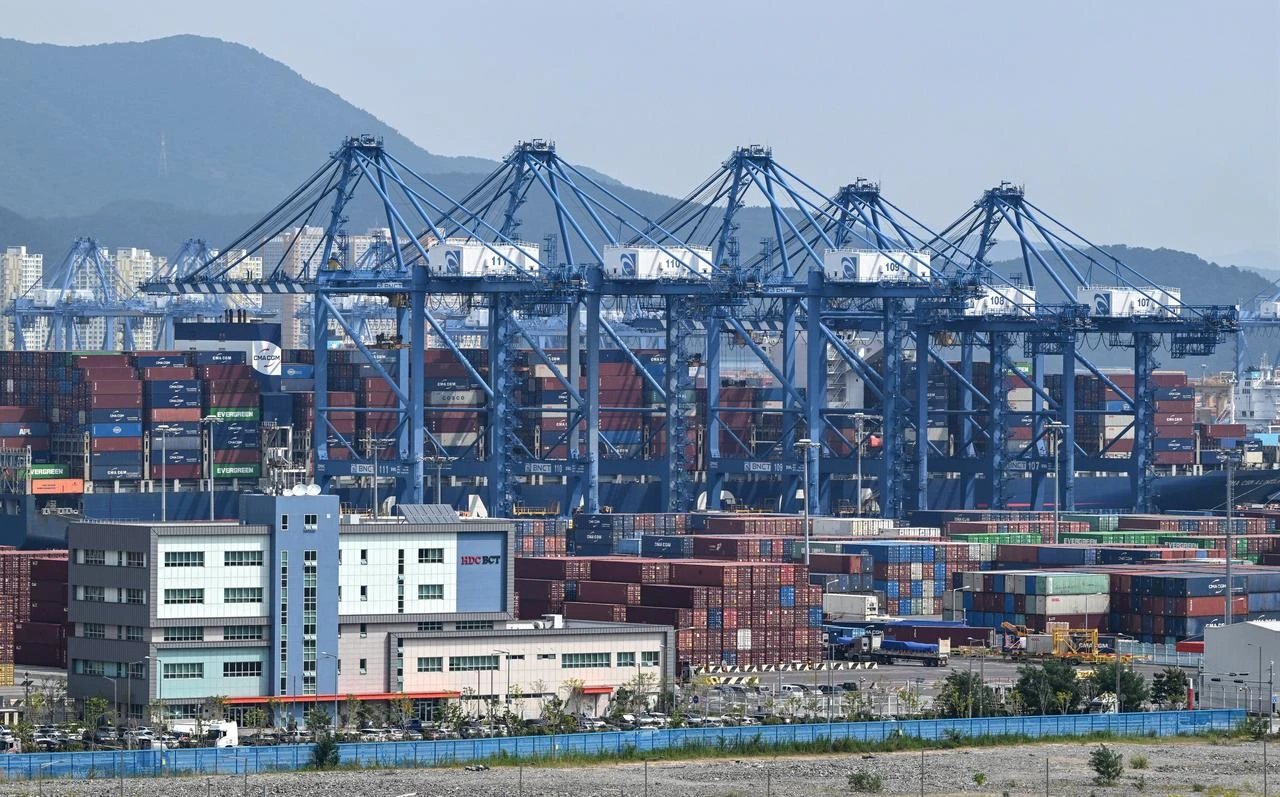

The usual maritime route between Asia and Europe passes through the Suez Canal. The Arctic route could reduce the journey by about 7,000 kilometers, or 4,300 miles, and roughly 10 days, according to the Korea Institute for International Economic Policy.
South Korea’s voyage follows China’s Dubai Tower, which left Ningbo for Europe this month, traveling through the Bering Strait and west along Russia’s Arctic coast.
Vice Oceans Minister Nam Jae-hon said the Arctic route was “bound to become an alternative” to Middle Eastern shipping lanes as geopolitical risks and technological advances make it increasingly competitive.
Marc Lanteigne, a professor at the Arctic University of Norway, said the South Korean and Chinese voyages suggested the Northern Sea Route was becoming normalized as a “secondary maritime transit corridor.”
He said a successful voyage would demonstrate Seoul’s interest in alternative shipping routes as Chinese companies expand regular Arctic services.
Experts have warned that South Korean ships using the route could risk breaching Western sanctions on Russia because they may have to pay for Russian navigation and weather services.
Russia is also a key security ally of North Korea.
South Korea’s Foreign Ministry declined to comment on the sanctions concerns. The Oceans Ministry said consultations with relevant countries and agencies had been completed for the administrative procedures required for the voyage.
Vladimir Tikhonov, a Korean Studies professor at the University of Oslo, noted that U.S. and EU sanctions are not international law, unlike U.N. sanctions, and said South Korea may have few alternatives if the Arctic route proves economically viable amid continued Middle East uncertainty.
Lanteigne said China’s Arctic ambitions were more politically driven, with Beijing viewing the polar regions as “strategic new frontiers,” raising Western security concerns.
Environmental groups warned that increased shipping through the Northern Sea Route could accelerate Arctic sea ice loss.
Major carriers including CMA CGM, MSC and Hapag-Lloyd have pledged not to use Arctic shipping routes.
The route is believed to be accessible only during periods when sea ice melts sufficiently for ships to pass without icebreakers.
South Korean environmental group Paran Ocean Citizen Science Center said last year that the Arctic was warming about four times faster than the global average, making the route increasingly viable.
“But making the route commercially viable would require further warming, putting the policy at odds with efforts to combat climate change,” the group said.


 Set as preferred source
 Set as preferred source


 1 min read

 1 min read