Newsletters


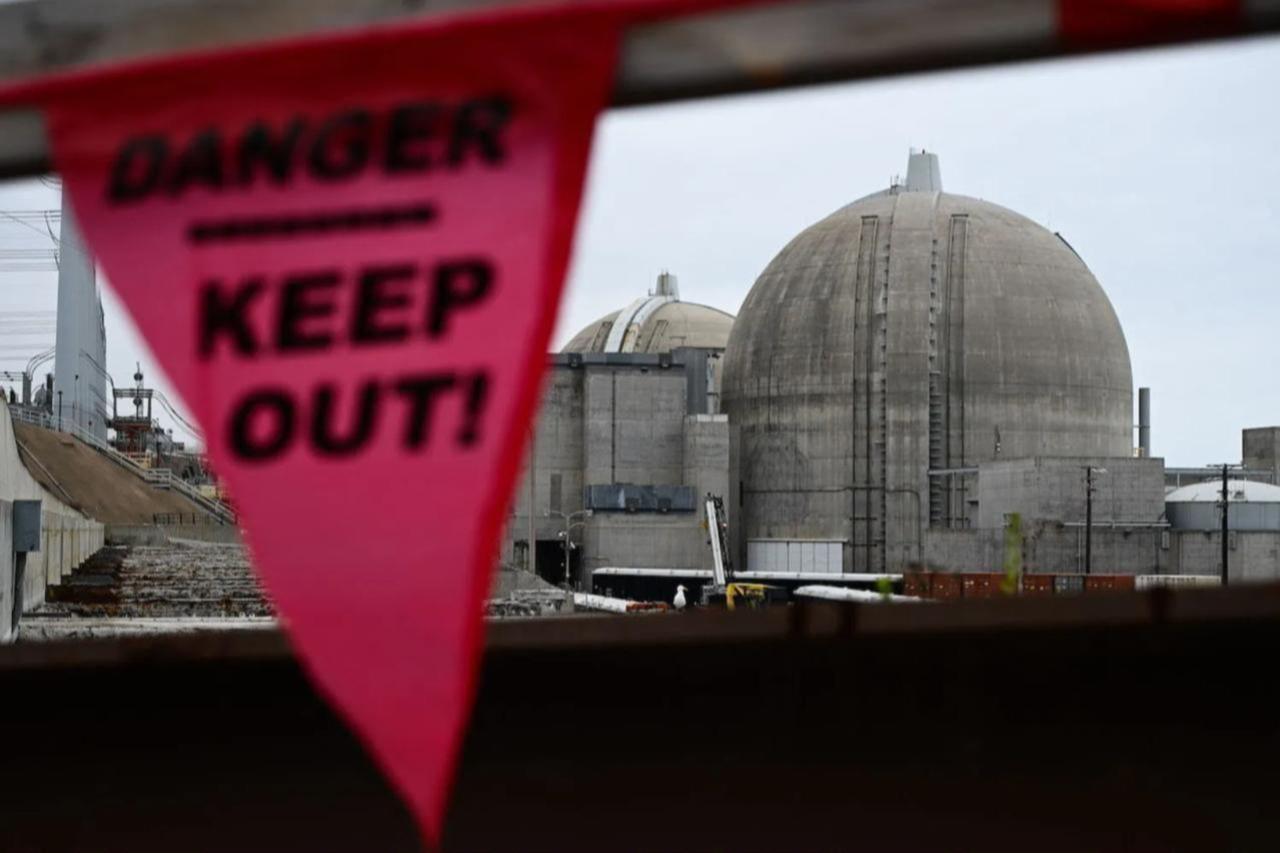


The U.S. conducted a non-nuclear underground explosive experiment in Nevada aimed at improving its ability to detect low-yield nuclear tests, including activity Washington suspects China carried out secretly in 2020, the South China Morning Post reported.
The Energy Department said Wednesday that the National Nuclear Security Administration, or NNSA, conducted a “subsurface, non-nuclear chemical high-explosive” experiment at the Nevada National Security Site.
No nuclear explosion was involved. The test collected data designed to validate scientific models and refine algorithms used to detect nuclear explosions.
The Energy Department said the experiment would improve understanding of signals produced by underground detonations and strengthen U.S. capabilities to detect foreign nuclear testing.
It focused in particular on detecting a “decoupled” explosion, in which a nuclear device is detonated inside a large underground cavity rather than directly against surrounding rock. Such a method can reduce the seismic signal picked up by monitoring systems.
The Trump administration has accused China of conducting a covert low-yield nuclear test at the Lop Nur nuclear testing site in northwest China in June 2020, alleging a violation of the Comprehensive Nuclear-Test-Ban Treaty, or CTBT. Beijing denies conducting covert nuclear tests.
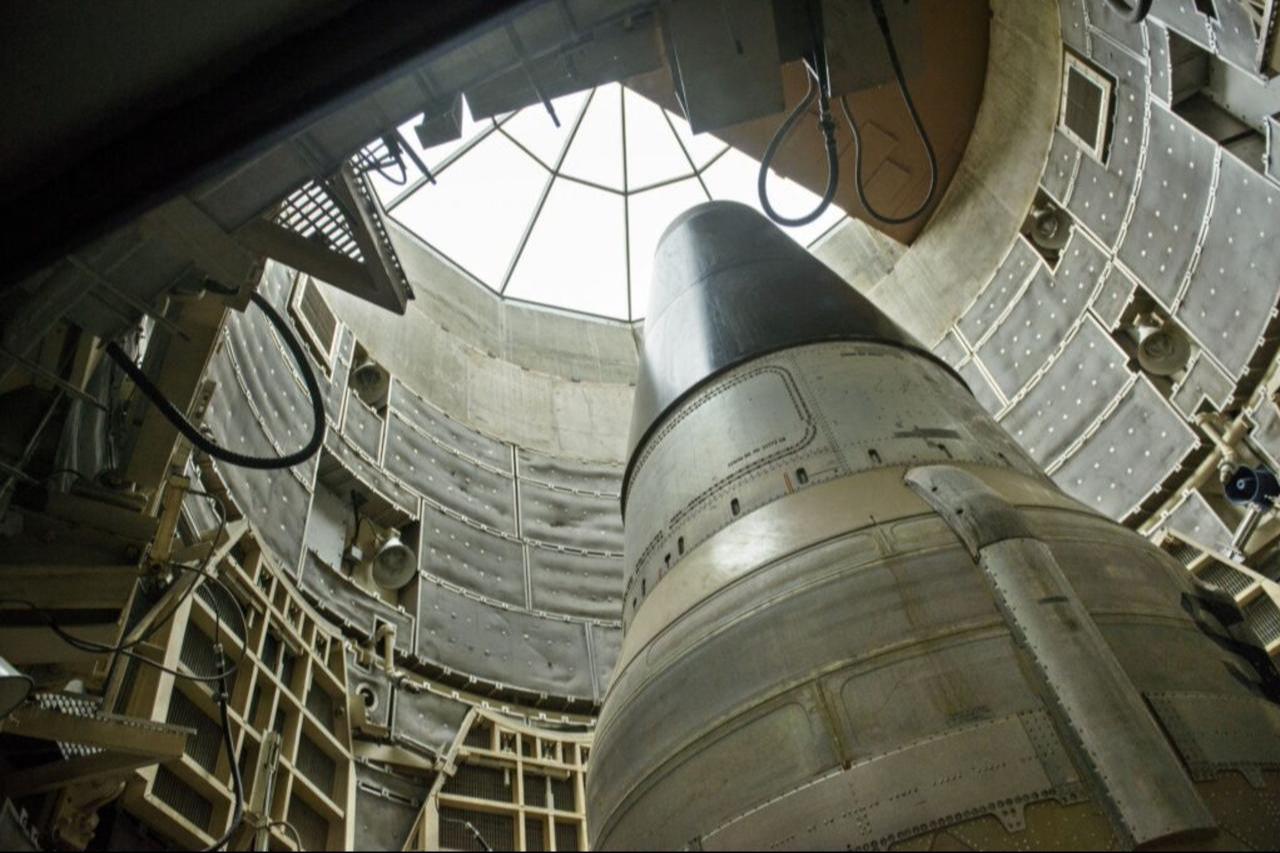

The Comprehensive Nuclear-Test-Ban Treaty Organization, or CTBTO, said its International Monitoring System did not detect an event consistent with a nuclear test explosion on June 22, 2020, the date cited by Washington.
It did, however, record two very small seismic events 12 seconds apart that day. Available seismic data has not established their cause with confidence.
Daryl Kimball, executive director of the Arms Control Association, said the NNSA experiment could improve U.S. ability to detect nuclear explosions that violate the treaty, but argued that effective detection and deterrence also require international cooperation.
He said very low-yield explosions could potentially escape the existing international monitoring system and described the available data concerning the alleged 2020 Chinese test as inconclusive.
China's last officially acknowledged nuclear test took place at Lop Nur in July 1996, two months before Beijing signed the CTBT. The U.S. and China both signed the treaty in 1996 but neither has ratified it, meaning it has not entered into force.
Tong Zhao, a senior fellow at the Carnegie Endowment for International Peace, said Washington has “genuine concerns” that China and Russia may have conducted nuclear tests inconsistent with their commitments as CTBT signatories.
He said improved U.S. detection could increase the risk for countries attempting to conceal prohibited tests and could also provide Washington with greater insight into foreign nuclear-warhead modernization programs.
Robert Kelley, a former U.S. Energy Department official and former director of nuclear inspections at the International Atomic Energy Agency, said the Nevada experiment appeared focused on detecting very small nuclear tests that could provide information about larger weapons or new technologies.
Kelley said China could potentially be conducting advanced nuclear experiments, including “subcritical tests,” while noting that U.S. work to detect increasingly small underground tests dates back at least to 1963.
John Erath, senior policy director at the Center for Arms Control and Non-Proliferation, described the experiment as part of longstanding U.S. efforts to identify nuclear explosions.
He said its focus on detecting decoupled explosions could explain the Energy Department's connection between the Nevada experiment and the alleged activity at Lop Nur.
The experiment comes as China continues expanding its nuclear arsenal.
A Pentagon report published in December estimated that China's People's Liberation Army remained on course to possess more than 1,000 nuclear warheads by 2030.
The Stockholm International Peace Research Institute estimated China's nuclear stockpile at up to 620 warheads as of January 2026 and said it was expected to continue growing over the coming decade.
Trump also ordered the resumption of U.S. nuclear testing in October 2025 for the first time since 1992, saying testing should resume on an “equal basis.”


 Set as preferred source
 Set as preferred source


 2 min read
 1 min read