Newsletters


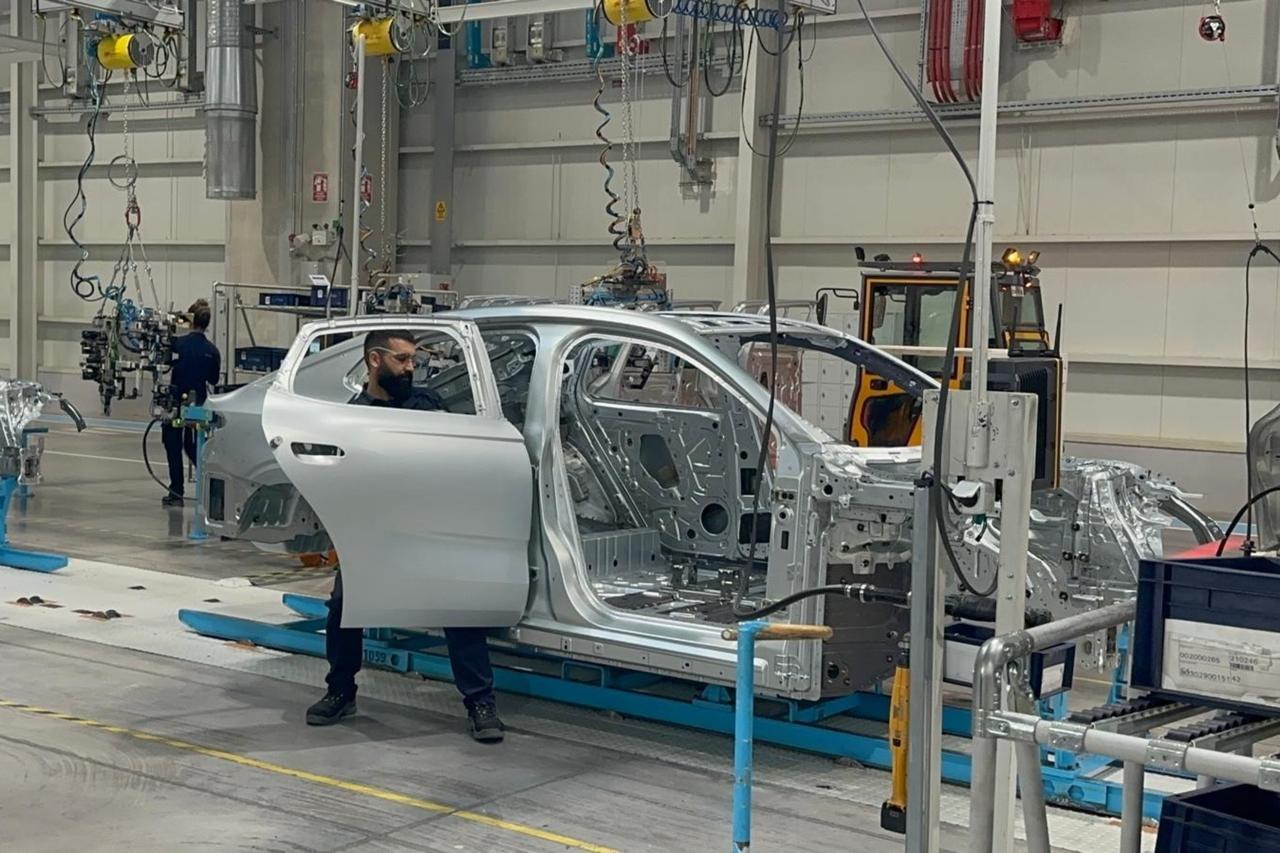


Türkiye's automotive industry is urging the European Union to include Türkiye in its efforts to counter China's aggressive export policies, arguing that Europe cannot build a more competitive automotive sector without Turkish manufacturers.
Speaking at a meeting on the sector's performance in the first nine months of 2026, Cengiz Eroldu, chairperson of the Automotive Manufacturers Association (OSD), acknowledged the bloc's efforts to protect its industry as part of the "Made in Europe" initiative but stressed that Türkiye must remain part of the European automotive value chain.
Eroldu pointed to a joint position paper published last month by Türkiye's automotive industry organizations, arguing that a stronger European automotive industry cannot be built without Türkiye and that both sides need to adopt similar policies to protect their industrial base.
He added that Türkiye's contribution to European competitiveness and its deep industrial integration remain insufficiently understood by European policymakers.
The European Commission's proposed Industrial Accelerator Act seeks to strengthen the bloc's industrial base by tying public procurement and support schemes to European-made products, including in the automotive sector.
Türkiye, which is outside the EU but closely integrated into its automotive supply chains through the Customs Union, is seeking full inclusion in the framework to prevent its manufacturers and suppliers from being disadvantaged under the new rules.
The debate over the "Made in Europe" initiative also raises questions about investments by Chinese automakers in Europe and Türkiye, Eroldu stressed.
He said the industry does not oppose foreign investment but emphasized that new projects should bring technology and create added value for Türkiye.
"Türkiye does not need new assembly plants. It needs investments that bring technology to Türkiye and conduct R&D in Türkiye," he said, adding that investments should also develop local suppliers and improve their competitiveness.
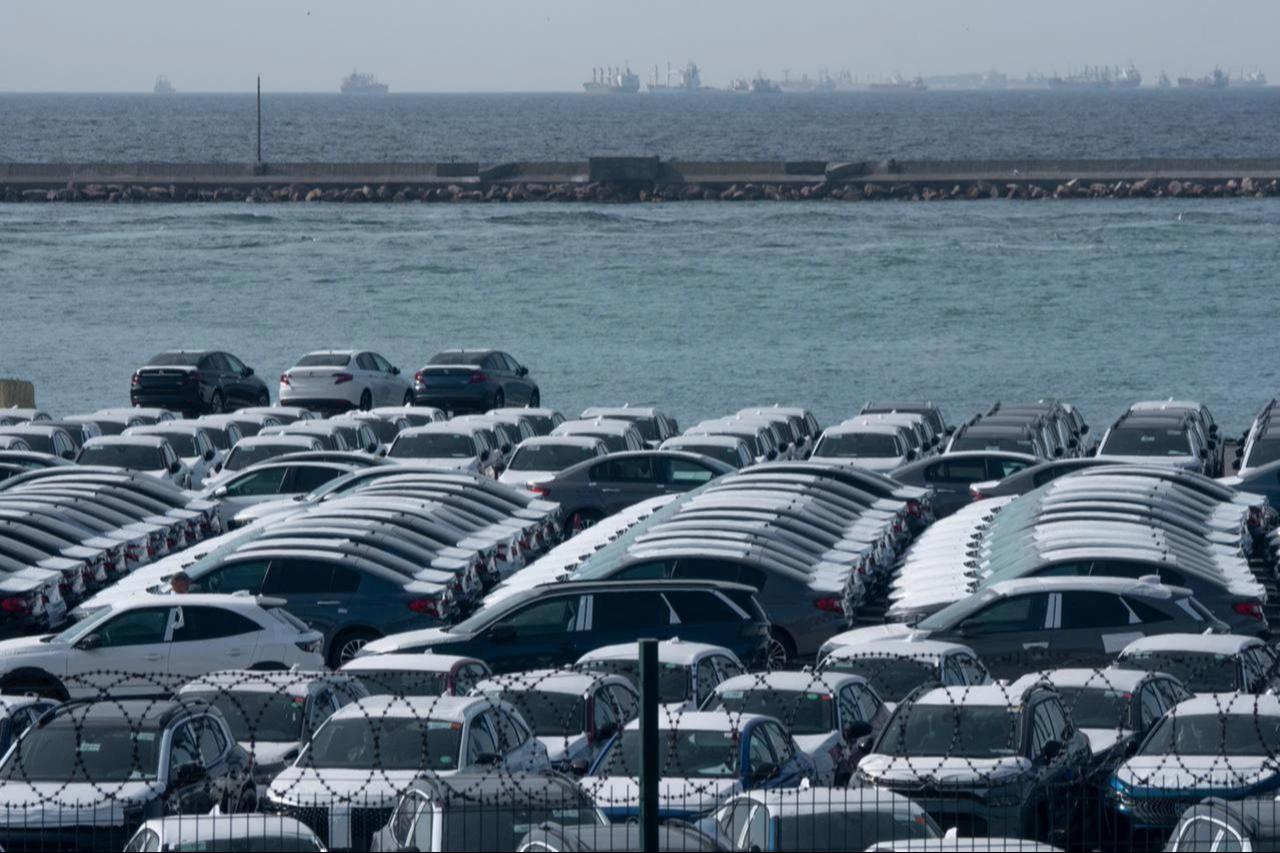

China's automotive exports reached 7.15 million vehicles in the first eight months of 2026, up 66.7% from the same period a year earlier, as manufacturers stepped up overseas shipments, according to industry data.
Chinese vehicles' share of the European market rose to 10% in the first eight months of the year, from 6% a year earlier.
The EU recorded a €359.8 billion ($402.2 billion) trade deficit with China in goods in 2025, while its automotive trade deficit stood at €17 billion, Eroldu noted.
He also highlighted a similar imbalance in Türkiye's trade with China, where the deficit stood at €33 billion.
Erold argued that the imbalance was unsustainable, with imports from China remaining high while Turkish exports to the country stayed limited.
In Türkiye, Chinese vehicles' share of the domestic market fell to 5.8% in the first nine months of 2026, down from 8.7% a year earlier. Eroldu attributed the decline partly to additional import duties.
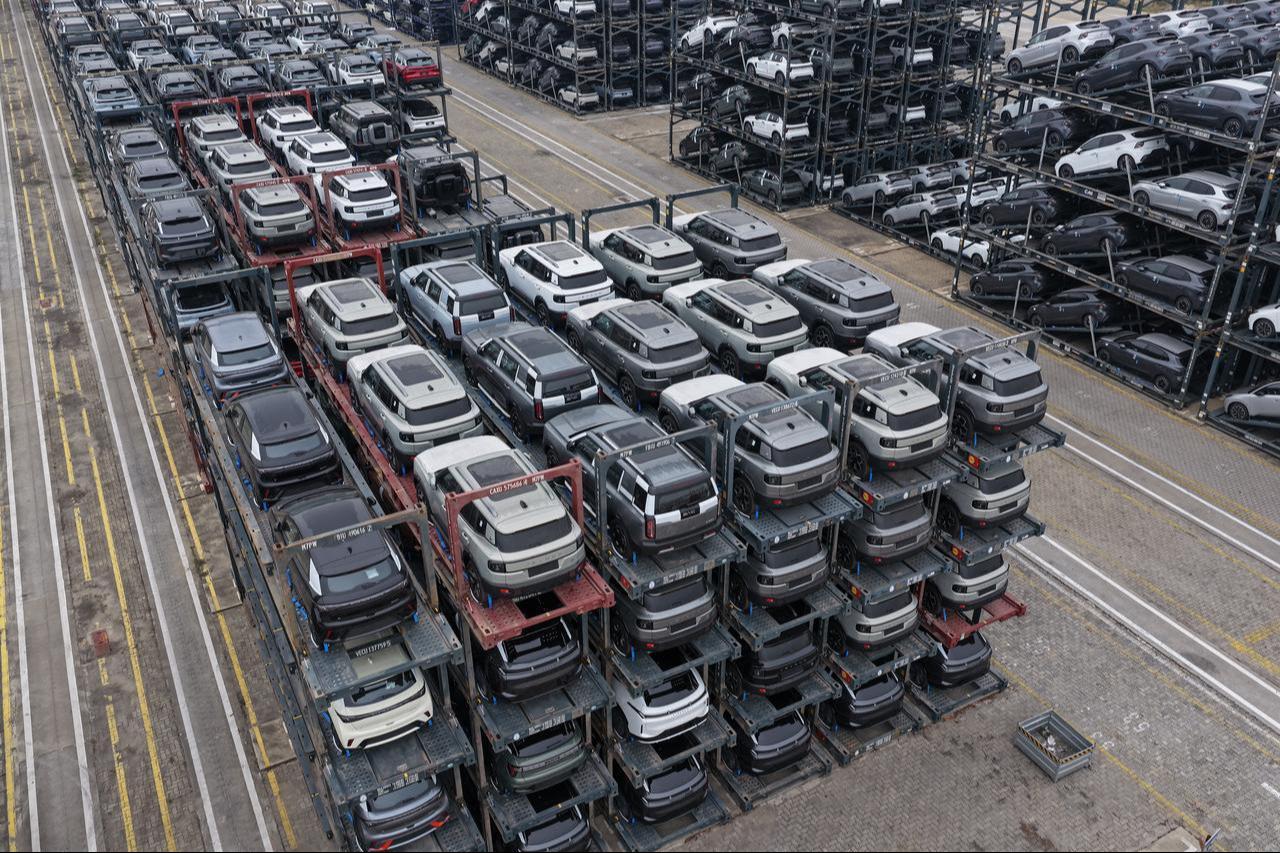
Türkiye's automotive production fell 6% year over year to 971,159 vehicles in the first nine months of 2026, while passenger car output dropped 17% to 528,366 units, according to OSD.
Automotive exports declined 11% to 685,671 vehicles, with passenger car shipments plunging 27% to 317,970 units. However, export revenue rose 3% to $31.1 billion, accounting for 17% of Türkiye's total exports, as higher-value, hybrid and technologically advanced vehicles boosted earnings.
The total automotive market contracted 13% to 832,521 vehicles, including a 15% drop in passenger car sales to 627,977 units. Despite weaker demand and tight financial conditions, domestically produced vehicles gained market share across passenger cars, light commercial vehicles and trucks.
Eroldu said the industry expects new investments to support a recovery in the final quarter and maintains that the full-year market will exceed 1 million vehicles.


 Set as preferred source
 Set as preferred source


 2 min read

 1 min read