Newsletters




U.S.-based Fitch Ratings cut its 2026 growth forecast for Türkiye to 2.8% from its previous estimate of 3.6%, citing the oil price shock stemming from the Iran war, while projecting a rebound to 4.4% in 2027.
In its June Global Economic Outlook report, titled "Oil Price Shock Hits Global Growth Expectations," the international credit rating agency lowered its forecast for global economic growth this year to 2.4% from 2.6%. Fitch expects the world economy to expand by 2.5% in 2027.
Türkiye's gross domestic product (GDP) expanded 2.5% year-over-year in the first quarter of 2026, slowing from 3.4% in the previous quarter, while quarter-on-quarter growth eased to 0.1%.
Higher energy prices are expected to push inflation higher, eroding household purchasing power and raising costs for businesses, according to the report. Those pressures led to weaker projections across most major economies.
The agency noted that stronger-than-expected investment in artificial intelligence is helping cushion part of the impact by supporting global trade and export activity across Asia.
The U.S. economy is now projected to grow by 1.9% this year, while the euro area's growth forecast was lowered to 0.9%. China stood out as an exception. Its growth estimate was raised by 0.3 percentage points to 4.6%, with the world's second-largest economy expected to expand by 4.3% next year.


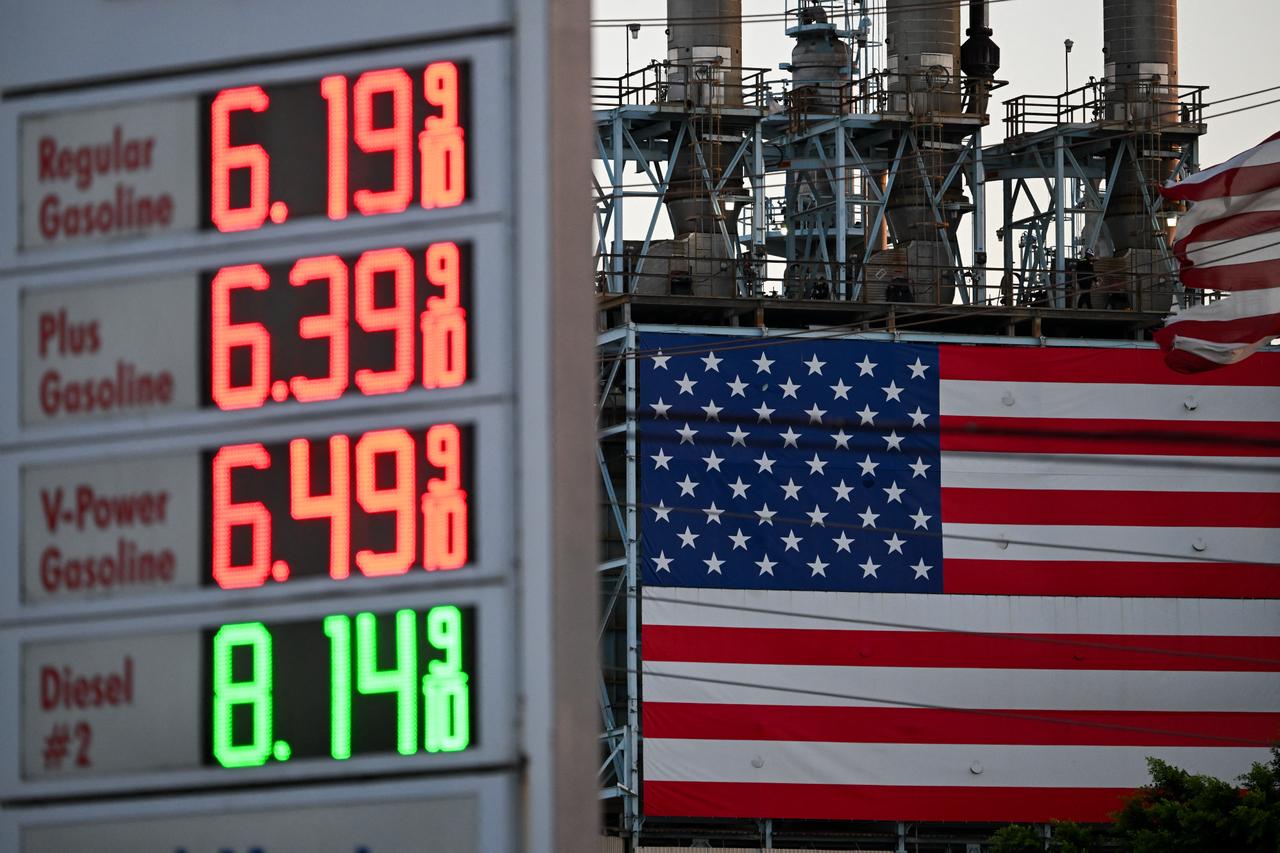
The latest projections are based on an assumption that the Strait of Hormuz remains closed for up to 14 weeks and does not reopen before July. Under that scenario, Fitch raised its average Brent crude forecast for this year to $87 per barrel from $70 previously.
"The oil shock poses a significant headwind to global growth, but our baseline scenario is far less severe than the disruptive oil shocks of the 1970s," the report said. Fitch also pointed out that oil consumption accounts for a much smaller share of global economic activity than it did decades ago, reducing the broader impact of rising prices despite the recent surge.
The inflationary effects of higher energy prices are expected to shape monetary policy decisions in major economies. The U.S. Federal Reserve and the Bank of England are expected to keep interest rates unchanged this year before returning to rate cuts in 2027.
Meanwhile, the European Central Bank (ECB) is forecast to raise rates by 25 basis points in June, with that increase expected to be reversed next year. According to the report, policymakers remain focused on preventing energy-driven price increases from becoming embedded in longer-term inflation expectations.


 Set as preferred source
 Set as preferred source


 1 min read

 1 min read