Newsletters


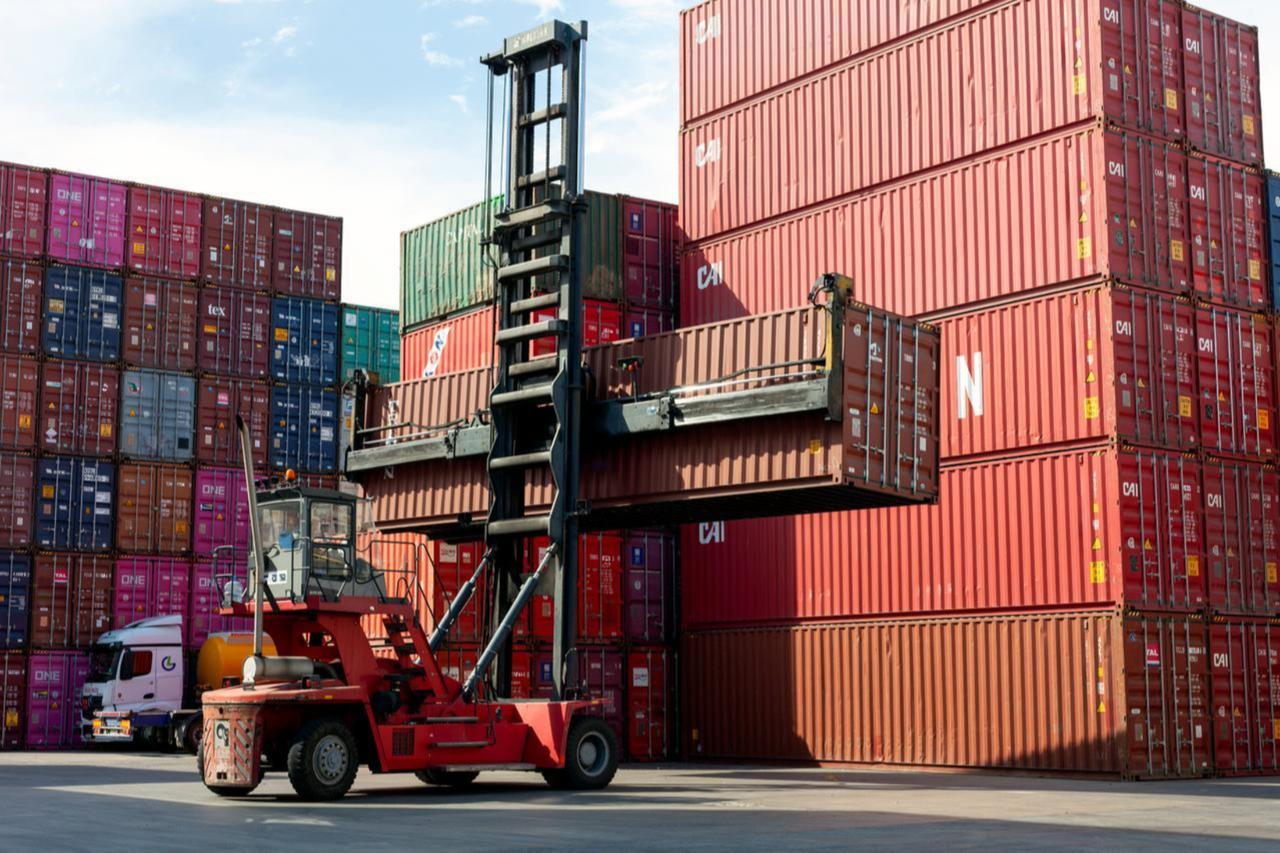


Türkiye's foreign trade contracted by about 10% in May from a year earlier as public holidays weighed on economic activity, reducing both exports and imports, according to preliminary data released by the Trade Ministry.
Exports dropped 9.3% from a year earlier to $22.5 billion in May, while imports fell 10.7% to $28.1 billion. As a result, Türkiye's foreign trade volume shrank 10.1% to $50.6 billion, while the trade deficit narrowed 15.7% to $5.6 billion.
Trade Minister Omer Bolat attributed much of the decline to the calendar effect, noting that official holidays, including the nine-day Eid al-Adha break, reduced the number of working days during the month. "Public holidays in May naturally had a negative impact on exports, but they also reduced imports and the foreign trade deficit, helping improve the export-to-import coverage ratio," Bolat said.
The ratio of exports to imports rose 1.2 percentage points from a year earlier to 80.1%. Excluding energy, the ratio reached 95.2%, while excluding both energy and gold it climbed to 97.6%.
Looking beyond May, Türkiye's trade figures showed modest growth in the January-May period. Exports increased 0.3% from a year earlier to $111.17 billion and imports rose 1.2% to $153.9 billion. Total trade volume climbed 0.8% to $265 billion, while the trade deficit expanded 3.6% to $42.7 billion.
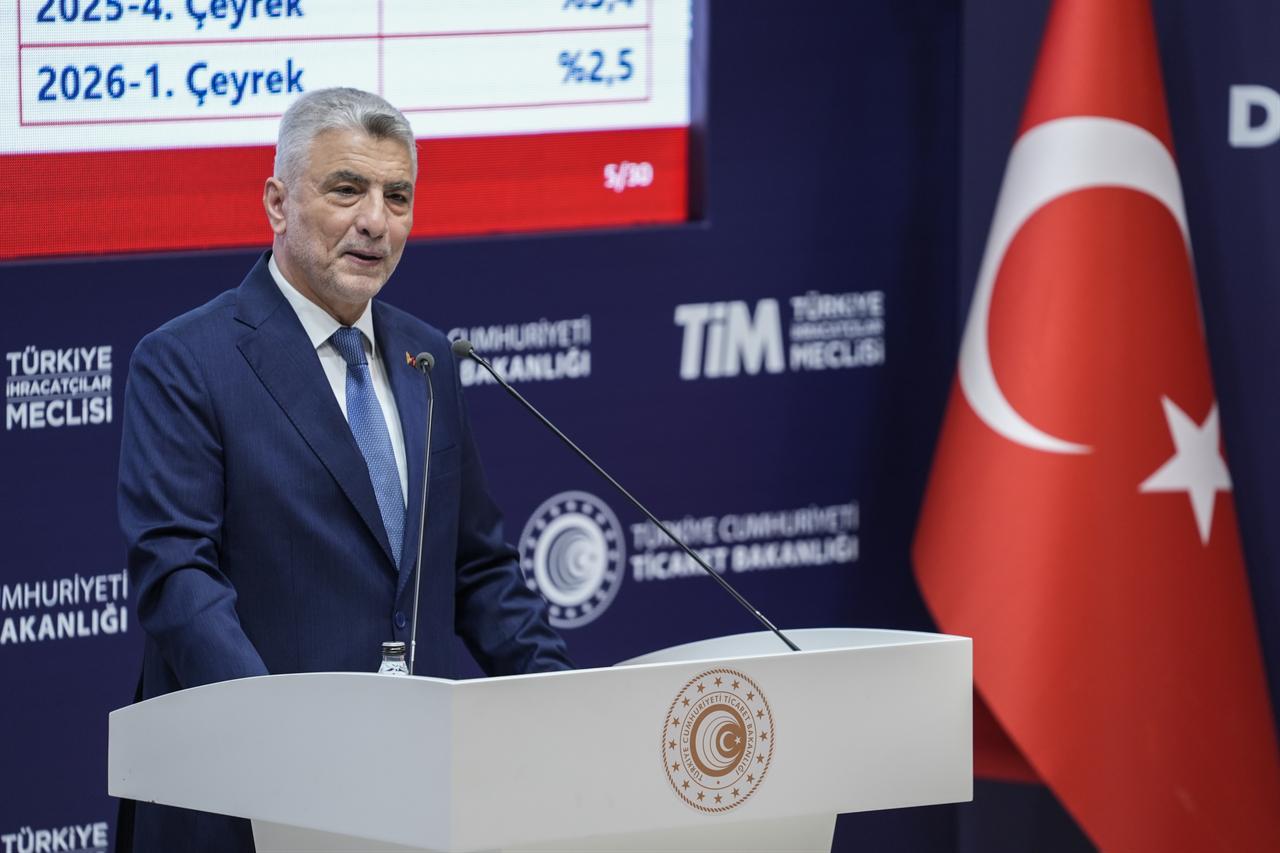

Bolat noted that annualized exports currently stand at $273.5 billion and expressed confidence that export performance would pick up in June, when no national or religious holidays are scheduled.
He also highlighted that Türkiye recorded its highest-ever daily export figure of $2.4 billion on May 22, while exports to Gulf countries began recovering after a sharp decline in March amid the Iran war.
However, data from the Türkiye Exporters Assembly (TIM) showed that exports to countries affected by the conflict—including the UAE, Iraq, Saudi Arabia, Iran, Qatar, Oman, Kuwait and Bahrain—totaled $1.5 billion in May, down 31.5% from a year earlier. Exports to those markets fell 26.1% year-on-year to $7.3 billion in the January-May period.
Bolat also pointed to the resilience of Türkiye's services sector despite ongoing geopolitical tensions. Services exports reached $122.6 billion last year, generating a trade surplus of $63.5 billion, while the government is targeting $128 billion in services exports in 2026.
Services exports totaled $21.6 billion in the first quarter, and Bolat said the sector had moved past its most challenging period, expressing confidence that year-end targets would be achieved.


 Set as preferred source
 Set as preferred source


 1 min read

 1 min read