Newsletters


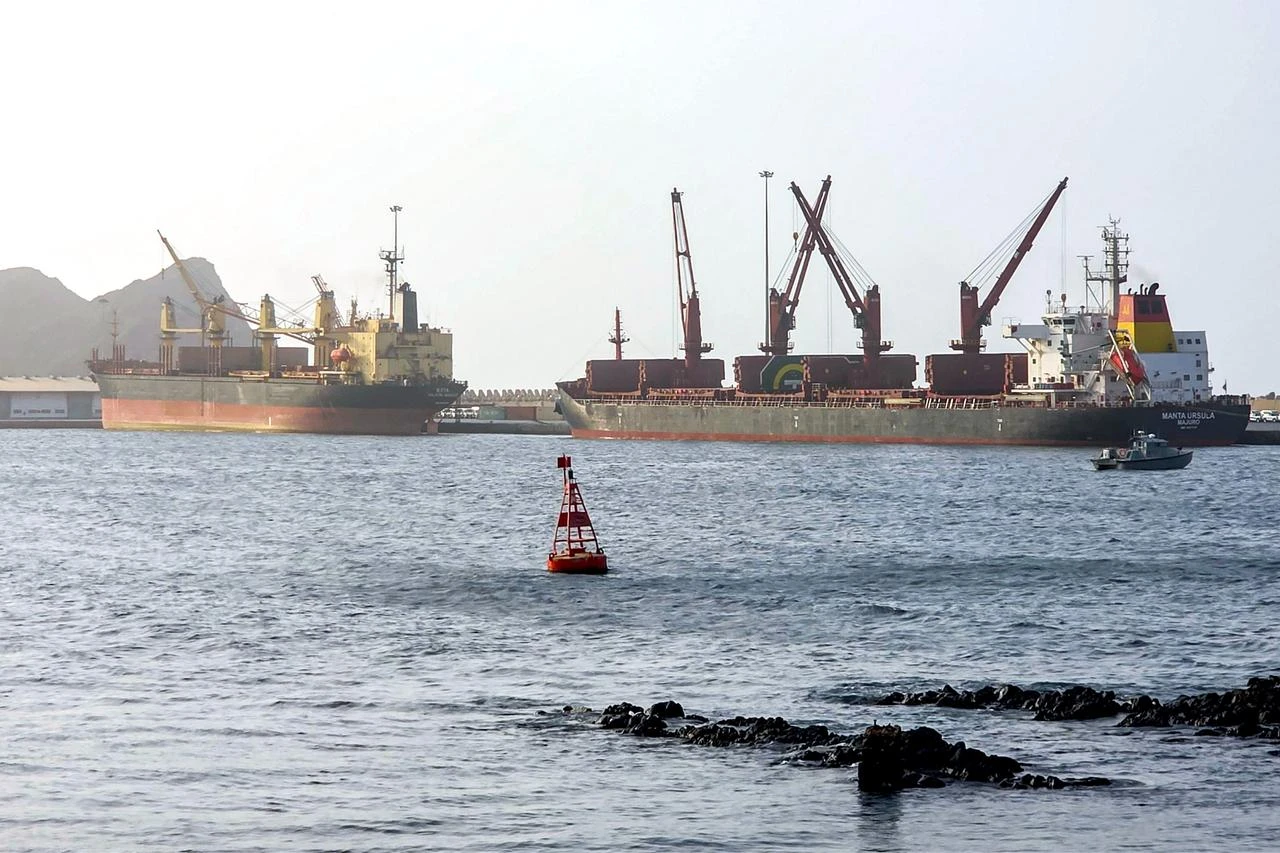


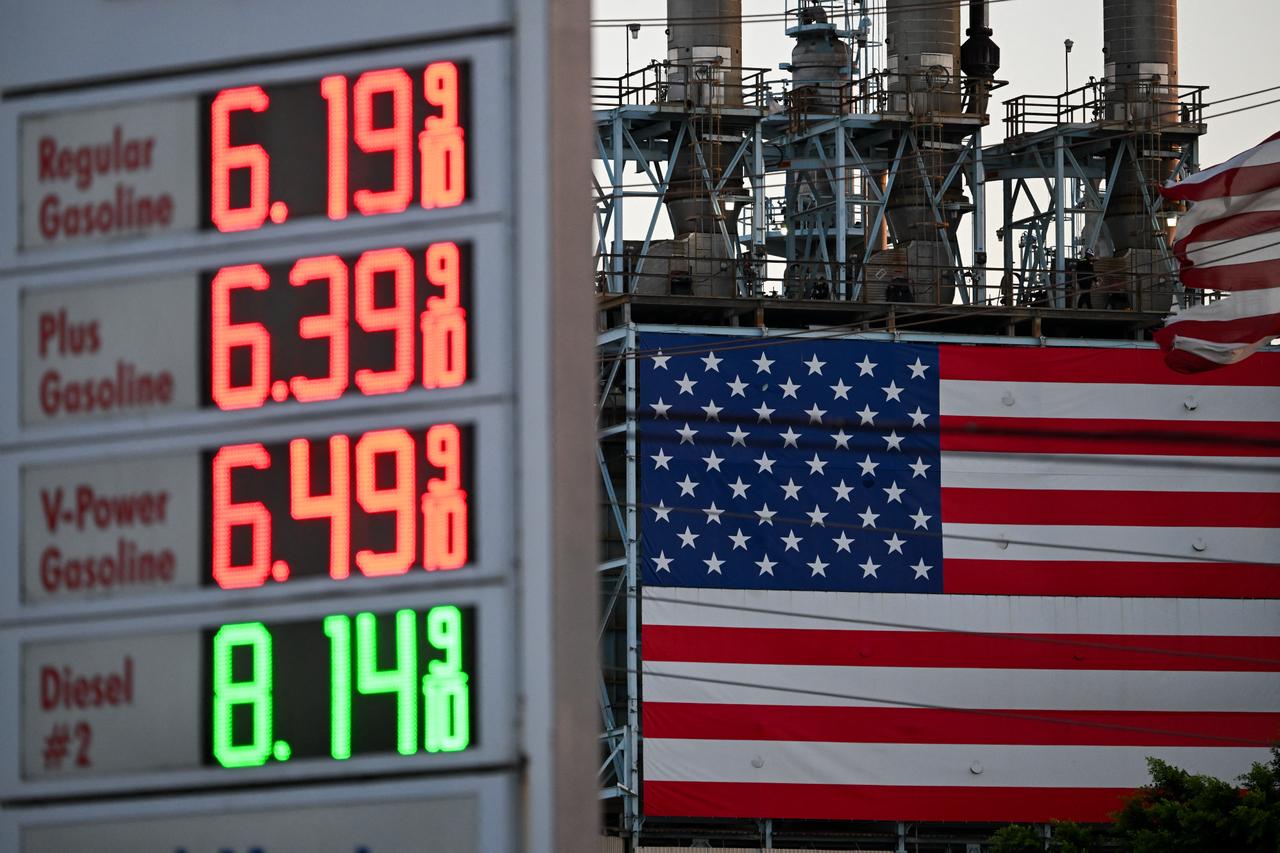
Oil prices fell more than 5% on Monday after the United States and Iran paused their recent exchange of attacks, raising expectations that a ceasefire could hold and talks on reopening the Strait of Hormuz could move forward.
International benchmark Brent crude dropped from $98.7 to $91.8 a barrel, while U.S. benchmark West Texas Intermediate (WTI) slid from $90.8 to $84.4 as of 5:55 a.m. GMT. The sharp decline came as traders scaled back concerns over potential supply disruptions in one of the world's most important oil shipping routes.
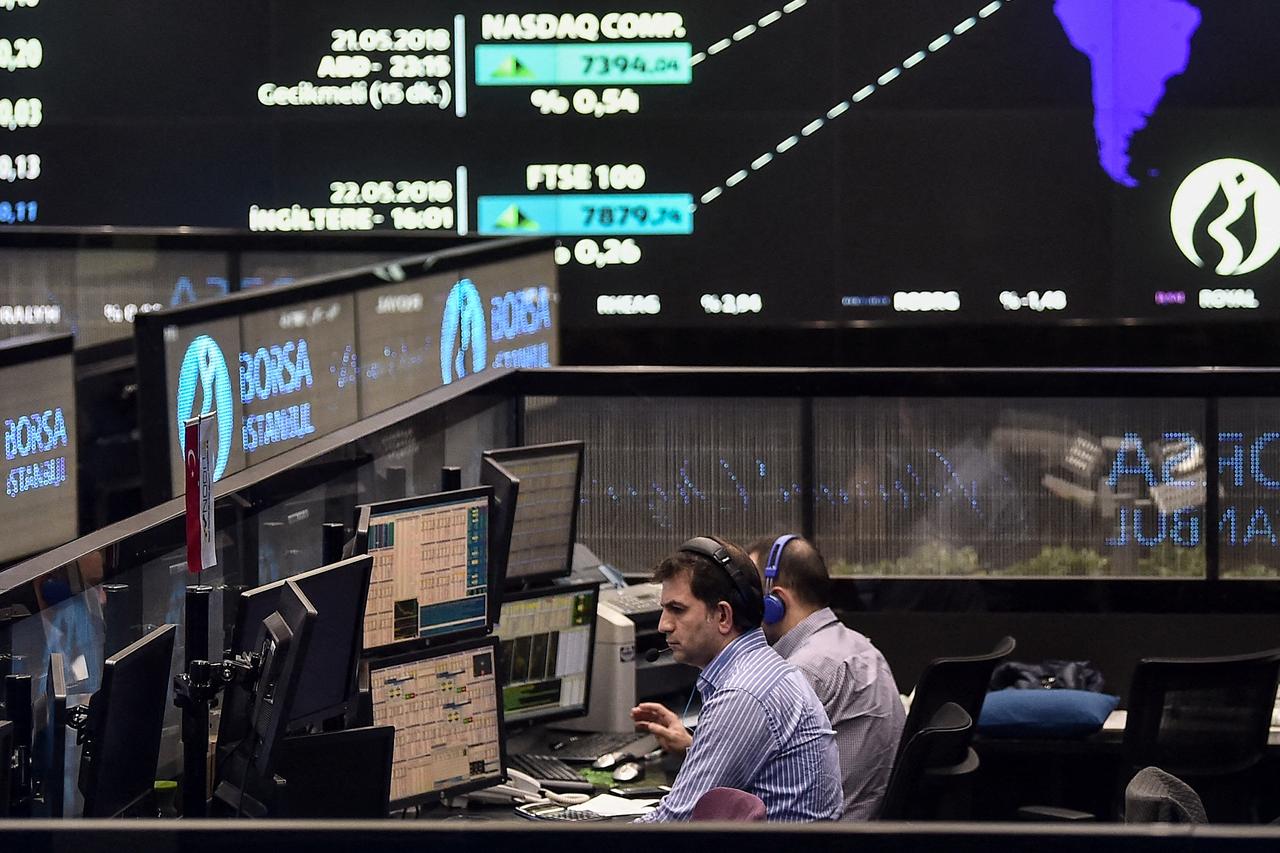
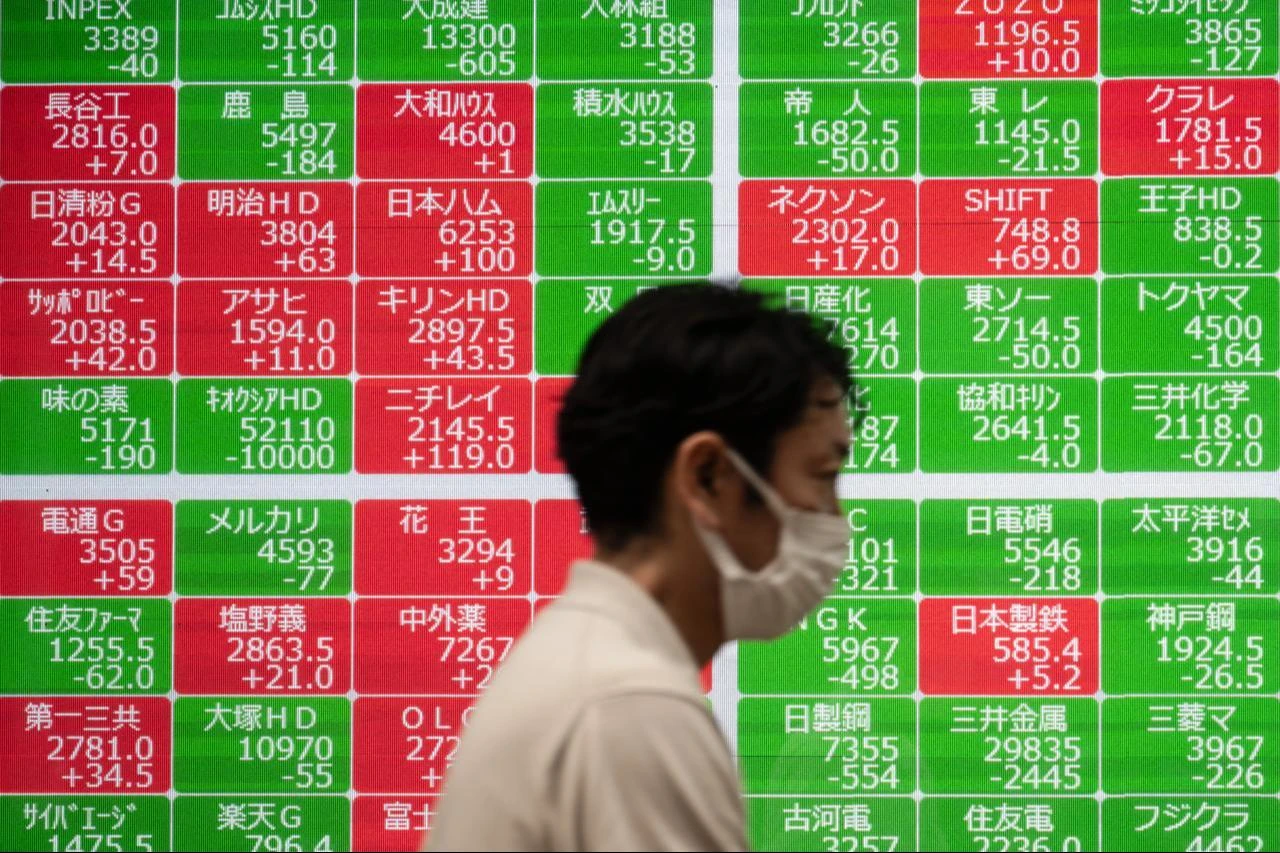
Global stock markets posted modest gains after oil prices pulled back. Japan's Nikkei 225 rose 0.3%, South Korea's Kospi gained 0.6%, Hong Kong's Hang Seng advanced 1%, and mainland China's Shanghai Composite added 0.6%.
In Europe, Stoxx 50 futures climbed 0.8%, while Germany's DAX futures rose 1%. U.S. markets also pointed higher, with Nasdaq futures up 1.5%.
Safe-haven and industrial metals extended their gains. Gold climbed 1% to trade above $4,100; silver jumped more than 2% to $59.50 per ounce, while palladium and platinum each gained over 2% to around $1,260 and $1,620, respectively.
Cryptocurrencies also moved higher, with bitcoin rising 2% to $65,560, ethereum advancing 4.7% to $1,970, and the overall cryptocurrency market capitalization increasing 1.8% to $2.2 trillion.

The Pentagon suspended its air campaign late Friday after 13 consecutive nights of strikes on Iran, with no U.S. attacks reported over the weekend.
Iran, which had responded to previous U.S. strikes by targeting neighboring countries hosting American military bases, has also refrained from launching attacks for two days.
The New York Times reported that U.S. President Donald Trump paused plans for a broader bombing campaign after military advisers warned that expanding the operation could dangerously deplete U.S. air-defense missile inventories.
A senior Iranian official told Reuters on Sunday that Tehran would halt its attacks as long as the United States maintained its pause in military operations.
Tehran has also signaled that diplomatic contacts remain active. Foreign Ministry spokesperson Esmaeil Baghaei said Iran continues to exchange messages with the U.S. but will not make concessions on the Strait of Hormuz or the release of its frozen assets, arguing that defending the country's sovereignty remains its top priority.
Baghaei emphasized that negotiations remain secondary to protecting Iran's territorial integrity and population.


 Set as preferred source
 Set as preferred source


 1 min read
 1 min read