Newsletters


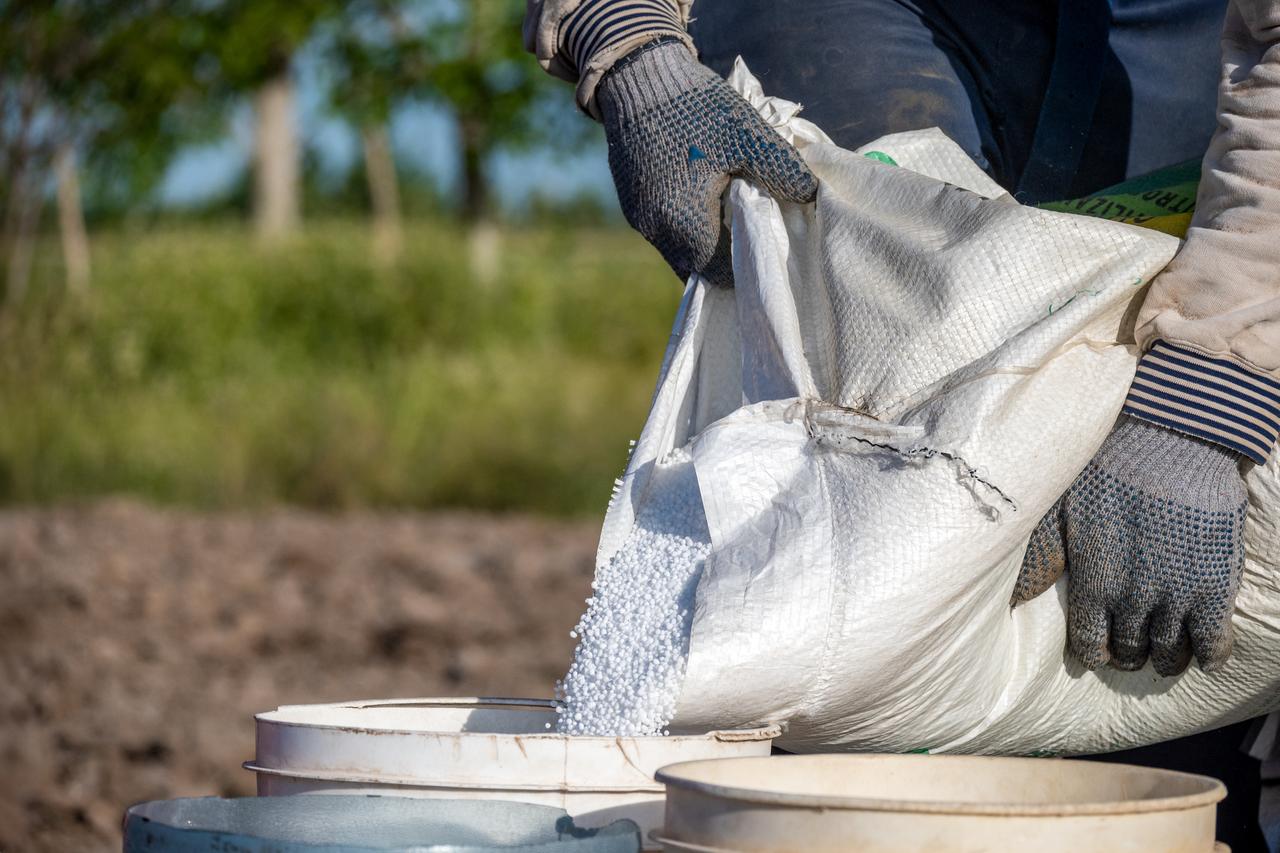


The effective closure of the Strait of Hormuz during the Iran war is choking the global fertilizer supply, pushing urea prices up 56% in a month and putting direct upward pressure on food prices as higher input costs force farmers to either pay more or cut usage.
Urea prices rose from $482 per ton on Feb. 27 to $750 by the end of March, as shipments through the strait — a key artery for fertilizer trade — were largely halted.
Roughly one-third of the global seaborne fertilizer trade and nearly half of urea exports depend on this route, making the disruption immediately visible in prices and supply.
The Gulf’s central role in fertilizer supply means the impact is immediate and widespread.
Shipping constraints through Hormuz are estimated to have cut the global fertilizer supply chain by 33%. Annual exports of 22 million tons of urea from the region have nearly stopped, while about 46% of global supply depends on Gulf producers, according to the data compiled by Anadolu Agency.
With around 20% of fertilizer trade passing through the strait, the blockage is disrupting a large share of global flows while also increasing freight costs and delivery times.
The supply shock is hitting both transport and production. Fertilizer manufacturing depends heavily on natural gas, which accounts for up to 90% of production costs. As gas flows were disrupted, plants across key regions were forced to shut down.
In Qatar, QatarEnergy suspended gas output and halted operations at a urea facility supplying 14% of global demand. The disruption spread quickly, forcing fertilizer plants in India and Bangladesh to stop production.
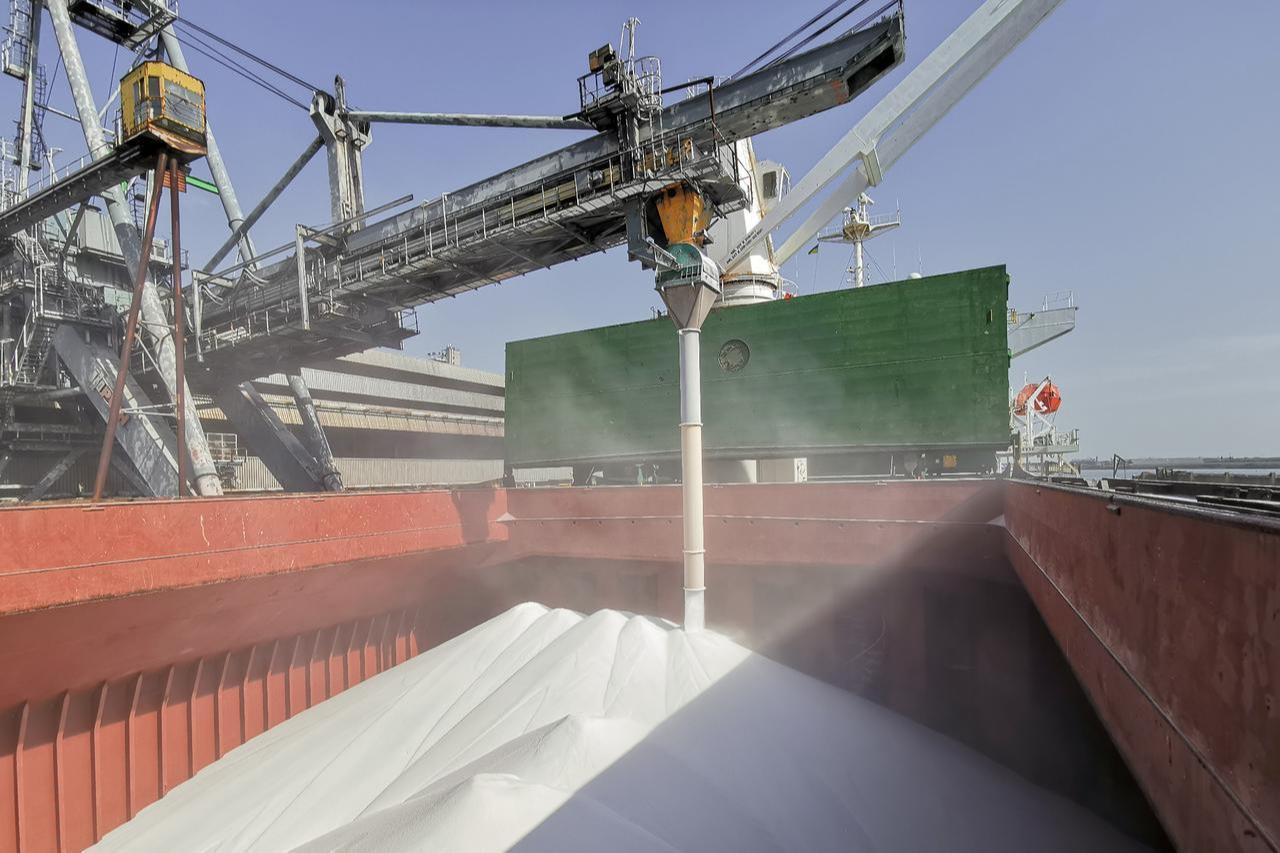

The fertilizer surge is already feeding into agricultural costs. Nitrogen-based fertilizer prices could double if the disruption continues, while phosphate prices may rise by over 50%.
Modern agriculture relies heavily on mineral fertilizers to sustain yields. Crop output per hectare has doubled since the early 20th century, with 48% of the global population depending on this productivity.
With supply now constrained, reduced fertilizer use could quickly translate into lower harvests and prolonged food price pressure. The crisis overlaps with the Northern Hemisphere’s spring planting season, when fertilizer demand peaks and crop decisions are made.
 Breaking News, Direct to You.
 Follow Türkiye Today on WhatsApp
for real-time updates and key insights from Türkiye and beyond.
Follow Türkiye Today on WhatsApp
for real-time updates and key insights from Türkiye and beyond.
In the United States, fertilizer stocks fell to 25% below seasonal averages, forcing farmers to either absorb higher costs or cut usage. Both options point to lower yields or higher food prices. Staple crops such as wheat, rice, corn and soybeans are directly exposed.
Countries dependent on Gulf fertilizer imports are facing immediate risks. India sources more than 40% of its fertilizer from the region, while Brazil—responsible for 60% of global soybean supply—relies on Hormuz routes for about half of its imports.
Supply is tightening further as major producers move to protect domestic markets. Russia suspended ammonium nitrate exports until April 21 and signaled possible broader restrictions. China, which accounts for 28% of global supply, halted exports of certain fertilizers in mid-March to secure domestic availability.
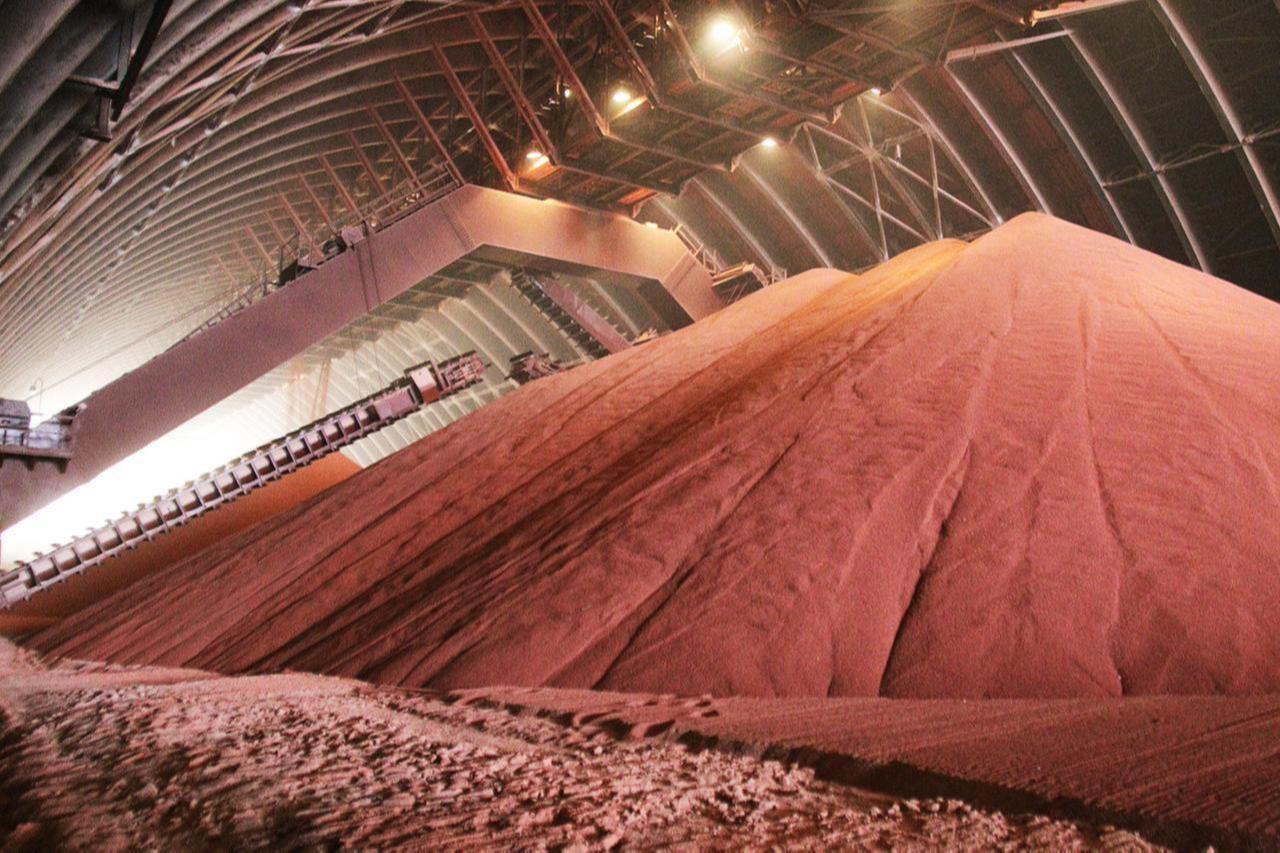
According to the United Nations Food and Agriculture Organization (FAO)'s Food Price Index, which tracks monthly changes in international prices of a basket of food commodities, global food prices were about 1% lower year-on-year as of February 2026 but rose 1.1% from the previous month, signaling mild upward pressure even before the conflict.
Compared to the record levels in March 2022, when a grain shock triggered by the Russia-Ukraine war disrupted Black Sea exports of wheat, corn and sunflower oil, the index remains 21.8% lower, but the Hormuz bottleneck suggests a similar pattern may be emerging.
FAO reported tanker traffic through the waterway dropped by 90%, warning of a "systematic shock" to global food security. Chief Economist Maximo Torero warned that the impact will not ease quickly.
"Even if conflicts stop today, it may take 2 to 3 months for costs to stabilize," he noted, adding that higher fuel and fertilizer costs are creating a "double shock" that could cut usage and reduce yields.
In response, the U.N. set up a task force on Friday to keep fertilizer trade moving through the Strait of Hormuz, aiming to maintain key supply flows and limit further disruption.
The team will work with member states to roll out a mechanism based on the Black Sea Grain Initiative, a UN-backed deal that enabled Ukrainian grain exports through a conflict zone, to keep fertilizer and raw materials moving.


 Set as preferred source
 Set as preferred source


 1 min read
 1 min read