

 Newsletters


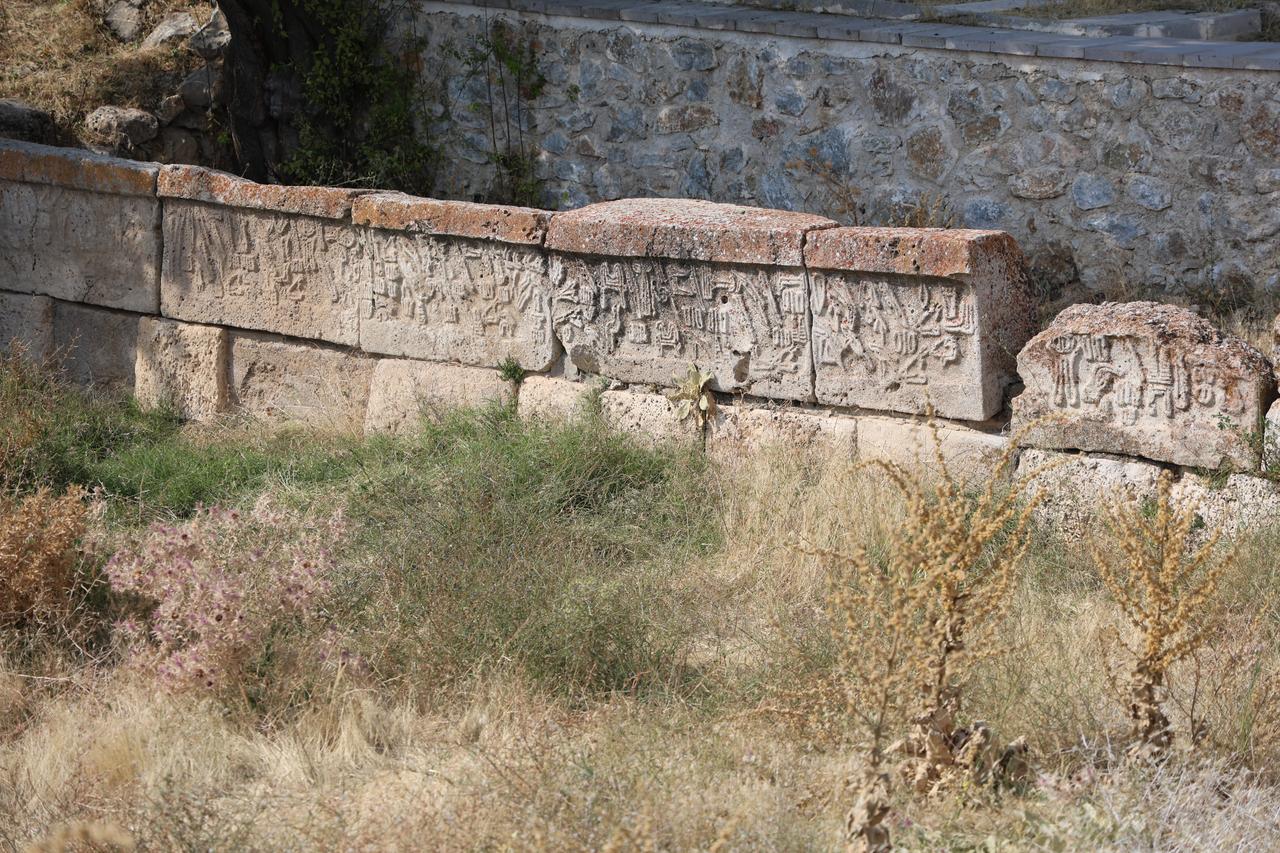


Hieroglyphic inscriptions carved into the Yalburt Hittite Water Monument in central Türkiye around 3,250 years ago are still helping researchers trace Hittite military campaigns and reconstruct the ancient geography of western Anatolia.
Located about 23 kilometers (14.2 miles) northeast of Ilgin district in Konya, the monument dates to around 1250-1260 B.C. and contains an unusually large number of hieroglyphic inscriptions describing the western campaigns of Hittite ruler Tudhaliya IV.
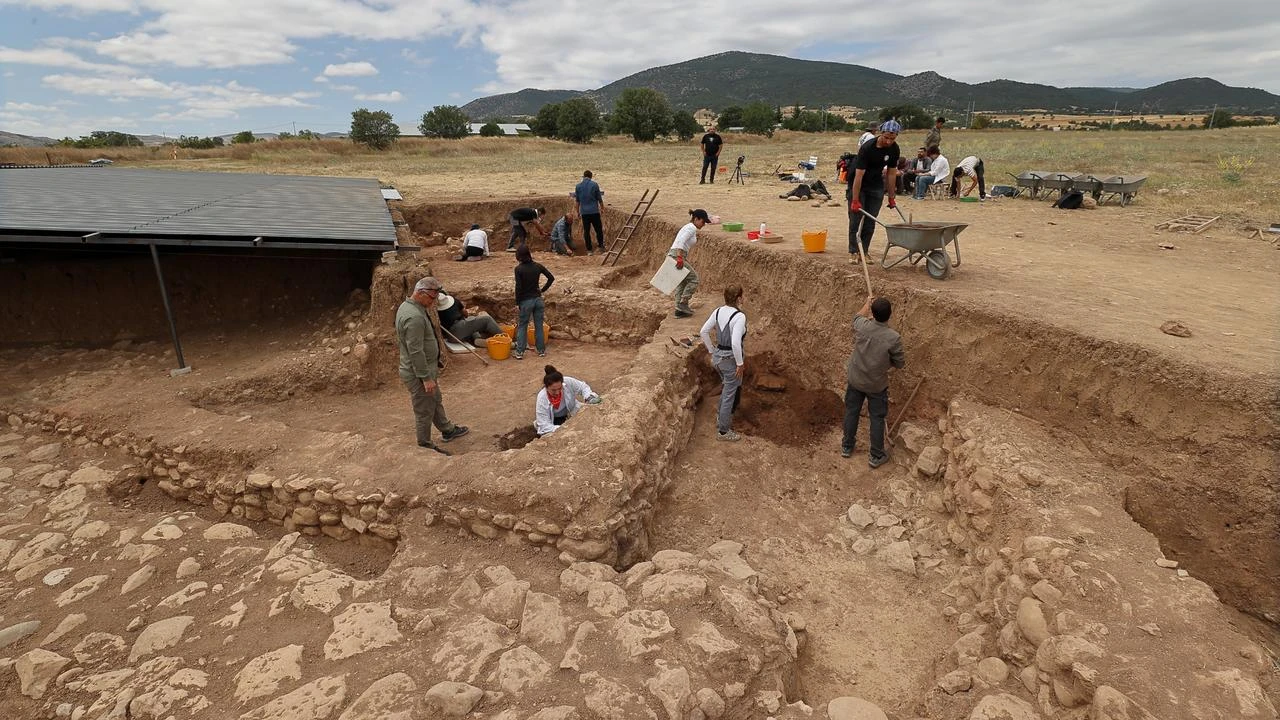
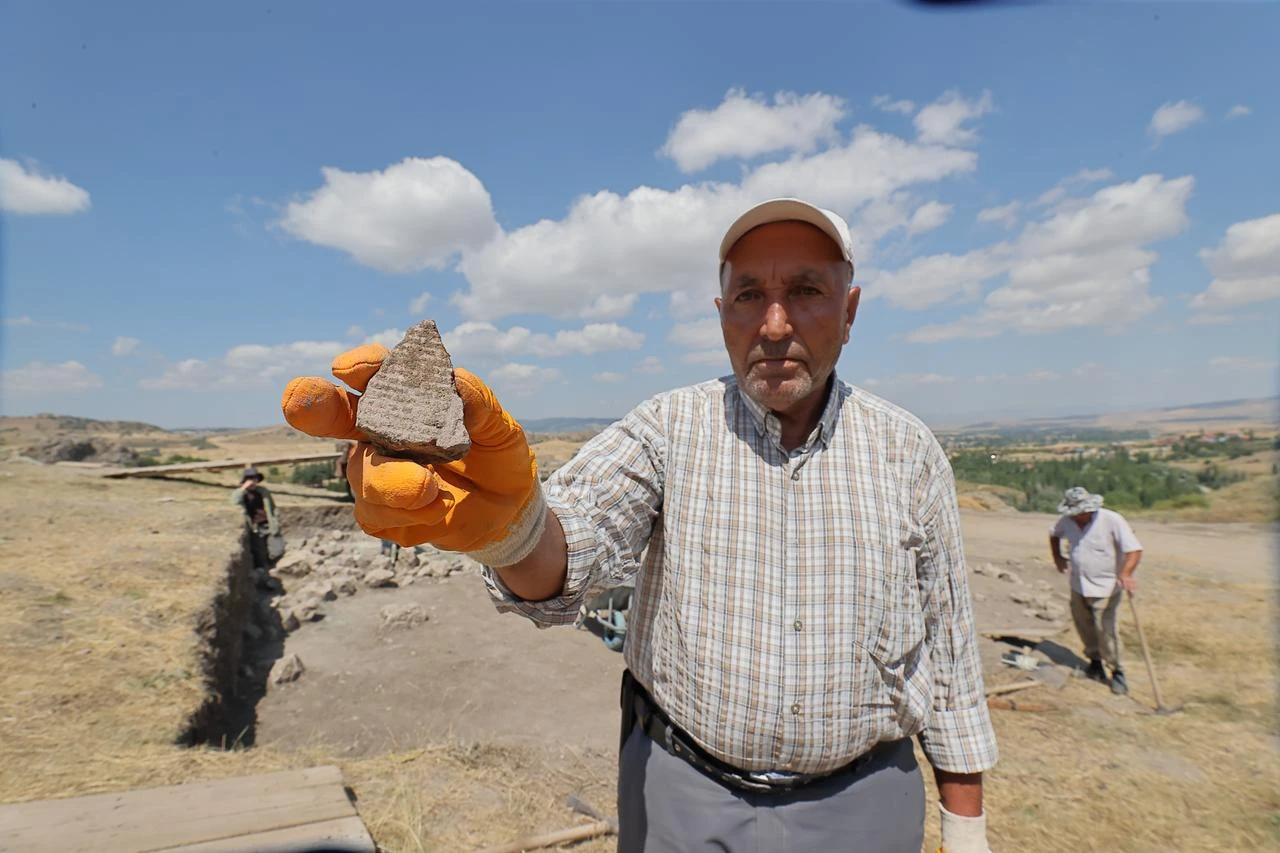
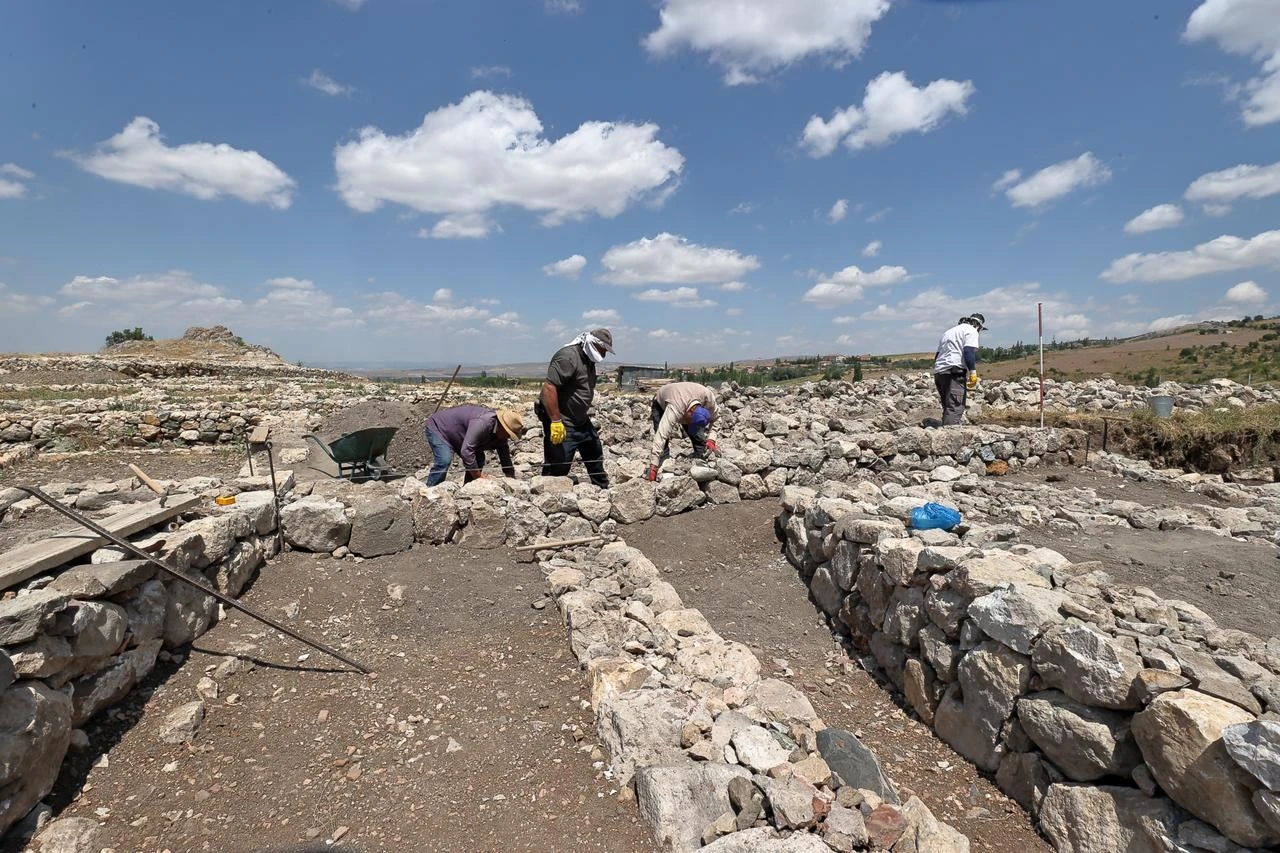
The monument was discovered in 1970 when a bulldozer uncovered it during roadworks, after which archaeological work brought the structure to light.
Selcuk University historian Hasan Bahar said the concentration of inscriptions around the pool made the site particularly unusual among surviving Hittite monuments.
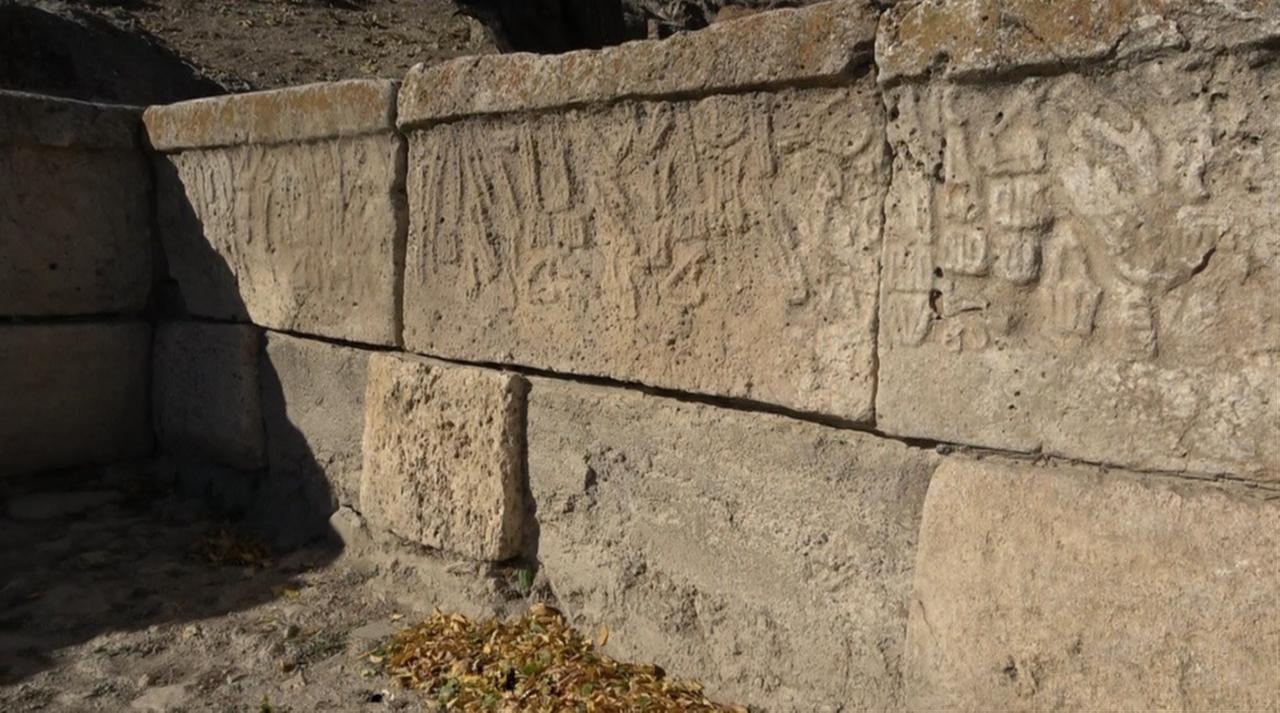

Bahar described the monument as a kind of historical guide to western Anatolia because its inscriptions set out the places visited during Hittite military operations.
He said the texts refer to cities and routes connected with campaigns toward Arzawa, a kingdom that repeatedly came into conflict with the Hittites in western Anatolia.
According to Bahar, the wider Konya region held long-standing military importance because Hittite forces used it while moving toward western Anatolia.
He added that Hittite rulers had paid attention to the area from the early period of the kingdom, with campaigns around Konya also appearing in the annals of Hattusili I.
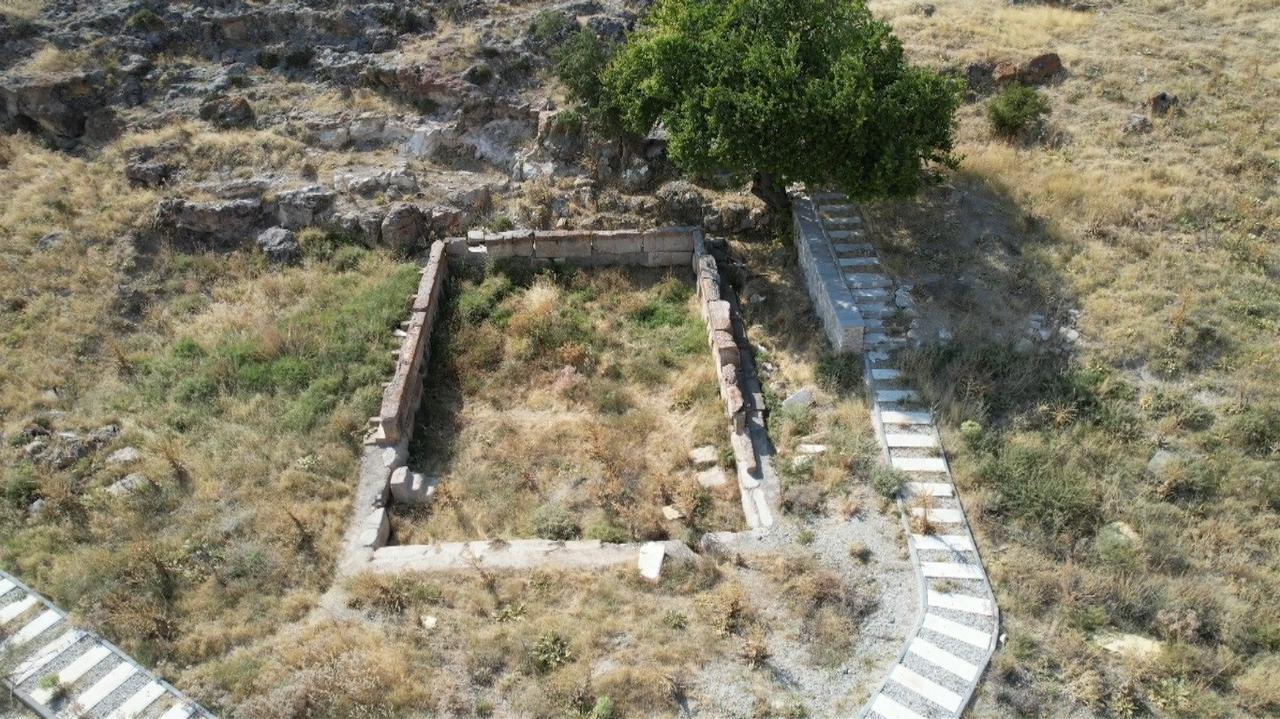
Bahar said Tudhaliya IV appears to have come through Ilgin before setting out toward western Anatolia, with armies gathering on the Ilgin Plain as preparations were made for the campaign.
"The history is almost written there. Tudhaliya IV tells of his campaign through the hieroglyphic inscriptions at Yalburt and explains which cities he went to in western Anatolia," Bahar said.
He added that the inscriptions record both the ruler's achievements and elements of the region's historical geography, including settlements known at the time.
"This means we are looking at 3,250 years of history written here in hieroglyphs. I could describe it as one of the earliest histories of Anatolia written in the open air," he said.
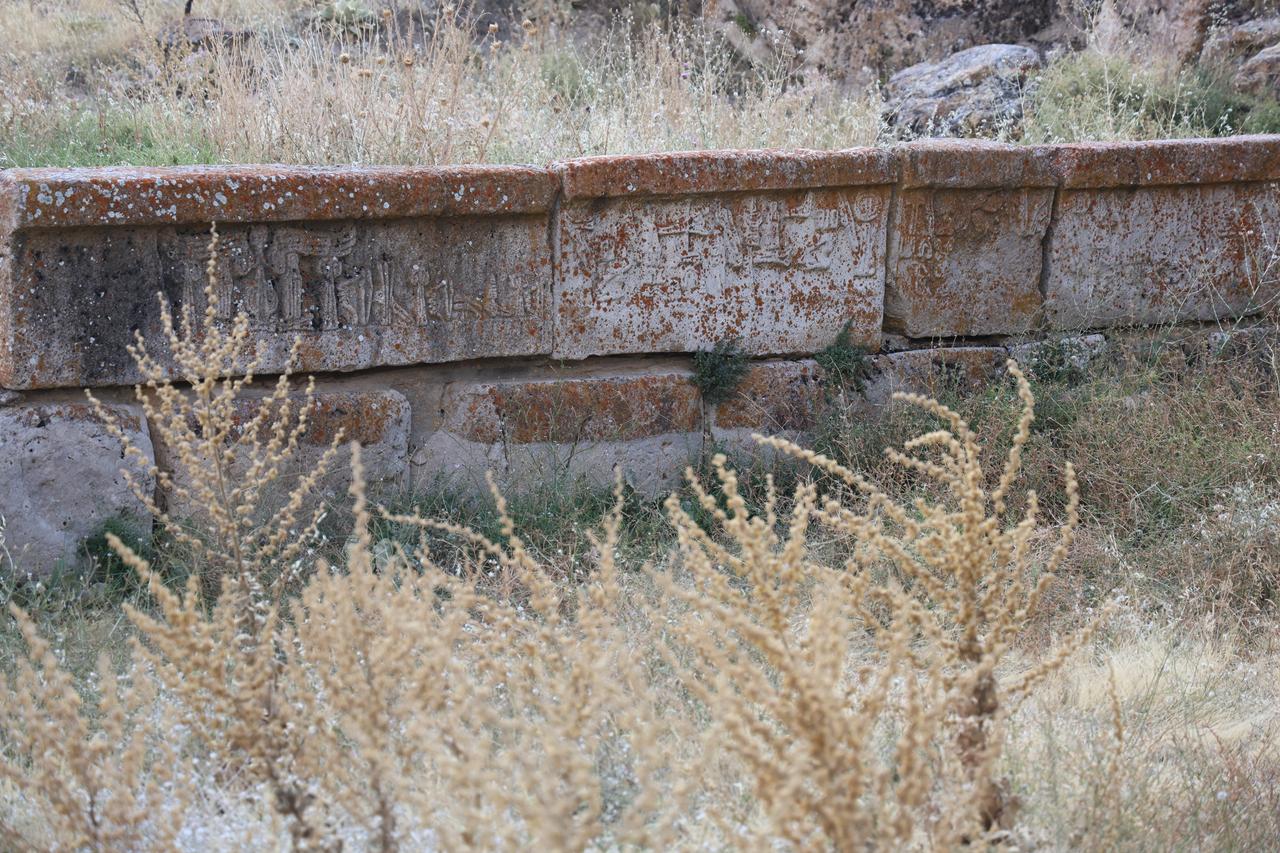
Bahar also drew attention to the condition of the monument and said existing protection measures were not sufficient to shield the inscriptions from long-term environmental damage.
He said drainage work had previously been carried out with support from cultural authorities, museums and Konya Metropolitan Municipality to prevent water from building up around the site and to reduce erosion.
However, an earlier protective covering dating back to work carried out in the 1970s had eventually broken down under rain and wind.
 1 min read
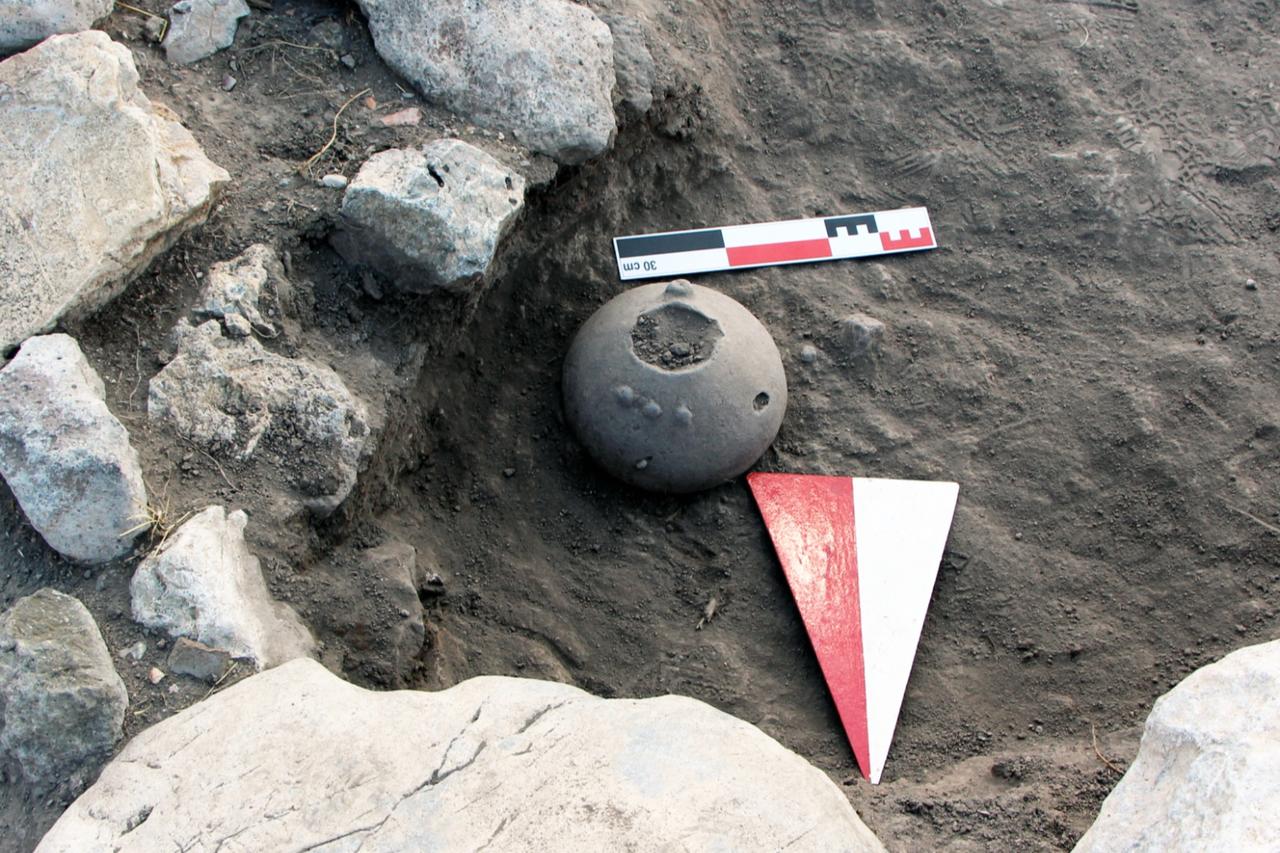
Bahar argued that the monument should now be placed under stronger protection, warning that exposure to rain, sunlight and other natural conditions was causing cracks and contributing to the collapse of some inscribed blocks.
"The site must definitely be placed under stronger protection. In my view, it should be enclosed to protect it from the effects of rain, sunlight and nature," he said.


 Set as preferred source
 Set as preferred source


 1 min read


