Newsletters




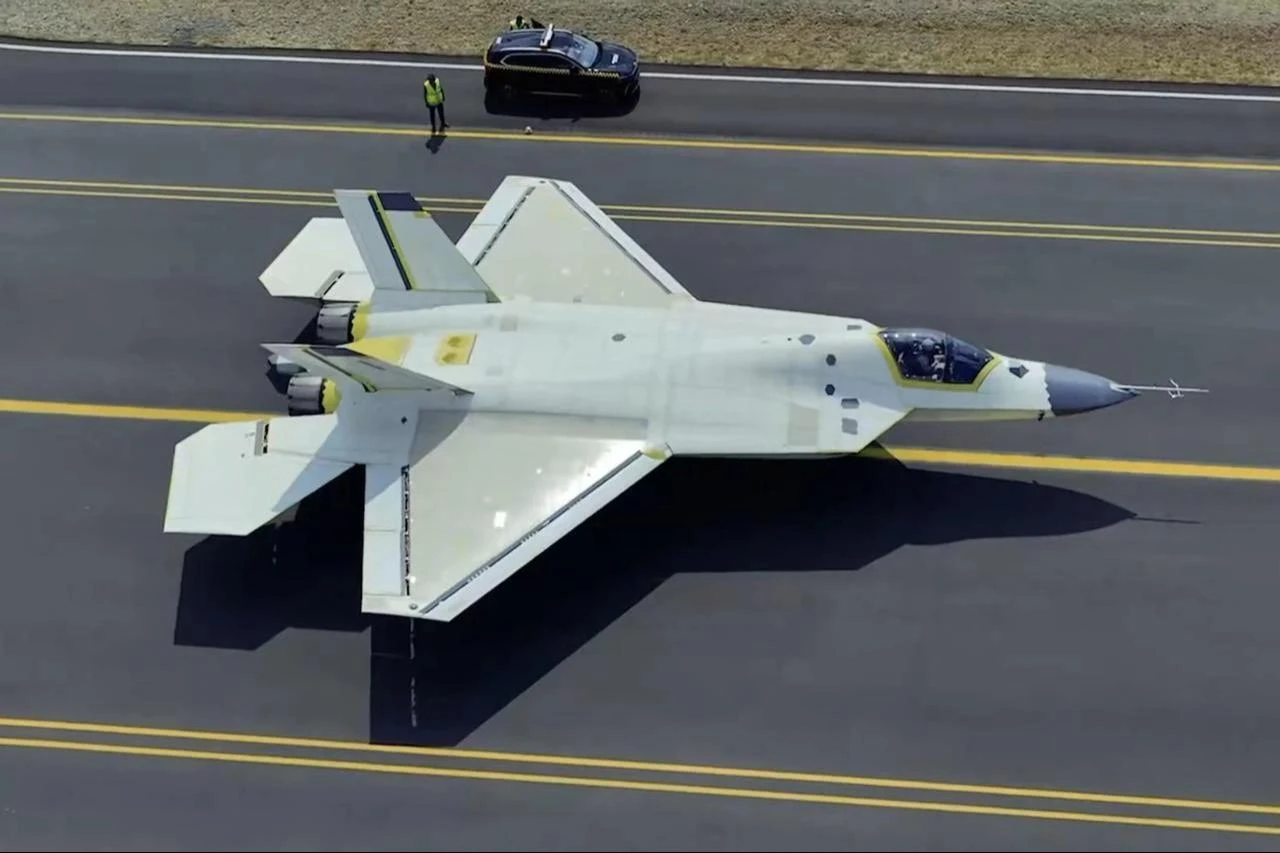
As Türkiye works feverishly to begin testing the new prototypes of its fifth-generation National Combat Aircraft (MMU) Kaan and get the first units off the assembly line by the late 2020s, it must decide what it wants to do next on the "sixth-gen" front—and with whom.
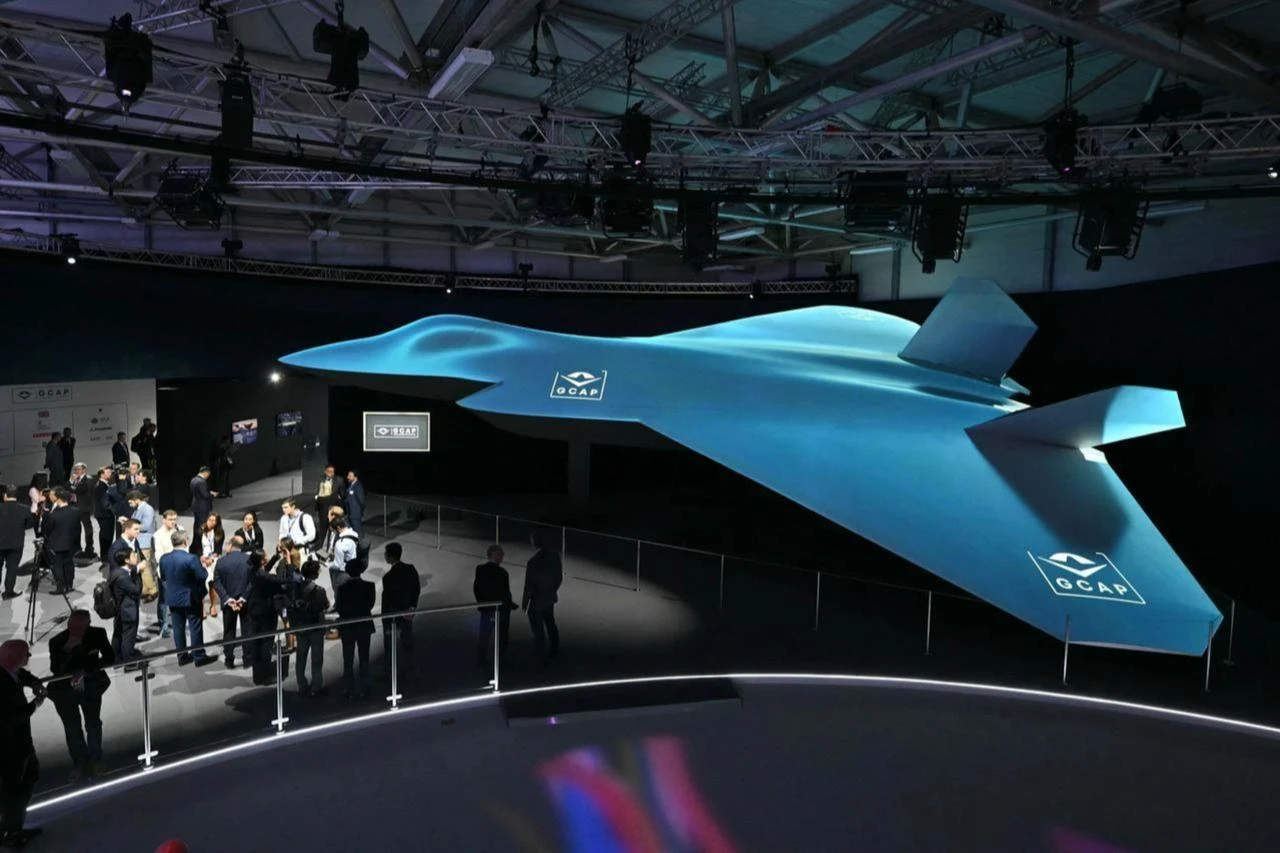
One of the most logical options is the Global Combat Air Program (GCAP), the joint venture between Italy, Japan, and the United Kingdom. Canada joined GCAP a few weeks ago, although it remains unclear whether that will change the partnership structure of the program, which is divided evenly between Leonardo, JAIEC/Mitsubishi Heavy Industries, and BAE Systems.
GCAP, now incorporated as "Edgewing," envisions a crewed fighter aircraft with advanced stealth features, an adaptive cycle engine, sensor fusion and artificial intelligence, combat cloud and multi-domain command and control systems, as well as manned-unmanned teaming with "loyal wingman" drones.
Heeding the advice of Türkiye Today contributor and independent defense analyst Arda Mevlutoglu that "5th-gen" and "6th-gen" are U.S. defense establishment designations and that one should be careful when using them in other contexts, the Turkish military-industrial complex has several ways in which it could partner up with GCAP.
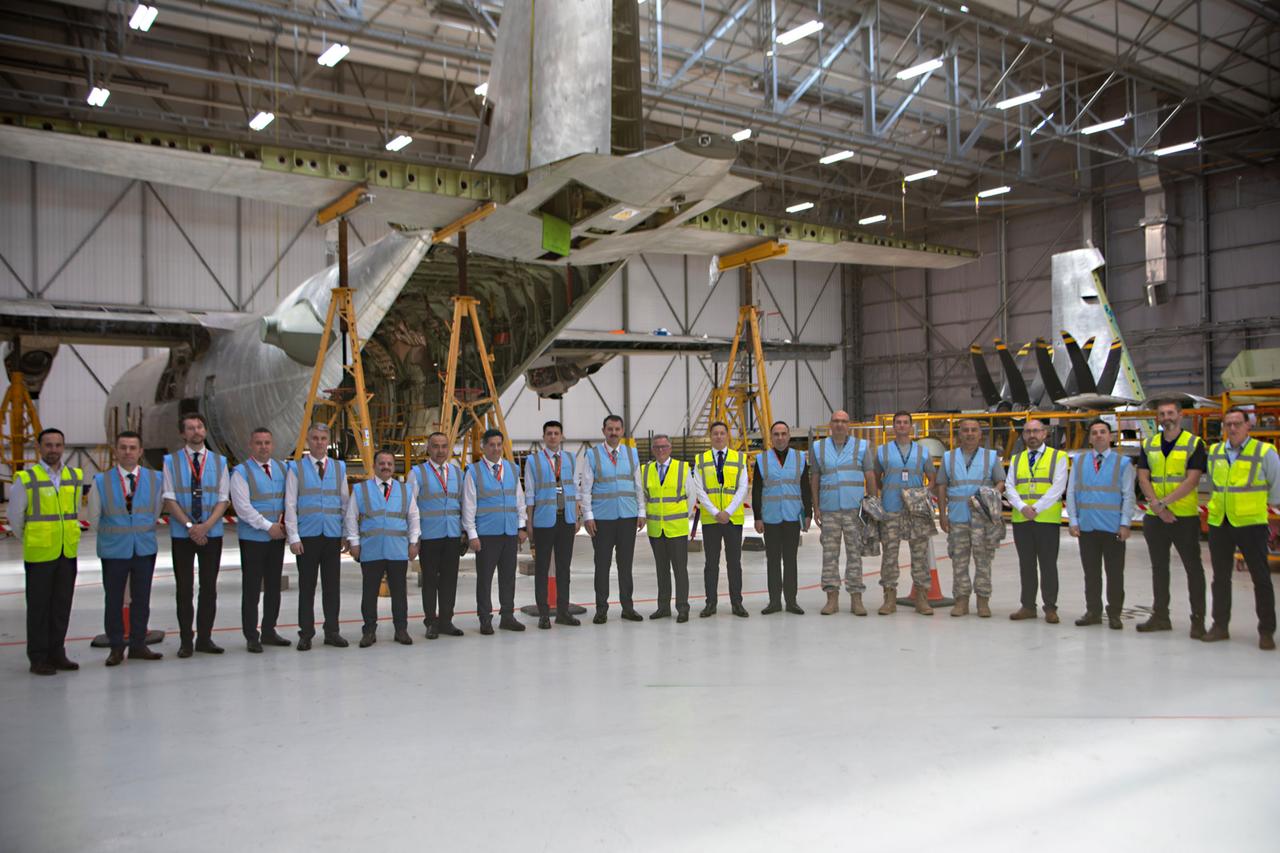
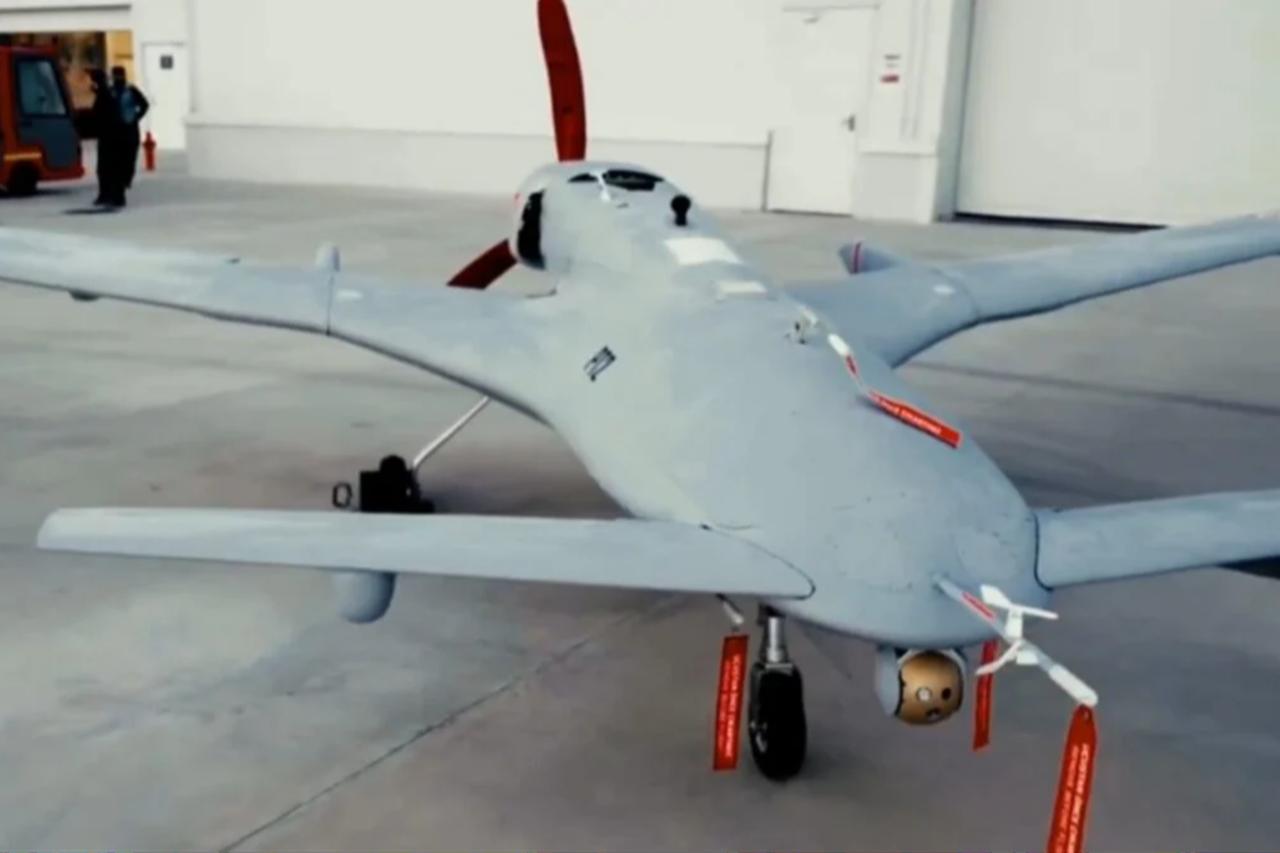
The MMU Kaan is already contributing to the knowledge base of its main contractor, Turkish Aerospace Industries (TAI / TUSAS), and its strong suit in airframe construction, systems integration, and quality management. To those capabilities, the MMU Kaan is adding lower radar cross-section designs, stealth coatings, a powerful electronic warfare suite, and the ability for operators to partner with unmanned aerial systems (UAS), such as TAI’s Anka-3 flying wing drone and Baykar’s Kizilelma multirole fighter.
In fact, both the previous and incumbent TAI CEOs are on record as saying that the company has begun conceptual studies on what a "Turkish sixth-generation" fighter jet would look like.
Meanwhile, what GCAP and its current partners could offer Türkiye are just as impressive. GCAP partners could expedite TAI subsidiary TEI’s work on building the indigenous turbofan engine, the TF-35000, for the MMU Kaan.
More importantly, the politics of GCAP would allow Ankara to maintain its strategic autonomy while keeping it anchored to NATO and building new bridges to Japan, a global tech giant that has expressed interest in Turkish UASs in recent months.
According to retired Turkish Ambassador Fatih Ceylan, who dealt extensively with military matters and defense industrial partnerships during his career, especially as Türkiye’s permanent representative to NATO in the 2010s, having four non-EU states, including Türkiye, plus EU and NATO member Italy "would be a great way to avoid a potential slowdown in our defense projects like the ones we witnessed with Western sanctions in the recent past."

Türkiye would have to address two challenges if it intends to become part of GCAP.
First, Ankara cannot wait forever. Lorenzo Mariani, CEO of Italy’s Leonardo, said last month that any new partners interested in joining GCAP would be well advised to make a decision by the end of 2026, with a firm deadline set for July 2027. That does not leave a whole lot of time.
It is also fair to expect that Türkiye would have to "front" a lot of the initial costs to take care of its end of the research and development.
Still, much of that can be managed in a cost-effective way. We can see that GCAP is likely to see Turkish participation on the UAS and manned-unmanned teaming front: MMU Kaan is going to perfect operating seamlessly with Anka-3 and Kizilelma.
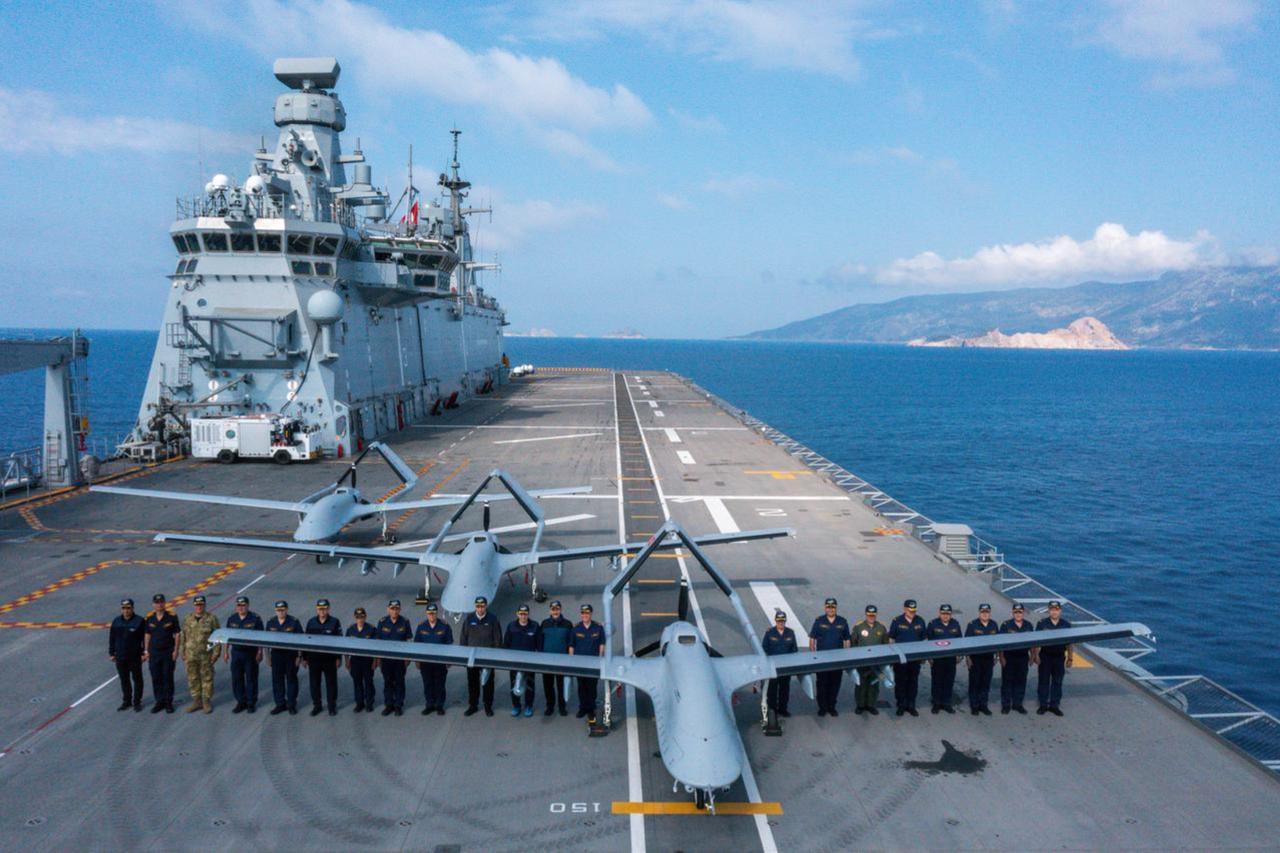
Which brings us to Türkiye’s drone giant, Baykar, which is fast becoming integrated into the European defense ecosystem through its acquisition of the venerable Italian aerospace firm Piaggio Aerospace and its joint venture LBA Systems with Leonardo. The company’s Bayraktar TB3 will serve in the Italian Navy under the fashionable moniker "Astore Levante" (Eastern Goshawk).
By leveraging the literally millions of hours that the UASs of Baykar, TAI, and other Turkish companies have put in, Ankara could begin a beautiful friendship with GCAP.
For now, there is not much of an alternative to GCAP except for starting from scratch with a similar program that Türkiye would have to run with less-experienced countries, such as Azerbaijan, Pakistan, and Saudi Arabia.
Still, each of those countries would bring unique advantages to the table. Azerbaijan could offer insights from the Soviet approach to aerial warfare. Similarly, Pakistan, a close partner of China, could bring new ideas on how Beijing thinks about the air domain. Saudi Arabia, the world's petro-superpower, would be amenable to writing more of the initial checks in return for help with technology transfers. Other regional powers, such as Egypt and Qatar, might want to join in as well.
Having said that, when looking at the current picture, and keeping in mind that Türkiye missed becoming part of the Eurofighter Typhoon program in the 1990s and 2000s, only securing an agreement for the aircraft decades later, it would be useful to explore the GCAP option before taking a more solo route or working with other partners


 Set as preferred source
 Set as preferred source


 2 min read
 1 min read