Sign in
 Newsletters


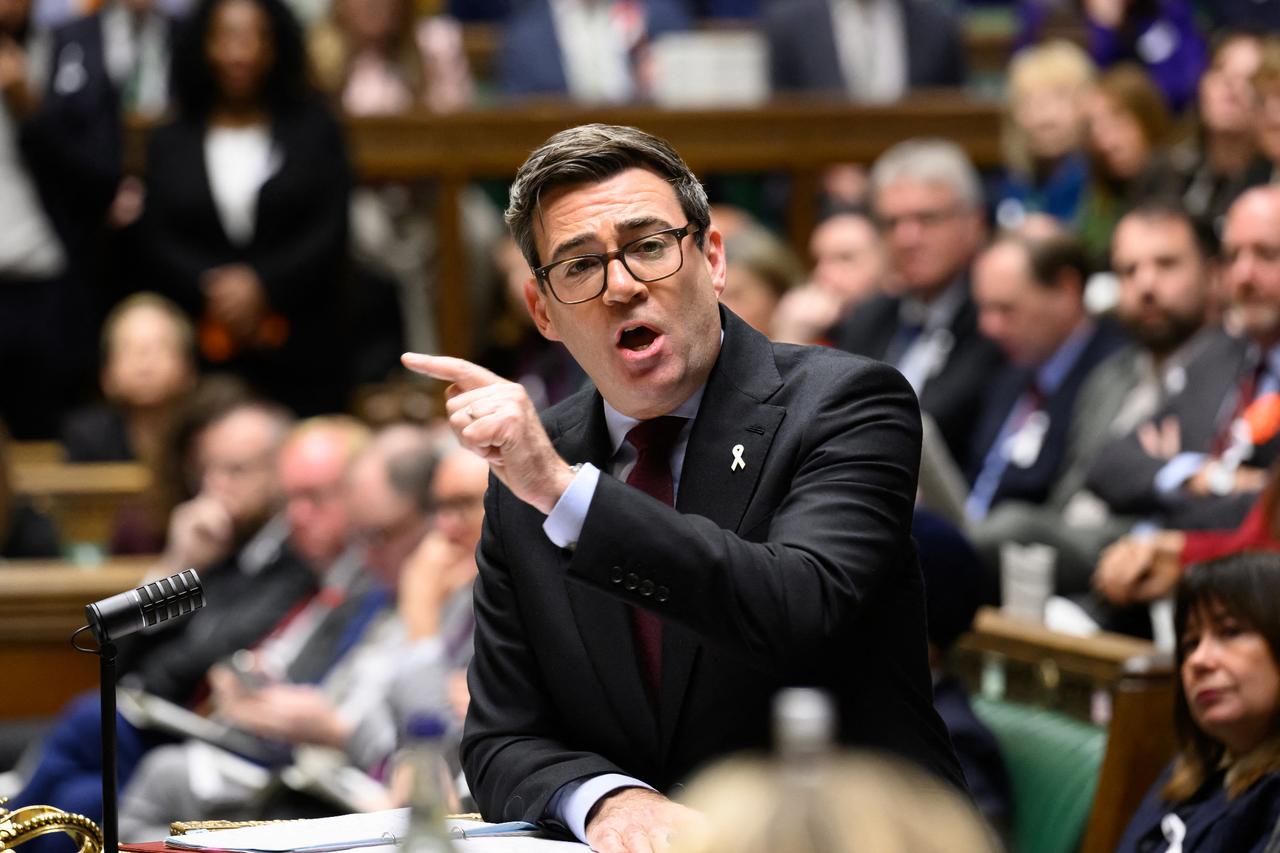


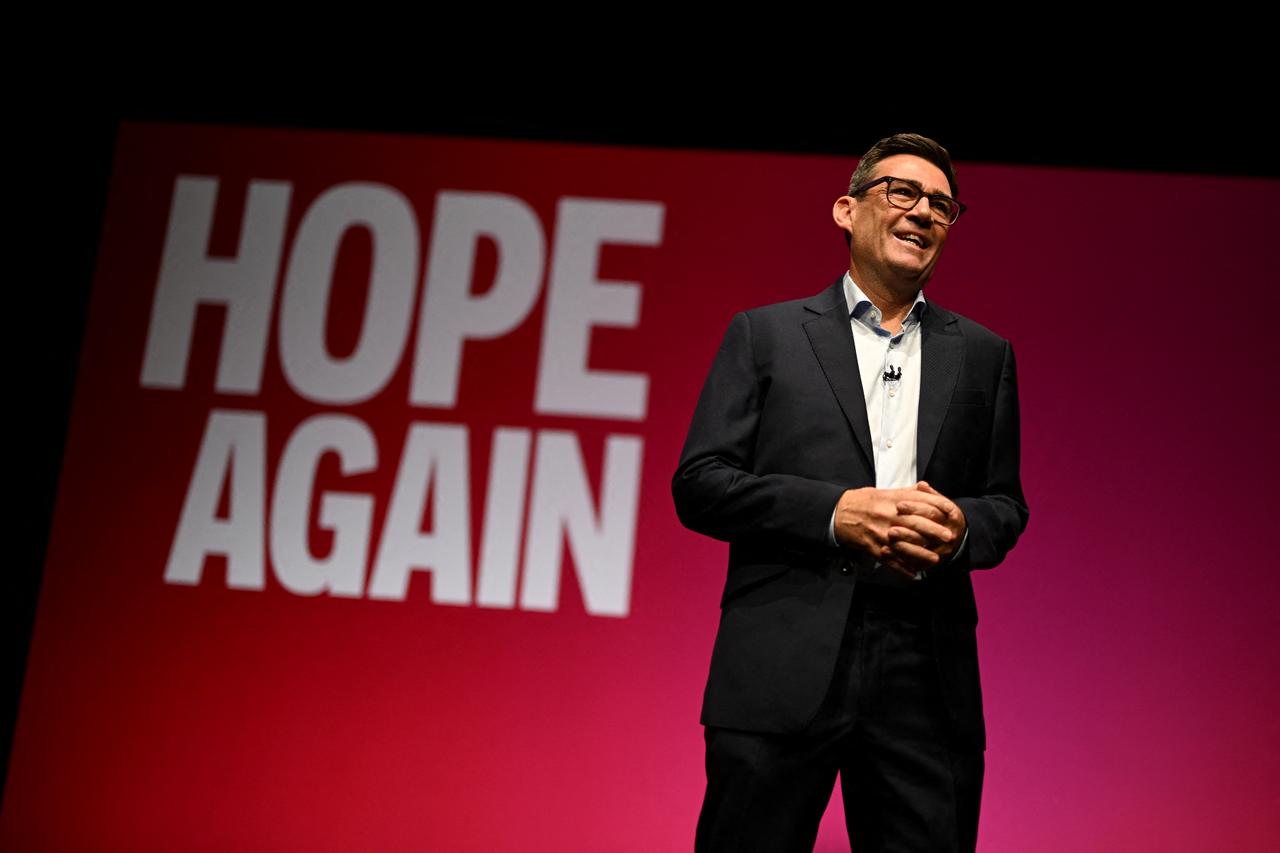
Think what you will about the new U.K. Prime Minister Andy Burnham, but he sure has courage. Perhaps “courage” isn't the exact word many British people would use; let’s just say he seems very brave indeed right now, and not in the most politically expedient way.
Who would want to revisit the most acrimonious and divisive policy the United Kingdom has enacted in living memory, and what purpose would it serve a leader who almost certainly will not be around to see the results of his initiative, regardless of its success or failure?
Labour Prime Minister Burnham has been sharply critical of the current post-Brexit arrangement with the European Union, stating that Brexit has caused "more harm than good" to Britain, hurting economic growth and raising costs for both British businesses and consumers.
He argues that the U.K. must take a more "pragmatic approach" to how Europe has changed since Brexit was originally approved by a national referendum in 2016.
Speaking to the British press last week, Burnham said, “In the decade since Brexit, our standing in the world has diminished. We treated both allies and institutions with insufficient care, and the effects went beyond Europe.”
Unsurprisingly, Burnham has drawn heavy criticism from opposition Conservative politicians and six former prime ministers—including heavy hitters like Theresa May and David Cameron, alongside Labour’s own Tony Blair—who have warned him against reopening the divisive Brexit debate.
In the years following the referendum, arguments over the U.K.’s relationship to the EU have eroded British trust in politicians, the legal system, and the media, with each side of the divide accusing the other of either ignoring the democratic choice of the people or pursuing economic self-harm.
After a U.K.-EU summit in Brussels in November 2026, Burnham signed a limited agreement focused on reducing post-Brexit trade barriers—such as easing checks on food and agricultural exports, as well as travel for household pets—and establishing a program for youth exchanges.
In the immediate term, the U.K. and EU have agreed to an informal "brainstorming process” to explore options for their longer-term relationship. Those options range from a Norwegian-style economic alignment deal to a customs union, to a pathway for fully restored EU membership.
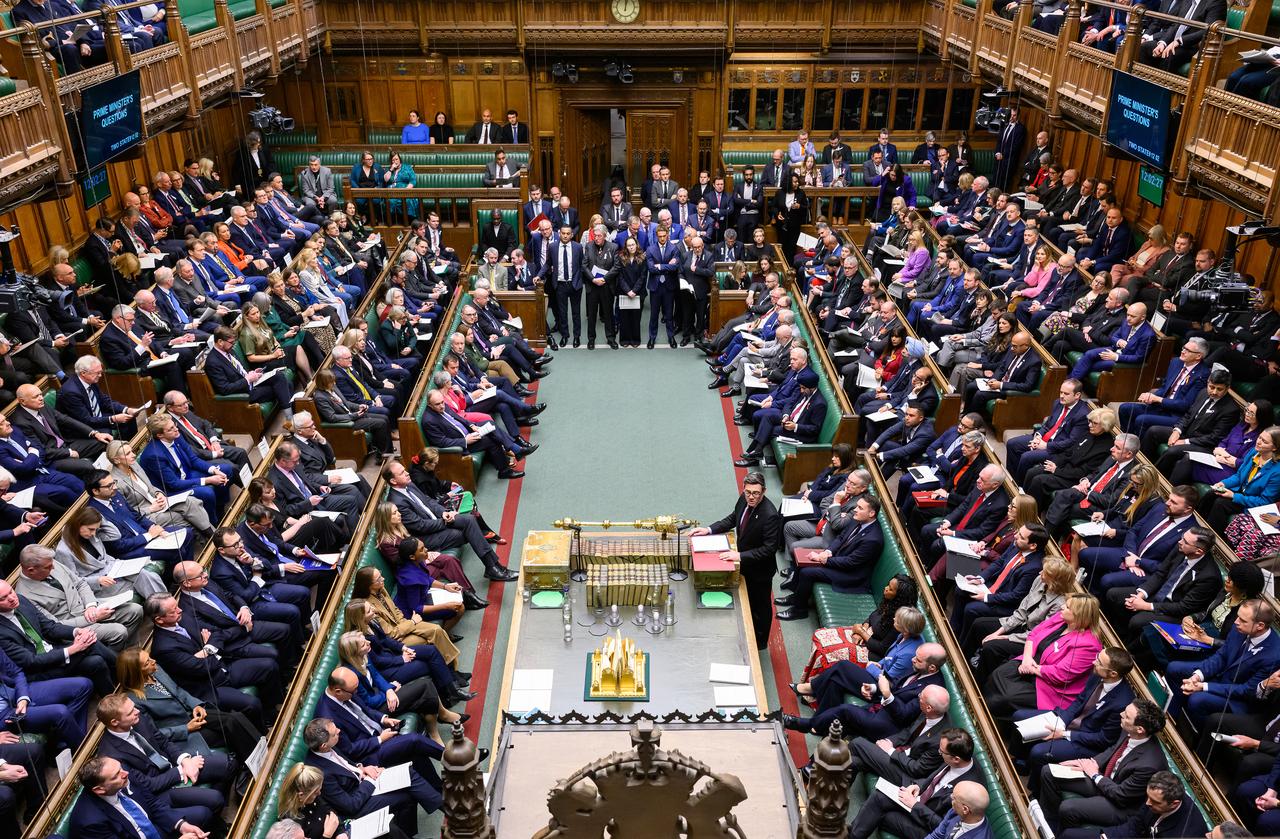
Burnham has so far refused to commit to officially rejoining the EU. Addressing the U.K. Parliament on Nov. 23, he said he is not proposing to redo the 2016 referendum and called it "unthinkable" for the U.K. to rejoin the EU without holding another national referendum first.

The 2016 Brexit debate was deeply divisive because it was not simply a technical disagreement over trade; it tapped into fundamental fault lines regarding national identity, economics, and trust in political institutions.
For many voters, the core issue was democratic self-determination. Under EU rules, citizens of any member state had the right to live and work in the U.K., and as the EU expanded, overall migration to the U.K. rose sharply. The pro-Brexit campaign argued that free movement of people put unsustainable pressure on public services such as the National Health Service, schools, and housing, while lowering wages for average voters.
Those against Brexit, meanwhile, focused on the tangible economic risks of leaving the EU. They argued that easy trade with Britain's largest trading partner was essential for jobs, investment, and living standards, warning that leaving could trigger severe economic shocks.
The resulting 52% to 48% vote to exit the EU exposed stark geographic and demographic divides in Britain. London, Scotland, and Northern Ireland voted strongly to remain in the EU, while rural areas and industrial regions voted heavily to leave. Younger voters and university graduates overwhelmingly backed remaining in the EU, while older voters and those without university degrees backed leaving.
Even after Brexit, the EU remained the U.K.’s largest trading partner, accounting for nearly 50% of total British trade in 2025, while the U.K. was the EU's third-largest trading partner. That year, total bilateral trade in goods and services between the U.K. and the EU reached approximately $1.15 trillion.
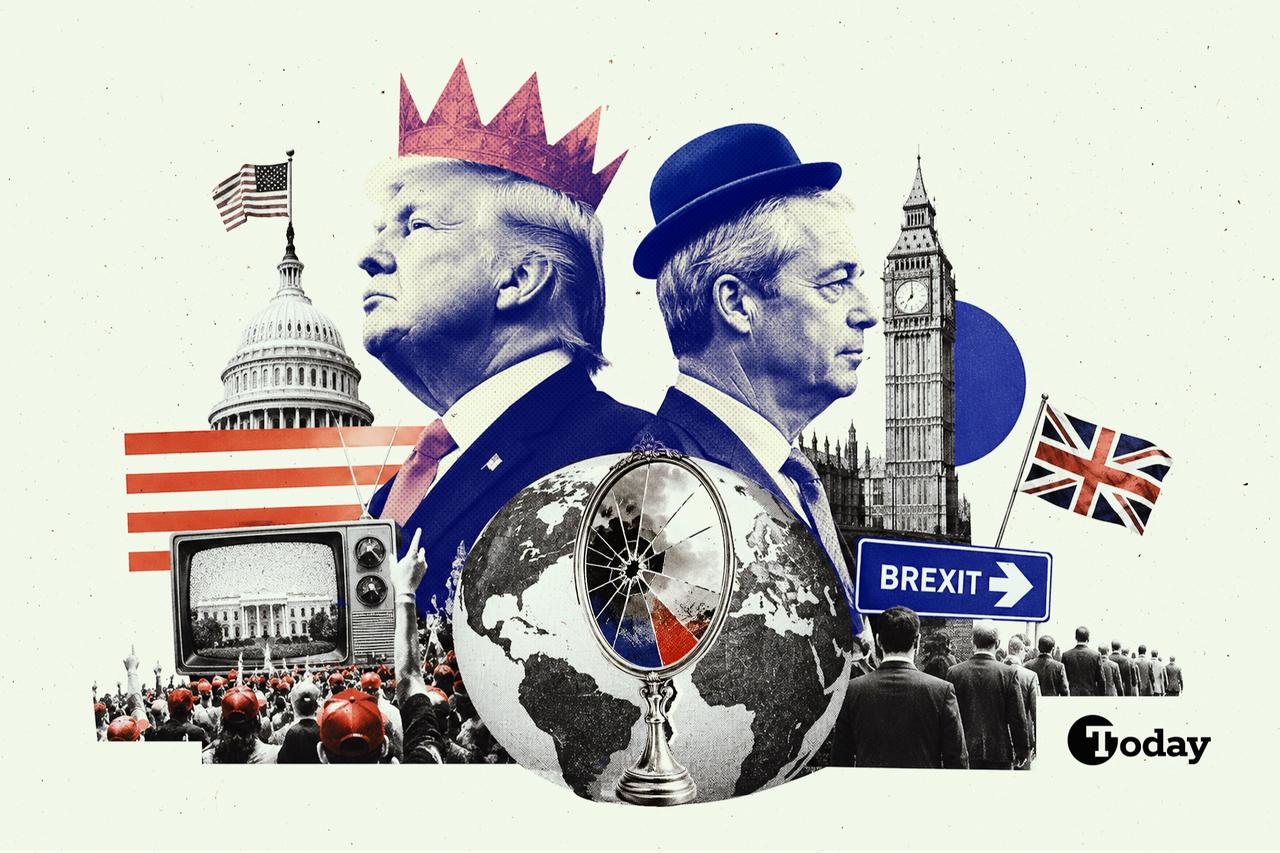
Brexit also transformed British right-wing nationalism from a fringe movement into a powerful force in Britain’s political system. Instead of uniting the nation, the Brexit process created the perfect cultural and political conditions that allowed Reform UK leader Nigel Farage’s nationalist movement to gain mainstream legitimacy and broader electoral appeal.
The referendum campaign turned Farage’s core arguments about national sovereignty, border controls, and skepticism about Brussels into the centerpiece of official national debate.
To win back voters on the right, the mainstream Conservative Party adopted much of Farage’s populist vocabulary and repeatedly promised stricter immigration controls. Once mainstream leaders began pushing these ideas, voters became far more comfortable backing Farage directly.
This tribal polarization soon reshaped the electoral map. By the July 2024 general election, collapsing trust in the Conservative Party drove millions of right-leaning voters to Farage’s Reform UK, which won 14% of the national vote and its first seats in the House of Commons, including one for Farage.
So why is Burnham acting now? Surely Brexit is history, the country remains divided, and his Labour Party must just do its best to govern.
Well, simply put, the world outside Britain has also changed radically since Donald Trump’s reelection to the U.S. presidency in 2024. So even as Britain navigates its domestic and European problems, the traditional transatlantic balance of power has shifted as well.
Under President Trump, the U.S.-U.K. "special relationship" has evolved from an alliance built upon shared cultural, economic and political norms into a more transactional, bilateral partnership. This is no surprise to anybody who follows Trump’s politics and his dealings with his traditional allies.
Trump's repeated demands that European allies shoulder the burden for their own defense have put London in a particularly vulnerable position. Washington’s rhetoric has prompted British debates over long-term strategic autonomy, even as the two allies remain connected at the official level.
Ultimately, the special relationship has become both less sentimental and less guaranteed, requiring Britain to rethink its own place in the world.
So once again U.S. policy has made its effects felt far beyond its own borders, raising the central question: How can Mr. Burnham best reposition the U.K. in these rapidly changing times?
In a ruthless multipolar world, are Britain's old EU partners starting to look more appealing?


 Set as preferred source
 Set as preferred source


 1 min read
 1 min read