Newsletters


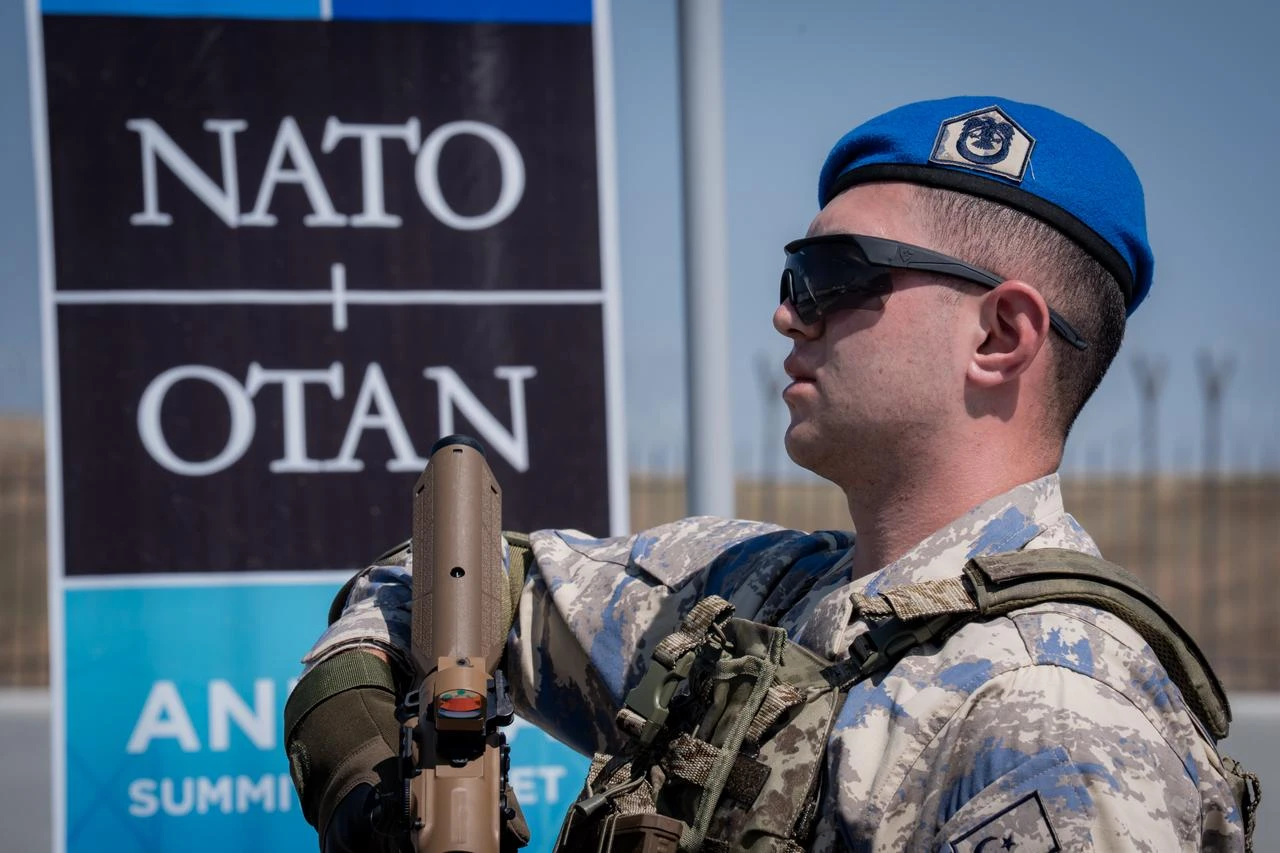


Almost all the news packages being prepared for the leaders arriving in Ankara next week follow the same template: dates, road closures, administrative arrangements, and participant lists.
Yet what will take place in Ankara on July 7–8 is far more than a diplomatic feast. It is the stage for negotiations that are reshaping the distribution of power within NATO itself. And the most tangible outcome of these negotiations will not be found in the diplomatic language of the final communique, but in the fine print of defense industry contracts.
First, the symbolism must be understood correctly. The last time Türkiye hosted a NATO summit was in Istanbul in 2004, when the alliance’s eastward enlargement dominated the agenda and Ankara served as a frontline state. In 2026, however, both the world and Türkiye are very different.
Türkiye is welcoming its guests at a moment when its political and diplomatic influence is arguably at its peak. This is no coincidence; it is an indicator.
Over the past two years, negotiations concerning Russia and Ukraine, the Syrian file, Gaza diplomacy, and the Caucasus have increasingly been conducted through Ankara. Holding the summit at Bestepe is, in effect, a formal recognition of this de facto centrality.
The participation of President Volodymyr Zelenskyy reflects the same reality from another angle. Türkiye has long maintained its unique position within the alliance as the only capital capable of speaking simultaneously with both Kyiv and Moscow.
Ankara has openly floated the idea of Türkiye taking responsibility for Black Sea maritime security in a future peace arrangement. That alone elevates the Ukraine session beyond a routine display of solidarity—it becomes a concrete negotiation over how responsibilities get distributed.
Staying open to surprises here may prove wiser than being blindsided by them.
The NATO Summit Defence Industry Forum (NSDIF26), scheduled for the summit’s first day, appears on paper to be a side event. In practice, it is the economic backbone of the summit.
The 5% defense investment target adopted in The Hague last year has triggered a level of resource mobilization in Europe unseen for decades. European allies and Canada increased their core defense spending by $139 billion in 2025 alone.
The central question at NATO's Ankara Summit is precisely where this money will go: who will produce, who will purchase, and which country will host each link of the supply chain.
Türkiye arrives at this table with a portfolio that bears little resemblance to the one it had a decade ago.
The Eurofighter agreement has been signed, timelines for the first deliveries are already in motion, and accelerated delivery formulas involving aircraft from the inventories of Qatar and Oman have been discussed.
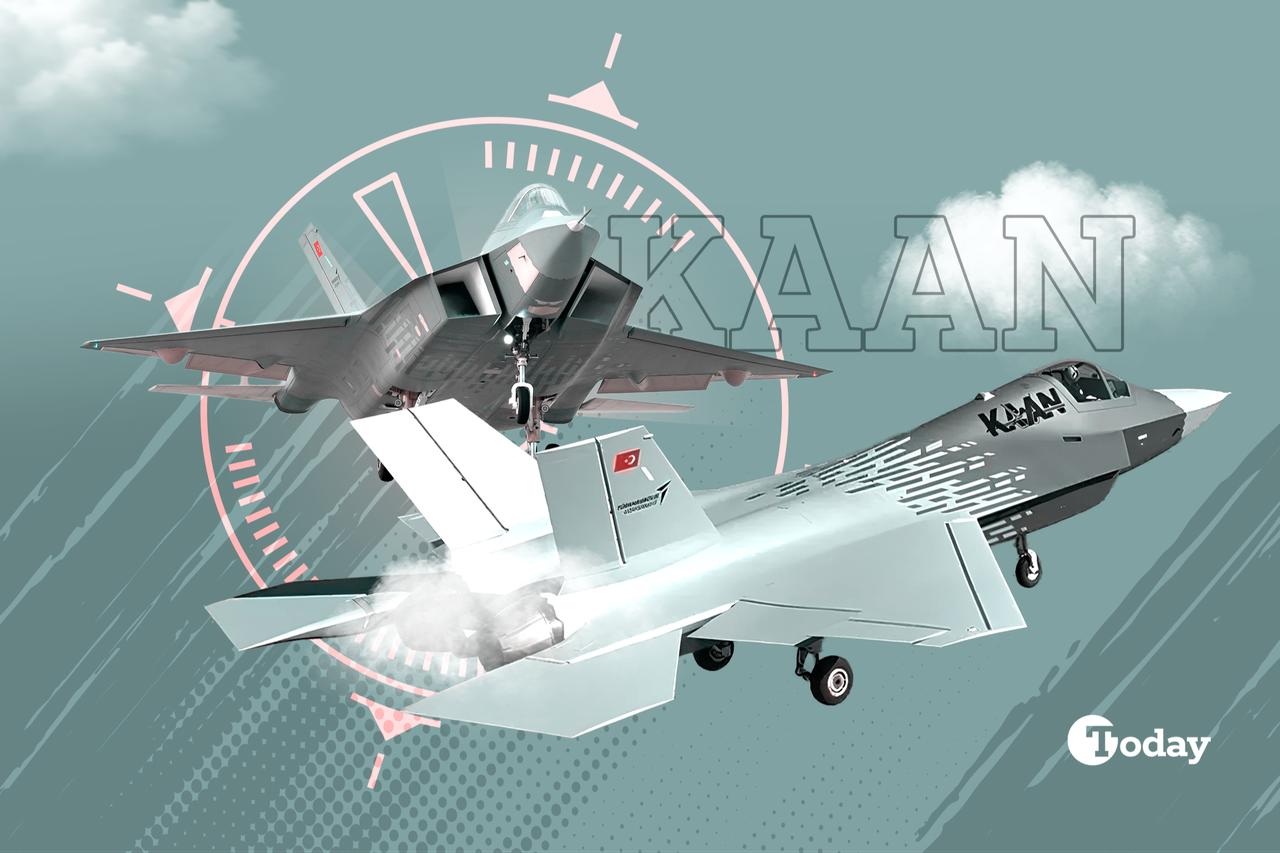
The KAAN fighter program has reached the threshold of serial production and has entered the realm of possibility for allies such as Spain, which continues to struggle with decisions regarding the F-35. In unmanned systems, Turkish companies are already firmly established in the European market.
In other words, Türkiye is no longer merely a buyer. It is now a supplier seeking a share of Europe’s rearmament budget. Hosting the Ankara Summit provides a carefully designed opportunity to showcase that supplier identity.
Yet behind the display window lie three unresolved issues, and they will constitute the summit’s real test.

The first concerns the F-35 and CAATSA.
Earlier this year, Foreign Minister Hakan Fidan stated that political will had emerged in both capitals to remove the sanctions and that he expected concrete steps during 2026. The summit will serve as the first major test of whether that political will remains rhetorical or is translated into a timetable.
What kind of gift President Trump, who frequently refers to President Erdogan as "my friend," may offer on this issue will become clearer in a matter of days.
Türkiye’s return to a program in which its companies once held approximately $12 billion in industrial participation would be far more significant than the symbolic delivery of a few aircraft. It is fundamentally an industrial issue.
Trump’s calls for Europe to “take care of itself” could naturally be complemented by stronger support for Türkiye, enabling Washington to pursue that objective through a trusted regional partner.
The second issue is access to European defense funds.
The 5% target has created a massive procurement budget across Europe. However, the European Union’s joint procurement mechanisms continue to make Türkiye’s access to that market contingent upon political bargaining because it is not an EU member.
Greece and the Greek Cypriot administration remain quiet but influential obstacles in this process. Ankara’s principal objective at the forum will be to use NATO as leverage to overcome barriers created by EU structures.
The third issue is the burden-sharing debate itself.
At a time when Washington is demanding more from Europe and Europe is oscillating between strategic autonomy and Atlantic dependence, the summit’s convening in Ankara creates an ironic balance.
Türkiye is simultaneously seeking defense-industrial reconciliation with the United States while also pursuing a share of Europe’s rearmament spending.
Whether this dual-track approach represents strategic flexibility or strategic vulnerability will ultimately be determined by the agreements signed during and after the summit.
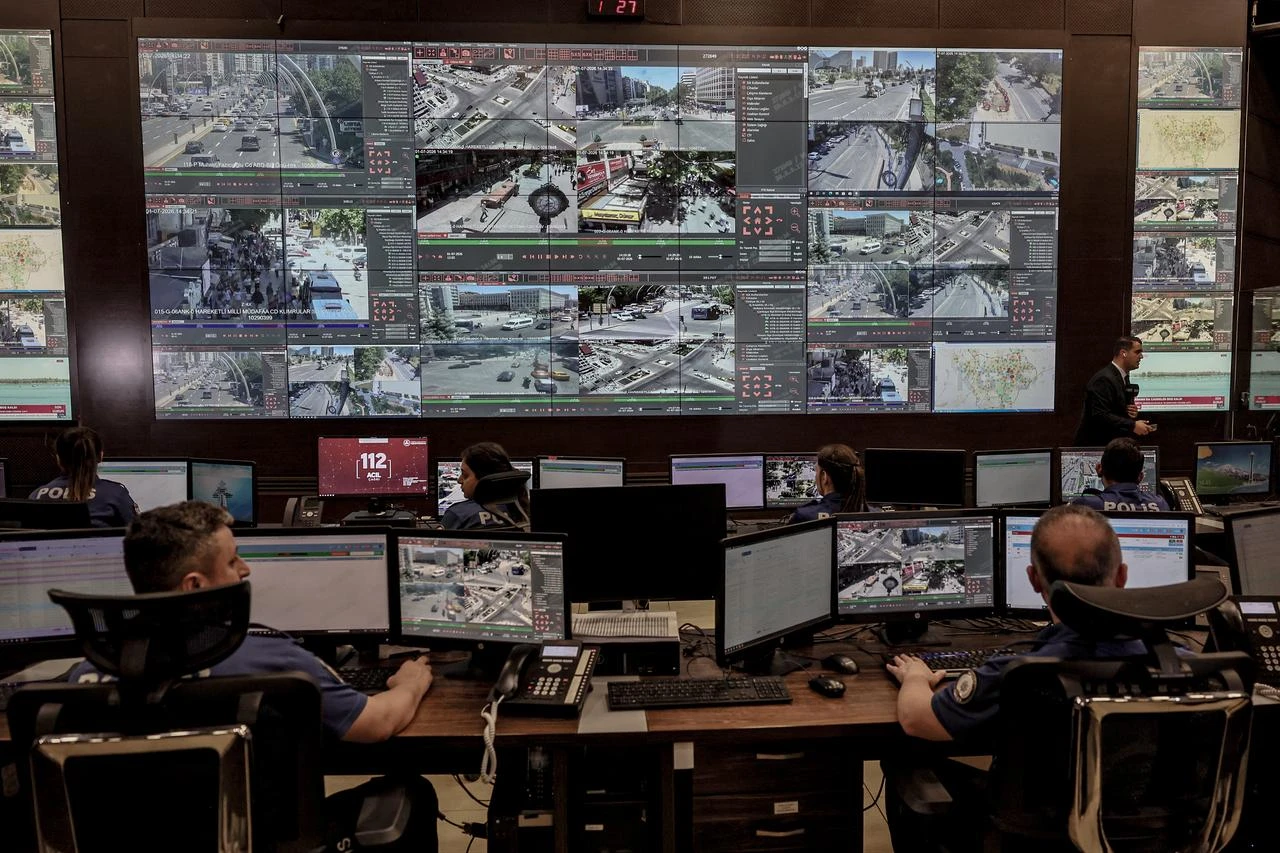
The dinner hosted at Bestepe on Tuesday evening will dominate newspaper front pages the following day. The summit communique will likely amount to a continuation of the language agreed upon in The Hague.
The indicators that truly matter are these: Will Turkish companies be included in the joint production and procurement agreements announced at the forum? Will the F-35/CAATSA file produce any statement containing a concrete timeline? Will the Ukraine session assign a defined role regarding Black Sea security?
If the answer to these three questions is positive, the Ankara Summit will have surpassed the significance of the 2004 Istanbul Summit.
It will have redefined Türkiye’s place within the alliance in a manner likely to shape the next era of NATO politics.
In that sense, the real story of this summit will not be hidden in the communique but in the contracts. And Ankara has already oriented itself toward that reality.


 Set as preferred source
 Set as preferred source


 1 min read
 1 min read