Newsletters




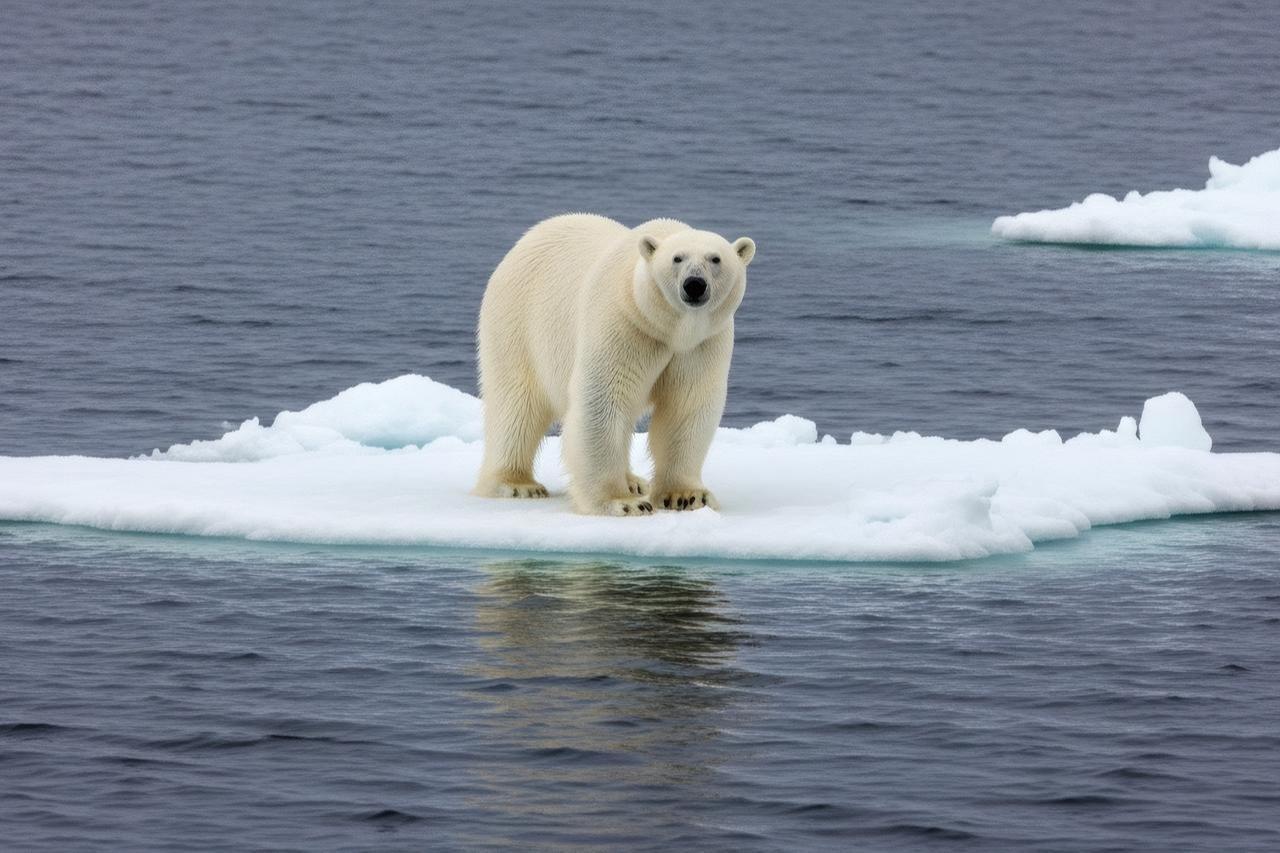
For much of the world, the Arctic remains a distant landscape of ice, polar bears and occasional diplomatic disputes. That distance is misleading.
Changes in the Far North can raise sea levels along distant coastlines, alter the assumptions behind international shipping and draw major powers into competition over infrastructure and resources.
The Arctic matters because it connects systems that governments often consider separately: climate, trade, energy, defense and sovereignty.
A change in one can unsettle the others. Melting ice may improve seasonal access while damaging the ground beneath a port. A mine intended to diversify supply chains may depend on infrastructure financed by a strategic competitor.
A scientific instrument can produce essential environmental data while attracting military scrutiny.
As the Arctic Circle Assembly opens in Reykjavik on Oct. 8, its significance lies in bringing these connections into one conversation.
The question facing the wider world is how to respond to a region whose physical transformation is moving faster than many of the institutions intended to manage it.
The Arctic is part of the machinery that regulates the planet’s climate. Its transformation cannot be contained within a single regional policy.
The Arctic Monitoring and Assessment Programme's latest climate update describes warming at approximately three times the global average, with the precise comparison depending on the period examined.
It records losses across the region's ice and snow systems and the warming and thawing of permafrost.
Those changes have different consequences. Greenland’s land-ice loss contributes to global sea-level rise. Thawing ground threatens northern infrastructure. Changes in ocean circulation can carry effects far beyond the places where they begin.
The Atlantic Meridional Overturning Circulation, or AMOC, illustrates this reach. It transports heat through the Atlantic and helps regulate the climate. Its potential collapse carries profound risks, although the timing remains uncertain and cannot be confidently inferred from historical observations alone.
For governments elsewhere, the relevant issue is exposure: which coastal assets, food systems, infrastructure and economic assumptions depend on climatic conditions that may change? Arctic research helps answer questions that will ultimately enter budgets and planning decisions thousands of kilometers away.

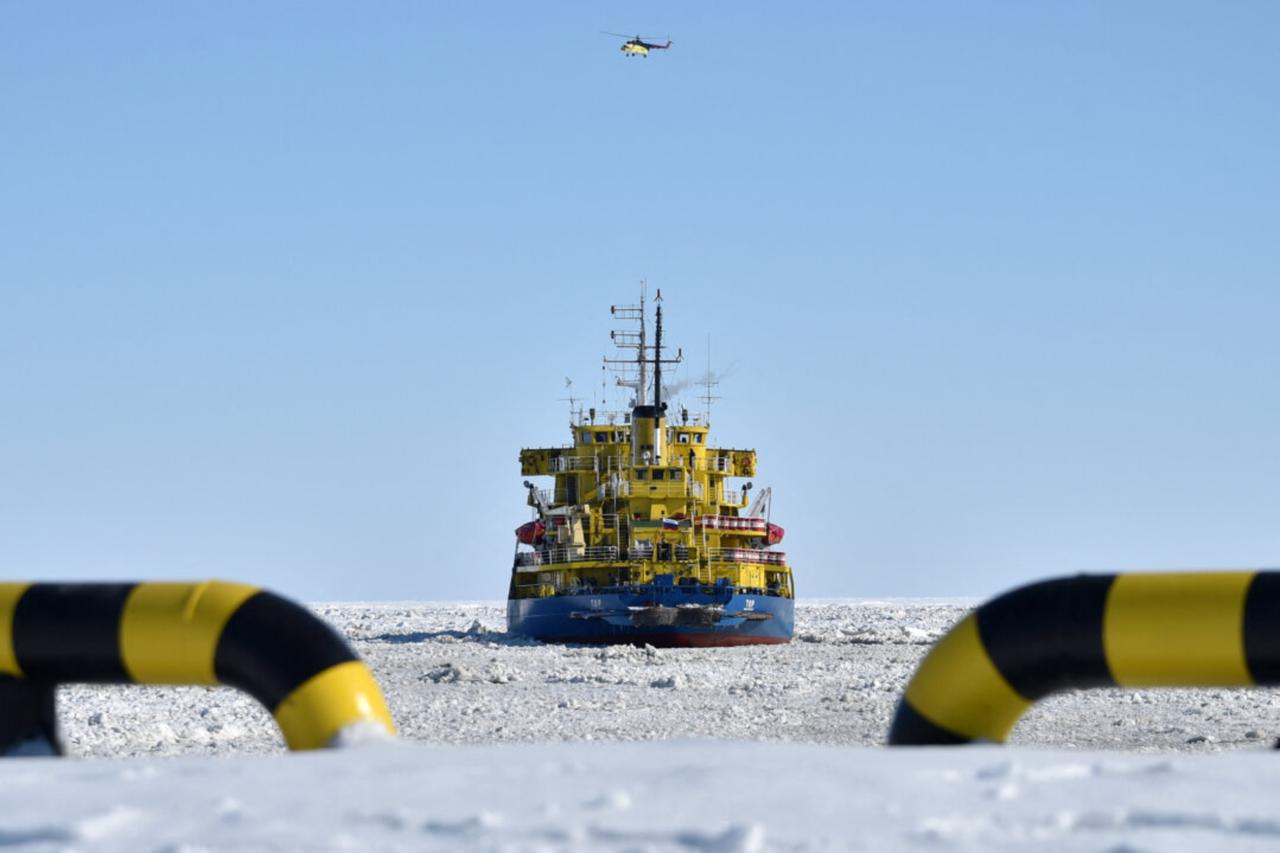
The prospect of shorter passages between Europe and Asia has made Arctic shipping attractive to countries far beyond the region. China's Arctic policy explicitly promotes the development of a Polar Silk Road, connecting commercial ambitions with infrastructure and maritime access.
Yet physical access and commercial reliability are different things. A shipping route must be assessed through its operating season, insurance, rescue capacity, communications, port services, and political conditions. Distance saved on a map can be offset by costs and uncertainty at sea.
The geopolitical implications also deserve attention. Diversifying routes may reduce exposure to one chokepoint while increasing dependence on another country's infrastructure, regulations or security decisions.
The Arctic therefore enters a much wider debate about how global trade can become more resilient without merely relocating vulnerability.
This matters to exporters, shipbuilders, insurers and consumers, including those in countries with no Arctic coastline.
Greenland concentrates many of these tensions. Its strategic location attracts security interest; its resources attract investors; its people seek opportunities to shape their own economic and political future.
Europe's growing engagement shows how closely these priorities intersect. In September, the European Commission announced an additional €200 million partnership package for 2026 and 2027, supporting connectivity, renewable energy and critical raw materials.
For Europe, such investments can strengthen supply-chain resilience. For Greenland, their value depends on the jobs, skills, public revenues and infrastructure they produce locally. A project may serve an outside country's strategic needs without adequately advancing those of its host.
The distinction gives substance to the statement issued in January by European Council President Antonio Costa and Commission President Ursula von der Leyen: "Territorial integrity and sovereignty are fundamental principles of international law."
Sovereignty must extend into decisions about development. Greenlandic consent cannot be assumed because an investment is presented as beneficial, environmentally responsible or strategically necessary.
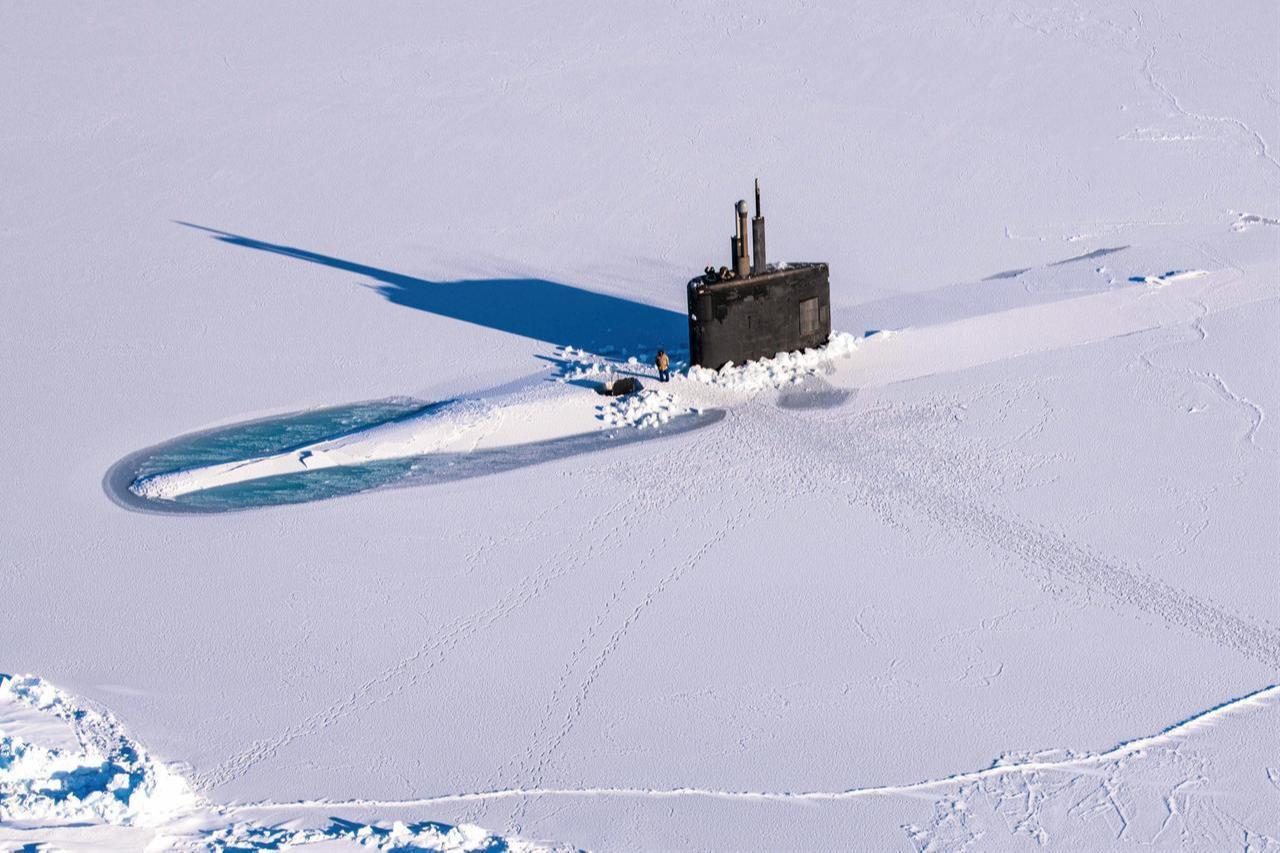
The Arctic's strategic importance predates the present wave of attention. What is changing is the interaction between military competition, environmental transformation and economic access.
Canadian Foreign Minister Anita Anand captured the tension between strategic rivalry and everyday life in her Sept. 26, 2026 address to the United Nations General Assembly: "The Arctic is a region of growing competition, but for many Canadians, it is simply home."
For Canada and the United States, northern security connects to continental defense. For European allies, it connects to the wider North Atlantic security environment. Russia's position and activities remain central to any regional assessment.
China adds another dimension. Its 2018 Arctic policy says states should "respect the sovereignty, sovereign rights, and jurisdiction enjoyed by the Arctic States in this region." At the same time, Beijing seeks greater participation in regional governance and economic activity. Washington's 2024 Arctic Strategy identifies growing Russian-Chinese cooperation as a factor reshaping the security environment.
These competing interpretations affect investment screening, scientific access and judgments about infrastructure. A port, satellite system or research vessel may have several legitimate functions, but that does not make the interests surrounding it identical.
The danger is that heightened competition undermines the knowledge needed to manage the region's transformation.
Climate observations require continuity. Ecosystems cross national boundaries. Environmental hazards cannot be fully understood through data collected on only one side of a political divide.
The Arctic Council's resumption of virtual working-group meetings in 2024, involving all eight Arctic states and six Indigenous Permanent Participants, demonstrates that some cooperation remains possible despite strained political relations. Its limits also show how difficult it has become to protect shared work from wider confrontation.
Indigenous participation is essential to the quality and legitimacy of that work. Communities living with environmental and economic change possess knowledge and priorities that cannot be supplied by visiting delegations or satellite measurements alone.
The interests of non-Arctic states further demonstrate why the region cannot be understood through geography alone. For Pakistan, cooperation on glacier research connects polar science with questions of water security in the Hindu Kush–Karakoram–Himalaya. For South Korea, Arctic engagement brings together polar research, shipping and maritime technology; for Türkiye, it offers opportunities to connect scientific expertise and industrial capabilities with international partnerships.
The UAE's growing polar engagement reflects the relevance of Arctic change to climate-vulnerable regions, alongside its interests in energy and investment. That wider reach is also reflected in Arctic Circle's Honorary Board, which includes the UAE’s Minister of Industry and Advanced Technology and COP28 President Sultan Ahmed Al Jaber.
These countries approach the North with different priorities, but their involvement underscores a shared reality: Arctic developments increasingly shape decisions well beyond Arctic borders.
Iceland's role in this conversation extends beyond hosting. As an Arctic state, it demonstrates how convening power can create diplomatic influence. Olafur Ragnar Grimsson, Iceland's president from 1996 to 2016, co-founded Arctic Circle in 2013 and continues to serve as its chairman.
His initiative helped create a space where Arctic and non-Arctic governments could engage alongside scientists, businesses and Indigenous representatives. For Iceland, this has strengthened Reykjavik’s position as a meeting point between regional knowledge and global interests.
Its contribution is particularly valuable when formal diplomacy is constrained: maintaining opportunities for dialogue without assuming that dialogue alone can resolve the disagreements.
The Arctic Circle Assembly cannot settle territorial disputes, guarantee responsible investment or reverse climate change. Its value very much lies in allowing the people working on these interconnected problems to examine one another’s assumptions.
Scientists can question the environmental premises of an investment. Communities can challenge definitions of security that overlook their daily needs. Governments can explain their intentions and face scrutiny from those affected by them.
For Türkiye and other non-Arctic countries, this creates an opportunity to contribute through research, technology and sustained institutional partnerships. Credibility will depend on whether those contributions answer regional needs and respect the authority of the people who live there.
The Arctic's growing importance does not make its future inevitable. It makes the choices more consequential. The wider world has a stake in how the region changes; Arctic communities have the most immediate stake in how those changes are governed.
That is why Arctic Circle matters: it gives a global conversation a place to confront the local realities on which its conclusions depend.


 Set as preferred source
 Set as preferred source


 3 min read

 1 min read