Newsletters


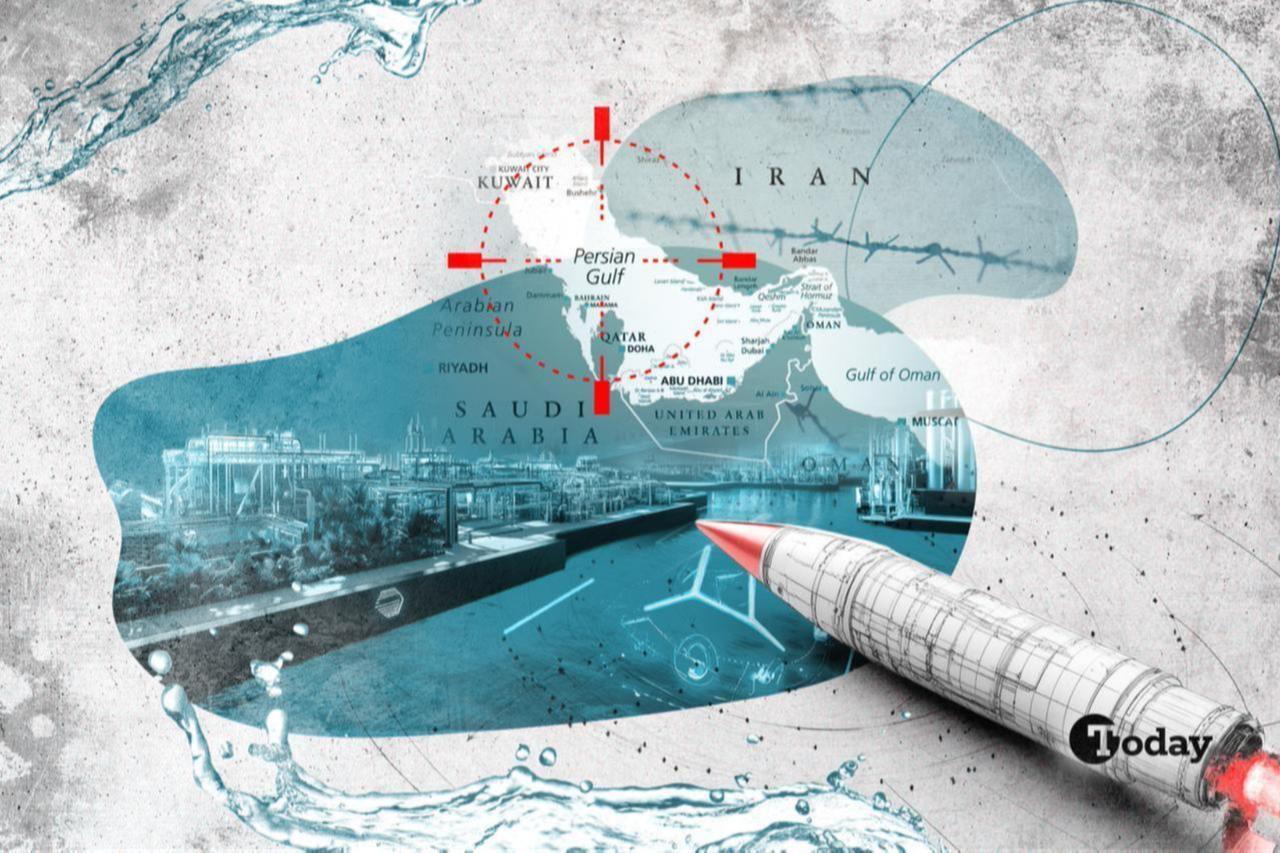


Since the U.S.-Israeli war against Iran at the end of February, Iran has advanced a carefully constructed narrative to justify its systematic targeting of Gulf Cooperation Council (GCC) states. The argument is deceptively simple. Tehran claims it struck United States installations hosted by these countries, framing GCC territory as collateral space in a war between Iran and America.
Senior Iranian officials have repeated this line from day one, and the claim has found receptive audiences among those who oppose the U.S.–Israeli agenda, aligning neatly with their ideological orientation. However, simplicity is not the truth. When examined against the available evidence and Iran’s own contradictory behavior, the justification collapses under the weight of its internal contradictions.
The foundational claim—that GCC-hosted bases were used to initiate or conduct attacks against Iran—remains entirely unsubstantiated.
To date, no official and credible evidence has been presented by Tehran or any independent source demonstrating that these bases served as launching pads for the assault on Iran. Without this evidence, the entire justification is built on assertion rather than fact. In matters of war and sovereignty, assertion is not a valid justification. If Iran possessed proof that GCC-based facilities participated in strikes against its territory, the strategic and diplomatic incentive to release that proof would be overwhelming. Its absence speaks louder than any official statement.
Moreover, the GCC states have maintained a neutral posture throughout this conflict. These nations have explicitly sought to stay out of a war that is not theirs, absorbing enormous costs—economic disruption, infrastructure damage, civilian casualties—despite having no role in initiating hostilities. Iran’s targeting of these states does not punish belligerents; it punishes bystanders. The distinction matters, both morally and strategically, because it reveals that Tehran’s calculus is driven by something other than the defensive rationale it advertises.
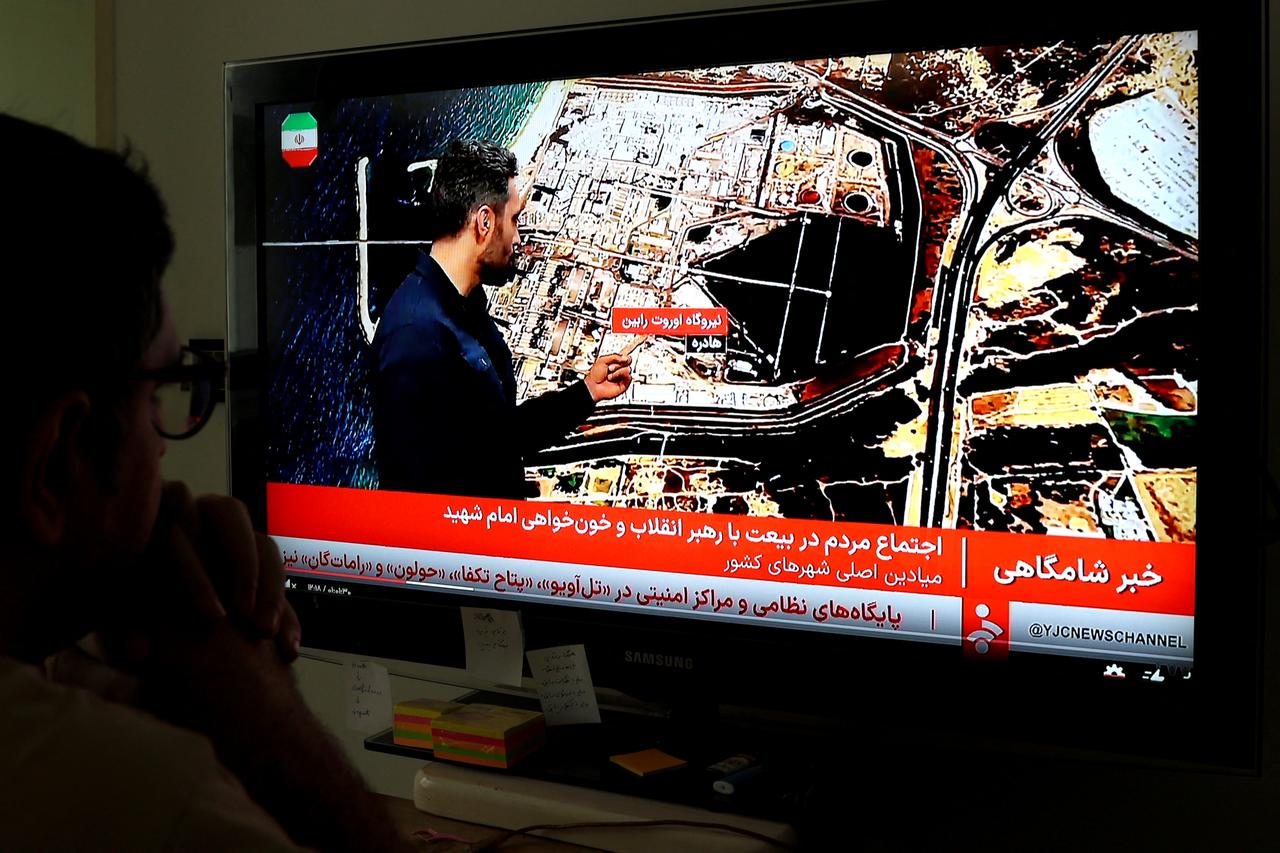
Perhaps the most damning refutation of Iran’s narrative lies in its own targeting choices. If the objective were truly limited to neutralizing U.S. military assets on GCC soil, there would be no reason whatsoever to strike civilian and critical infrastructure. Yet Iran has done precisely that. Energy facilities, desalination facilities, transportation networks, airports, ports, and civilian zones have all come under attack. This pattern is incompatible with a campaign of surgical strikes against foreign military bases. It is, however, entirely consistent with a broader campaign of coercion and punishment directed at GCC states and populations.
The targeting of civilian infrastructure transforms Iran’s narrative from a strained justification into an outright fiction. A state that claims to be striking only military installations but repeatedly hits civilian targets is either lying about its intentions or demonstrating a reckless disregard for the distinction—neither of which supports its stated position. The fact that Iran later underlined that it will hit civilian infrastructure in the GCC if Israel or the U.S. were to hit its energy or electricity facilities proves that the Iranians are lying concerning the justification for their aggression.
Moreover, statistics further demolish the official Iranian line. Although the GCC states are not party to this war, they have absorbed strikes at a rate roughly 400% higher than Israel, the actual adversary in the conflict. This disproportion is impossible to reconcile with a defensive posture aimed at U.S. bases. If Iran’s war is with America and Israel, why is the overwhelming majority of its firepower directed at countries that are not involved? The math exposes what the rhetoric conceals. GCC states are not incidental targets caught in the crossfire; they are primary targets of a deliberate campaign.
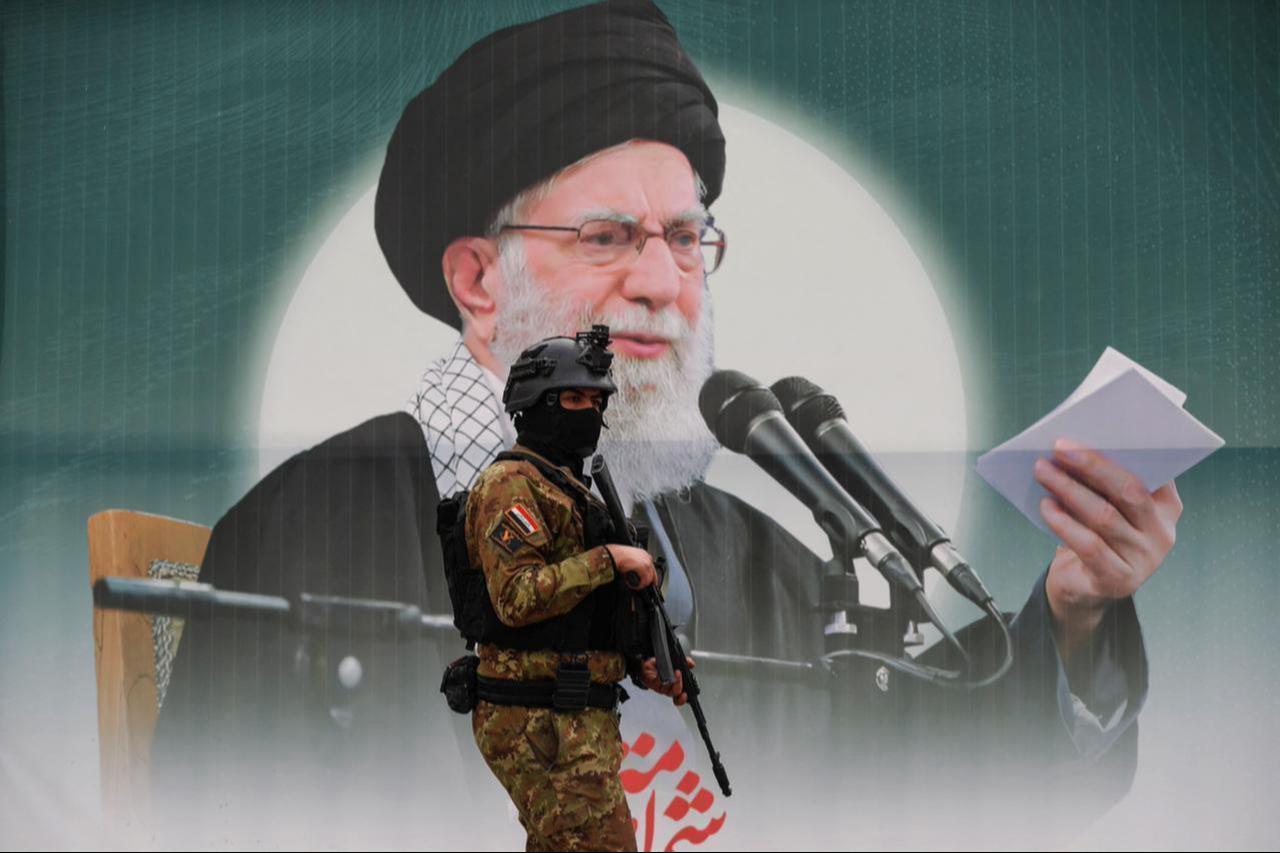

Iran’s own officials have made the task of debunking their narrative considerably easier through a remarkable display of internal contradiction. On one hand, officials have sought to sow confusion by claiming that some GCC countries were hit by mistake before pivoting to a complete denial, labeling the attacks as false flag operations—an attempt to fracture Gulf solidarity and create ambiguity. On the other hand, different officials have openly boasted of the significant damage inflicted on GCC states, treating these strikes as achievements worthy of celebration. These two positions cannot coexist. The Iranian president cannot apologize to neighbors while minutes later the IRGC fires missiles and drones into their territory. This contradictory messaging exposes a regime desperately trying to play multiple roles for different audiences, ultimately succeeding at neither.
Some analysts have offered an alternative explanation for Iran’s behavior: that Tehran sought to raise the costs for GCC states, thereby pressuring them to lobby Washington for restraint. Assuming that this is the case, this theory contains a fatal internal contradiction rooted in Iran’s own declared position.
If the aim is to raise the costs, not only are there other ways to achieve this without targeting the GCC states, but also, this goal contradicts the declared justification of the attacks against the Gulf states.
Moreover, Iran has long characterized the GCC states as nothing more than vassal states of the United States, countries with no independent foreign policy, no sovereign agency, and no capacity to act against Washington’s wishes. This characterization is central to the Iranian ideological framework and has been repeated by officials, state media, and aligned commentators and their echo chamber and cheering crowds for decades. But if Tehran genuinely believes the Gulf states are mere vassals, then the coercion strategy is incoherent on its own terms. One cannot simultaneously dismiss a state as a powerless satellite and expect it to exert meaningful pressure on its supposed master. The logic is self-defeating.
Furthermore, this war was initiated based on calculations and interests that belong to Israel, not the Gulf. The GCC states had no hand in the strategic decisions that led to this conflict. Punishing them for a war they did not choose, could not prevent, and have actively tried to avoid is not strategic coercion; it is collective punishment mislabeled as geopolitics.
It is also worth noting a pattern that predates the current conflict; whenever the United States or Israel has threatened military action against Iran, Tehran’s reflexive response has been to threaten the Arab Gulf states rather than the source of the threat itself. This pattern suggests that targeting GCC states is not a contingency or defensive measure but a deeply ingrained strategic impulse, one that uses vulnerable neighbors as pressure points regardless of their role in any given crisis.
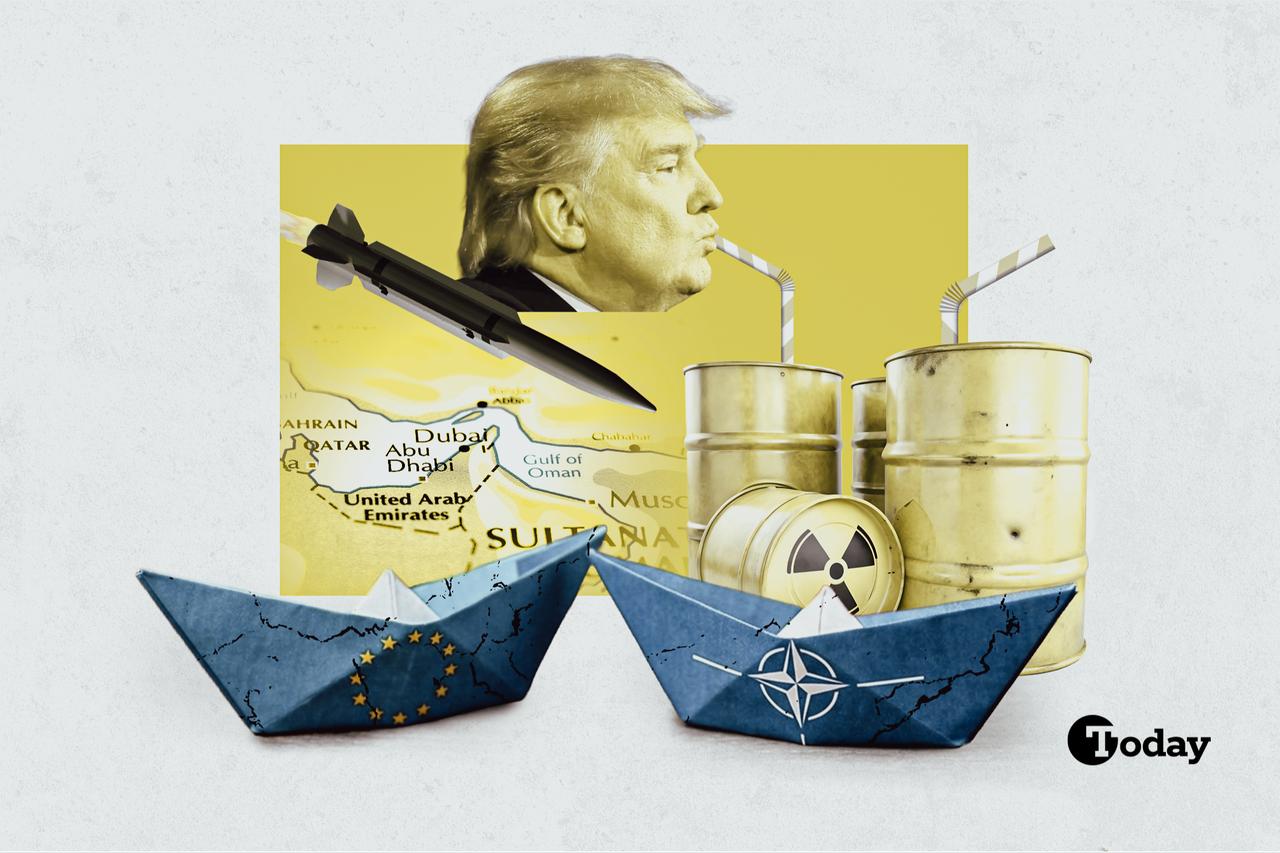
Several factors support this conclusion, including the long-standing tendency of Iran to view Arab countries as arenas for its proxy confrontations with other actors. This is evident in the cases of Yemen, Bahrain, Iraq, Syria, and Lebanon. Furthermore, Iran has consistently claimed that Azerbaijan and Türkiye serve as pawns for Israel and NATO. Nevertheless, for obvious reasons, Tehran has avoided targeting these countries in the current war in the same manner it has targeted its Arab neighbors.
Additionally, Iran has historically boasted that if Israel were to strike, Tehran would retaliate by wiping it off the face of the earth. However, when the time came, Iran notably refrained from targeting Israel and its critical infrastructure with full force, as such an action would likely provoke a response that Iran could not contain or counter.
The most consequential dimension of Iran’s targeting choices is not military but political. By directing its firepower overwhelmingly at GCC states, Iran has created discord and division across the region that will persist long after the fighting ends. Trust has been damaged. Resentments have been deepened. The foundations of regional cooperation and solidarity have been weakened at precisely the moment they are most needed.
Ironically, this outcome serves Israel’s interests. A fractured, distrustful, internally divided region has been a longstanding Israeli strategic objective. Regional discord weakens collective bargaining power, undermines coordinated diplomatic positions, and ensures that no unified bloc can effectively challenge Israeli policies. By attacking GCC states and sowing lasting "fitna"—discord—across the region, Iran has effectively done Israel’s work for it. Tehran’s choices have advanced the very agenda it claims to oppose.
This is not a minor miscalculation. It is a strategic catastrophe disguised as military action. Iran entered this conflict claiming to stand against American and Israeli aggression, yet its operational decisions have produced outcomes that align perfectly with Israeli interests. This is not a unique exception. Iran has done the same thing repeatedly in Iraq, Syria, and Lebanon. Iran’s justification for targeting GCC states does not withstand scrutiny—not on evidentiary grounds, not on logical grounds, and not based on Iran’s own stated statements about the region.


 Set as preferred source
 Set as preferred source


 1 min read

 1 min read