Newsletters


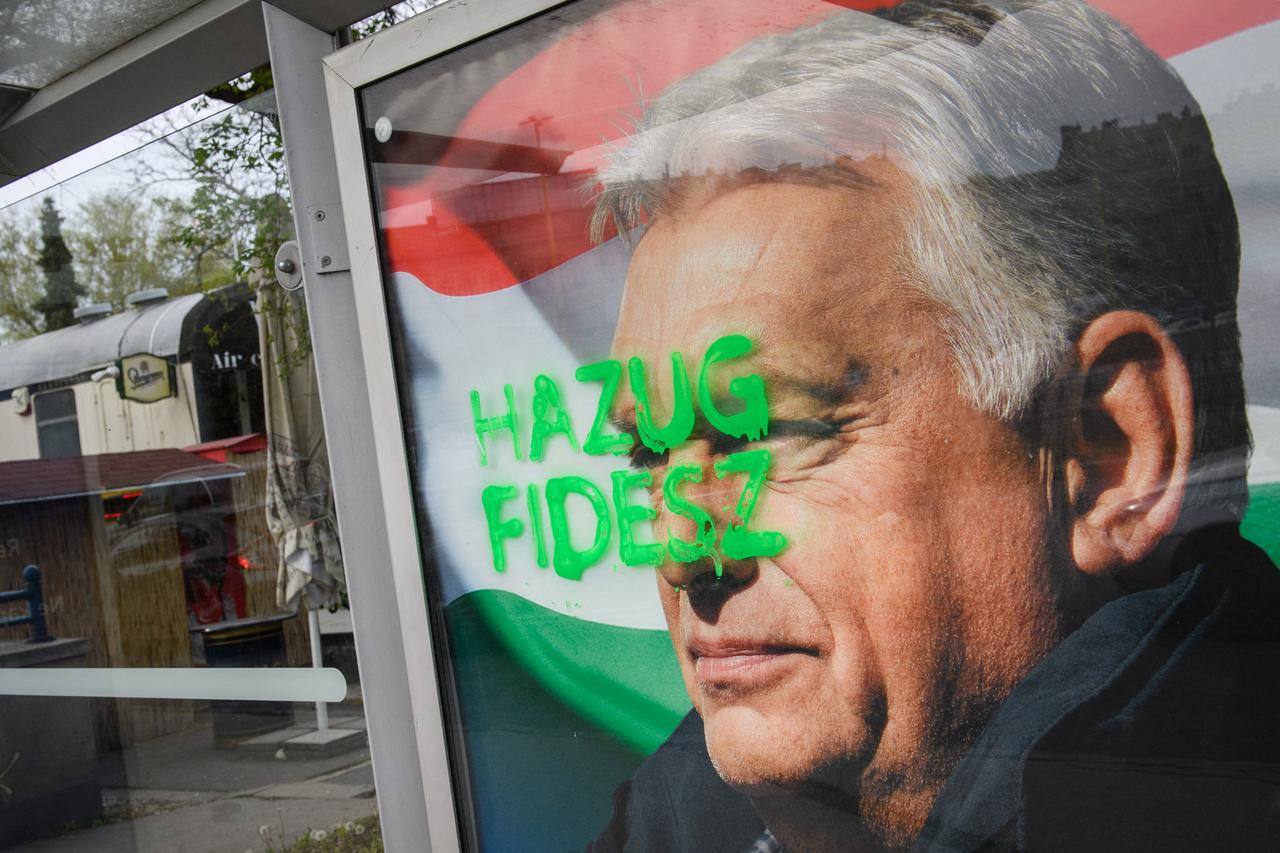


The Hungarian writer Sandor Marai once observed that freedom is the most profound element of human history, an "obstinate march" against despotism. This past Sunday, the Hungarian people took that march to the ballot box.
In a definitive break with 16 years of illiberalism, voters turned out in record numbers to free themselves of Viktor Orban and his party Fidesz. They didn’t just change a government; they ended a regime that had spent over a decade undermining NATO, stalling the EU, and drifting into the orbit of Vladimir Putin. They even worked against Ukraine’s efforts in its war with Russia, and served as an inspiration for global far-right parties and leaders.
Peter Magyar, a former ally of Orban, and his Tisza Party won 138 out of 199 seats in Parliament, securing a decisive victory. These results signal more than just a political transformation; they offer a chance to reverse the anti-democratic practices of the Orban era. Hungary is poised to reshape its relations with the EU, NATO, and the United States, ushering in a new chapter of Western cooperation and increased support for Ukraine.
The student movement that began in Budapest in 1956 against Soviet influence and communism—demanding free elections, freedom of speech, and the withdrawal of Soviet troops—known as the Hungarian Revolution of 1956, was an important reference point in Orban’s political thought.
Although the Soviets suppressed the uprising, in 1989, Orban delivered a powerful speech recalling those days: “If we do not lose sight of the principles of ’56, we can elect for ourselves a government that will initiate immediate talks regarding the quick withdrawal of Soviet troops. If we have the mettle to want all this, then, but only then, we can fulfill the will of our revolution.”
When Orban first came to power in 1998, he supported European integration. Although Hungary did not sign its EU accession agreement during his tenure, it was his first government (1998–2002) that conducted the negotiations.
After returning to power in 2010, however, he began criticizing the EU as an encroachment on national sovereignty. The EU’s longest-serving leader, Orban, described his country as an “illiberal democracy,” while the European Parliament labeled the system an “electoral autocracy.” Declaring himself a defender of Europe’s Christian values, the conservative nationalist leader gradually moved Hungary away from democracy.
Constitutional changes, laws strengthening executive power, interference in judicial independence, media freedom, and civil society, as well as changes in electoral laws favoring his position, corruption, anti-immigration policies, and conflicts with the EU over Ukraine and sanctions against Russia—all increased tensions between Brussels and Budapest. Since 2022, the EU has frozen nearly €20 billion ($23.56 billion) in funding for Hungary.
Accusing Brussels of imperialism, Orban once compared the EU to the Soviet Union during a commemoration of 1956, saying that while Moscow had been a tragedy, “Brussels is just a bad contemporary parody,” and called on Hungarians to “resist.”
Migration has been another major source of conflict. During the 2015 Syrian refugee crisis, hundreds of thousands of migrants passed through Hungary. Orban’s government built massive border walls along Serbia and Croatia, later claiming they were meant to prevent Europe from becoming a Muslimized “mixed population." According to Orban, rising Muslim populations and ‘mixed’ societies would lead to the decay of traditional Christian-European values.
Magyar’s overwhelming victory and his party’s two-thirds parliamentary majority could enable the rollback of Orban’s controversial anti-democratic reforms. Magyar has pledged to restore Hungary’s pro-EU stance, strengthen the economy, end corruption, reform the judiciary, transform pro-Orban state media, and unlock frozen EU funds.
However, Magyar has expressed opposition to the EU migration pact and reservations about Ukraine’s EU accession. Still, his reform agenda and desire to unlock EU funds suggest a more cooperative relationship with Brussels.
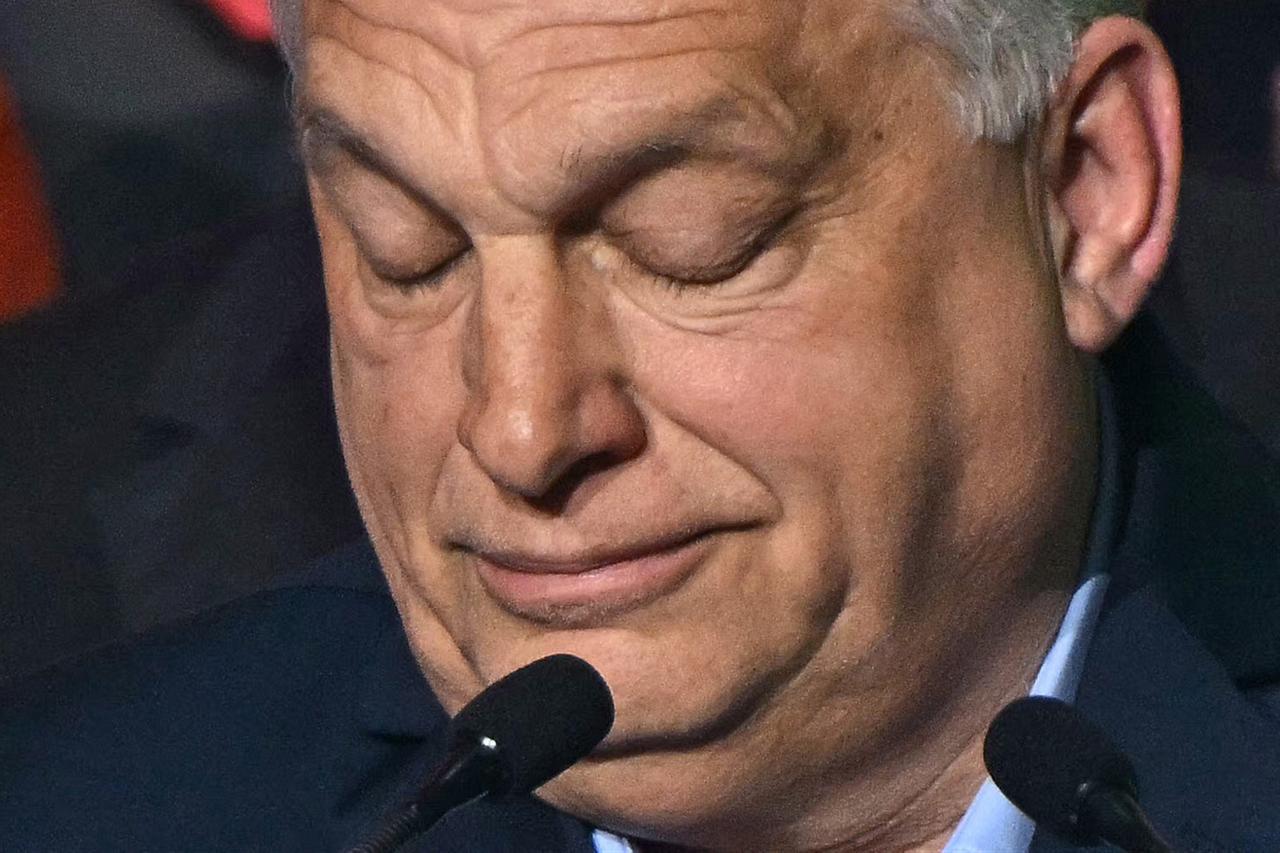

Orban, one of Putin’s closest allies in Europe, maintained ties with him even after the 2022 invasion of Ukraine. While most of Europe halted Russian oil trade and plans to end gas imports by 2027, Hungary continued importing both, receiving exemptions from EU sanctions.
Since the full-scale invasion of Ukraine, Hungary has frequently delayed or blocked sanctions against Russia, including the most recent 20th sanctions package.
Framing elections as a choice between “war” and “peace,” Orban argued that his opponent would drag Hungary into war alongside Ukraine. Since February 2022, Orban has delayed EU aid to Ukraine, and most recently blocked a €90 billion EU loan agreement. Consequently, Ukrainian President Volodymyr Zelenskyy has previously accused him of betraying Europe.
Recent weeks have only deepened the urgency of this political shift. Leaked phone conversations between Russian Foreign Minister Sergey Lavrov and his Hungarian counterpart, Peter Szijjarto, have solidified perceptions of Hungary as Russia’s “Trojan Horse” within the EU. In these recordings, Szijjarto reportedly offered his assistance regarding “other EU sanctions that have affected Russia,” coordinating directly with Moscow to bypass Western pressure.
Orban’s actions and position on Ukraine’s future directly undermined the unified stance that NATO and the EU have sought to maintain in response to Russian aggression.
In contrast to Orban, who accuses the EU and NATO of being “war-hungry” against Russia, Magyar has signaled that he will improve relations with NATO and pursue a more distant stance toward Russia, which benefits from divisions within these organizations.
“Hungary will once again be a strong ally in the EU and NATO,” Magyar said while celebrating his electoral victory with supporters.
Unlike Orban’s pro-Russian stance throughout the war in Ukraine, Magyar revived traditional anti-Russian sentiment rooted in the country’s communist-era history during his campaign.
Magyar is expected to support anti-Russian sanctions packages, although the Tisza Party opposes sending weapons to Ukraine and voted against the €90 billion loan package for the country in the European Parliament.
While difficulties regarding support for Ukraine and energy supplies from Russia will likely be addressed gradually, losing an ally like Orban is clearly a setback for Vladimir Putin and Russia, and a gain for Ukraine.
Orban’s defeat represents not just a domestic political shift but an ideological blow to far-right movements across Europe. Orban has contributed, alongside figures such as Marine Le Pen and Geert Wilders, to the institutionalization of nationalist, Eurosceptic far-right movements in the European Parliament through the “Patriots for Europe” group. His defeat is both a moral and strategic loss for the bloc, as Orban has served as a reference point that inspires other far-right actors and legitimizes their rhetoric.
In the United States, Donald Trump and the conservative nationalist populist MAGA movement have openly supported Orban’s “illiberal democracy” model, with shared positions including opposition to immigration, the exaltation of Christian civilization, gender ideology, and opposition to aid for Ukraine. The fact that Vice President JD Vance visited Budapest during the election campaign to provide support to Orban—one of the first members of Trump’s “Board of Peace,”—and that President Trump shared posts on social media endorsing Orban in the election, demonstrates the closeness of this relationship.
Thus, Orban’s defeat may weaken not only European far-right networks but also their transatlantic connections.
Magyar now holds the parliamentary majority needed to enact constitutional reforms and deliver on his promise of regime change. As Poland’s Prime Minister Donald Tusk said while congratulating the results—“Ruszkik haza” (“Russians go home”)—the question remains whether Hungary will distance itself from Russia, realign with the EU and NATO, and become a source of hope for opponents of the far right.
Even if we have concerns about the future, we should take Sandor Marai’s words to heart and celebrate the present: “The day at hand was more exciting than the concern about what the future might hold.”


 Set as preferred source
 Set as preferred source


 7 min read