Newsletters




This article was originally written for Türkiye Today’s weekly economy newsletter, Turkish Economy in Brief, in its Mar. 9 issue. Please make sure you are subscribed to the newsletter by clicking here.
Another week has passed, during which the fire in the Middle East has also spread to the markets as the conflict entered its second week.
The price of Brent crude surged by nearly 30%, marking the sharpest weekly increase since the post-pandemic period.
Brent oil, which closed 2025 at $61, has gained more than 50% to $92.7 by the end of the first quarter, closing at that level on Friday.
On Monday, prices jumped further to near $120 per barrel on news that major producers across the Gulf region were facing significant production cuts.
At this point, it remains unclear how long the Strait of Hormuz will remain closed and how long the conflict will continue. Claims about a possible ground operation are circulating. Extreme scenarios are also under discussion, such as Middle Eastern countries halting energy production, global industries shutting down, and critical supply disruptions.
Price pressures have emerged not only in oil but also in natural gas, liquefied natural gas (LNG), and fertilizers, which are critical commodities. These cost increases and supply shocks pose serious risks for the entire world, particularly regarding inflation.
The heightened geopolitical tensions signal a more serious situation for Türkiye, which is both geographically close to the conflict zone and heavily dependent on energy imports. Authorities continue to carefully manage the ongoing disinflation process through targeted measures.
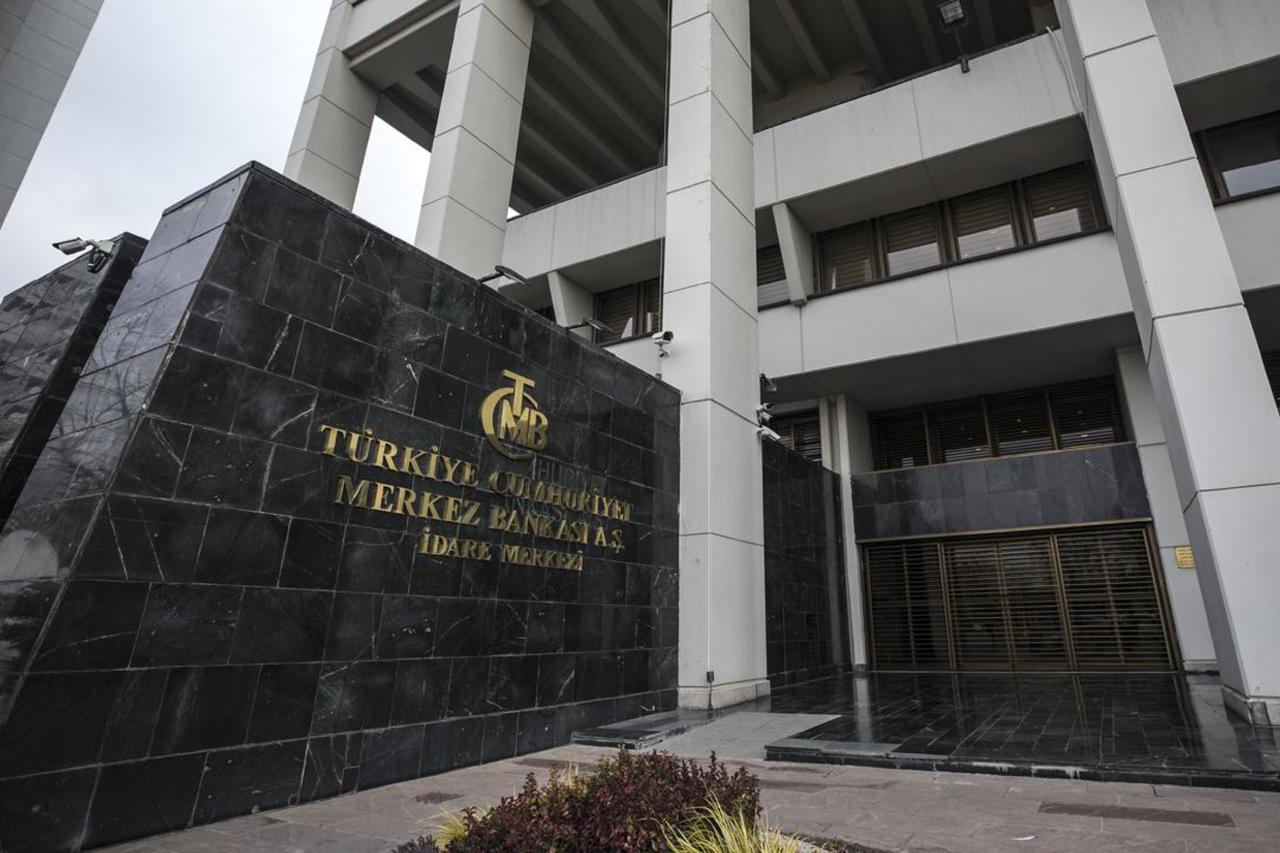
In this context, the Central Bank of the Republic of Türkiye (CBRT) raised its funding rate from 37% to 40% last week and intervened in the market with approximately $12 billion, standing out as the most significant steps taken against the war’s potential economic impact.
These measures yielded results in the initial stage, and the Turkish lira maintained a stable outlook. The USD/TRY exchange rate increased only 0.23% last week, a very limited rise.
However, Borsa Istanbul’s BIST 100 index fell 6.74% on a weekly basis to 12,792 points, marking the sharpest weekly decline since March last year.
For Türkiye’s economy, oil prices will be the main barometer during this period. The rise in Brent crude affects both the energy import bill directly and consumer prices indirectly through higher production costs. It is estimated that every $10 increase in oil prices adds approximately 1.2–1.6 percentage points to annual inflation, including indirect effects.
For this reason, the government also activated the escalator mechanism for fuel prices last week. Through this system, the state forgoes a significant portion of fuel tax revenues to ensure that increases in oil prices are reflected only partially at the pump.
A similar conflict occurred in the Middle East in June last year. Therefore, even if tensions ease today, there is no guarantee that they will not rise again. A return of oil prices to $60 or below now seems increasingly unlikely.
U.S. investment bank JPMorgan withdrew its expectation of a rate cut from the CBRT on March 12 following the geopolitical tensions in the Middle East. The bank now forecasts a policy rate of 31% and an annual CPI of 25% by the end of the year. It also raised its 2026 current account deficit forecast to $35 billion.
These projections indicate that the disinflation process will continue in the long term.
However, uncertainty remains high in the short term.
The direction of geopolitical risks will be decisive. Eventually, new balances will form, and markets will find their path accordingly. In times like these, for investors, the priority becomes “preserving existing assets.”


 Set as preferred source
 Set as preferred source



 4 min read