

 Newsletters


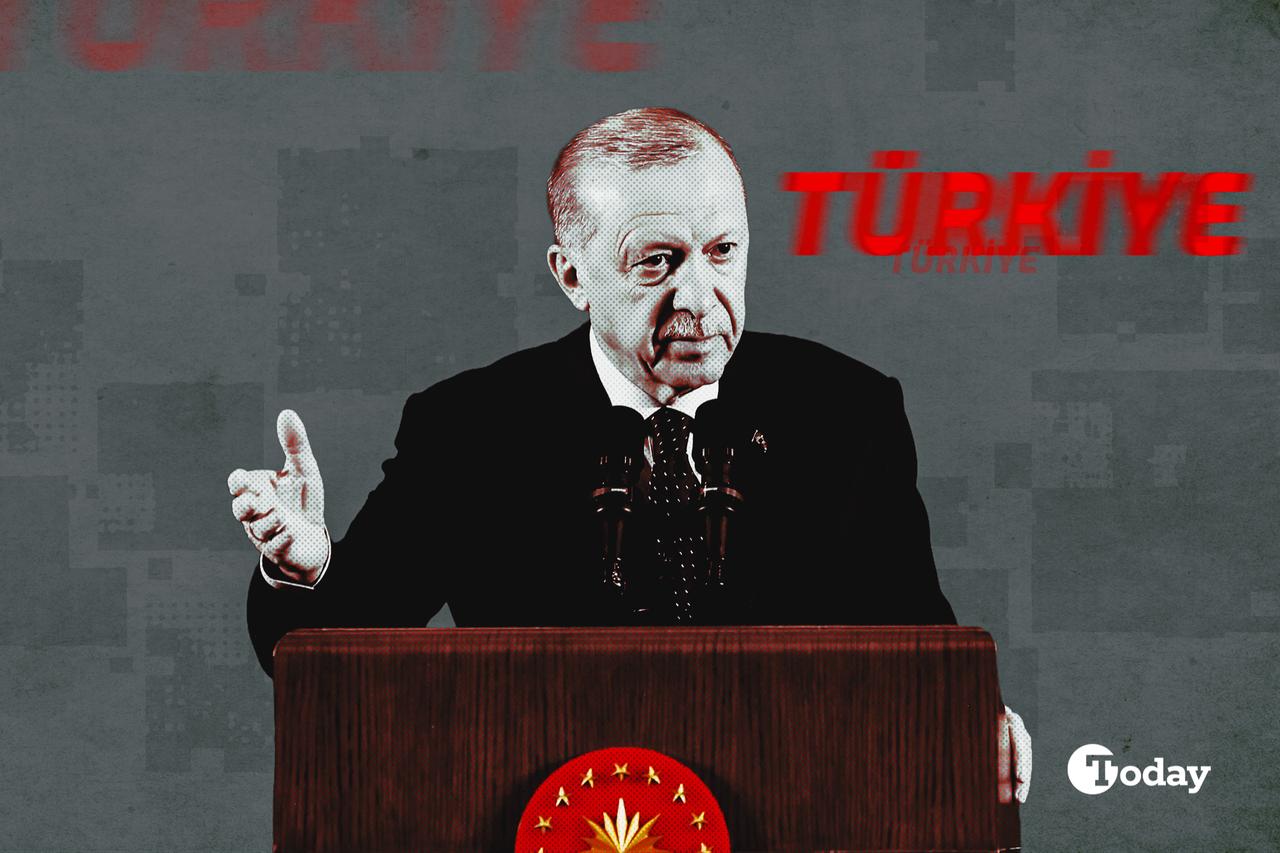


Every agreement signed after 40 days of war and roughly 65 days of negotiations brings a sense of relief. Yet the real question is always the same: where does each actor stand when the ink dries?
Türkiye welcomed the announcement of the U.S.-Iran agreement this morning with a mixture of satisfaction and carefully measured caution. This posture is not an improvised reaction, but rather the natural outcome of a diplomatic strategy pursued for months, much of it away from public view.
To properly understand Ankara’s position today, one must first ask a simple question: Did Türkiye ever want this conflict?
The answer is an unequivocal no.
Over the past three years, Turkish foreign policy has been guided by a central principle: managing regional tensions through dialogue. Normalization with Gulf states, the reopening of diplomatic channels with Egypt and Syria, and support for the rapprochement between Tehran and Riyadh all stem from the same strategic logic. Within this framework, Türkiye was urging restraint through both diplomatic and intelligence channels long before U.S.-Iran tensions escalated into armed confrontation.
These efforts rarely reached the public eye—and they were not supposed to. The value of mediation often lies in its invisibility. The multilayered diplomatic engagement conducted by Türkiye's Foreign Ministry and intelligence services continued both before and during the war. Iranian Foreign Minister Abbas Araghchi’s call to Foreign Minister Hakan Fidan today, in which he thanked Türkiye for its efforts, serves as an official acknowledgment of that largely unseen diplomacy.
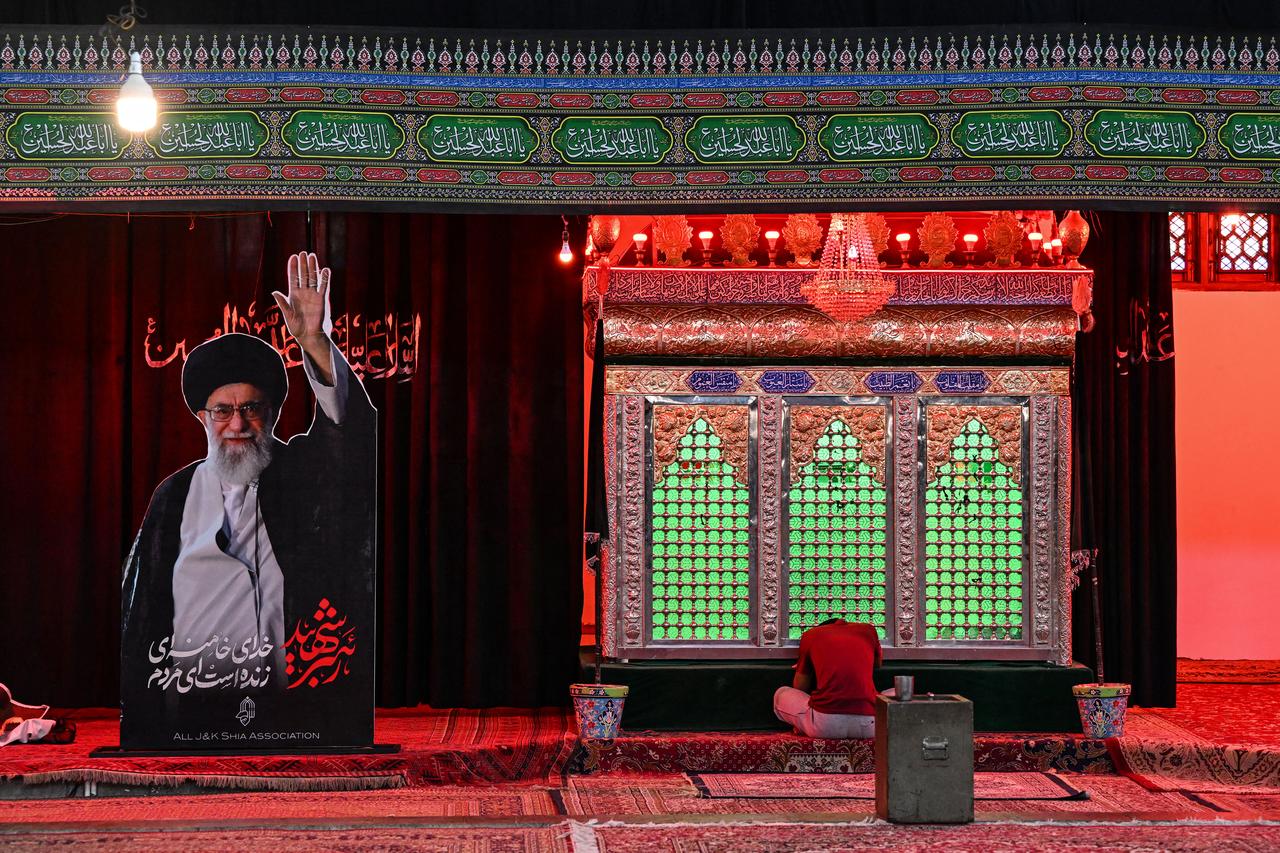

To understand why Türkiye remained distant from the conflict, one must look beyond principles and examine geography. Iran is not only Türkiye’s neighbor and an energy supplier, it also sits adjacent to Türkiye’s broader vision of becoming a regional energy corridor. Every escalation in the region directly challenges Ankara’s energy security and strategic planning. The issue becomes even more consequential when the Strait of Hormuz enters the equation.
Hormuz does not directly determine Türkiye’s energy imports. However, Türkiye is deeply integrated into global energy and trade networks as a transit country. Any threat to shipping through Hormuz drives global oil prices upward, increasing Türkiye’s import costs while simultaneously weakening the competitiveness of Turkish exports destined for European markets. Throughout the four-month conflict, the possibility of Iran closing the Strait was not an abstract foreign policy concern for Ankara—it represented a tangible economic pressure point.
Yet, there is another side to the story.
Regional instability has simultaneously reinforced the importance of alternative transportation and energy corridors. The Middle Corridor—stretching from China across the Caspian Sea through Türkiye and onward to Europe—gains strategic relevance whenever Hormuz faces disruption or the Red Sea becomes insecure. Türkiye sits at the heart of this route, and regional instability paradoxically increases its geopolitical value.
Even so, that advantage was never sufficient reason for Ankara to welcome conflict. Türkiye’s long-term interests lie in a stable corridor built on predictability and economic integration, not in temporary increases in transit traffic driven by regional chaos.
President Erdogan’s description of the agreement as “an important development for establishing peace and tranquility in our region” is more than a routine diplomatic gesture. It reflects the confidence Ankara derives from the regional architecture of dialogue and de-escalation it has sought to build in recent years. Türkiye expressed appreciation for all parties involved, including Pakistan and Qatar, while also placing on record that it had contributed significant effort and support to the process from the outset.
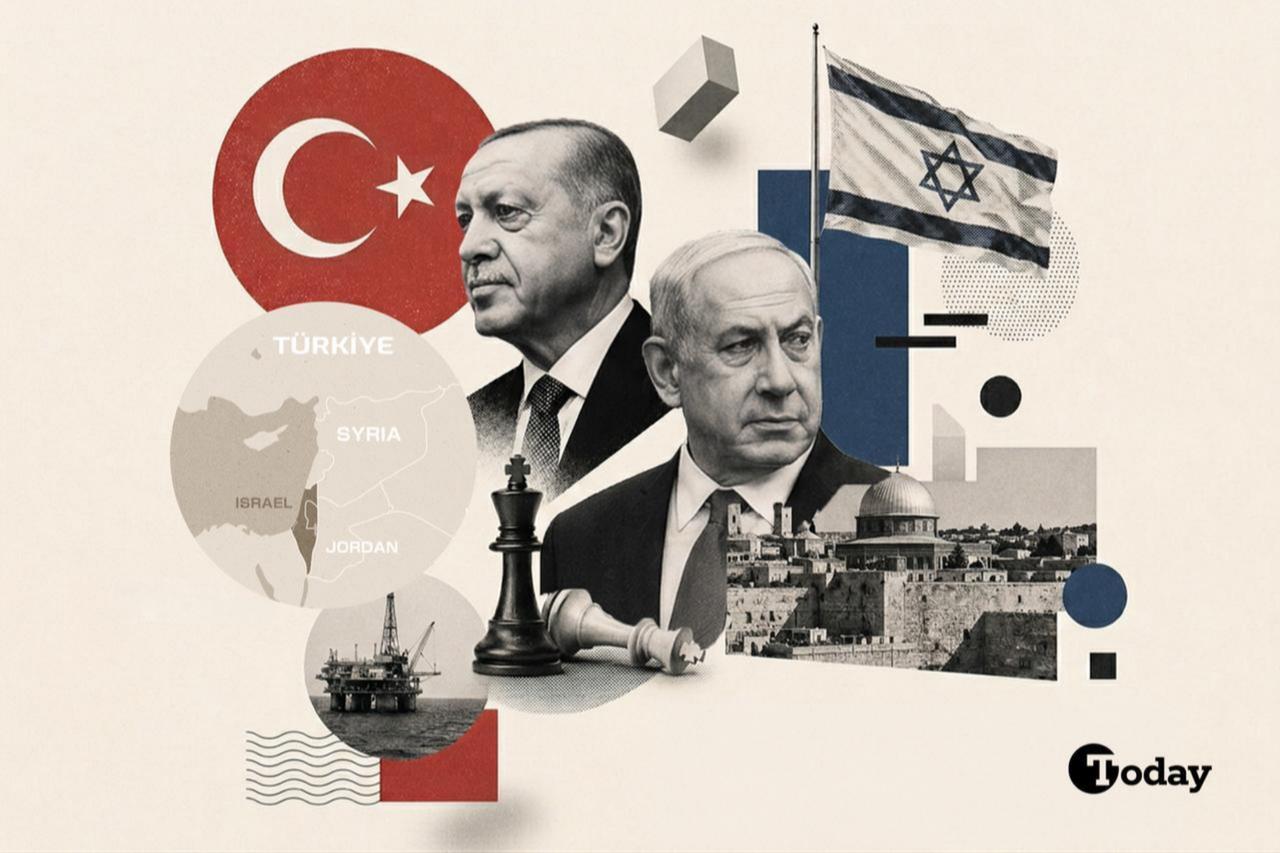
Foreign Minister Fidan’s warning carried a sharper undertone. He stressed the need for vigilance against attempts to undermine the agreement. The target of that warning was left unstated, but its meaning was hardly difficult to interpret. Israel’s continued military operations in Lebanon during and after the ceasefire process illustrate the fragility of the current arrangement. Fidan’s remarks were not diplomatic formalities; they were grounded in the realities on the ground.
National Intelligence Organization (MIT) Director Ibrahim Kalin adopted a similarly cautious approach. His statement that Türkiye remains in “a period of careful observation” rested on a straightforward assessment: the real negotiations have not yet begun. A ceasefire may stop a war, but building a durable peace is a far more difficult undertaking. The frameworks accepted by both sides continue to be interpreted differently, and a genuinely shared foundation has yet to emerge.
For Türkiye, the most tangible outcome of this process is neither military nor territorial. It is credibility.
The ability to maintain simultaneous relationships with Washington, Tehran, and other regional actors—without treating any as an absolute ally or an outright adversary—has allowed Ankara to keep the communication channels open throughout the crisis. Such credibility is not easily acquired.
Türkiye’s ambition to become a major energy and transportation hub depends on this reputation. Infrastructure projects and transit corridors ultimately rest upon the confidence neighboring states place in Ankara. The consistency demonstrated through its mediation efforts contributes directly to the political foundation required for those projects to succeed.
At the same time, Türkiye’s sensitivity toward attempts to sabotage the agreement demonstrates an awareness not only of official diplomatic processes but also of the forces that could undermine them. Israel’s posture, potential political fragilities within Iran, and the unresolved calculations of regional proxy actors—particularly in Lebanon and among Hezbollah-affiliated networks—remain among the most significant risks to the ceasefire.
Ankara understands these realities. It has conveyed that understanding by expressing both satisfaction and caution at the same time. In foreign policy, this is perhaps the most mature posture a state can adopt: welcoming a positive outcome without becoming blinded by it.
Türkiye will also be watching closely for any signs of renewed regional expansionism by Iran, recalling the patterns that followed previous periods of diplomatic accommodation.
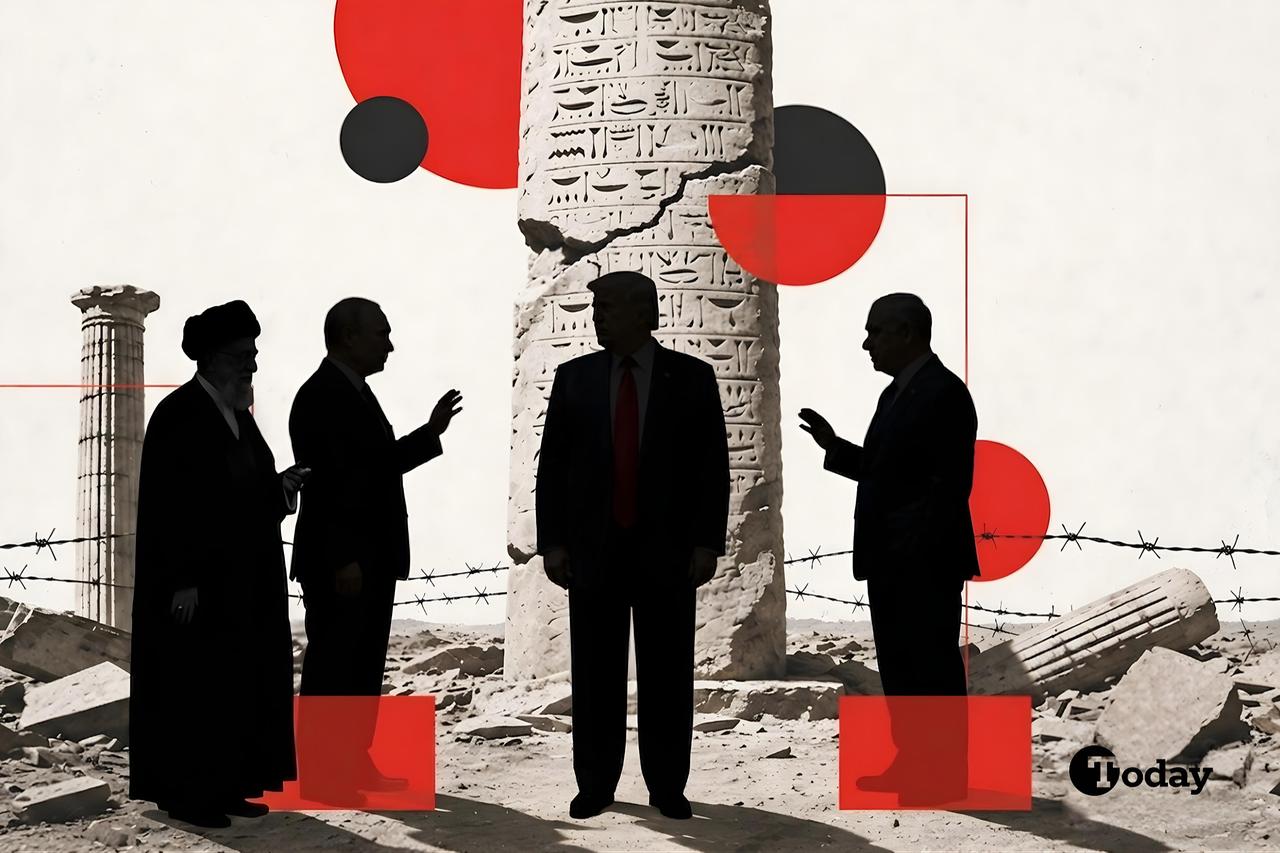
The true test will begin in the weeks, months, and years ahead, when the parties attempt to transform a ceasefire into a lasting political framework. As for where Ankara will be seated at that table, the answer is already clear: on the side of credibility, stability, multilateral diplomacy, and the construction of a new regional order.


 Set as preferred source
 Set as preferred source


 1 min read

 1 min read


