Newsletters




This article was originally written for Türkiye Today’s weekly economy newsletter, Turkish Economy in Brief, in its April 27 issue. Please make sure you are subscribed to the newsletter by clicking here.
As the world continues to closely follow the crisis in the Middle East, uncertainties are only growing—will the ceasefire hold, will clashes resume, when will the Strait of Hormuz reopen? This uncertainty is increasingly exhausting global capital.
A vast region stretching from the Israel–Lebanon line to the Persian Gulf and Iran—along with the Arabian Peninsula—is now presenting a far more unstable outlook. As billions of dollars in capital search for a new destination, Türkiye, which has been working on a comprehensive strategy for some time, has now taken action and announced its first concrete incentives.
Speaking last week while unveiling the incentives, President Recep Tayyip Erdogan said:
“While our business and economic circles, along with everyone else, try to follow an atmosphere that changes almost every other day, they are also trying to find their way through a dense fog. The negative impact of conflicts is being deeply felt not only in energy but also in production, trade, tourism and transportation. The consequences of such a major shock will become clearer over time.”
He emphasized that neither the region nor the world will return to how things were before.
This war, which is reshaping the global order and value chains, is positioning Türkiye—bridging East and West, North and South—as an “indispensable hub for energy and trade corridors.”
“We see this, and so do our friends, neighbors and competitors. We are already planning the strategies that will prepare our country for the new era, building the infrastructure and leaving no gaps,” Erdoğan said.
The incentives he announced can be summarized as follows:
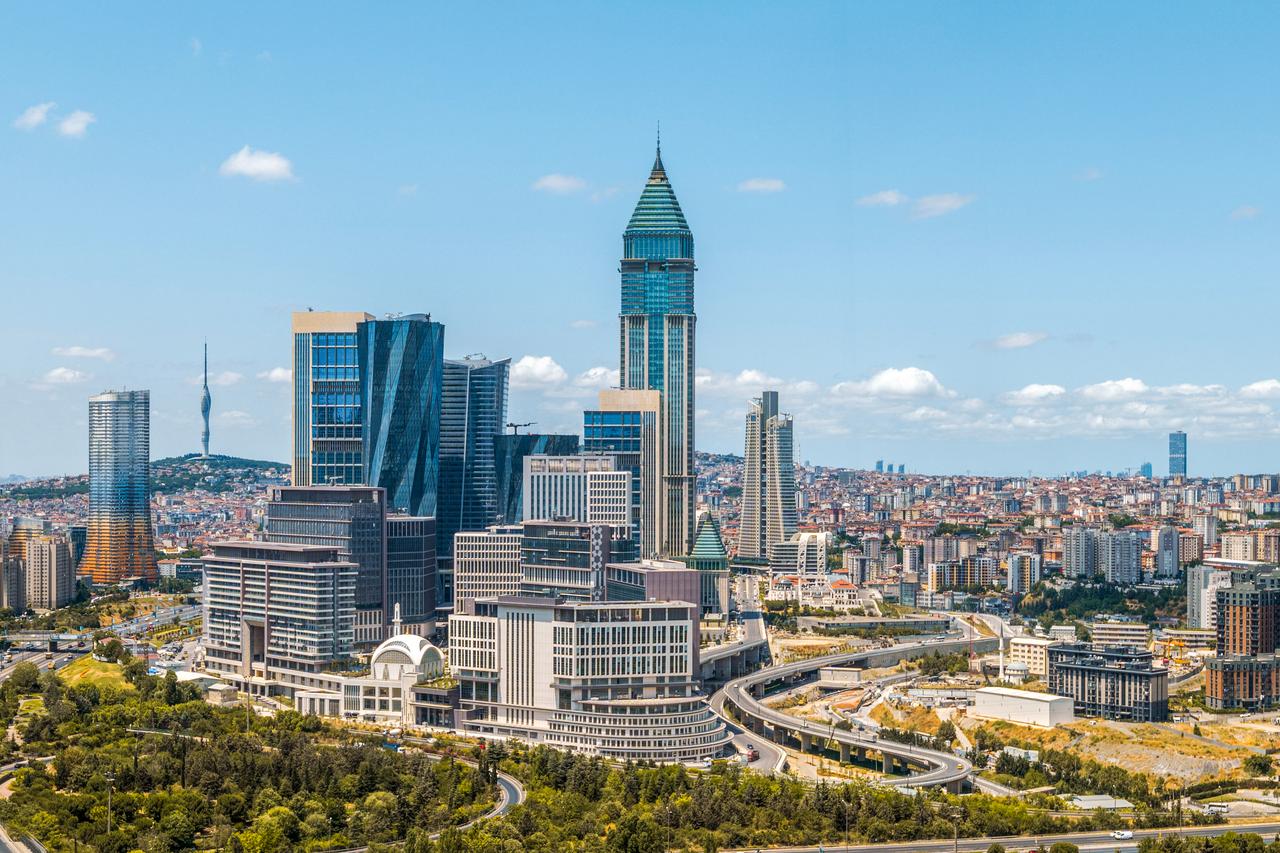
Erdogan noted that the priority is to encourage global companies to relocate their regional headquarters to Türkiye. These incentives also target firms currently based in hubs like Dubai, where security concerns have recently increased.
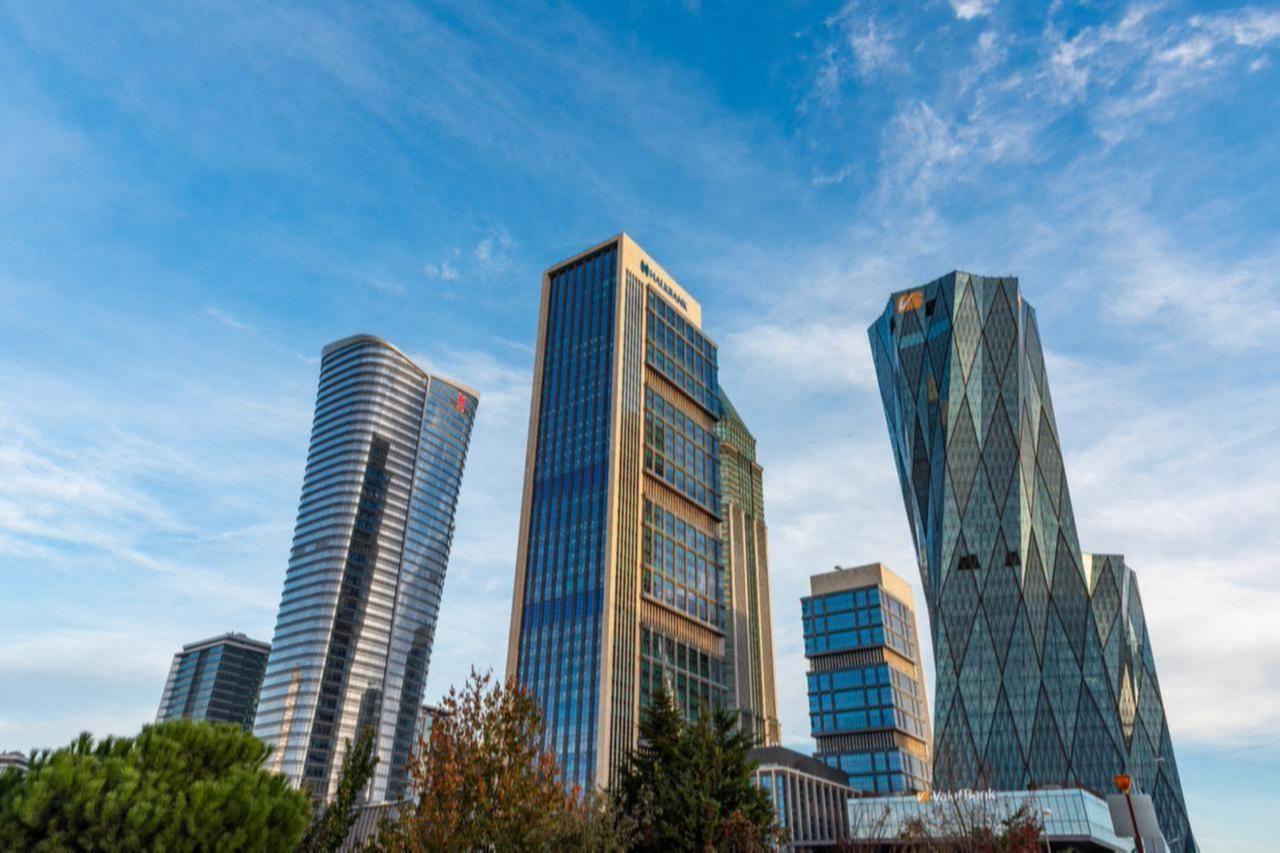

Domestic companies have not been left out of the new incentive package. Erdogan reminded that exporters already benefit from a 5-point reduction on the 25% corporate tax rate, with an additional 1-point cut for manufacturers.
“We are now taking a more radical step,” he said. “We are reducing this tax to 9% for manufacturing exporters and to 14% for other exporting companies.”
Looking at the incentives, two main groups stand out: foreign investors and companies operating in Türkiye—particularly exporters and those earning income abroad.
Tax incentives are one of the strongest financial levers influencing foreign direct investment decisions. In capital-intensive sectors such as technology, energy, manufacturing, or transit trade, investors often seek to offset high initial costs through tax advantages, shortening the payback period.
Predictability is also key, and the 20-year duration of these incentives supports that.
If successful, Türkiye could shift from being a destination for short-term “carry trade” flows to becoming a hub for medium- and long-term, high-quality and stable foreign investment.
On the domestic side, exporters will see a significant reduction in their tax burden. Companies with a higher share of exports in total sales will see stronger profitability gains—the higher the export ratio, the greater the benefit.
Sectors that combine manufacturing and exports—such as automotive, white goods, iron and steel, textiles, and machinery—are expected to stand out. Service exporters, including airlines and logistics companies, will also benefit from the reduced 14% rate.
These incentives aim to boost Türkiye’s exports and foreign currency inflows while forming the backbone of its positioning as a “new safe haven” in the region.


 Set as preferred source
 Set as preferred source



 4 min read