Newsletters





As the conflict in Yemen reaches a boiling point, Ankara has finalized a comprehensive support plan designed to assist Saudi Arabia in defending against threats stemming from the Houthis in Yemen, according to security and diplomatic sources.
According to security sources, the strategic initiative focuses heavily on providing a robust technological and intelligence shield for Riyadh, particularly in the face of ongoing attacks from Houthi forces.
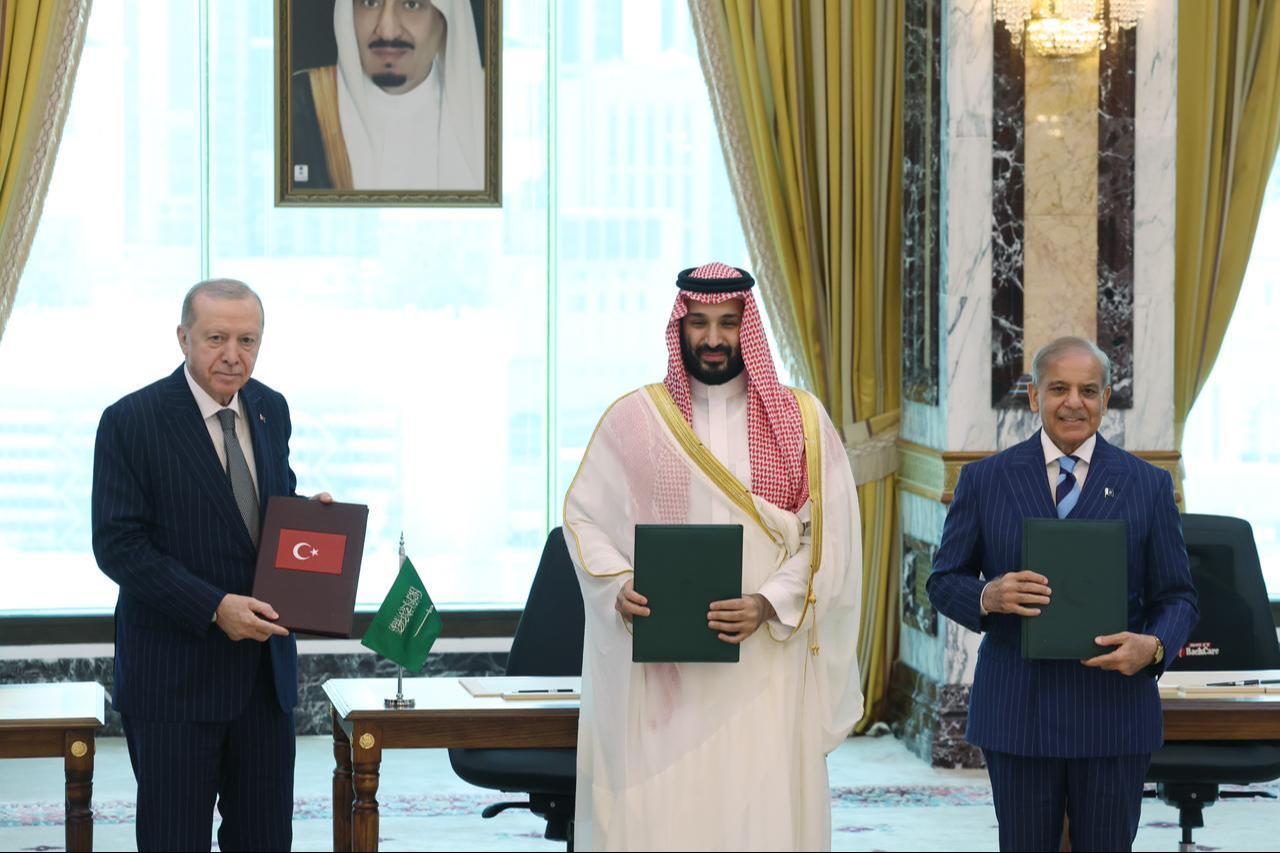
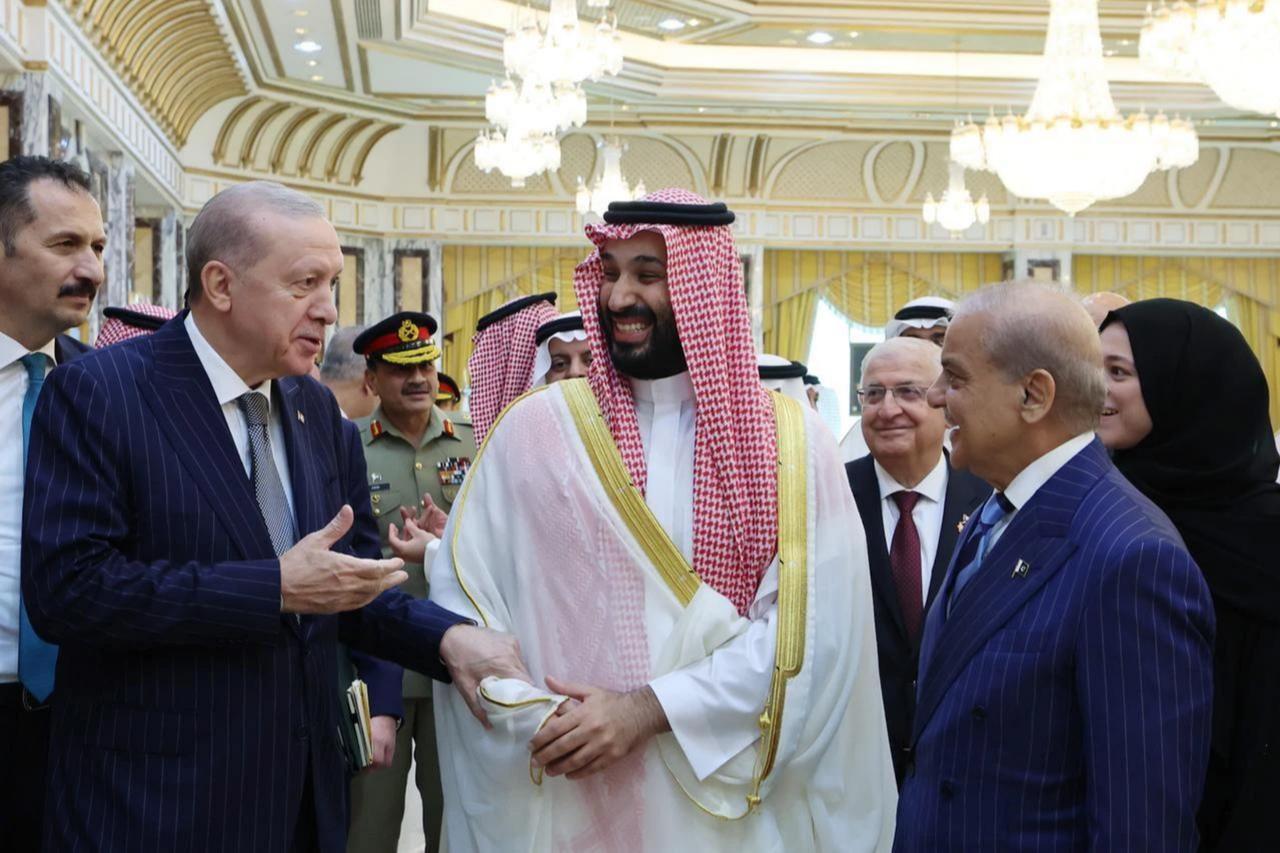
Türkiye signed the Mecca Joint Defense Agreement, also known as the Mecca pact, with Saudi Arabia and Pakistan on Aug. 7. However, the Turkish parliament has not yet ratified the agreement, as it remains in recess.
Rather than deploying combat troops that can take part in the complex conflict in Yemen, Ankara has adopted a highly calibrated approach.
The plan's primary objective is to strengthen Saudi Arabia’s own airspace and bolster its national missile defense capabilities.
Officials note that there was no official assistance request made by Saudi Arabia.
If an official request for assistance is made, the plan stipulates that Türkiye is prepared to provide advanced technological backing rather than boots on the ground.
At the core of this defensive blueprint is the proposed integration of critical military technology.
Ankara’s technical support plan for Riyadh prominently features the deployment of sophisticated early warning systems, advanced radar networks, and high-tech electronic warfare elements.
The initiative aims to drastically improve Saudi Arabia's ability to detect and neutralize incoming threats. The support package also heavily emphasizes the vital role of intelligence sharing between the two nations, ensuring that Riyadh has access to critical, real-time data regarding potential hostilities.

 1 min read

Security sources indicate that because a broader, formalized alliance is not yet officially in effect, any immediate defense support provided to Riyadh will initially be executed strictly within the framework of existing bilateral relations.
This foundational step allows both nations to quickly implement necessary defensive measures while maintaining diplomatic and operational flexibility.
A major focus of the bilateral effort revolves around the persistent and evolving threat of missile and drone strikes.
Furthermore, maximizing the sharing of threat intelligence and significantly increasing operational coordination between the various military and security institutions of both countries are viewed as the most effective methods to rapidly enhance Saudi Arabia's overall defense capacity.
Saudi Arabia has been leading a coalition supporting Yemen’s internationally recognized government since March 2015 against the Houthis, who have controlled the capital Sanaa and several provinces since September 2014
In recent days, the Houthis have claimed responsibility for drone and ballistic missile attacks targeting the Saudi capital Riyadh as well as energy facilities along the country's Red Sea coast.
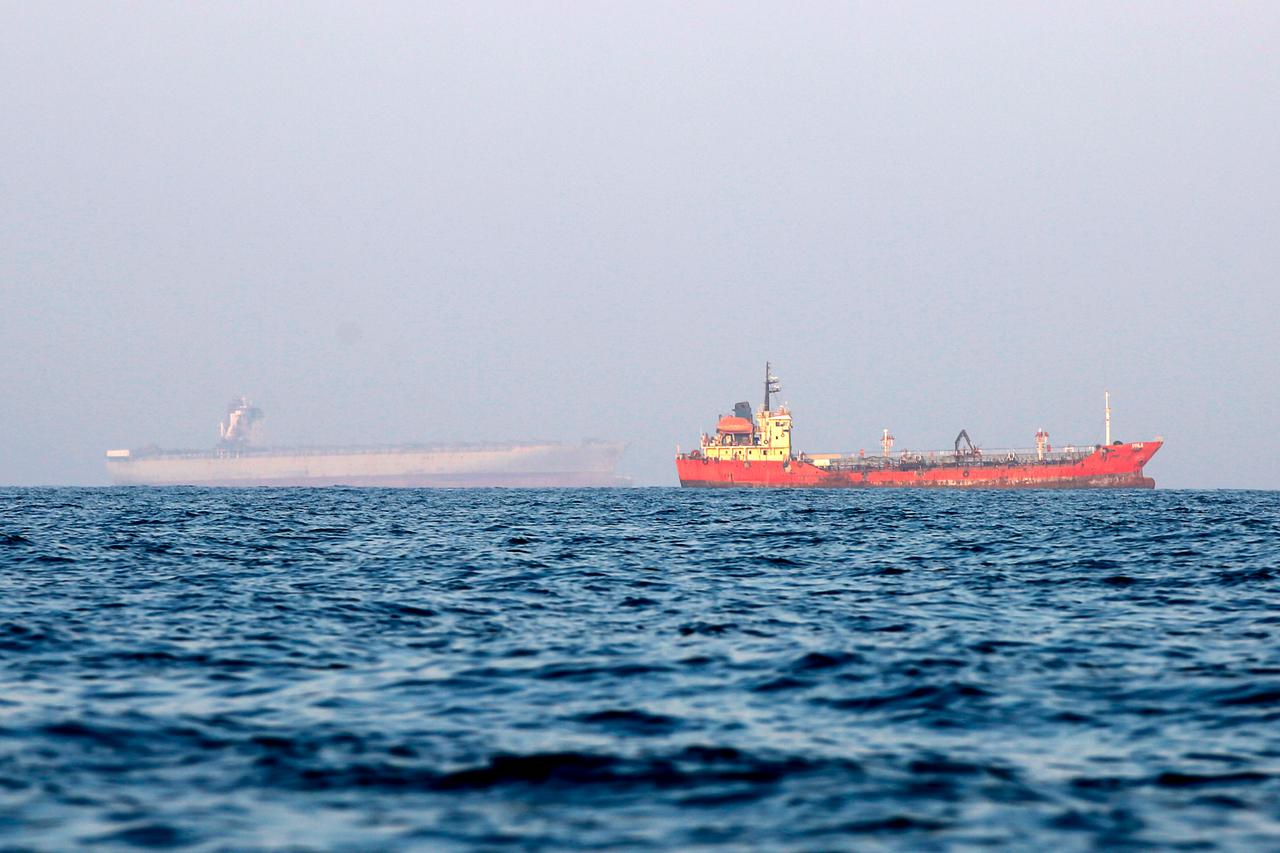
Recent cross-border Houthi attacks have injured civilians in southern Saudi Arabia, while renewed fighting has disrupted shipping routes and displaced civilians inside Yemen.


 Set as preferred source
 Set as preferred source



 1 min read