Newsletters


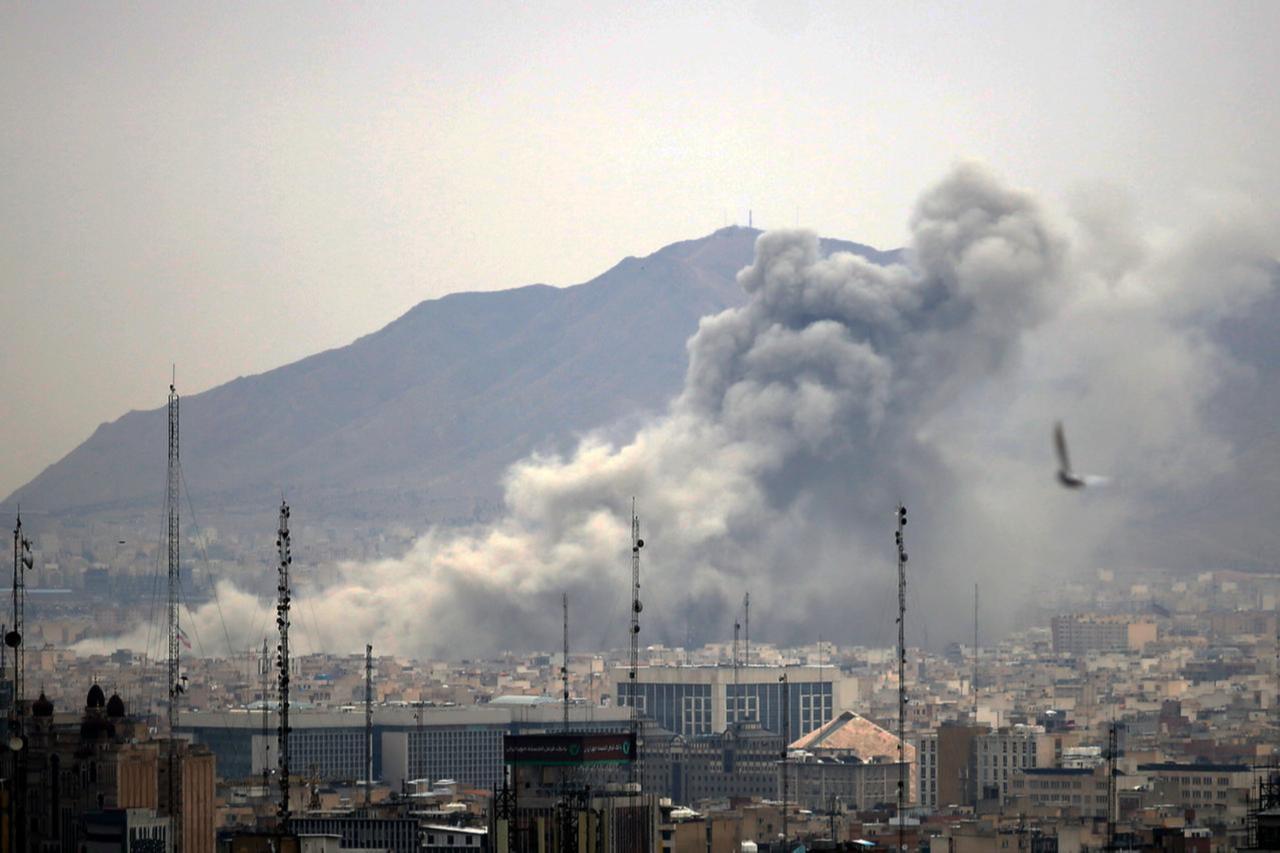


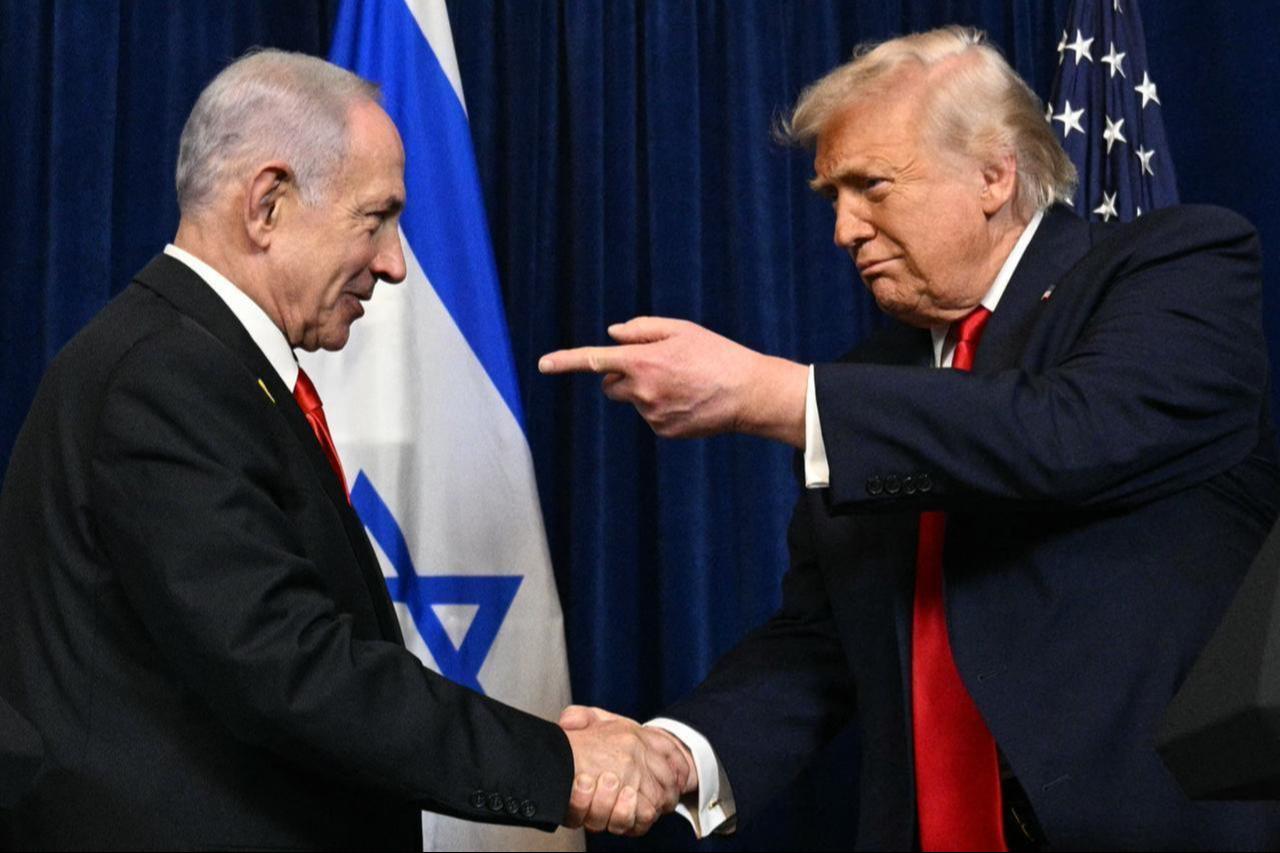
Israeli Prime Minister Benjamin Netanyahu warned Tuesday that Israel would resume military action against Iran if necessary, insisting Tehran "will not have nuclear weapons."
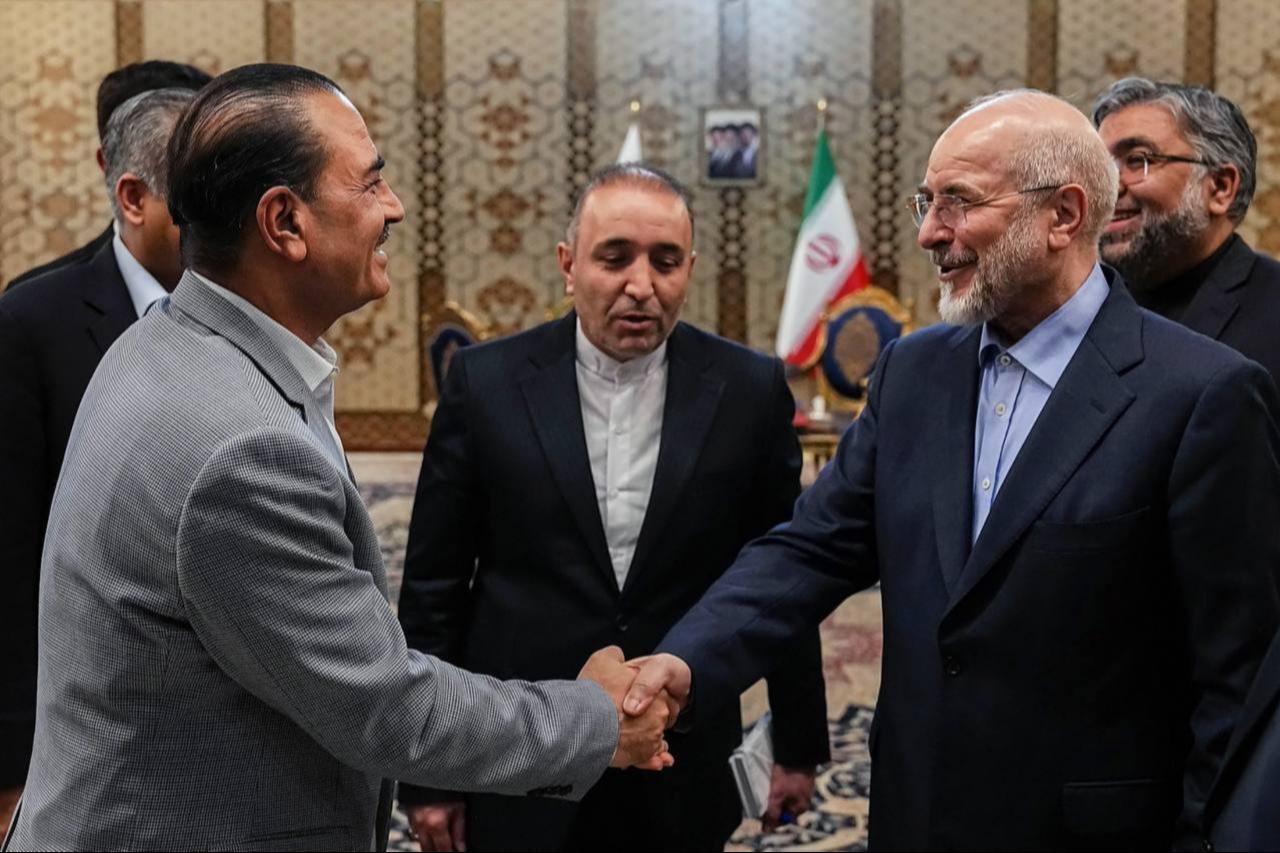
Meanwhile, Iranian Parliament Speaker Mohammad Bagher Ghalibaf defended uranium enrichment as Iran's "legitimate and inalienable right" ahead of technical discussions in Doha on Wednesday over implementing a recently signed memorandum of understanding (MoU) between Tehran and Washington.
Speaking in an interview with Israel's Channel 14, Netanyahu claimed Israel had eliminated the threat of an Iranian nuclear weapon. "In Iran, we saved ourselves from atomic bombs," he said.
Asked about reports that U.S. President Donald Trump had "spoken badly" about him, Netanyahu played down any suggestion of a rift. "Is that the first time? The relations are very good. It does not exactly reach the level of shouting," he said.
His remarks followed weeks of reports of friction between the two leaders over Washington's diplomacy with Iran and Israel's military operations in Lebanon. Trump has publicly acknowledged criticizing Netanyahu over Israeli strikes, although both leaders have maintained that their overall relationship remains strong.
Returning to Iran, Netanyahu warned that Israel was prepared to act again if necessary. "If needed, there will be a third time," he said.

In an interview with Iranian media, Ghalibaf laid out Tehran's conditions for implementing the MoU with the U.S. He stressed that Iran's missile program and military capabilities remain "absolutely non-negotiable" and warned Washington to fully honor the agreement before expecting further progress.
"If the first condition of the memorandum—the end of the war—is violated, Iran will respond," he said.
Ghalibaf also rejected claims surrounding Iran's role in the Strait of Hormuz, describing the waterway as part of Iran's territorial waters. He accused the U.S. of trying to stir up disputes over the strategic passage and noted that Iran and Oman had already reached agreements covering legal and maritime service issues.
He added that Tehran would not move to the next phase of implementing the MoU until all five initial commitments were fulfilled. Those include ending the war, restoring Lebanon's sovereignty, lifting what Iran calls the illegal U.S. naval blockade, reopening the Strait of Hormuz, guaranteeing Iran's oil exports and releasing Iran's frozen assets.
Describing negotiations with the U.S. as "a method of struggle," Ghalibaf argued that military strength reinforces diplomacy. "We are negotiating to achieve our goals. But when the language of reason and the text of the agreement become ineffective, the language of power comes into play," he said.
U.S. Vice President JD Vance said technical talks between Washington and Tehran remain on track despite Iran's public denials, describing Tehran's messaging as a "Persian negotiating tactic."
Iran, however, denied that direct negotiations are scheduled. Foreign Ministry spokesman Esmaeil Baghaei said Wednesday's discussions in Doha would focus on implementing provisions of the memorandum, including the release of Iran's frozen assets, through consultations with Qatari officials rather than direct talks with the United States.
Meanwhile, White House envoys Steve Witkoff and Jared Kushner traveled to Doha to meet Qatari Prime Minister Sheikh Mohammed bin Abdulrahman bin Jassim Al Thani and other mediators as part of efforts to continue implementing the agreement.


 Set as preferred source
 Set as preferred source


 2 min read
 1 min read