

 Newsletters


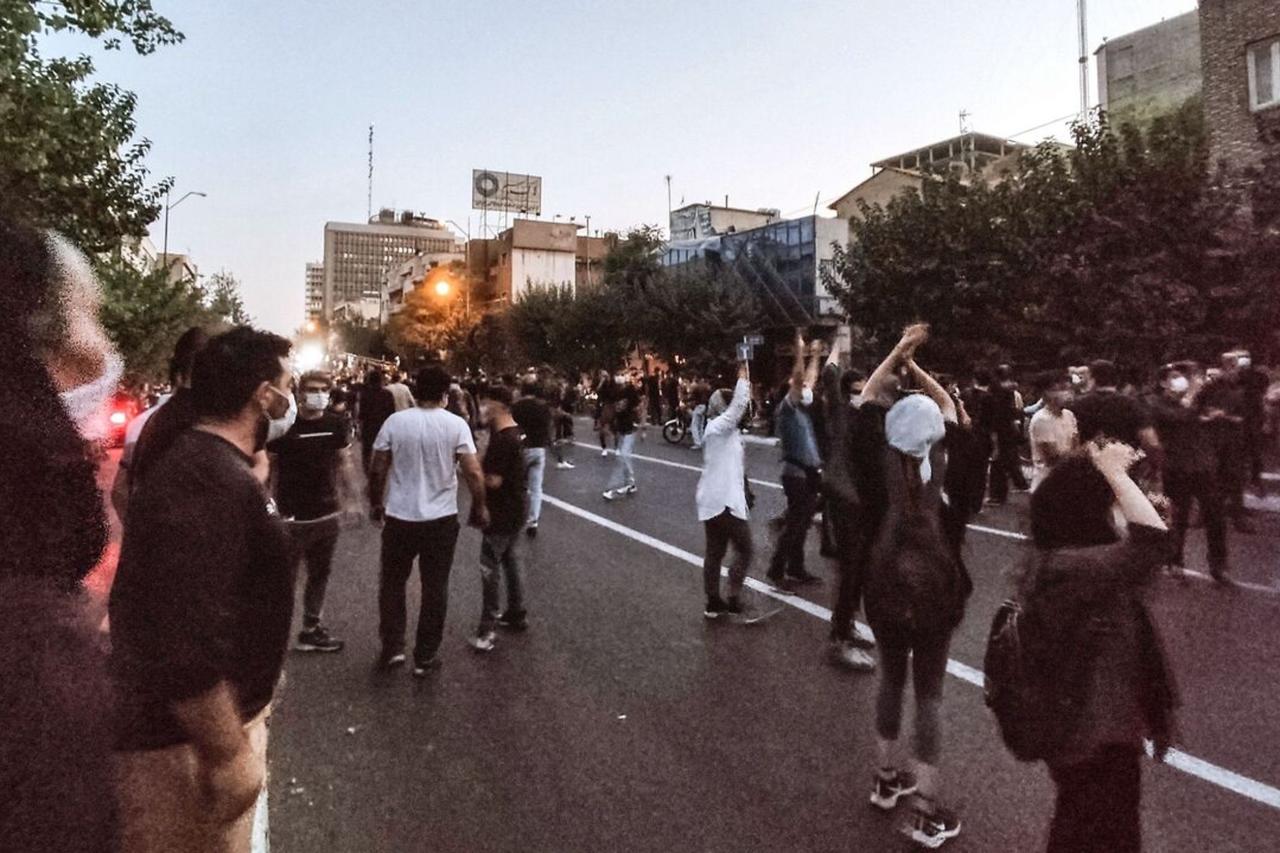


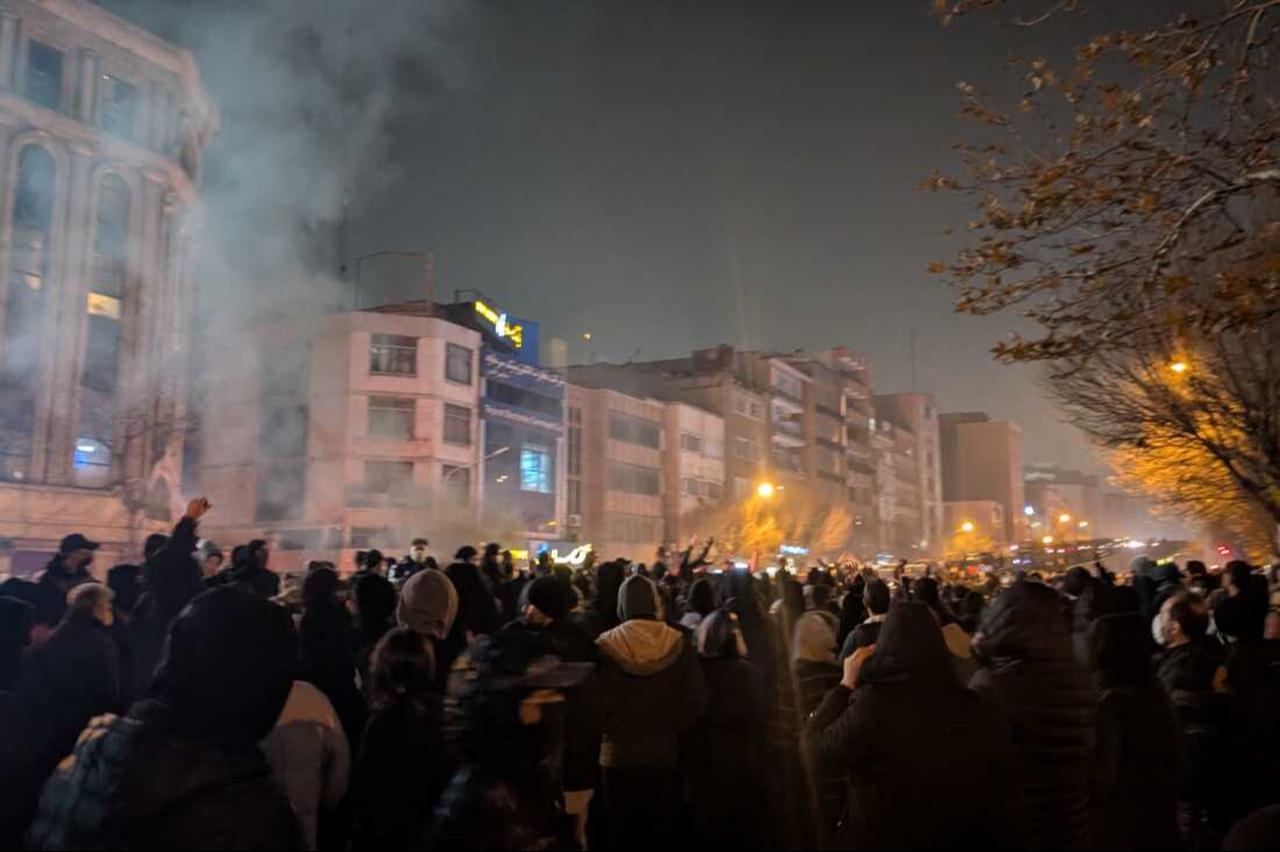
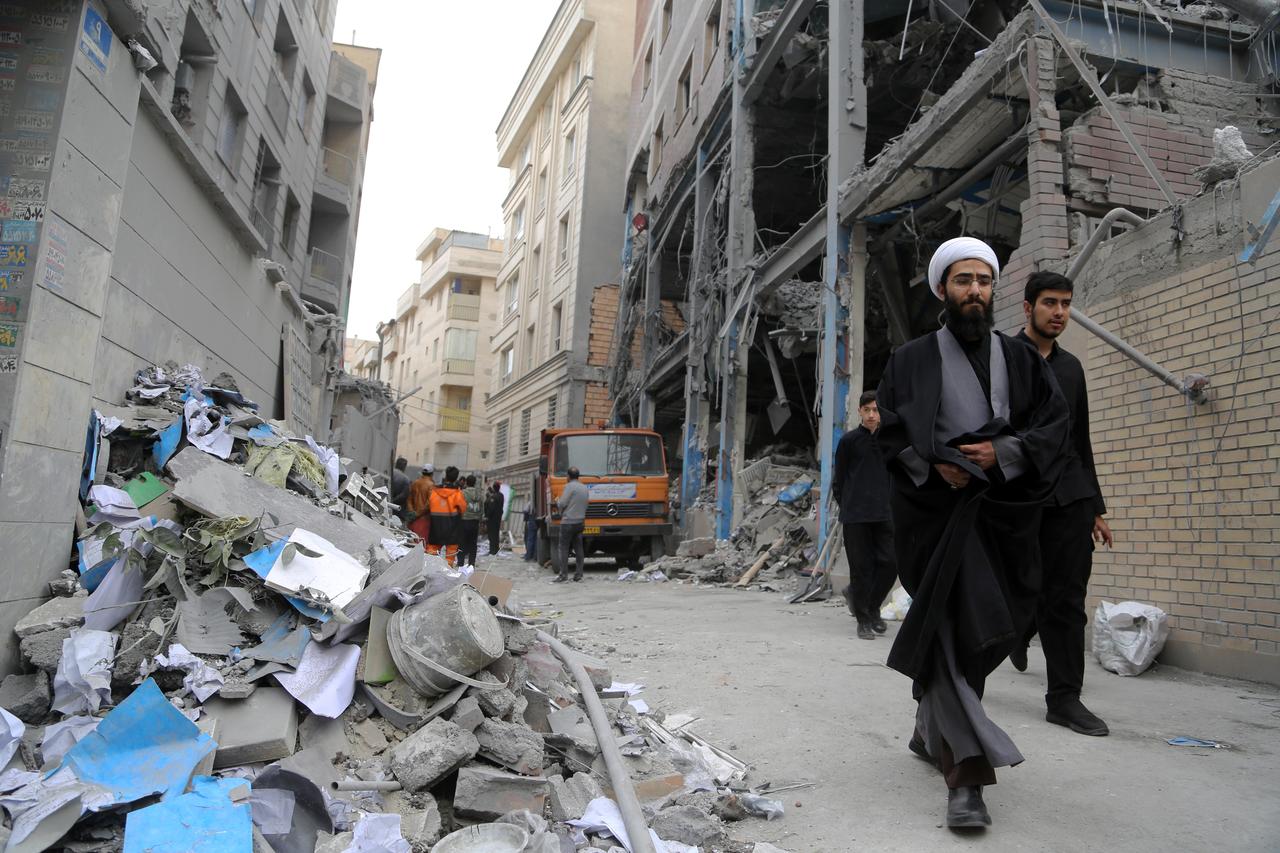
One of the core assumptions underpinning the U.S.-Israeli military campaign against Iran, that a wave of popular rebellion would topple the government from within, has failed to materialize three weeks into the war, the New York Times (NYT) reported Sunday.
The belief that Israel and the United States could instigate widespread revolt is now described as "a foundational flaw" in war preparations.
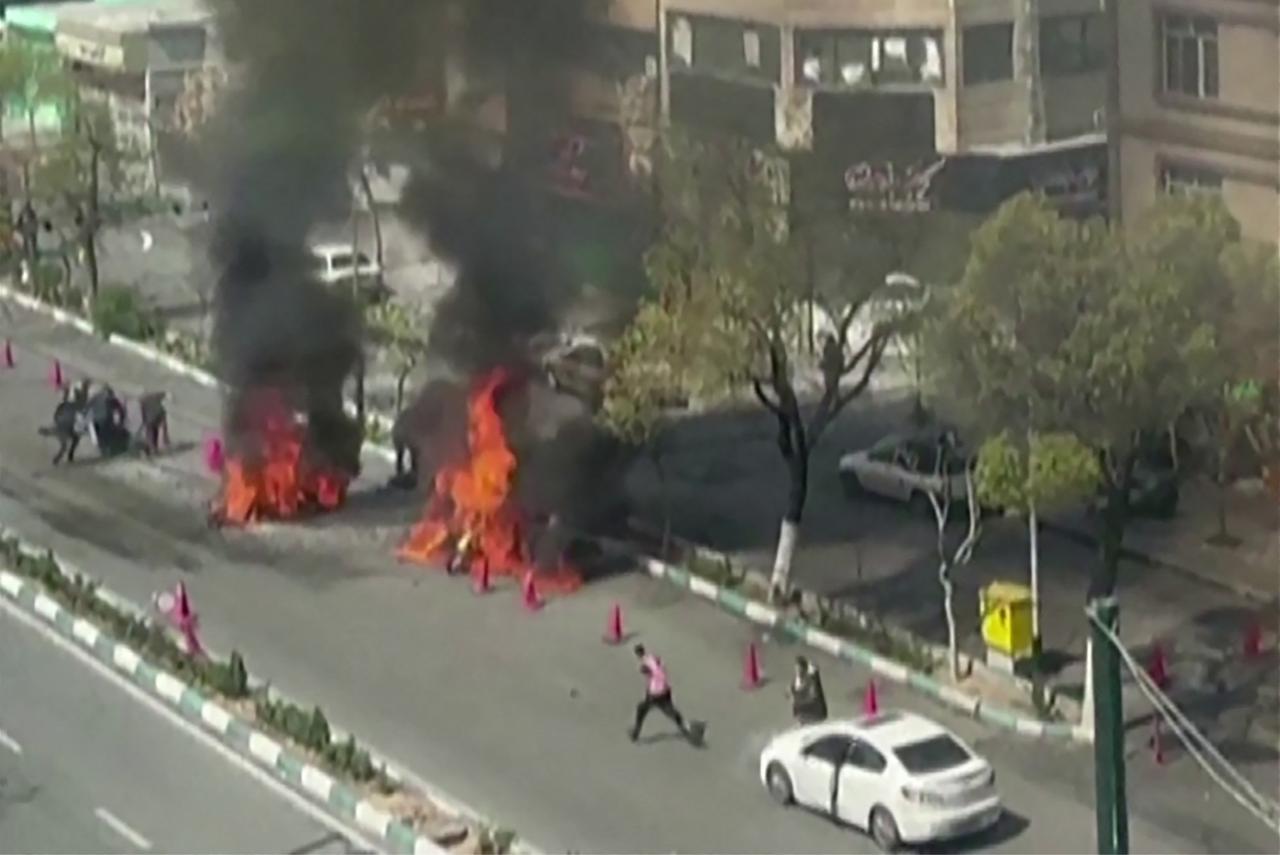

Before the war, Mossad chief David Barnea presented Israeli Prime Minister Benjamin Netanyahu with a comprehensive plan describing how his agency could galvanize Iranian opposition within days of the first strikes, igniting riots and acts of rebellion that could even lead to the collapse of the Iranian government.
Barnea also presented the same plan to senior Trump administration officials during a visit to Washington in mid-January.
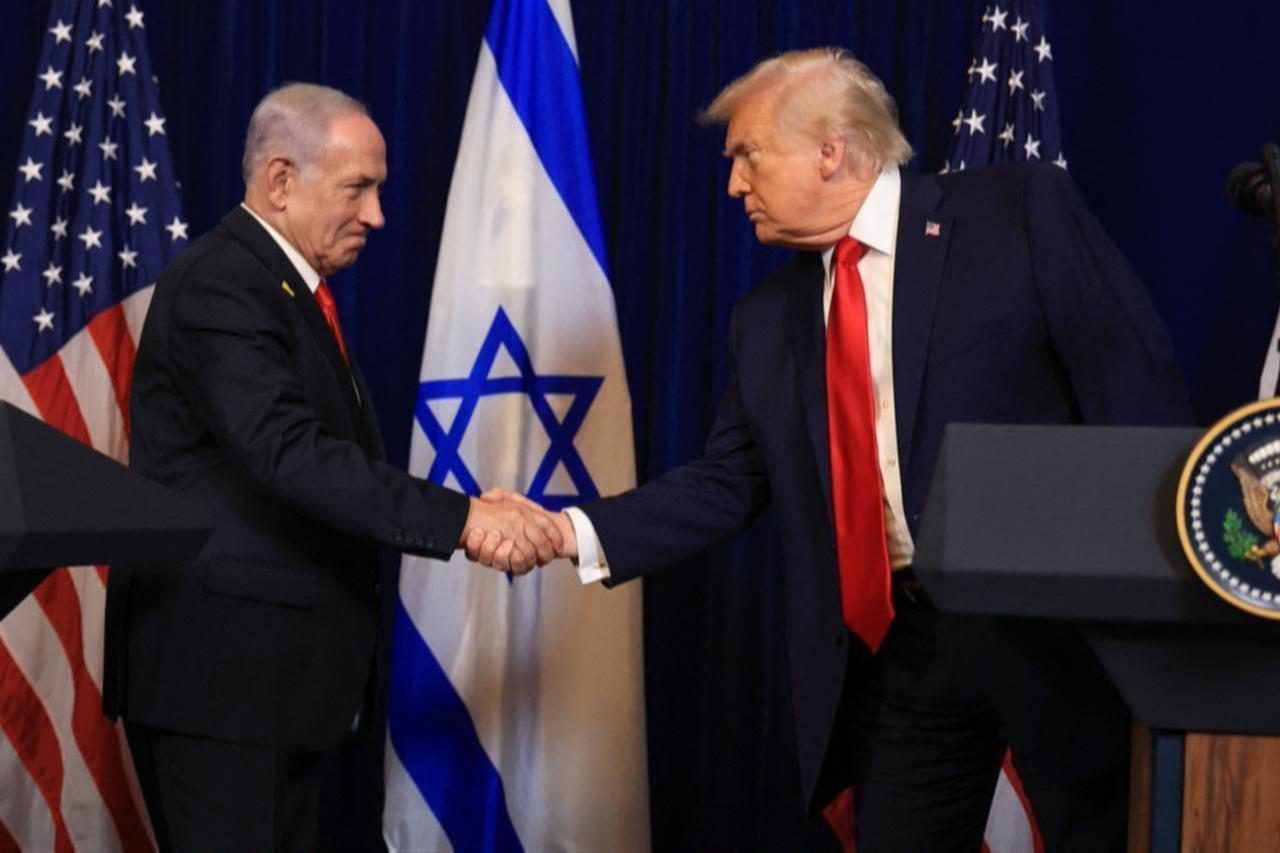
Netanyahu adopted the plan and used Mossad's optimism about the possibility of an Iranian uprising to help convince Trump that bringing about the collapse of the Iranian government was a realistic goal.
"Take over your government: It will be yours to take," Trump told Iranians at the war's start.
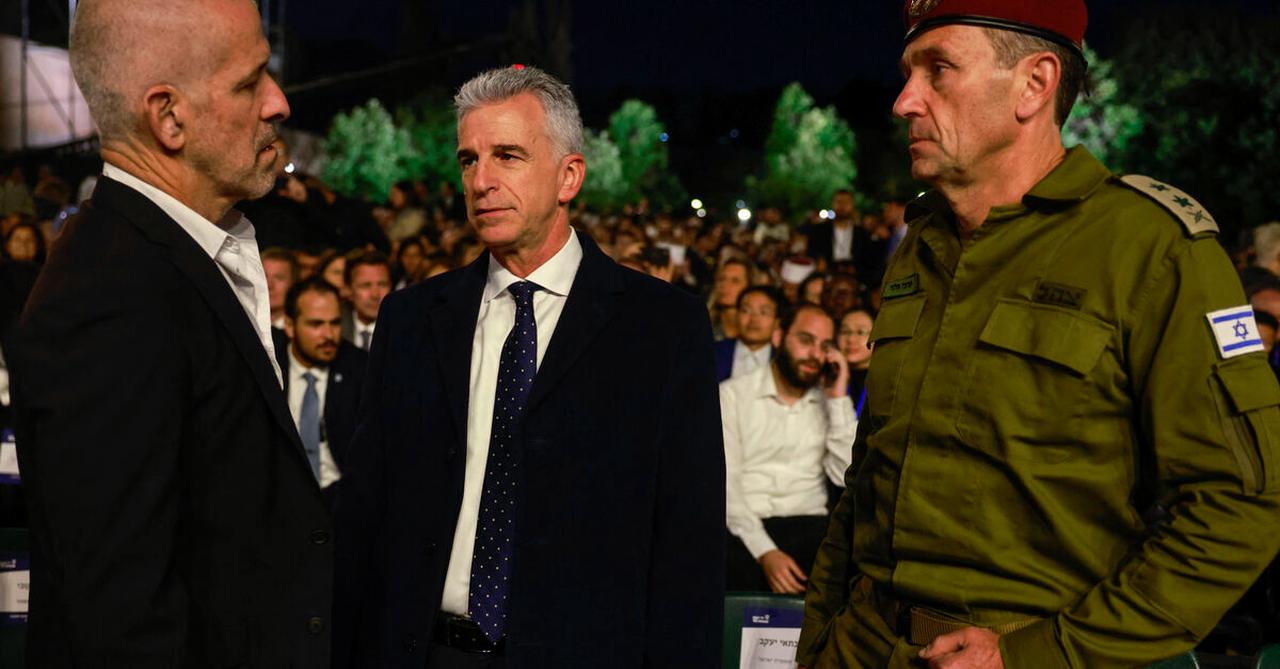
Many senior American officials, as well as intelligence analysts at the Israeli army's Military Intelligence Research Division AMAN, viewed the plan with skepticism.
U.S. military leaders told Trump that Iranians would not come out to protest while the U.S. and Israel were bombing the country.
Intelligence officials assessed that the possibility of a mass uprising threatening the Iranian government was low.
Nate Swanson, a former State Department and White House official on Trump's Iran negotiating team until July, told the NYT he had never seen a "serious plan" to promote an uprising in Iran within the U.S. government.
"A lot of protesters are not coming into the street because they'll get shot. They're going to get slaughtered. That's one thing. But the second thing is that there's a good chunk of people who just want a better life, and they're just sidelined right now. They don't like the regime, but they don't want to die opposing it. That 60% is going to stay home," Swanson said.
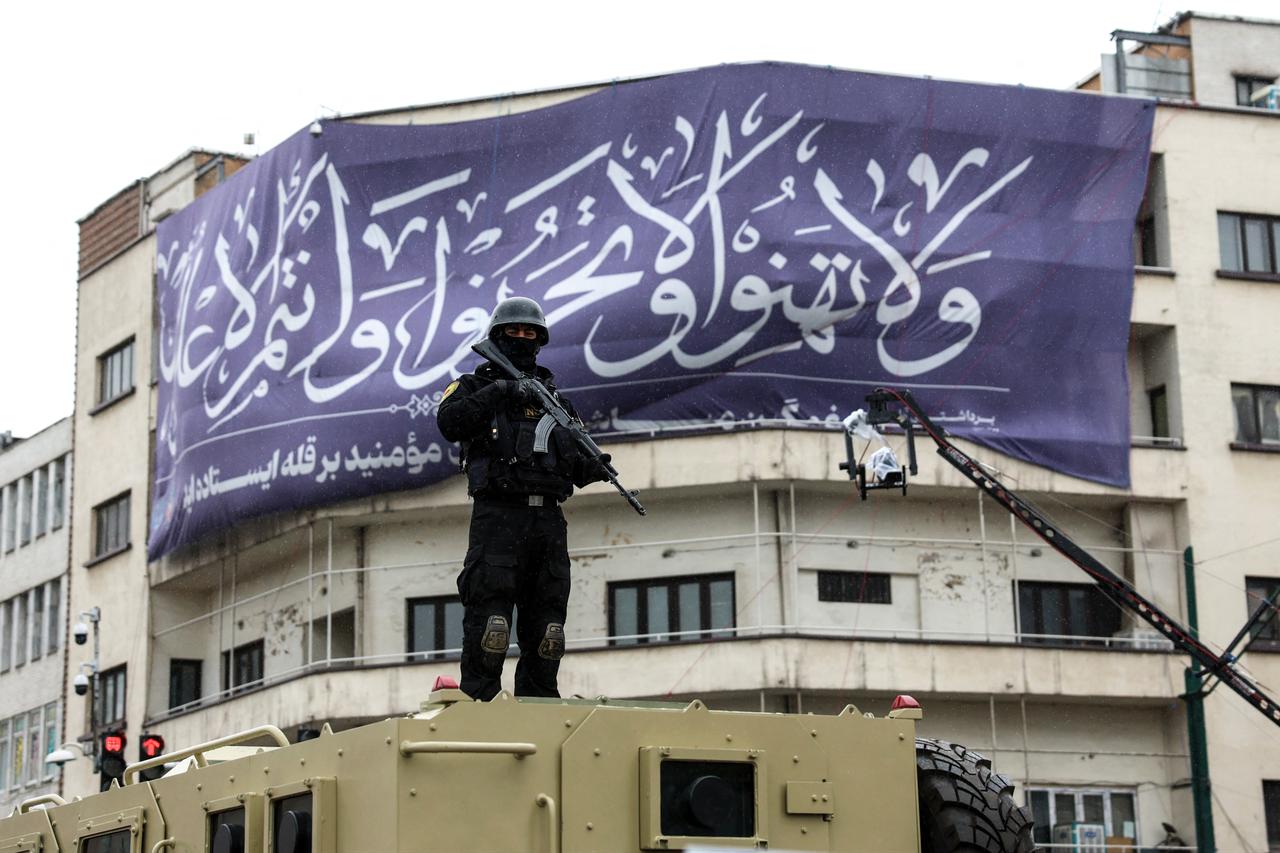
Trump appeared to reach the same conclusion two weeks into the war, noting on Fox News Radio on March 12 that Iranian security forces are "machine-gunning people down if they want to protest."
"I really think that's a big hurdle to climb for people that don't have weapons. So it'll happen, but it probably will be maybe not immediately," he said.
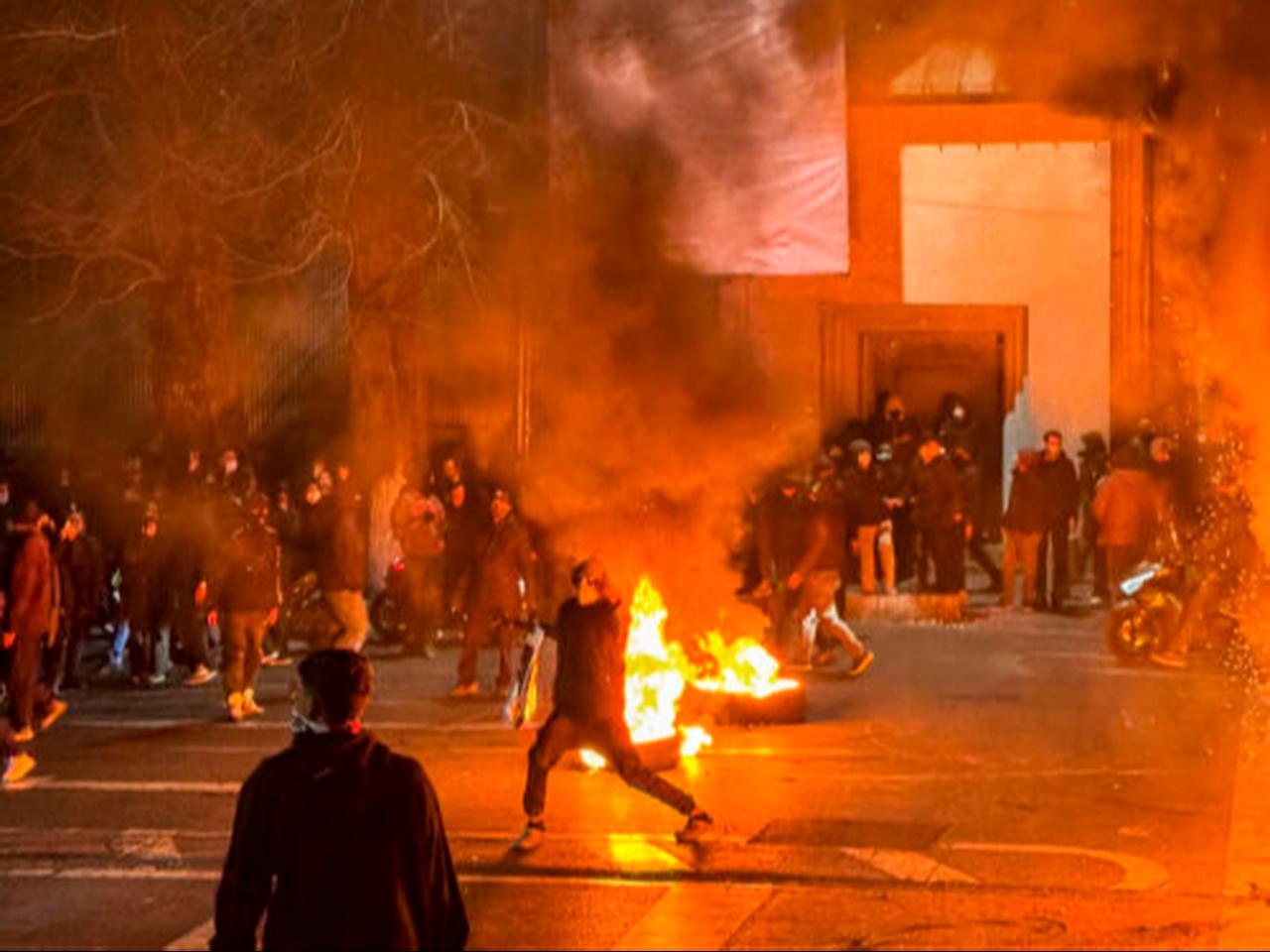
American and Israeli intelligence assessments have concluded that the Iranian government is weakened but intact, with widespread fear of state repression keeping the population at home and dampening prospects for rebellion.
Instead of imploding from within, Iran's government has dug in and escalated, striking blows and counterblows against military bases, cities, and ships across the Persian Gulf and against oil and gas installations.
Behind the scenes, Netanyahu has expressed frustration.
In one security meeting days after the war began, he vented that Trump might decide to end the war at any moment and that Mossad's operations had yet to bear fruit, the Times reported.
In public, Netanyahu's rhetoric has grown more cautious. "You can't do revolutions from the air. There has to be a ground component as well. There are many possibilities for this ground component, and I take the liberty of not sharing with you all those possibilities," he said at a Thursday press conference.
He added that "it is too early to tell if the Iranian people will exploit the conditions we are creating for them to take to the streets."
Shahar Koifman, former head of the Iran desk at the Israeli army's Military Intelligence Research Division, said he did not believe bringing down the Iranian government was an achievable goal of the current conflict.
"Israel and the United States could help instigate widespread revolt was a foundational flaw in the preparations for the war," the NYT concluded.
Israeli Ambassador to the United States Yechiel Leiter told CNN on Sunday: "I think that we need boots on the ground, but they've got to be Iranian boots. And I think they're coming."
A second component of the plan, backing Iranian Kurdish armed groups in northern Iraq to launch a cross-border incursion, has also collapsed.
Israeli jets bombed targets in northwest Iran in the early days of the war, partly to prepare the ground for a Kurdish push. On March 4, Israeli army spokesman Lt. Col. Nadav Shoshani told reporters: "We've been operating very heavily in western Iran to degrade the Iranian regime's capabilities and to open up the way to Tehran, and to create freedom of operations."
However, American officials are no longer enthusiastic about using the Kurds as a proxy force, a shift that has "created tension" with their Israeli counterparts, the Times reported.
On March 7, Trump explicitly told Kurdish leaders not to send militias into Iran. "I don't want the Kurds going in. I don't want to see the Kurds get hurt, get killed," Trump said.
Türkiye warned the Trump administration not to support any Kurdish military action.
The message was delivered by Foreign Minister Hakan Fidan to Secretary of State Marco Rubio in a recent phone call, a Turkish diplomat told the NYT.
The CIA had existing authorities to support Iranian Kurdish fighters and had provided arms and advice before the current war, U.S. officials told the NYT.
Both the CIA and Mossad have given arms and other support to Kurdish forces in recent years.
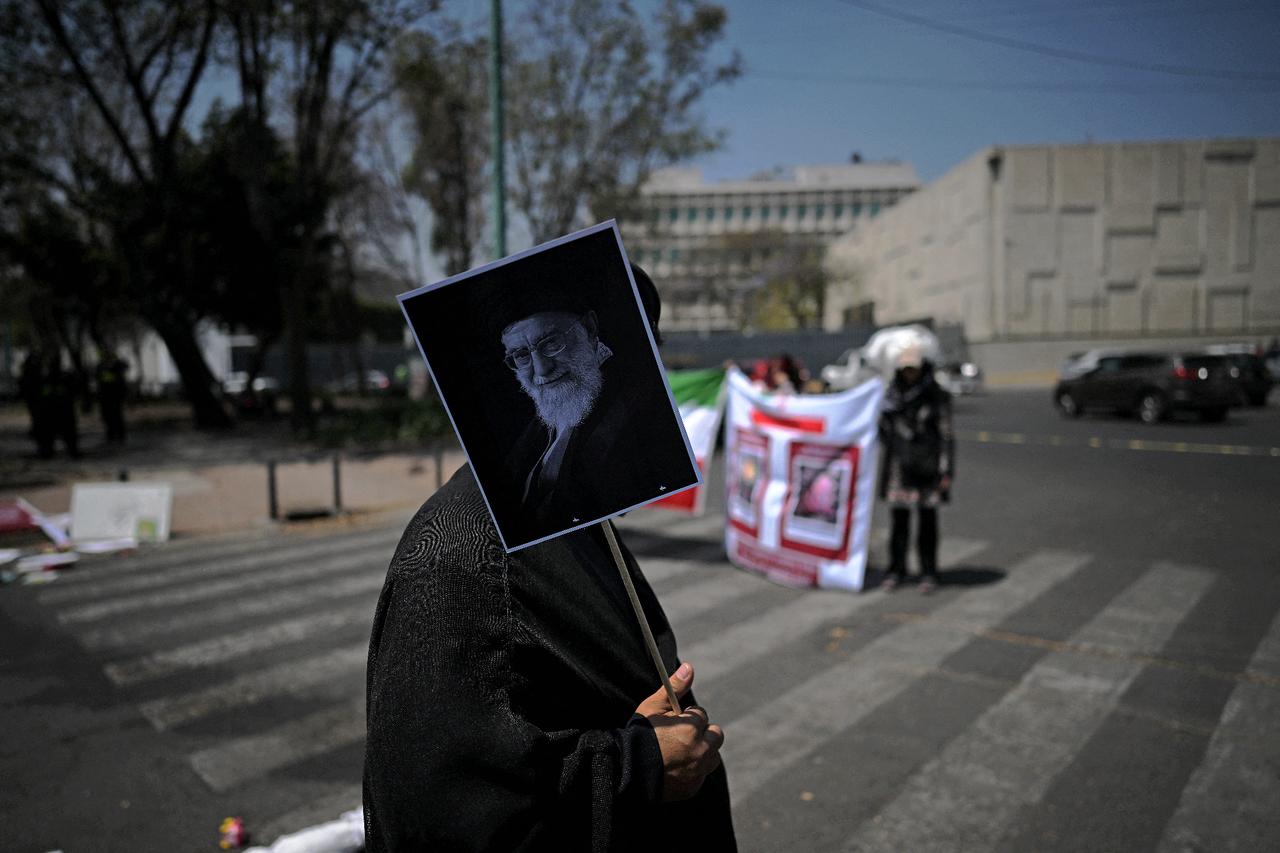
Regional escalation has continued to flare since the U.S. and Israel launched a joint offensive on Iran on Feb. 28, killing so far over 1,340 people, including then-Supreme Leader Ali Khamenei.
Iran has retaliated with drone and missile strikes targeting Israel, along with Jordan, Iraq, and Gulf countries hosting U.S. military assets, causing casualties and damage to infrastructure while disrupting global markets and aviation.


 Set as preferred source
 Set as preferred source


 2 min read
 1 min read


