

 Newsletters


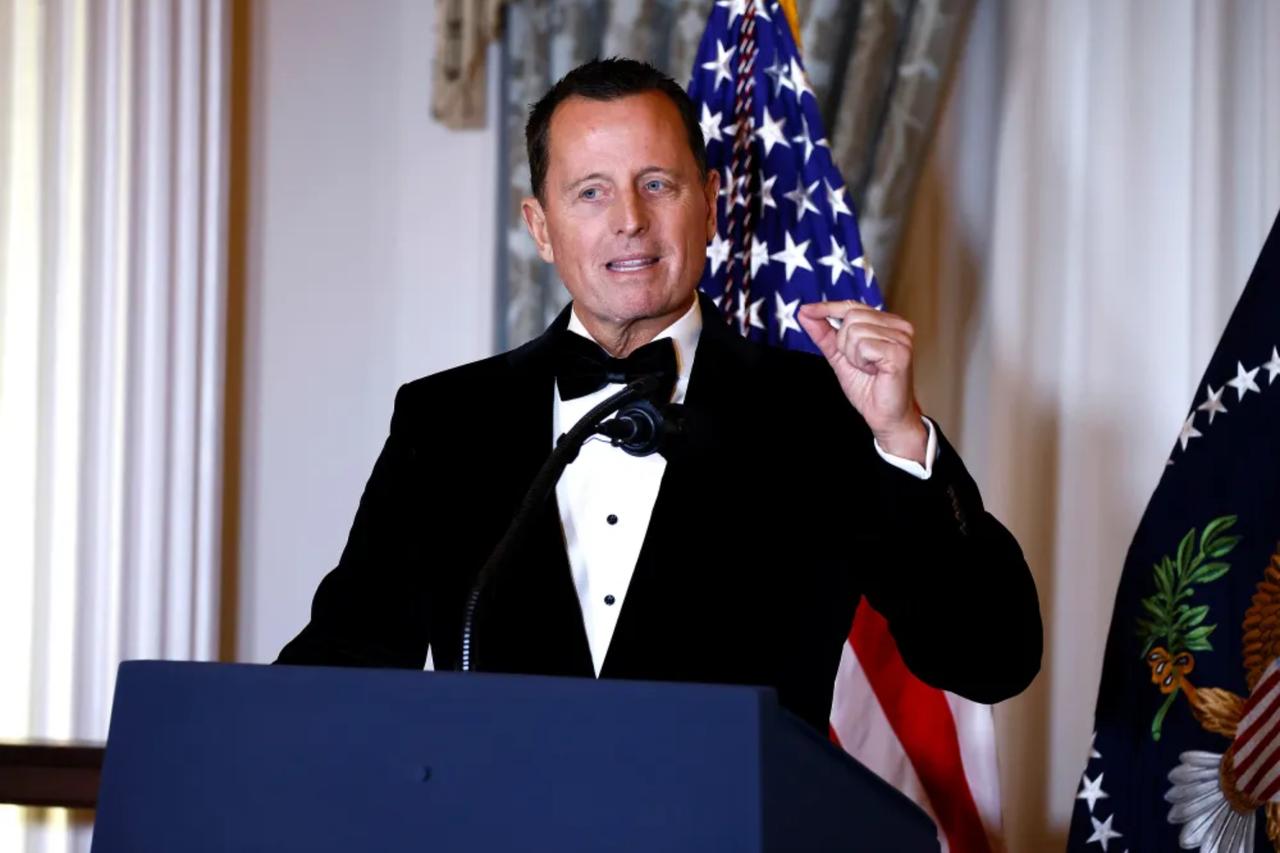


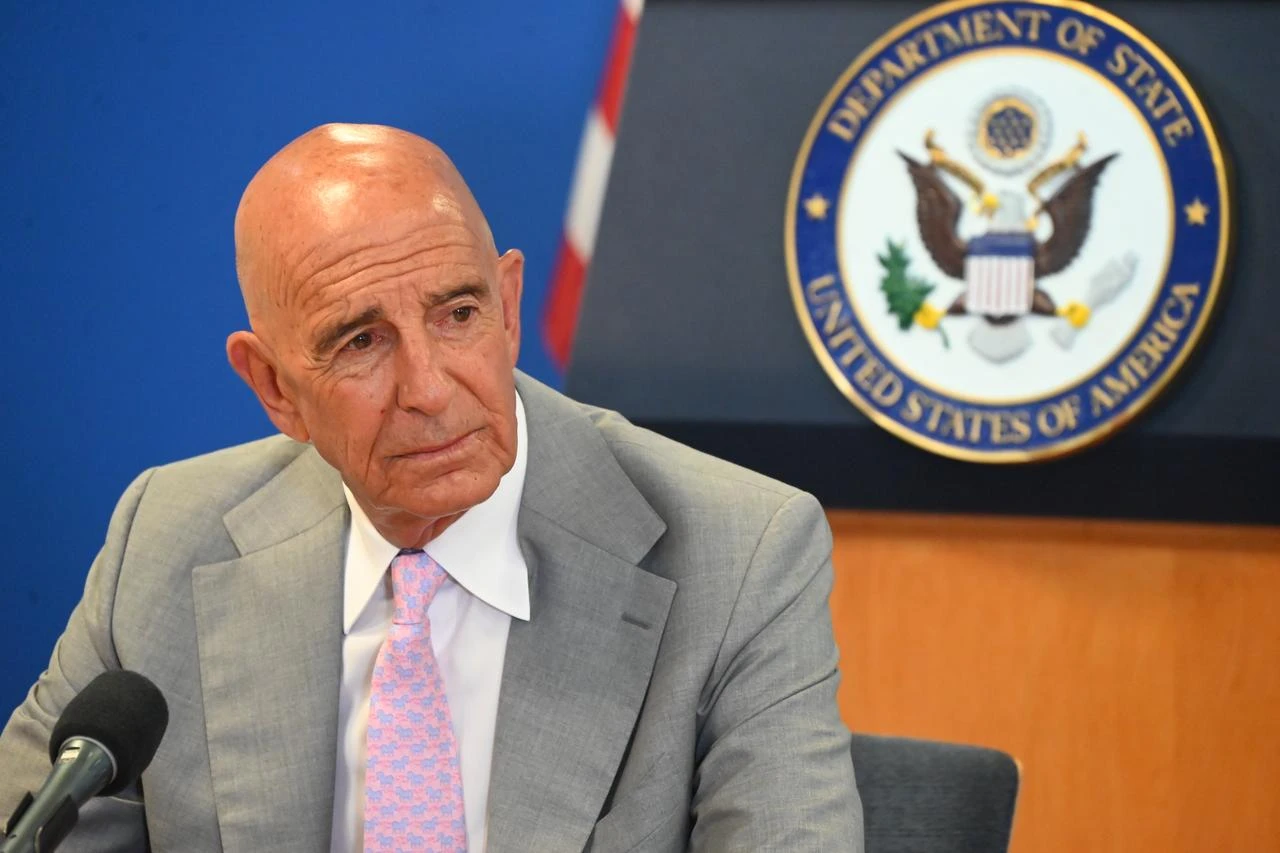
U.S. President Donald Trump's special envoy Richard Grenell said Ambassador Tom Barrack's work in Türkiye is part of President Donald Trump's broader policy, pushing back against criticism that Barrack has been acting independently amid growing tensions over Israel and Syria.
"His work in Turkey is part of the larger policy that President Trump has for protecting Americans. It is an America First policy," Grenell said on X.
Grenell said Barrack, the U.S. ambassador to Türkiye and special envoy for Syria and Iraq, is "as close to Donald Trump as one can be," speaks regularly with the president and "isn't a freelancer."
"Tom is doing exactly what he's asked to do," he added.
This comes as Barrack has faced criticism over recent comments on Israel's actions in Syria and the Golan Heights.
The latest controversy followed Barrack's comments that Israel occupies the Golan Heights, Syrian territory captured by Israel during the 1967 Middle East war.
Israel effectively annexed the territory in 1981, a move that is not recognized by the United Nations and most of the international community.
The United States broke with that position in 2019, when Trump formally recognized Israeli sovereignty over the Golan Heights during his first term.
Following criticism of his remarks, Barrack told the Associated Press that U.S. policy toward the territory had not changed.
He said Washington's policy on the Golan Heights was set by Trump in 2019 and remained unchanged.
Barrack said his earlier use of the term "occupation" was a description of the territory's historical status and did not amount to an endorsement of the United Nations' position.
The clarification came as Barrack has increasingly found himself at the center of disagreements over Israeli policy in Syria.
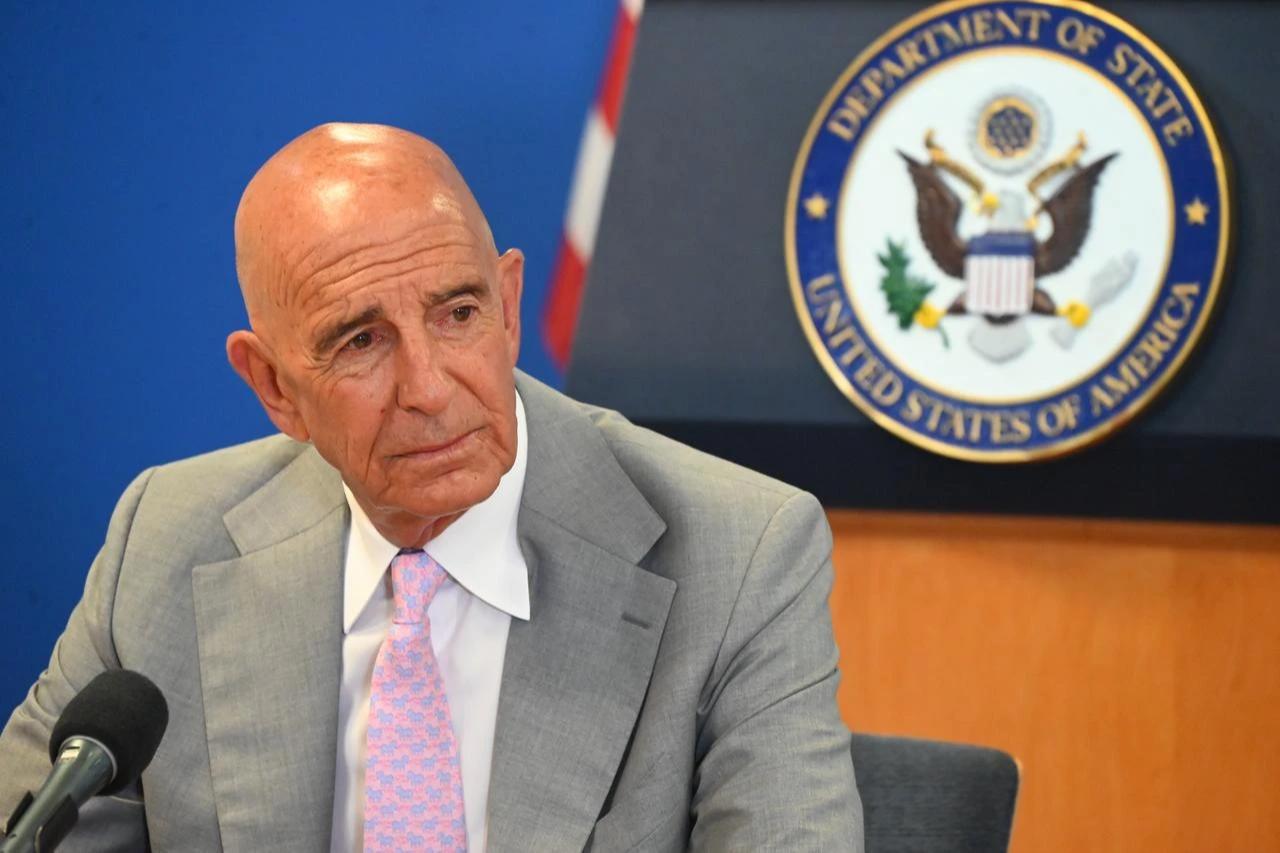

Barrack also drew attention after questioning the intelligence behind an Israeli attack on the Abu al-Duhur Military Air Base in eastern Idlib province in northern Syria.
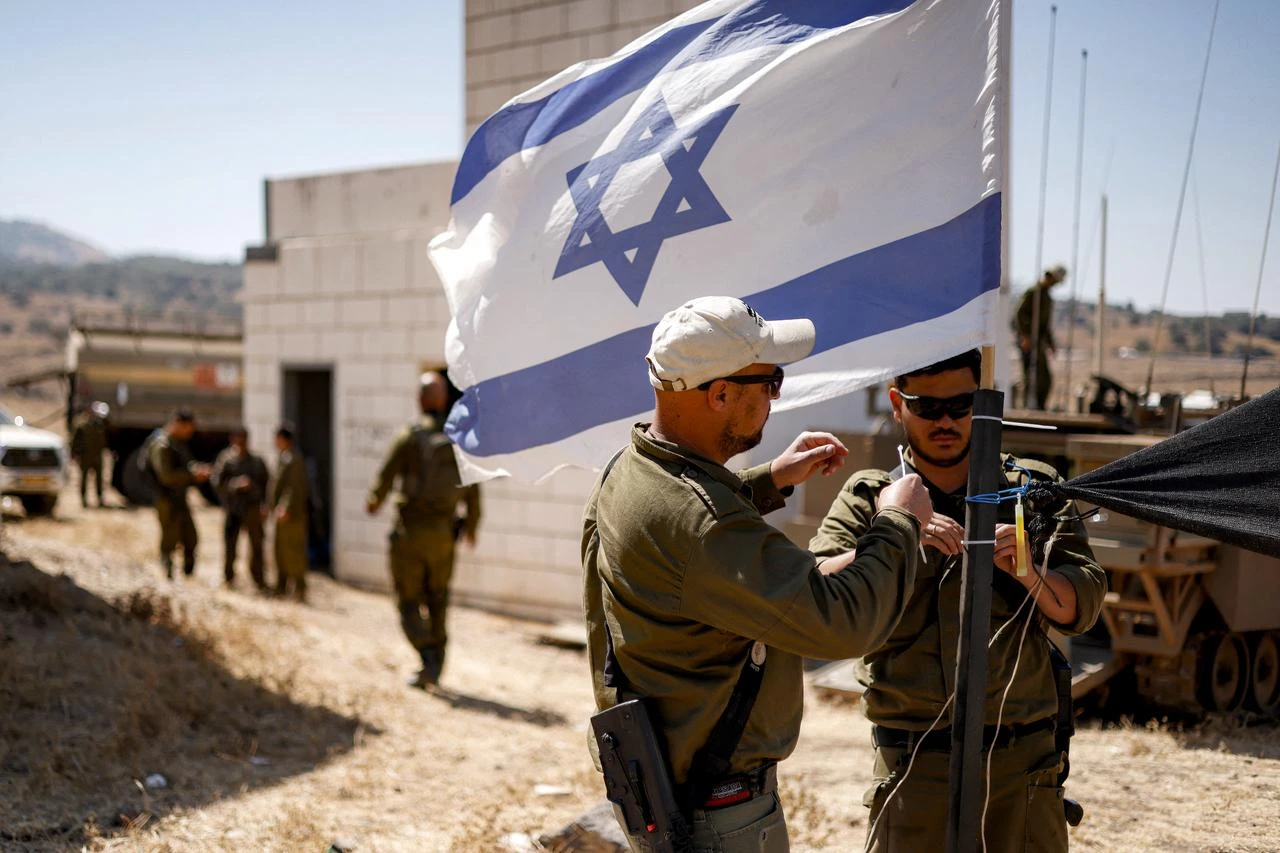
Israeli warplanes carried out eight strikes on the abandoned base, targeting the runway and an inactive structure inside a hangar.
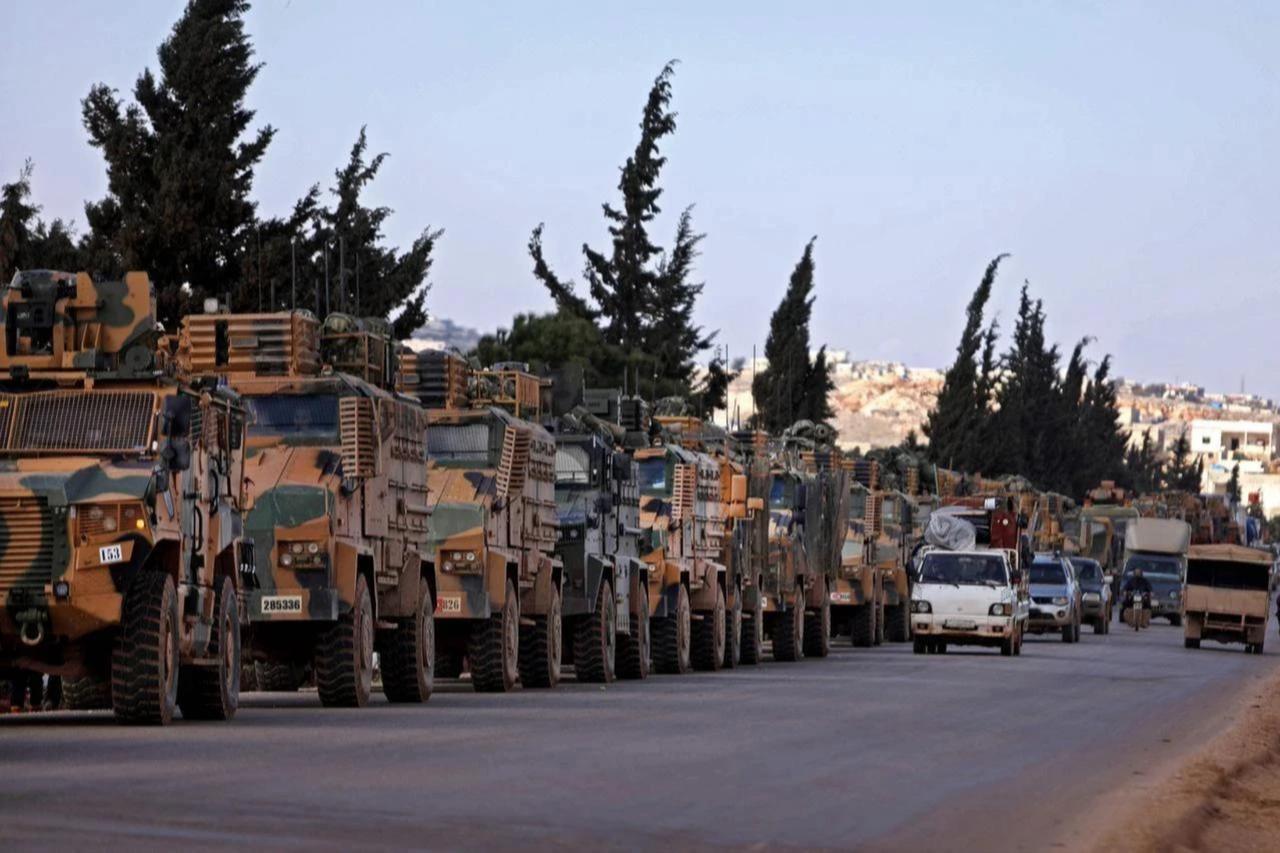
Israeli officials said intelligence indicated that Türkiye might be preparing to move military assets into the base.
Barrack said Israel had shared the intelligence with Washington before the strike and that U.S. intelligence agencies examined the claim.
"We consulted our intelligence agencies, and the answer we received was that this claim was not true," Barrack said.
Barrack said neither Washington nor Ankara had been informed of the Israeli attack in advance.
He also suggested there may have been a "miscommunication" among the Israeli military, Mossad and Prime Minister Benjamin Netanyahu's office over the intelligence surrounding the base.
Türkiye separately denied having a military presence at Abu al-Duhur and pledged to continue supporting Syria's sovereignty.
The dispute highlighted differing assessments between Washington and Israel over Türkiye's role in Syria at a time when Ankara is seeking deeper security cooperation with Damascus.
Barrack has repeatedly emphasized the need for regional stability in Syria, while Israel has sought to limit military developments it views as threats to its security.
The Abu al-Duhur strike has also added to tensions between Israel and Türkiye.
Israeli Prime Minister Benjamin Netanyahu and his office had claimed that Turkish soldiers were seeking to establish themselves at the Syrian base and were moving military installations southward.
Barrack's account directly challenged the intelligence behind that claim, saying U.S. agencies found no evidence of such movements by Turkish military.
 1 min read
Ynet subsequently highlighted criticism from Washington following the strike as Israeli debate intensified over Netanyahu's regional policy.
The developments come as Israel heads toward parliamentary elections scheduled for Oct. 27.
Recent Israeli analyses have increasingly examined whether military and diplomatic confrontations could become part of Netanyahu's election strategy.
Ynet has reported growing concern that military escalation could be used for political gain, while another analysis suggested Netanyahu could benefit politically from portraying resistance to international pressure as an electoral asset.
Against that backdrop, Grenell's statement offers one of the clearest public defenses of Barrack from a senior Trump ally following the recent disputes.
Rather than distancing the administration from Barrack's approach, Grenell said the ambassador speaks regularly with Trump, is not acting independently and is carrying out the work he has been asked to do.
"Tom is doing exactly what he's asked to do," Grenell said.


 Set as preferred source
 Set as preferred source


 1 min read


