Newsletters


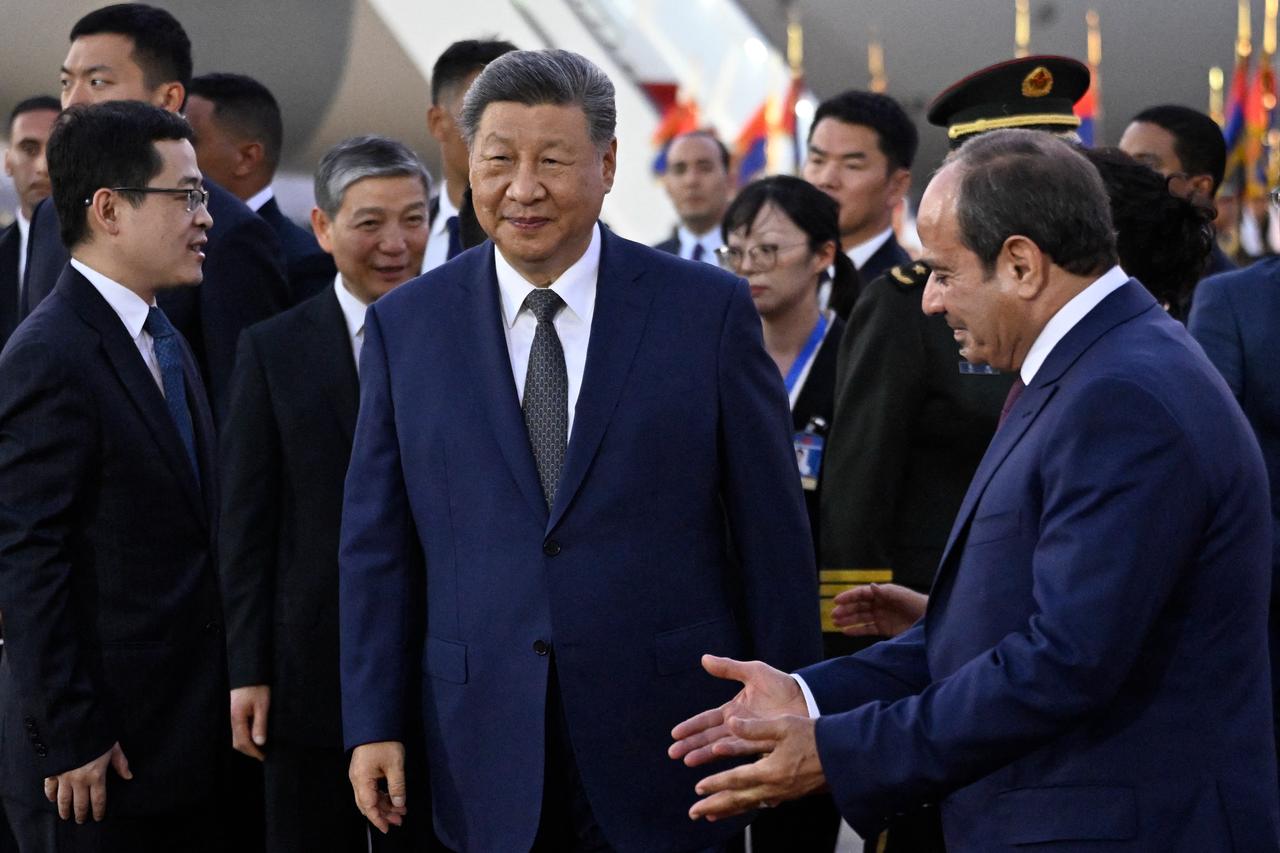


China is willing to cooperate with Middle Eastern countries to protect international shipping lanes, President Xi Jinping told Egyptian President Abdel Fattah el-Sisi during talks in Cairo on Wednesday, as disruptions in the Strait of Hormuz and tensions around Bab el-Mandeb continue to strain the global economy.
The Chinese president also called on countries in the region to strengthen peace and security discussions, explore a regional security framework and oppose outside interference.
He also highlighted that the Palestinian issue remains central to the broader Middle East conflict and should not be overlooked, state-run Xinhua reported.
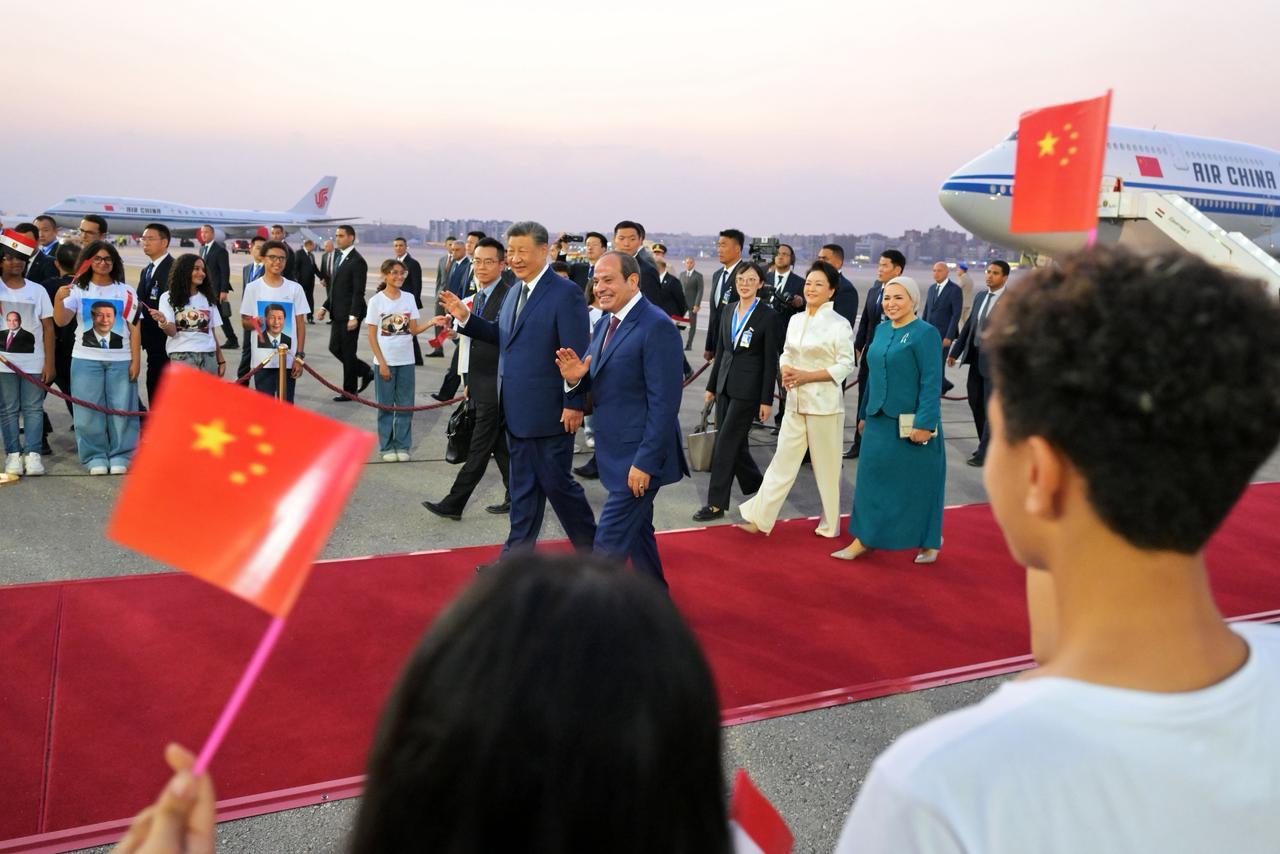
Xi and Sisi held talks at Al-Ittihadiya Palace after an official welcoming ceremony for the Chinese president, who is making his first visit to Egypt in 10 years.
During the talks, the Chinese president proposed a four-point approach to regional security, including stronger regional dialogue, broader efforts to address interconnected conflicts, development-based stability and greater international coordination under the U.N. Charter and international law, according to Chinese media.
Sisi expressed support for efforts to cool tensions through political means and said Egypt would continue coordinating with China on regional stability and the search for a security framework.
Xi’s call came as shipping through the Strait of Hormuz remains stalled, with renewed tensions between the U.S. and Iran around the waterway adding to the pressure. China remains Iran’s top trade partner, accounting for more than 80% of its oil exports.

However, the ongoing blockade of Iranian ports and recent U.S. economic measures, announced by Treasury Secretary Scott Bessent as "Operation Economic Outcast" to further isolate Tehran from the global financial system, are putting additional pressure on China.
Bessent said "no one is above the reach of U.S. sanctions," warning that countries and entities continuing to facilitate Iran’s economic activity could face secondary sanctions.
China’s Foreign Ministry pushed back against the campaign, saying sanctions cannot resolve the Iran issue and warning that economic pressure could further disrupt the global economy and financial stability. Beijing said it would take necessary measures to protect its legitimate rights and interests.
While Washington has yet to directly target Beijing over its purchases of Iranian oil, it has proposed cutting Egypt’s Banque Misr UAE off from correspondent banking access to U.S. financial institutions. The action targets Banque Misr’s six UAE branches rather than the bank’s Cairo headquarters or its other foreign branches.
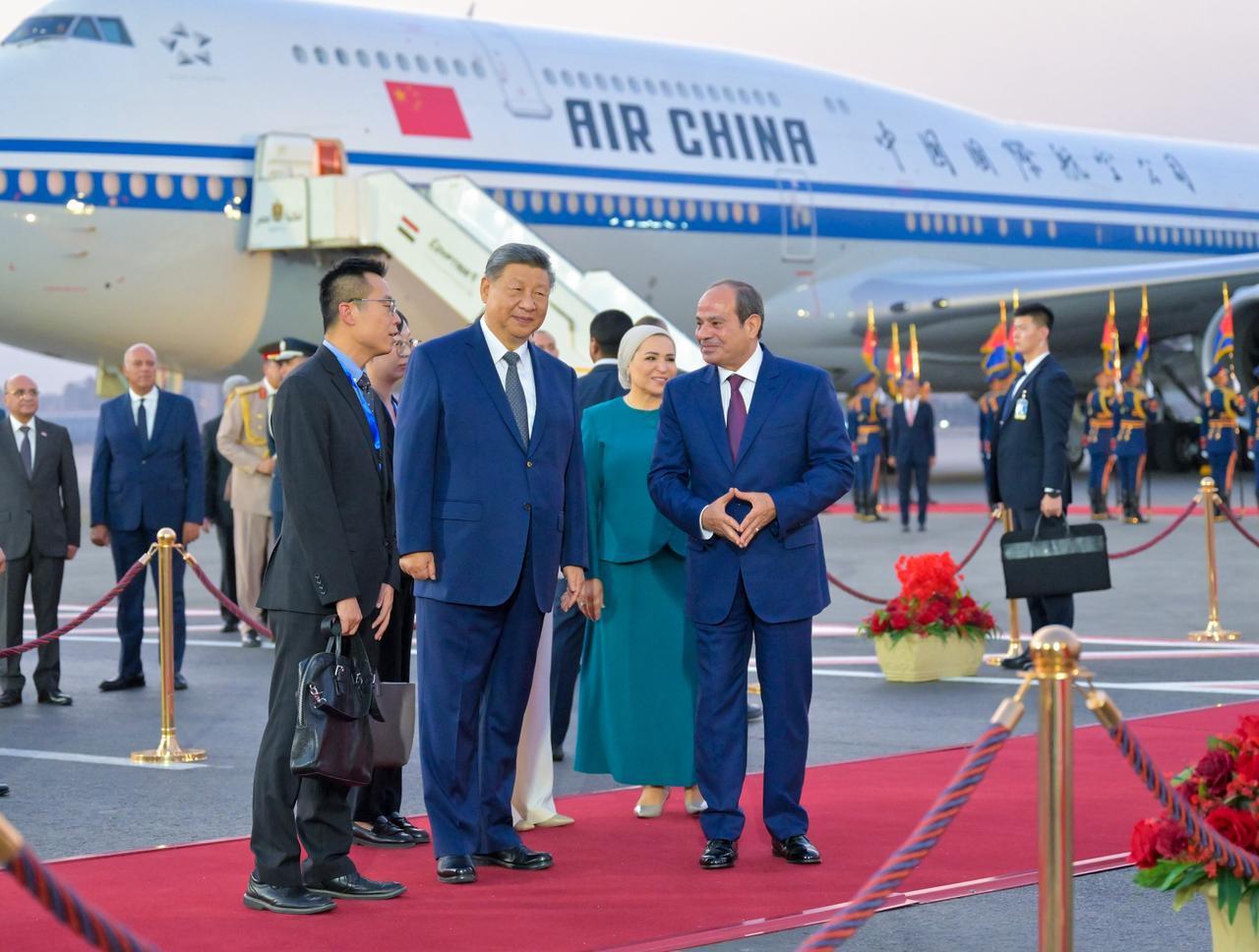
Beyond regional security, the leaders discussed expanding bilateral cooperation in infrastructure, electricity, agriculture and communications, while also targeting newer areas such as green energy, electric vehicles, aerospace, the digital economy and modern agricultural technology.
The visit produced a series of agreements and memorandums aimed at broadening economic ties, including cooperation on industrial development and investment between Egyptian and Chinese entities, according to the Egyptian Presidency.
Sisi said the two countries have a "clear political will to elevate the prospects of bilateral cooperation," particularly through localizing industry and transferring technology. He also outlined a new phase of cooperation in renewable energy, automotive manufacturing, textiles and chemical fibers.
The broader package includes deals on the Belt and Road Initiative, artificial intelligence, trade and supply chains. More than 20 cooperation documents were signed during Xi’s visit, covering the digital economy, science and technology, education and transportation.
China is becoming a bigger trade partner for Egypt, with bilateral trade reaching $20.8 billion in 2025, up 19.6% from a year earlier.
Trade climbed another 21.5% in the first half of 2026 to $11.3 billion, while Egyptian exports to China nearly tripled to $840.8 million, according to official Egyptian data.


 Set as preferred source
 Set as preferred source


 2 min read
 1 min read