Newsletters


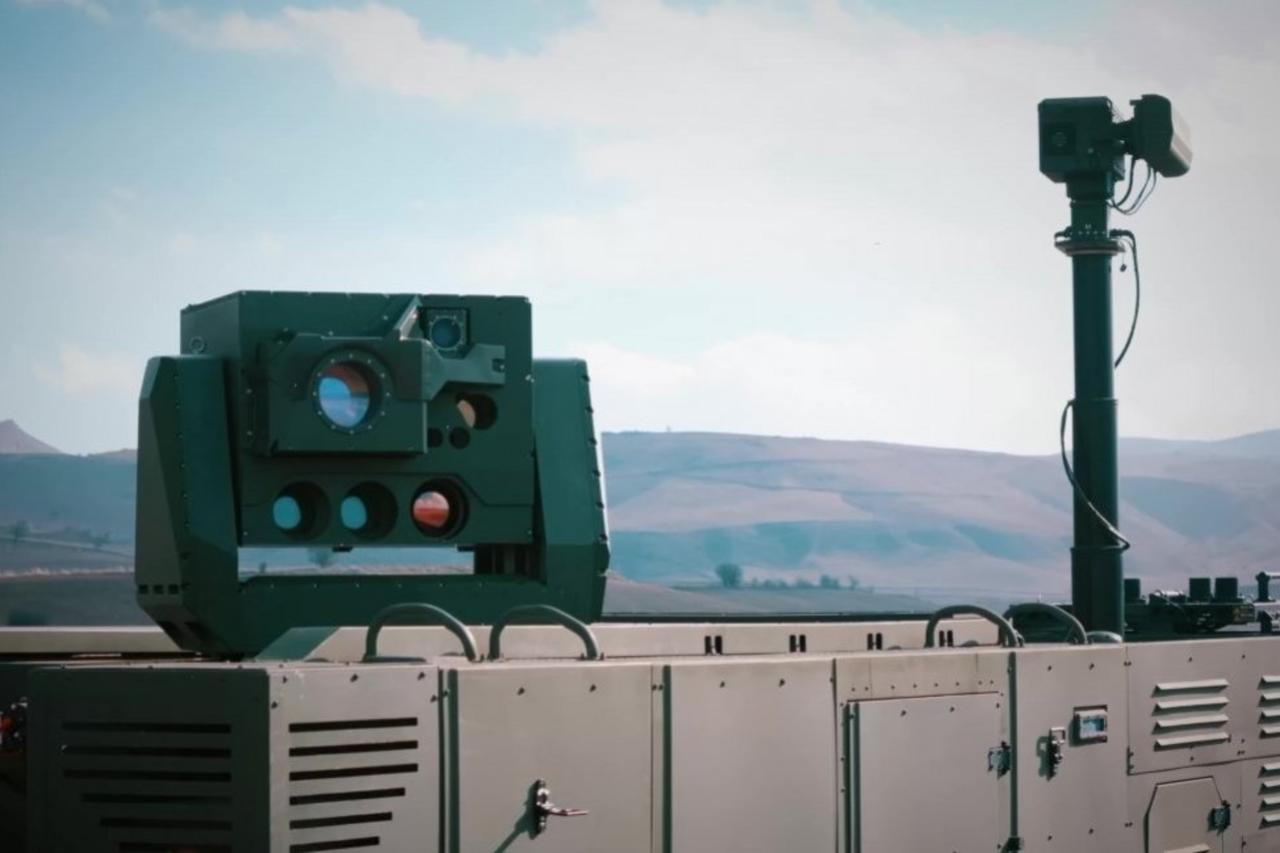


For decades, laser weapons lived comfortably in the realm of military imagination—promising precision, speed, and near-zero cost per shot, yet never quite escaping the gravitational pull of technical limitations.
In 2026, that changed.
What finally brought lasers out of the laboratory was not a breakthrough in physics alone but a shift in economics.
The proliferation of cheap drones, which are disposable, scalable, and increasingly autonomous, has forced militaries into an uncomfortable arithmetic.
There is a particular kind of mathematical absurdity in launching a million-dollar interceptor to swat a thousand-dollar drone out of the sky; it is less a tactical maneuver than a form of slow-motion financial suicide.
Lasers, with their marginal cost per engagement measured in cents, are no longer futuristic indulgences.
They are becoming fiscal necessities.
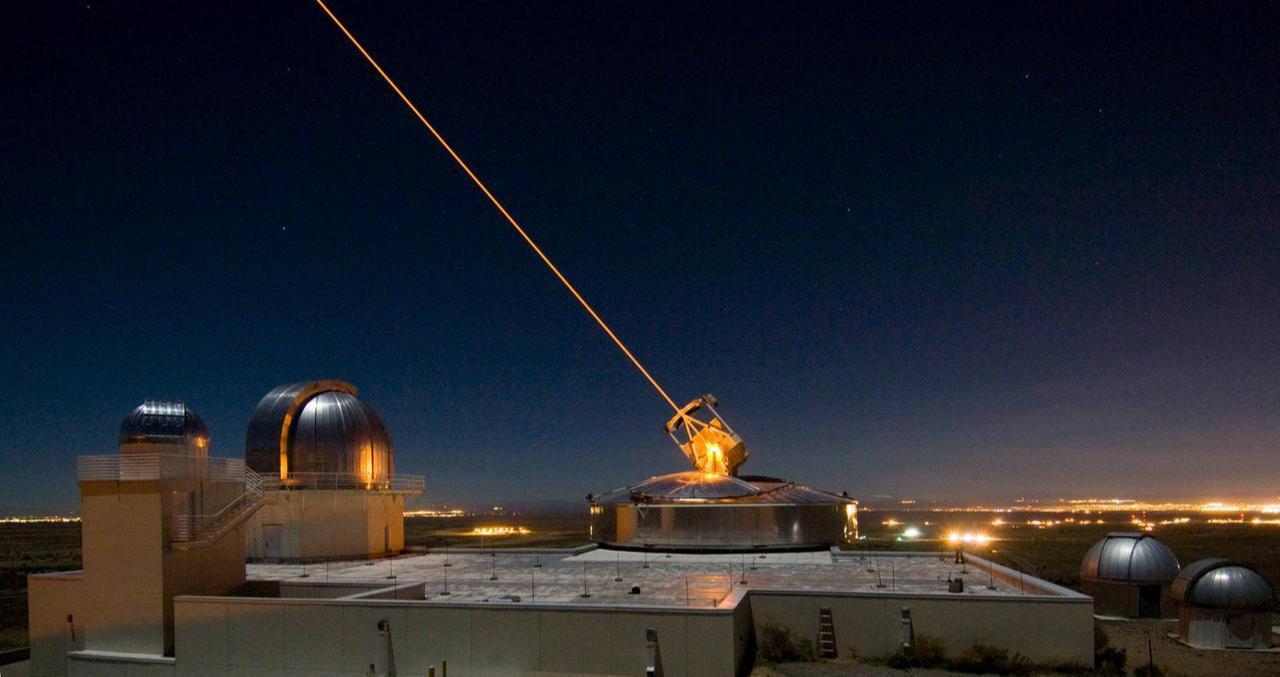

America’s shift is now institutional. Under the newly implemented “America First” arms transfer strategy, Washington has streamlined how advanced systems are sold to allies.
The logic is clear: if partners are expected to carry more of their own defense burden, they must be equipped to do so, and quickly.
The Pentagon’s answer is a curated “catalog” of priority systems, effectively turning alliance management into something closer to structured procurement.
Within this new inventory, high-energy laser systems have been moved out of the realm of the "experimental" and into the standard-issue catalog, ready for immediate deployment.
Yet lasers are not just another line item. Under the strict framework of the International Traffic in Arms Regulations, they occupy the highest tier of controlled technologies.
Access is selective. NATO allies, Japan, South Korea, and increasingly Gulf partners like Saudi Arabia and the United Arab Emirates are within the circle. Others are not.
Even for trusted partners, what is transferred is carefully contained.
These systems are often delivered as “black boxes," which are basically operationally effective but technically opaque.
The buyer is granted the power to fire the weapon but is forbidden from peering under the hood, a model of security that offers protection while demanding a certain technological subservience.
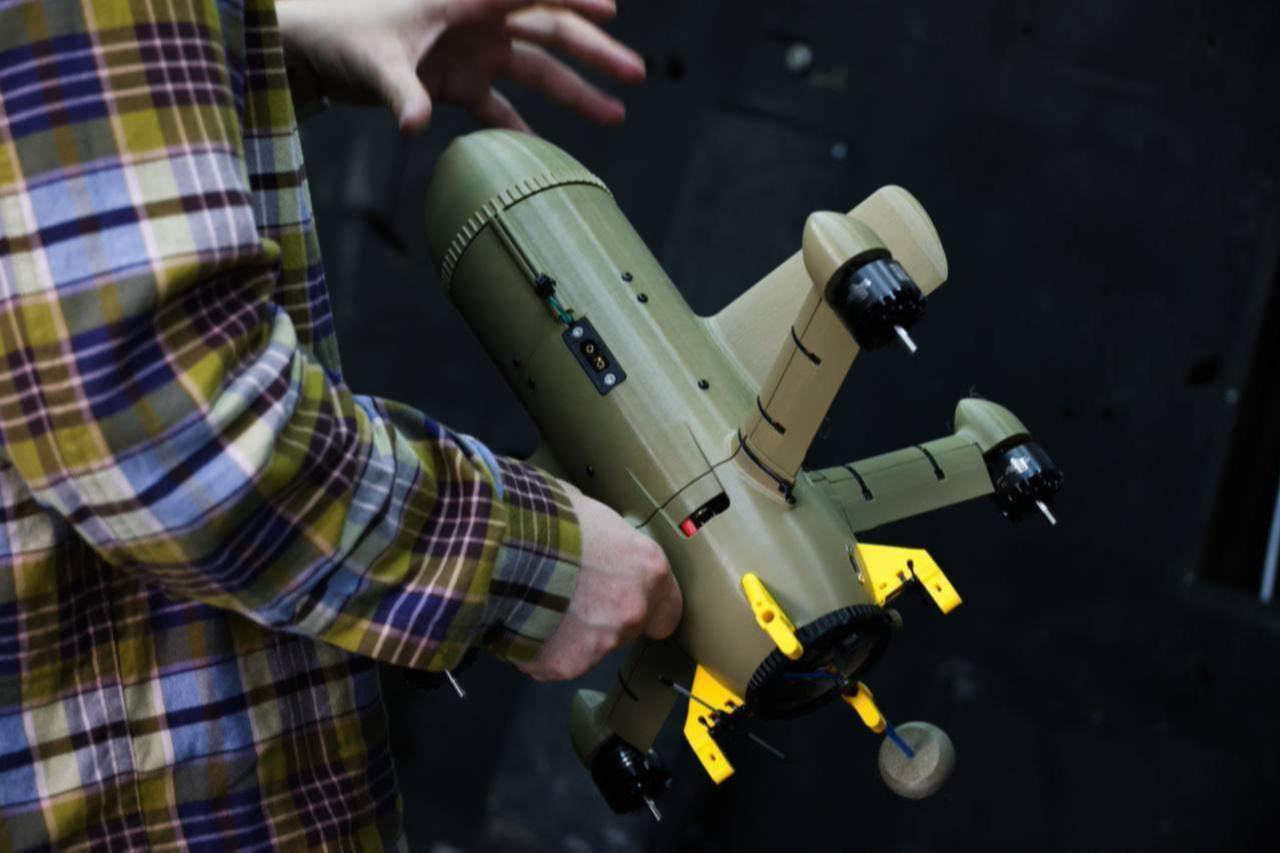
To look at the skyline of a city like Riyadh or Abu Dhabi today is to see a region caught in a peculiar defensive paradox, where the most sophisticated radar systems in the world are being asked to track objects that cost less than a high-end smartphone.
For years, the Gulf states have banked on the heavy steel of missile defense to secure their borders, but the proliferation of low-cost drone swarms has rendered that old security model unsustainable.
The move toward laser systems is less about replacing the old guard of missile defense and more about a necessary, almost frantic diversification of the tactical portfolio.
In this new architecture, the heavy, expensive interceptors are reserved for long-range ballistic threats, while the mid-range and swarm attacks are increasingly handed off to the silent efficiency of the laser.
It is a system designed to handle the residual risks, the drones that slip through, or the unexpected shifts in weather with a tiered response that prioritizes financial survival as much as physical safety.
This arrangement functions as much like a diversified hedge fund as a military formation, balancing the high-cost risks of state-on-state warfare against the relentless, low-stakes friction of the drone swarm.
Then came El Paso. It appeared as a technical controversy with questions over the safety of deploying laser systems near civilian airspace but paradoxically became a commercial catalyst.
The issue was not the laser itself but coordination failures between agencies.
The resolution matters more than the incident. By mid-April 2026, a detente between the Federal Aviation Administration (FAA) and the Department of Defense signaled a new era of urban policing, one where Beam and Boeing are expected to share the same slice of the sky.
That changes the market. Besides American cities, especially near the border, cities like Dubai, Doha, or even Istanbul are no longer constrained by regulatory ambiguity.
That is, in the near future, the laser protection units might become a standard feature of the metropolitan skylines.
Unsurprisingly, the industry has responded with something approaching urgency. In the United States, Lockheed Martin has secured major contracts to supply high-energy laser systems for naval platforms.
At sea, where resupply is limited and threats are constant, the appeal is obvious.
In Israel, Rafael Advanced Defense Systems and Elbit Systems are pushing forward with Iron Beam, a system designed to neutralize rockets and drones at a fraction of the cost of traditional interceptors.
Europe is not far behind. MBDA’s DragonFire project, backed by multinational cooperation including Rheinmetall, reflects a continent-wide effort to avoid technological dependency.
Many analysts claim what we are witnessing is not the usual plodding pace of military development but a frantic, compressed sprint where the speed of the contract is as vital as the speed of light.
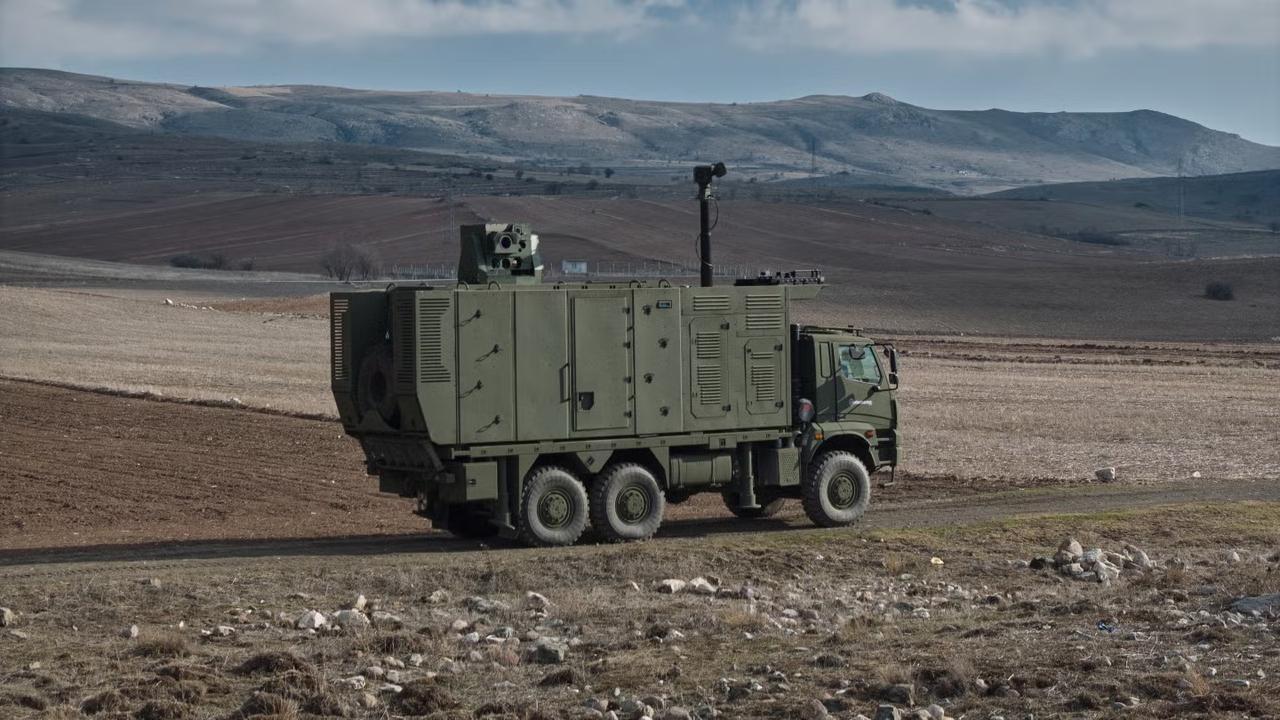
Against this backdrop, Türkiye positions itself not as a customer but as a competitor when it comes to countering drones, just as it does in drone production.
But Ankara’s ASELSAN’s reflects a different design philosophy with the GOKBERK system. Rather than modular or distributed architectures, it integrates radar, power systems, and laser capabilities into a single mobile platform.
In the shifting geography of modern conflict, the ability to pack up one’s defenses and move them down the road has become its own kind of deterrent.
GOKBERK also combines “hard-kill” and “soft-kill” capabilities, pairing physical destruction with electronic disruption.
It is, in effect, a layered defense system compressed into a single unit. But perhaps its most significant advantage is political rather than technical.
Unlike American systems constrained by export controls and black-box limitations, Türkiye can offer partners something closer to full operational sovereignty. In an era where the terms of service are as important as the hardware itself, the promise of true ownership is a powerful pitch.
What is emerging is not just a new class of weapons, but a new logic of defense. Lasers are not replacing missiles, just as drones did not replace aircraft.
Instead, they are forcing militaries to think in layers—integrated, adaptive, and economically sustainable.
The more revealing shift is conceptual. Defense is no longer organized around singular “silver bullet” systems but around portfolios of response, each calibrated to a specific cost, range, and probability of success.
One gets the sense that the next great conflict is being won or lost in the ledger long before the first shot is fired. And in that future, the side that solves the equation may hold the advantage.


 Set as preferred source
 Set as preferred source



 4 min read