Newsletters


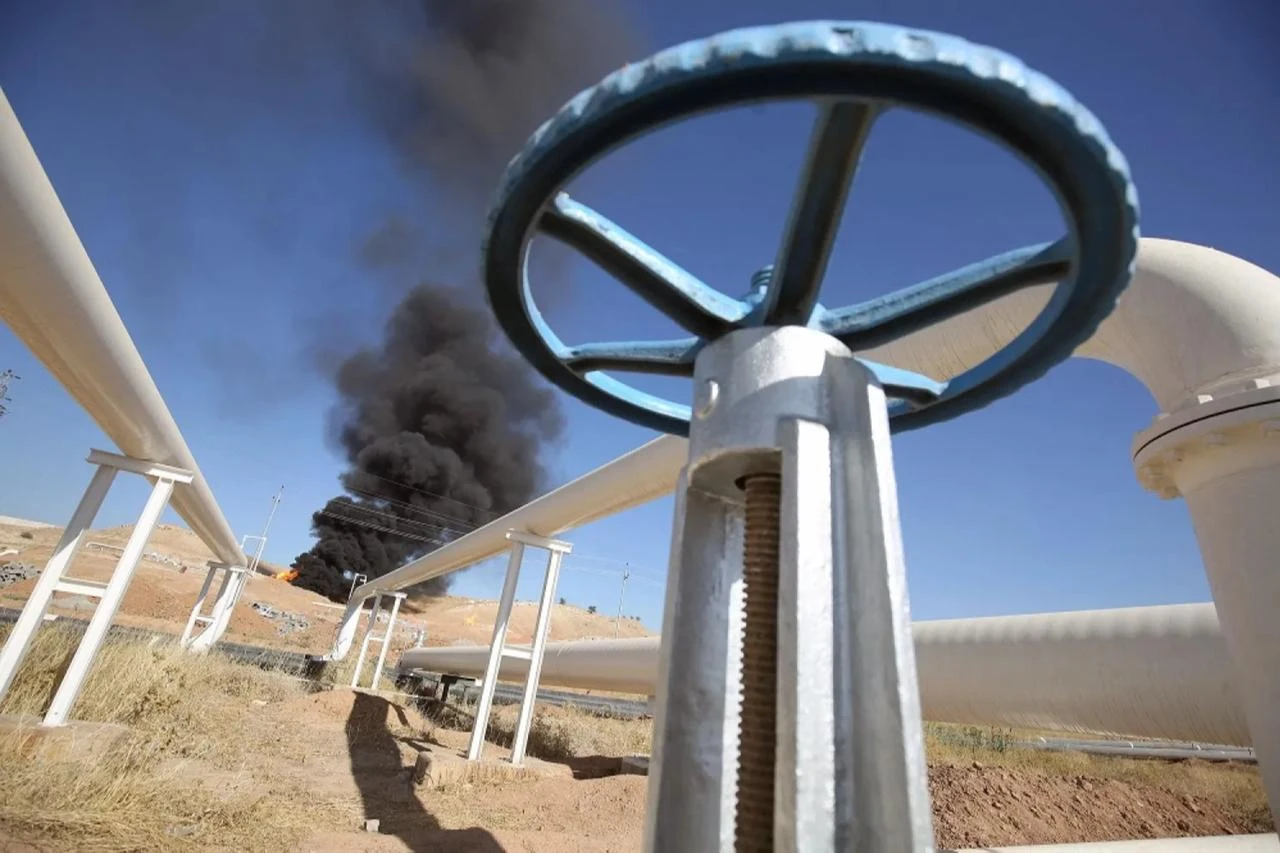


Lebanon hosted an Iraqi delegation in its capital Beirut on Monday to discuss reviving the historic Kirkuk-Tripoli oil pipeline as both countries prepare for Iraqi crude and petroleum products to transit through the country.
Lebanese Prime Minister Nawaf Salam chaired the meeting, which brought together Energy and Water Minister Joe Saddi, Interior and Municipalities Minister Ahmad al-Hajjar, Public Works and Transport Minister Fayez Rasamny, along with General Security and Customs officials, Lebanon's National News Agency reported.
Lebanon is initially expected to serve as a storage and re-export hub for Iraqi crude and petroleum products. Officials reviewed the readiness of the ministries, agencies and departments that will oversee the process.
The work includes rehabilitating roads for tanker traffic, expanding border crossings and organizing routes to storage facilities. Authorities are also addressing storage capacity, safety requirements and operating procedures ahead of the shipments.
The ministries and agencies involved agreed to keep coordinating and meet the specified deadlines for the remaining work.
The talks coincide with recent inspections by Lebanon's energy minister of facilities linked to preliminary plans for a long-term project to attract international investment and rehabilitate the historic pipeline.
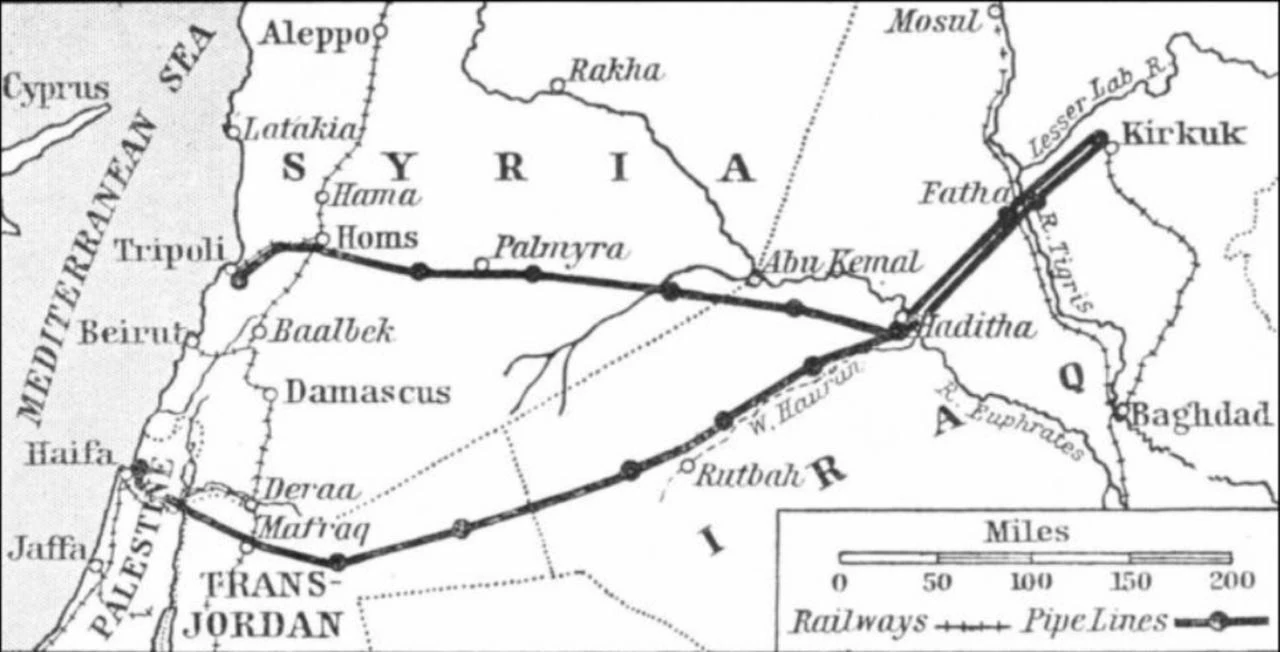

Built and commissioned between 1932 and 1934, the Kirkuk-Tripoli route formed part of an early Iraqi oil-export network carrying crude from Kirkuk through Syria to Lebanon's Mediterranean port.
A refinery was later established in Tripoli in 1940 to process the crude, while the route operated alongside other pipelines linking Iraq with Mediterranean export terminals.
Iraq has meanwhile begun work on a new Basra-Haditha pipeline designed to carry up to 2.5 million barrels per day, with planned connections giving Iraqi crude access to Syria's Baniyas port, Türkiye's Ceyhan and Jordan's Aqaba.
The project is part of Baghdad's broader effort to diversify its export routes and reduce reliance on the Strait of Hormuz following the near-total disruption of oil shipments through the waterway since late February.


 Set as preferred source
 Set as preferred source


 1 min read
 1 min read