Newsletters





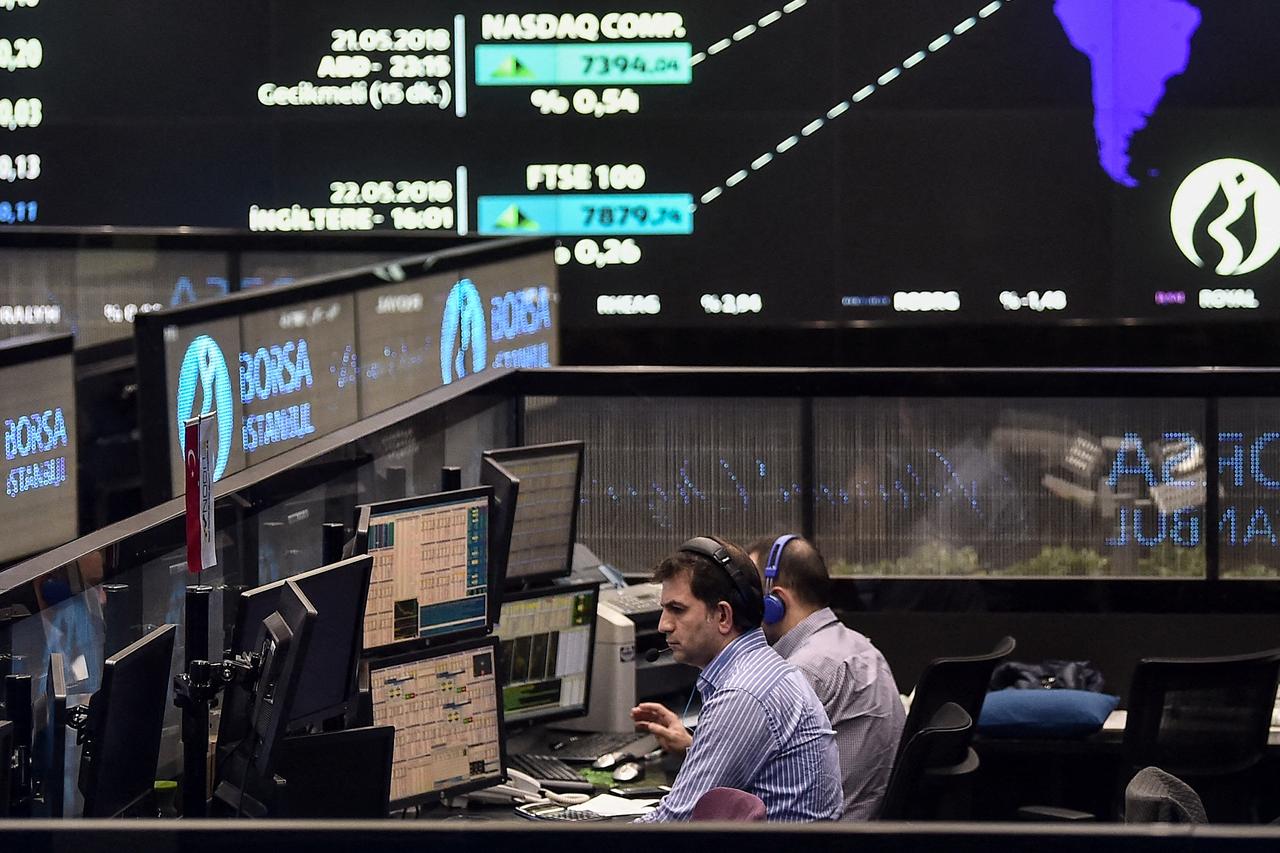
Major Turkish banks reportedly sold around $6 billion on Monday to shore up the Turkish lira and limit further strain on assets, as early trading saw a broader market rout driven by escalating tensions and higher global energy prices.
The Central Bank of the Republic of Türkiye (CBRT) also carried out operations in lira contracts on Borsa Istanbul’s derivatives market, stepping in to help contain volatility and bolster liquidity during the early trading stress, people familiar with the matter told Bloomberg.
Before trading began, policymakers suspended one-week repo auctions to tighten funding conditions and launched lira-settled FX forward sales to stabilize the exchange rate and reduce volatility.
Earlier, claims circulated on social media alleging that economic authorities might suspend trading on Borsa Istanbul on Monday due to financial stress. Officials rejected the reports as baseless, while the Capital Markets Board announced a ban on short selling in the exchange’s equity market until the end of Friday’s session.
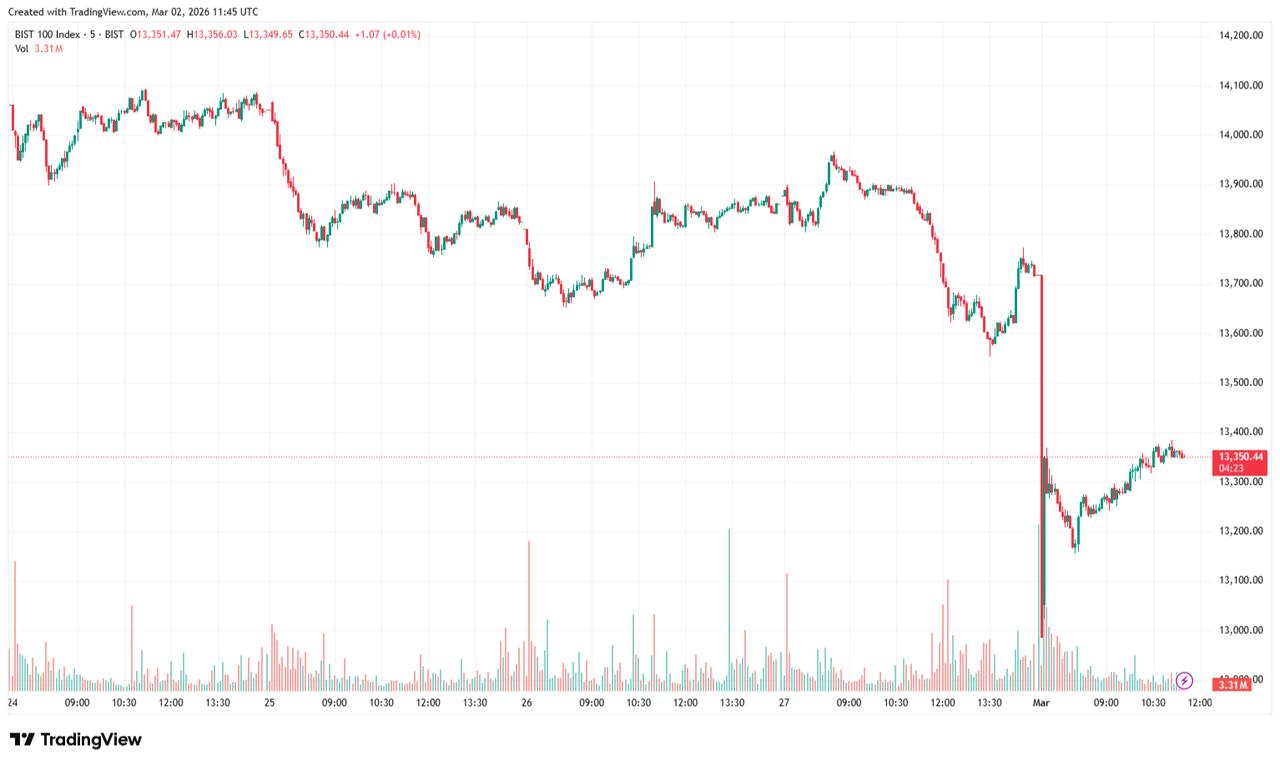
Türkiye's benchmark BIST 100 index kicked off the week with a steep 5.3% drop before trimming its losses to 2.6% in the following hours, while the banking index slid 5.8%. The two-year Treasury yield also jumped 88 basis points to 37.41%.
The U.S. dollar/Turkish lira exchange rate held steady around 43.83.

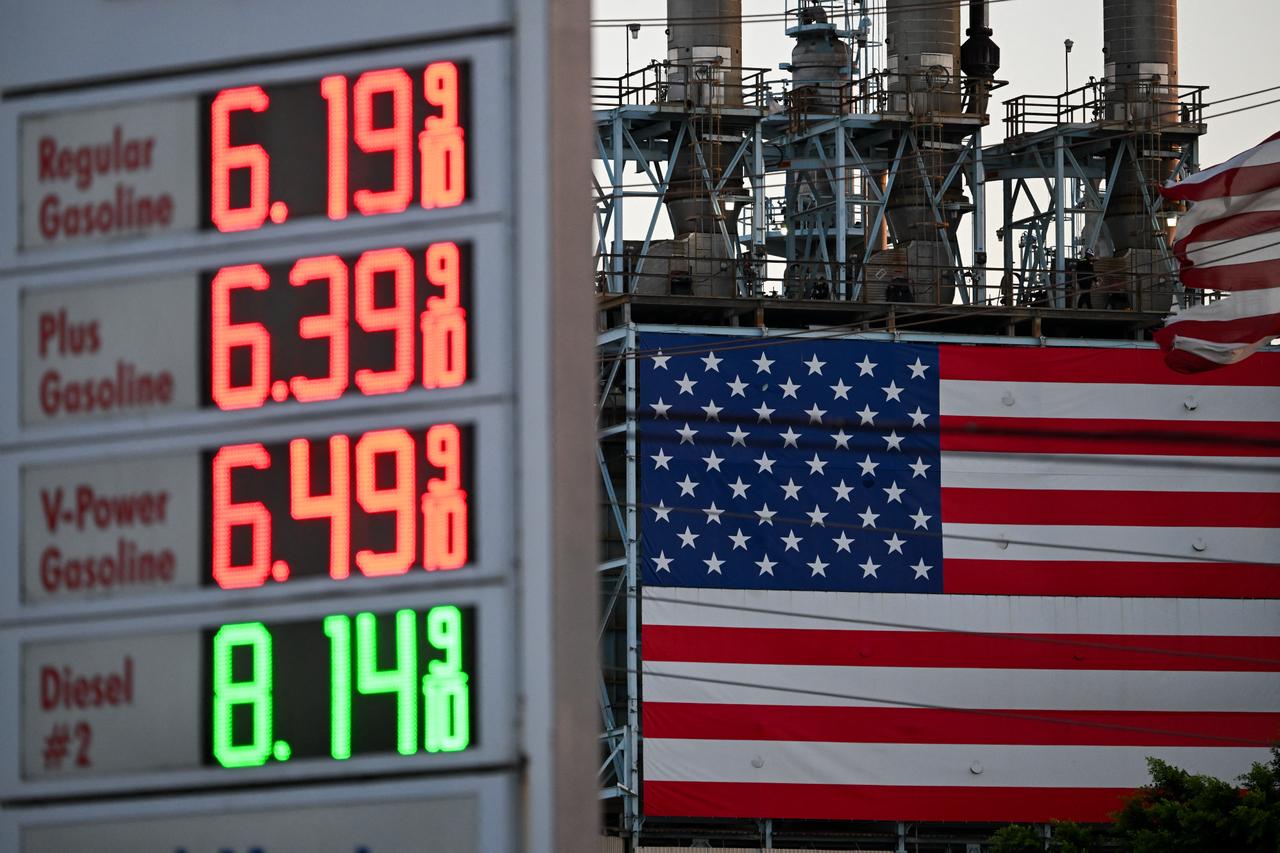
The rout followed a sharp jump in global oil prices, with Brent crude climbing as high as $82 per barrel on concerns about a potential supply crunch after disruptions around the Strait of Hormuz in the wake of joint U.S.-Israel strikes on Iran and mounting geopolitical risks across the Gulf.
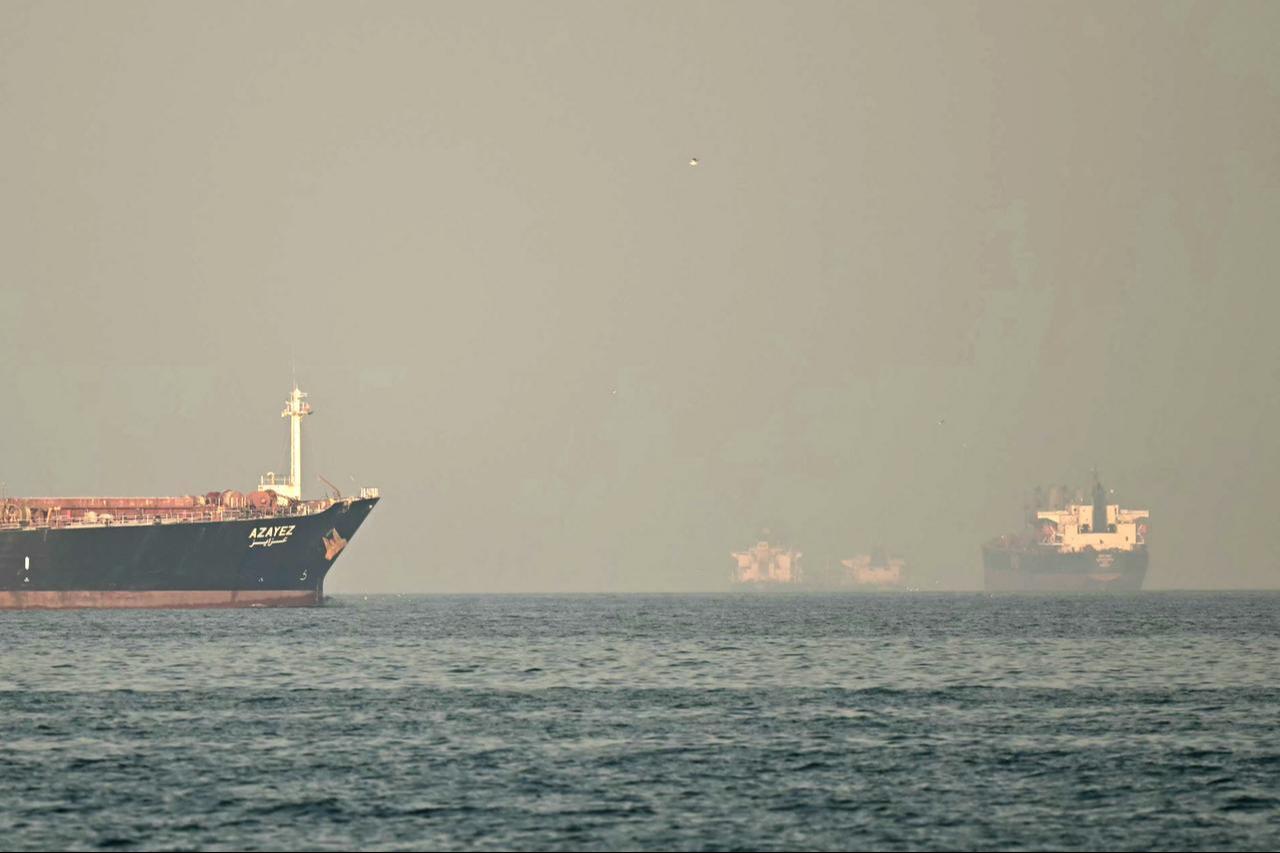
Shipments through the strait, which carries about 20% of the world’s oil supply, have nearly come to a halt after Iranian state media announced a ban on unauthorized vessel crossings. Several maritime insurance companies also said they had withdrawn war risk coverage for ships operating in the region.
The spike in oil prices fueled renewed concerns over global inflation, triggering a broader risk-off move across assets. The wave of selling first took hold in Asian trading before spreading to Europe and emerging economies. Gains in European natural gas futures also climbed close to 30%, surpassing €40 per megawatt hour.
With $62.46 billion in energy imports in 2025, Türkiye remains exposed to higher oil and natural gas prices, which pose renewed headwinds to the disinflation process.
Additional strain from food prices, which slowed the disinflation path in January despite the headline rate falling to 30.65%, means higher energy costs could weigh on both consumer prices and the current account balance and may prompt central bank policymakers to pause the easing cycle on Mar. 12.
The Turkish central bank has already adopted a cautious stance on rate cuts, delivering a lower-than-expected 100 basis point reduction at its January meeting. Policymakers also recently raised their year-end projection range to 15%-21% in the year's first inflation report, which forecast an average Brent crude price of $60.9 per barrel.
U.S.-based investment bank JPMorgan said it expects the central bank to keep rates unchanged at its March 12 meeting, citing estimates that every $10 increase in Brent crude adds 1.2 percentage points to annual inflation. The bank also lifted its end-2026 inflation forecast to 25% from 24% and raised its policy rate projection to 31% from 30%.


 Set as preferred source
 Set as preferred source


 1 min read
 1 min read