Newsletters


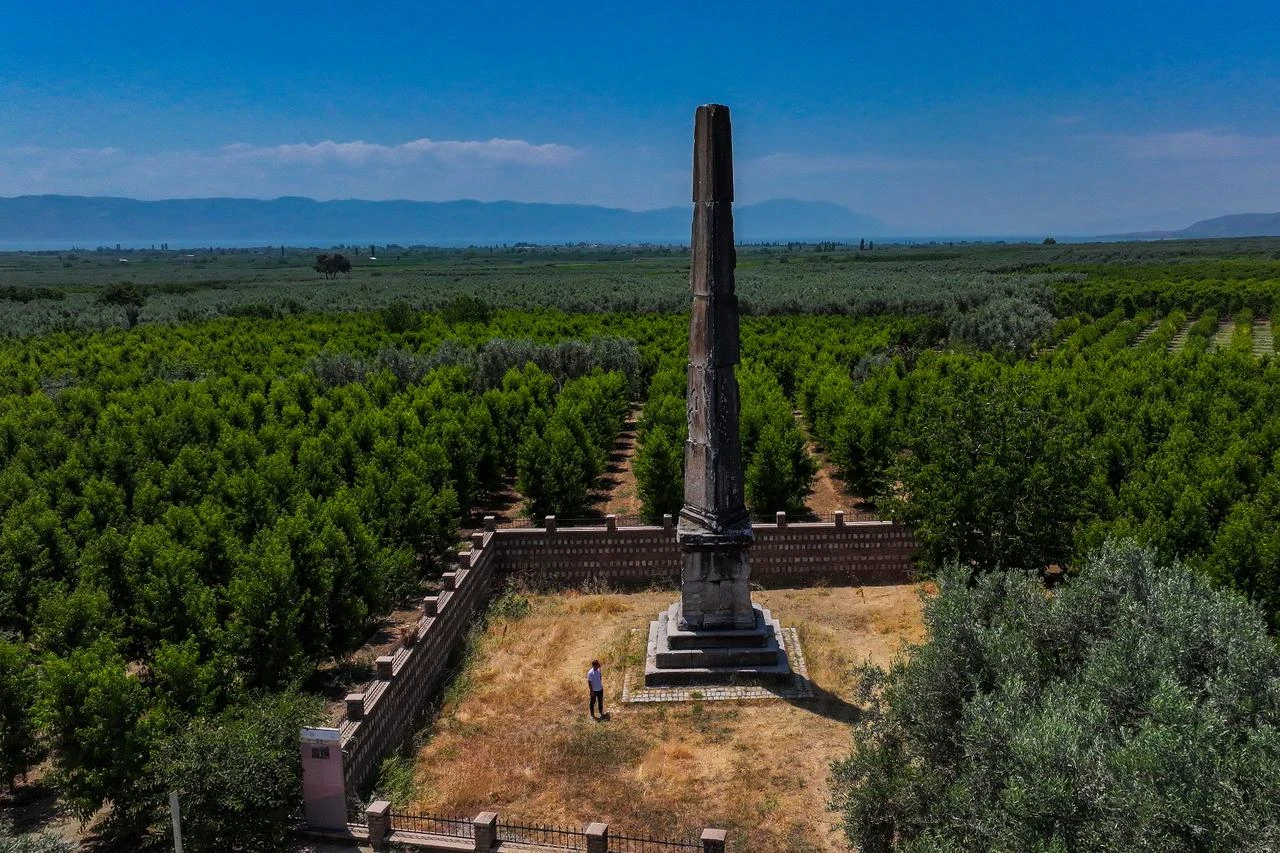


A nearly 2,000-year-old monumental tomb in Iznik, northwestern Türkiye, stands out for its unusual marble-block construction and an inscription that links it to a prominent Roman who returned home after being sent into exile.
The roughly 12-meter-high structure was built along the ancient road connecting Nicomedia, modern-day Izmit, with Nicea, the Roman name for present-day Iznik. The route also formed part of a major corridor stretching from Europe toward Jerusalem and was used for trade, military movements and pilgrimage.
The monument consists of a stepped platform made from white marble with gray veins, a raised podium and five pyramidal blocks placed on top of one another. This method of assembling separate, heavy marble sections gives the tomb a distinctive form that has no known direct equivalent.
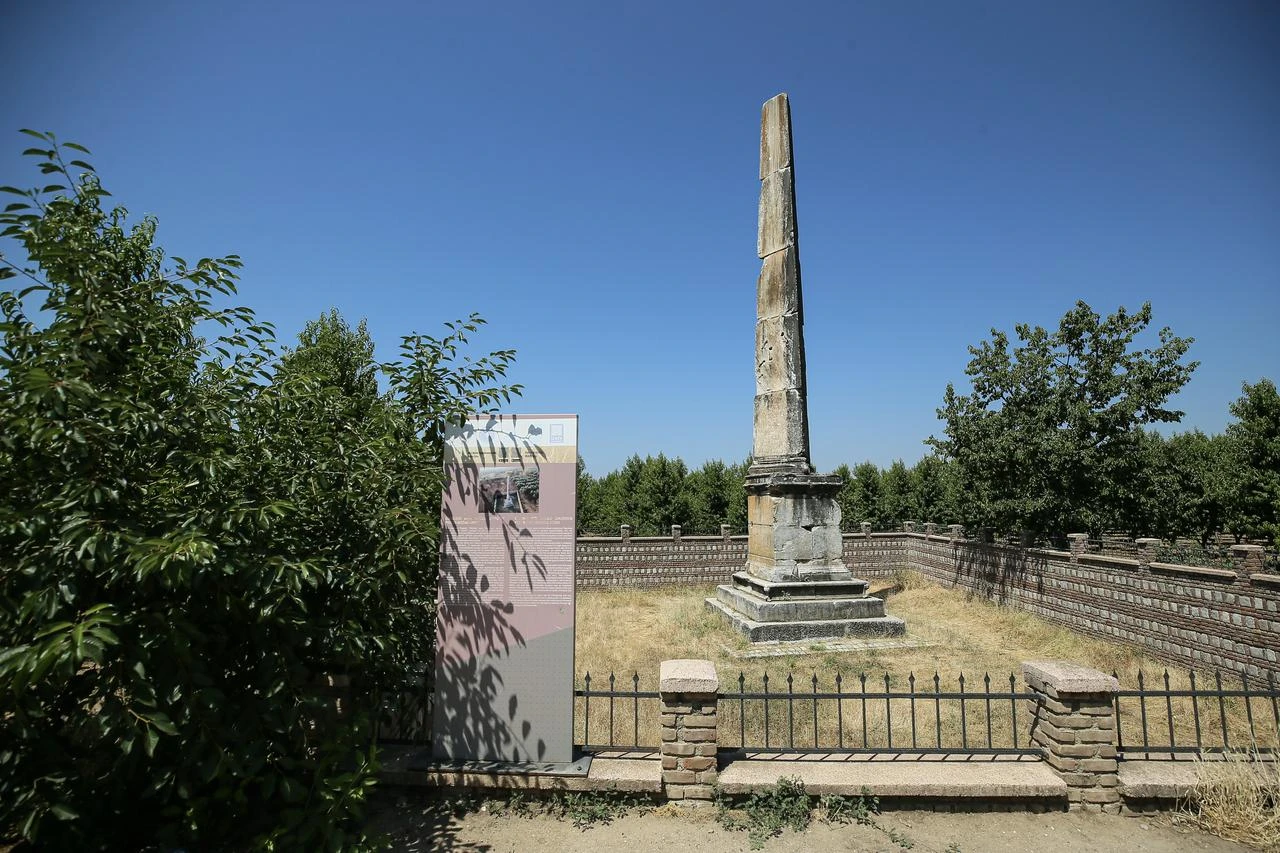

Professor Mustafa Sahin, head of the Archaeology Department at Bursa Uludag University, said the tomb's position on one of the Roman period's most important roads reflected the social standing of the person buried there.
Nicomedia and Nicea were among the leading cities of ancient Bithynia, a Roman-era region in northwestern Anatolia. By setting up the monument on the road between them, the Cassius family placed it where travelers, soldiers, merchants, and pilgrims could easily see it.
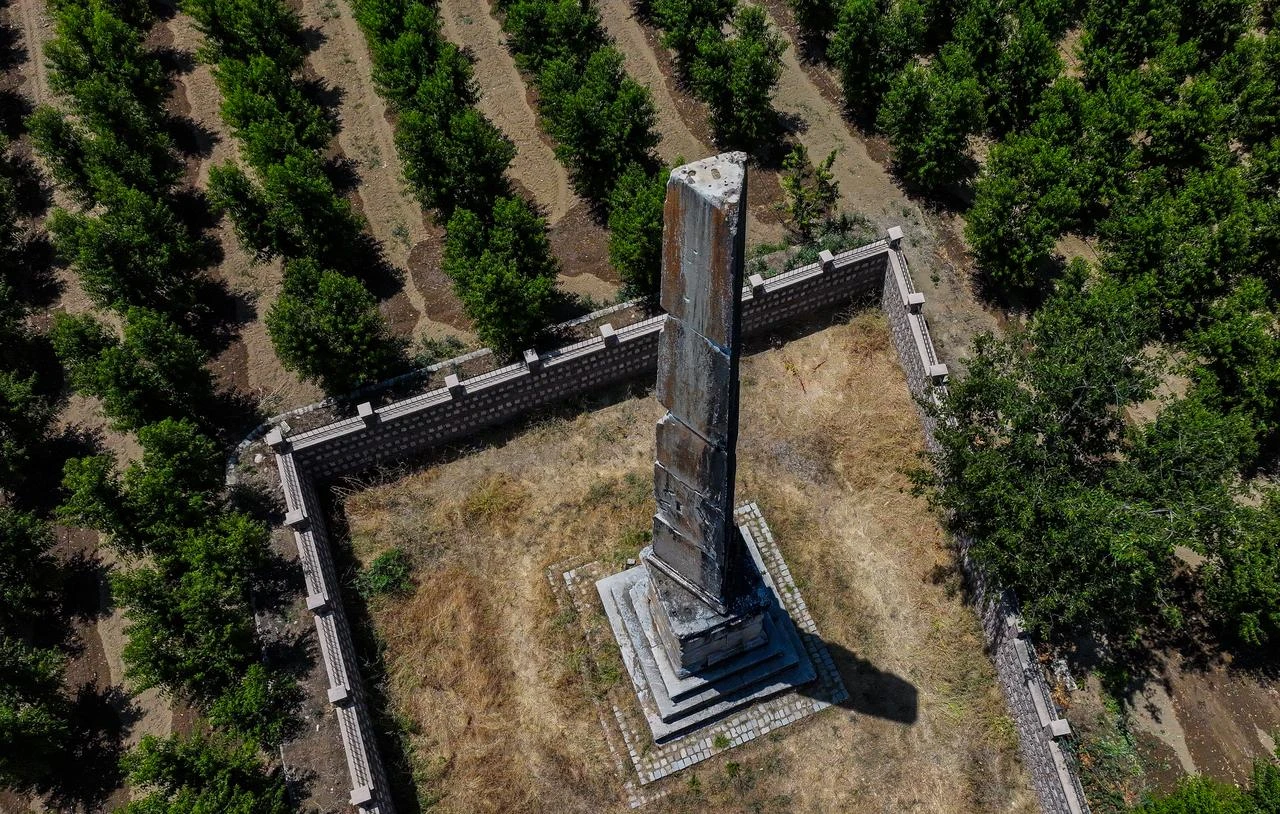
The structure is locally known as the "obelisk" or "five stones." An obelisk is a tall, tapering monument traditionally associated with ancient Egyptian architecture, although the Iznik example was built as a tomb.
Sahin said a now-missing eagle figure or metal ornament may once have topped the monument. Decorations shaped like lion's feet on the podium and the possible eagle figure have been linked to Roman traditions of presenting the deceased as a heroic figure.
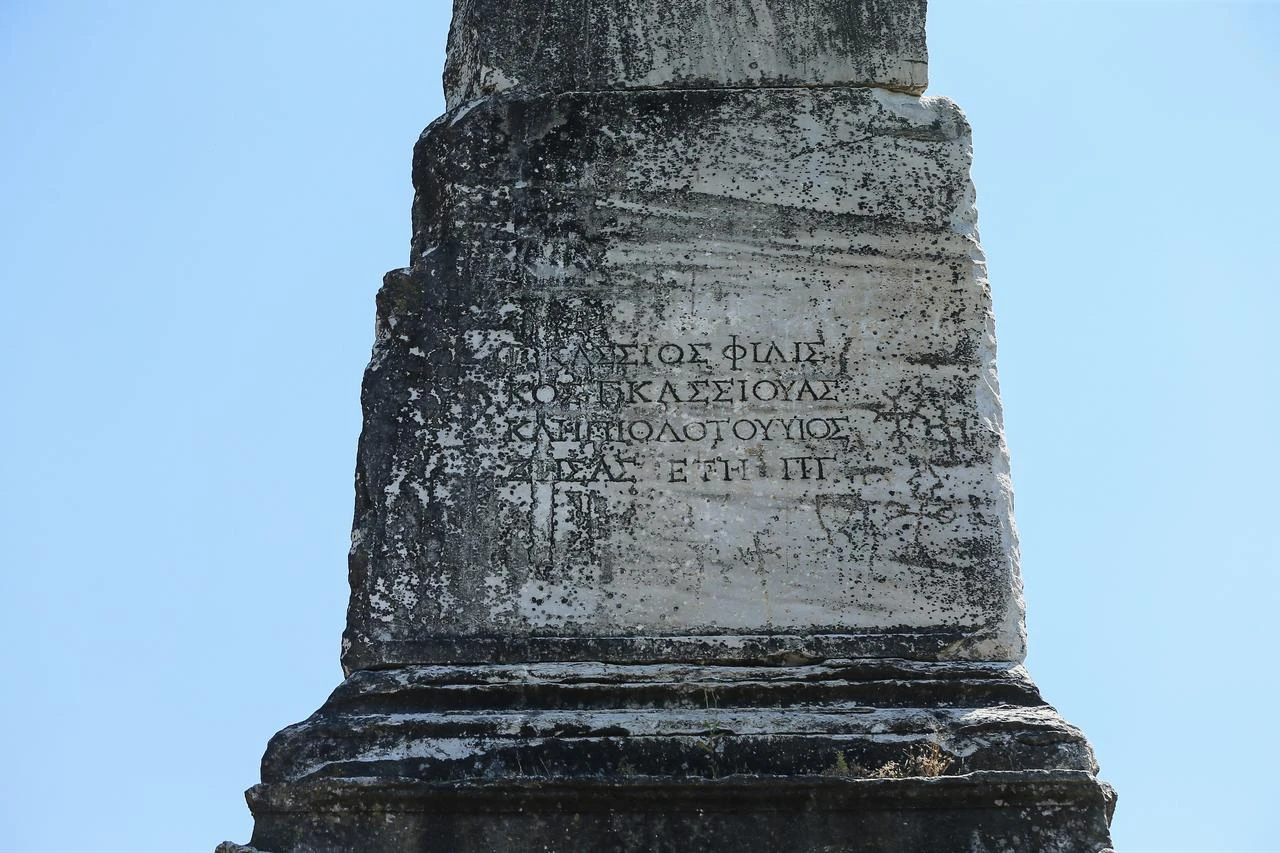
The surviving inscription identifies the tomb's owner as Gaius Cassius Philiscus, a member of the Cassius family, which held considerable political and economic influence in ancient Nicea. The inscription also indicates that Philiscus lived for about 83 years.
According to the historical sources cited by Sahin, Philiscus had his property seized and was sent into exile during the reign of Roman Emperor Nero. He was later pardoned and rehabilitated by Emperor Galba, allowing him to return to Nicea.
The monumental tomb was put up in his name following his death, preserving both his family status and the story of his return from exile.
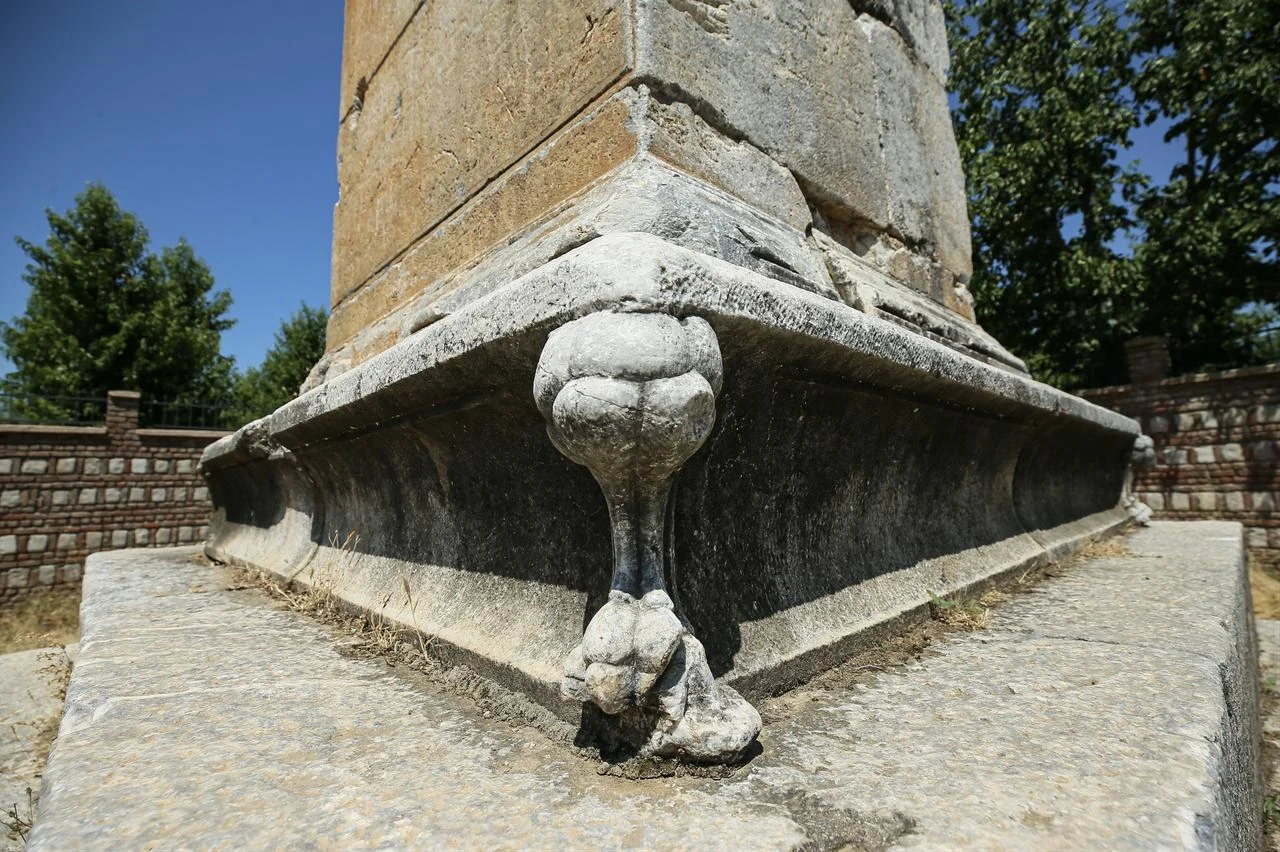
Sahin described the monument as an exceptionally rare example of Roman funerary architecture.
"This monument has no known parallel in the world as a funerary structure. Its form can be said to show Egyptian influence," he said, adding that its construction from separate stone blocks assembled on top of one another made it particularly distinctive.
The effects of Iznik's earthquakes can also be made out in the monument, as some of the stacked marble blocks have gradually shifted or rotated over time.
With its inscription, unusual architecture, and location along a major Roman route, the tomb remains one of Iznik's prominent historical structures and a notable stop for cultural tourism.


 Set as preferred source
 Set as preferred source


 8 min read