Newsletters


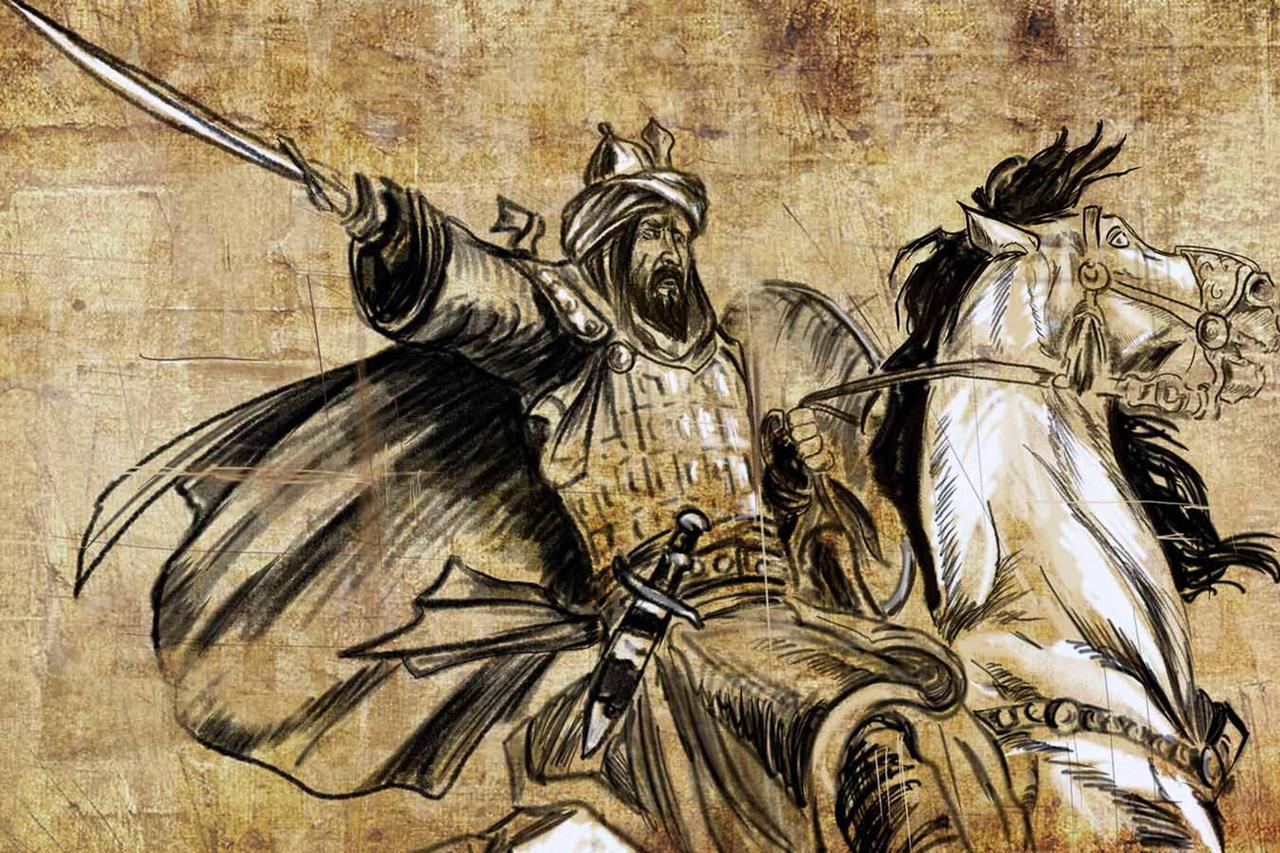


The reported killing of several senior Iranian political and military figures in coordinated airstrikes has brought renewed attention to a recurring theme in Iran’s history: the decisive role assassinations have played in shaping power, leadership transitions and state stability for more than 2,500 years.
According to Iranian state media accounts cited in the aftermath of joint U.S.-Israel military operations, multiple senior figures were killed in February-early March 2026, marking one of the most extensive leadership losses faced by Iran in a single wave of attacks. The strikes, which allegedly targeted command centers and leadership meetings, were described as delivering a severe blow to Iran’s military hierarchy.
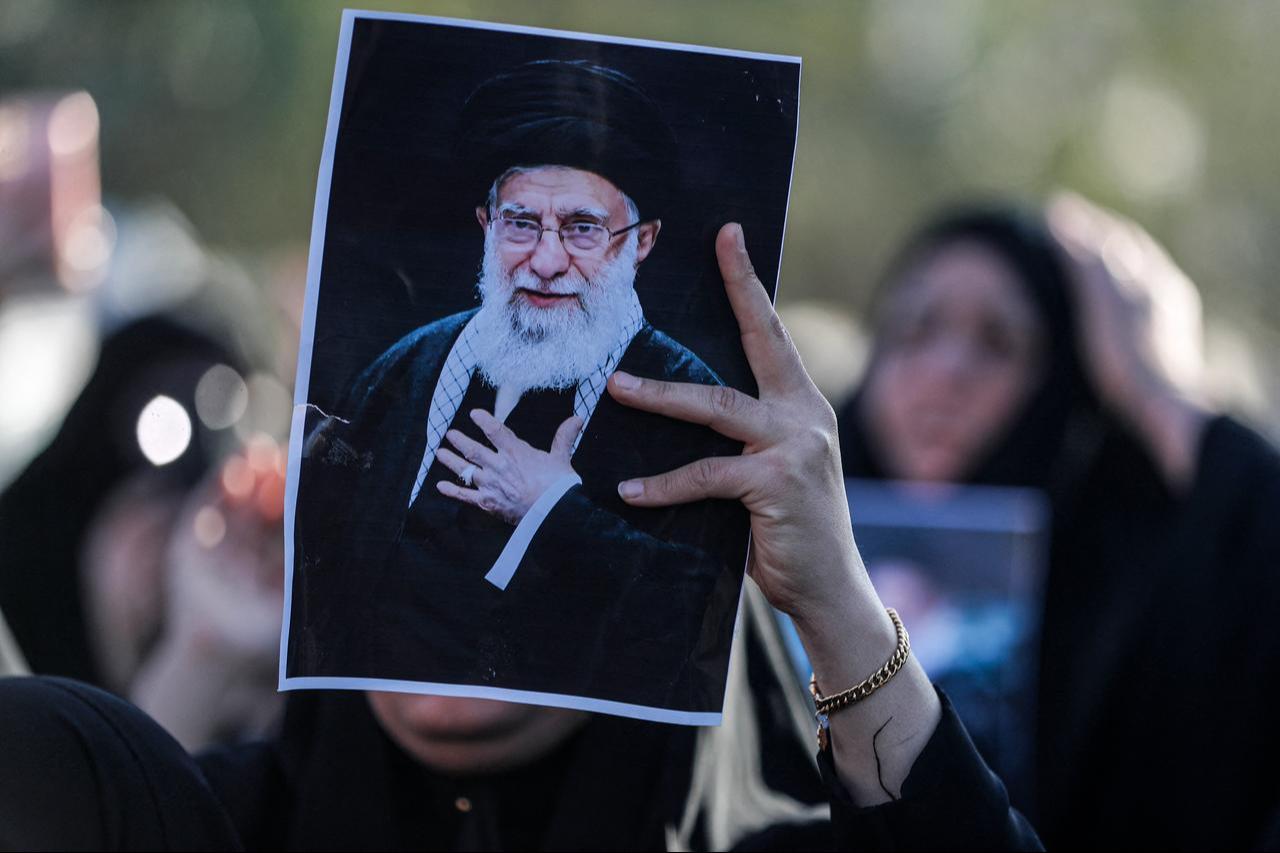

Among those reported killed was Iran’s Supreme Leader Ali Khamenei, who had remained the country’s most influential political authority since 1989. Defense Minister Aziz Nasirzadeh and Armed Forces Chief of Staff Abdulrahim Mousavi were also said to have died in targeted operations aimed at senior leadership gatherings.
The casualties extended across Iran’s security structure. Mohammad Pakpour, commander of the Islamic Revolutionary Guard Corps (IRGC), an elite military force operating parallel to the regular army, was confirmed dead by Iranian sources, alongside senior security adviser Ali Shamkhani and IRGC Brigadier General Hossein Jabal Amelian, who oversaw weapons development institutions.
Reports indicated that the simultaneous loss of commanders disrupted multiple layers of Iran’s command structure, raising questions about operational security and intelligence vulnerabilities.
The latest developments followed a separate wave of killings in 2025 during the Iran-Israel conflict, when nuclear scientists and senior officers were repeatedly targeted.
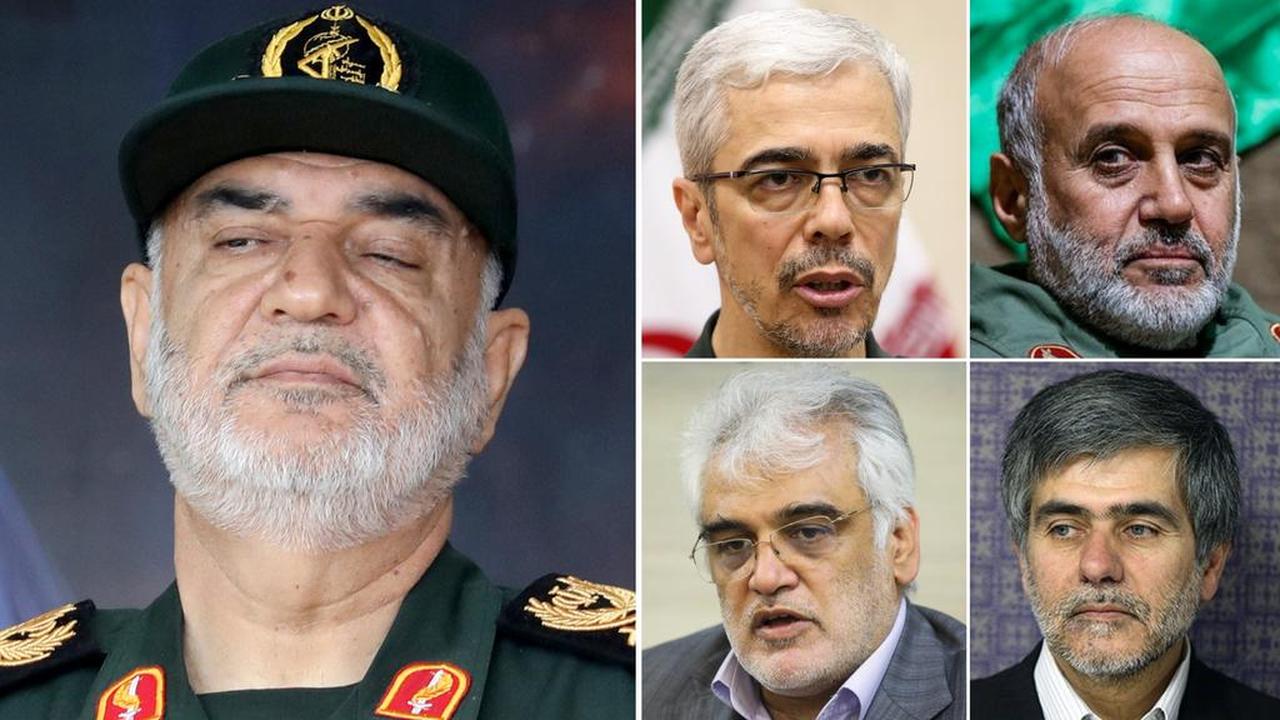
Iranian media reported that between nine and 14 nuclear scientists died in targeted attacks. Among the most prominent were theoretical physicist Mohammad Mehdi Tehranchi, former Atomic Energy Organization chief Fereydoun Abbasi, nuclear engineer Akbar Motalebizadeh and physicist Mansour Asgari.
Military leadership was also affected. IRGC Maj. Gen. Ali Shadmani was killed in an airstrike after reportedly assuming wartime operational command. Other senior figures lost during the same period included Khatam al-Anbiya headquarters commander Gholam Ali Rashid, IRGC commander Hossein Salami and Chief of Staff Mohammad Bagheri.
Israeli military statements later described Shadmani as a central operational figure overseeing coordinated military planning, suggesting the attacks were designed to weaken Iran’s decision-making chain rather than target infrastructure alone.
Beyond battlefield strikes, targeted assassinations also reached into civilian settings.
Nuclear scientist Ithar Tabatabaei Ghomshe was reportedly killed together with his spouse when a missile struck their residence, illustrating how modern conflict increasingly blurs the line between military and domestic spaces.
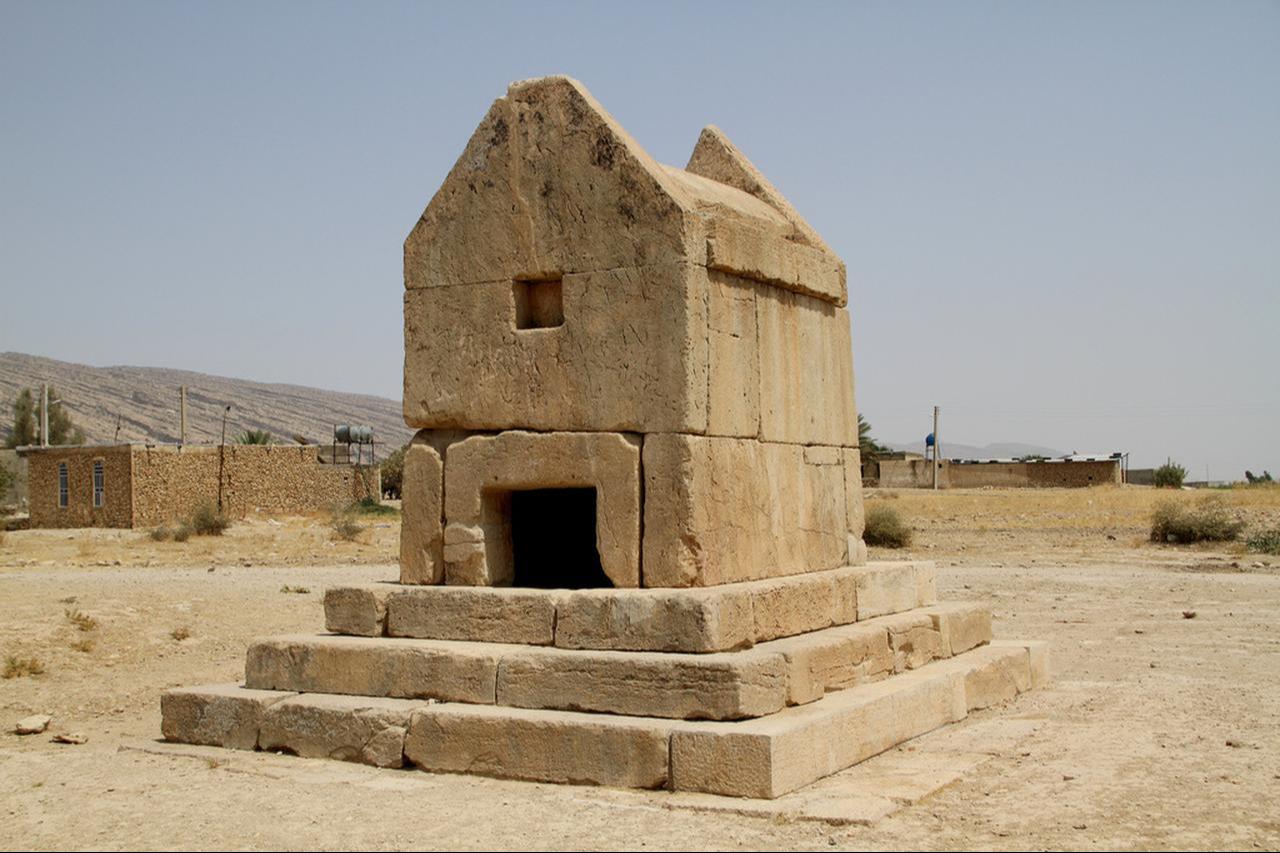
While the scale of recent events appears unprecedented in modern Iran, political killings have long shaped governance across Persian history.
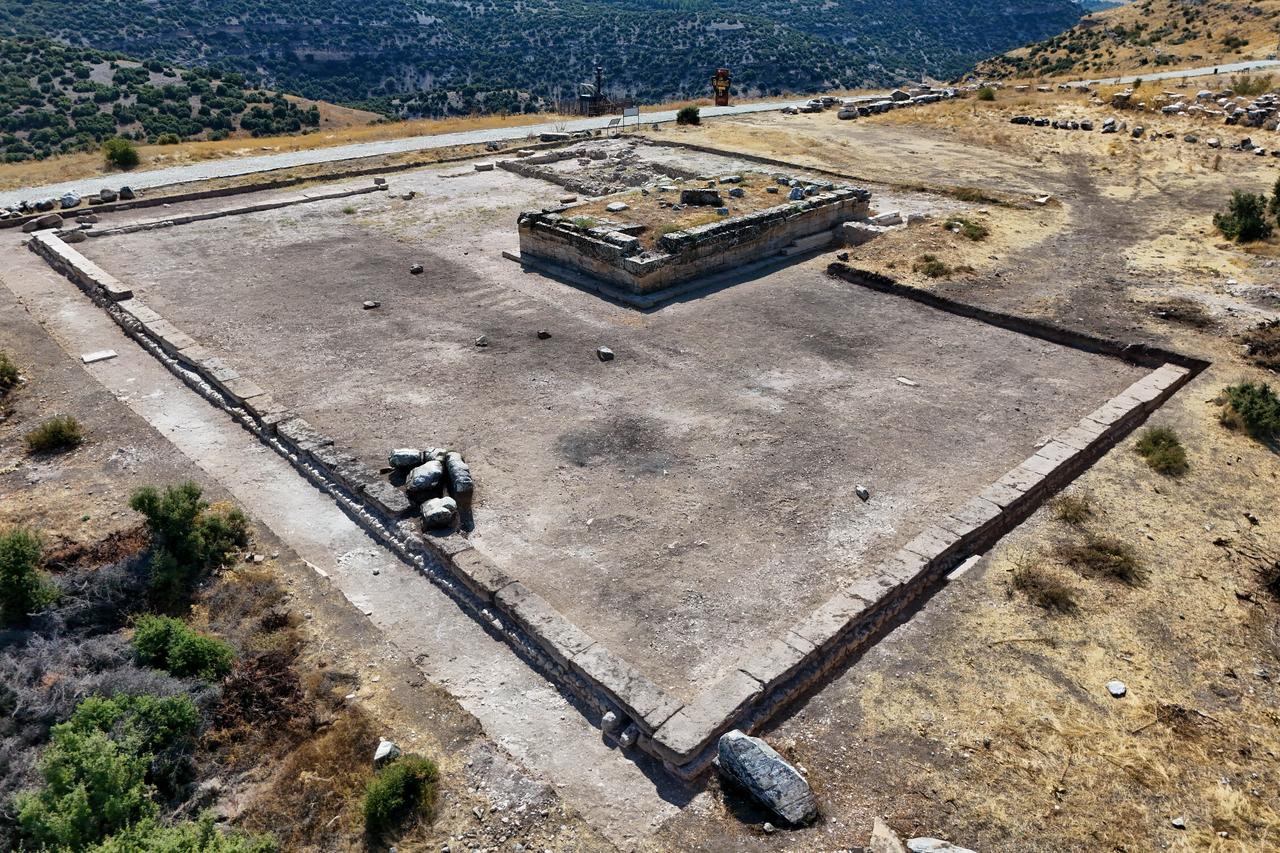
Power struggles within the ancient Achaemenid Empire frequently turned violent. Xerxes I was assassinated in 465 B.C. by court commander Artabanus, who briefly seized power before being overthrown. Earlier, Darius I rose to the throne after killing Gaumata, a rival claimant accused of impersonating royal lineage.
Court intrigue continued in later centuries. During the empire’s decline, Artaxerxes III and his heir were poisoned by their own general Bagoas, demonstrating how military insiders often influenced succession through assassination.
The Sassanid Empire experienced similar instability when Khosrow II was killed by his son Kavadh II, who then eliminated potential rivals within the royal family, actions widely viewed as contributing to the empire’s collapse.
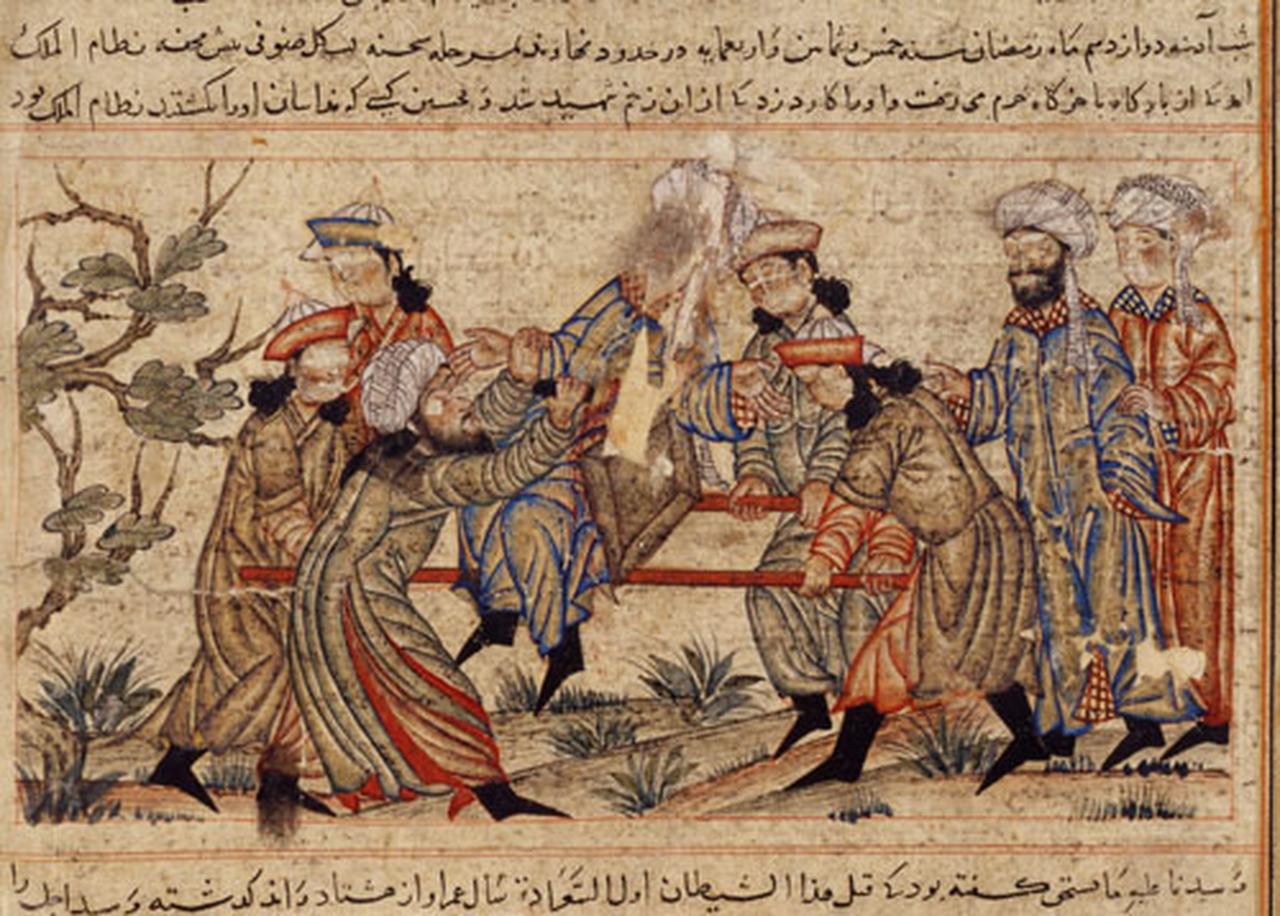
Political violence persisted into the Islamic period. In 1092, Seljuk Empire vizier Nizam al-Mulk was assassinated by members of the Hashshashins, a clandestine Ismaili-linked network known for targeted killings disguised as religious encounters.
Even in later Safavid rule, palace rivalries frequently shaped leadership outcomes. The trend continued into the twentieth century, when both Reza Shah and Mohammad Reza Shah faced assassination attempts amid political upheaval.
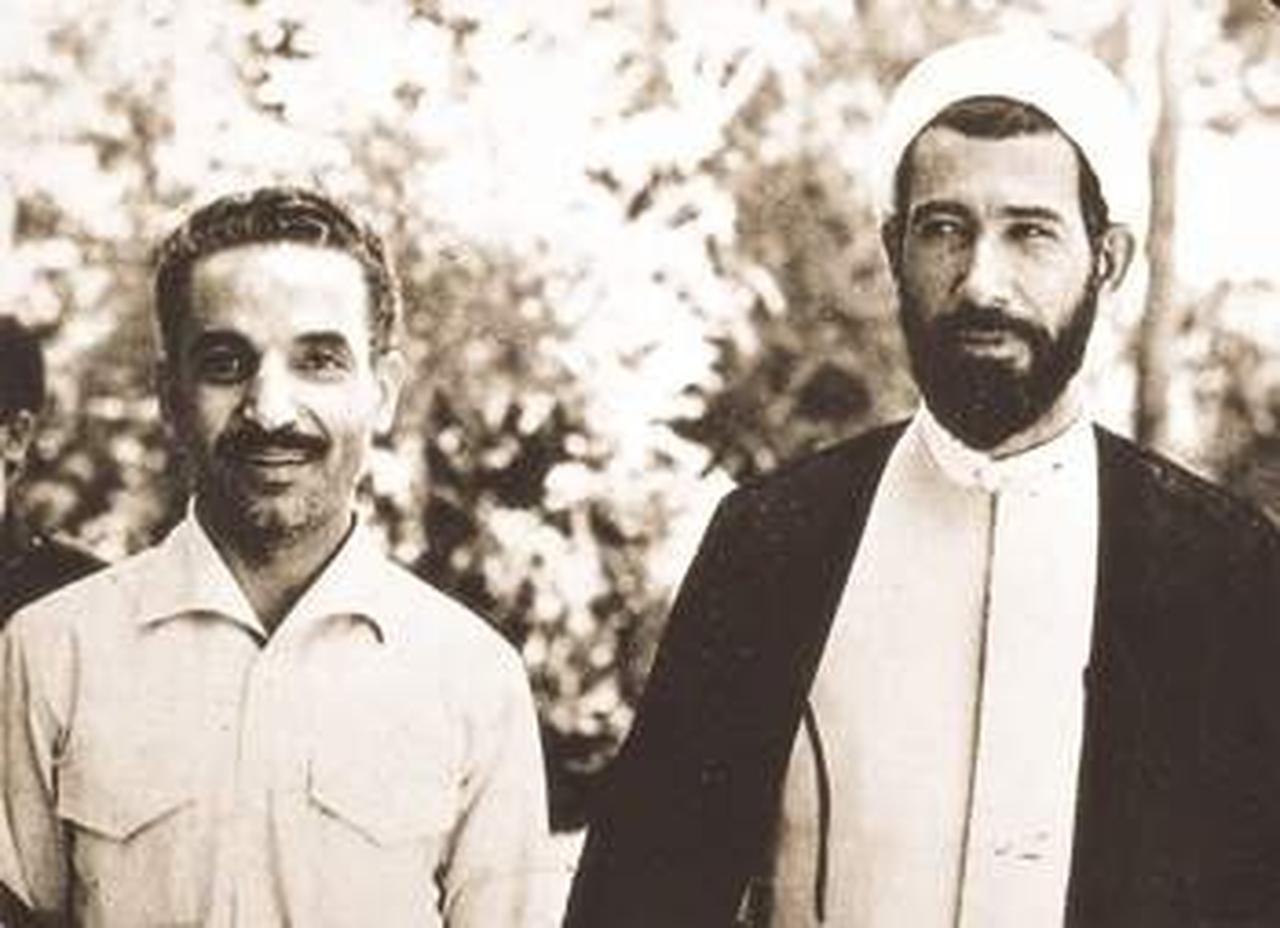
Following the 1979 Islamic Revolution, assassinations remained central to political conflict. In 1981, Iranian President Mohammad Ali Rajai and Prime Minister Mohammad Javad Bahonar were killed in one of the deadliest attacks of the early Islamic Republic.
As the current crisis unfolds, the pattern linking ancient palace conspiracies with modern precision strikes appears to be resurfacing under new technological conditions.
Across centuries, assassinations in Iran have repeatedly reshaped authority, altered succession, and exposed vulnerabilities within centralized power systems, dynamics that continue to influence regional geopolitics today.


 Set as preferred source
 Set as preferred source



 3 min read