Newsletters


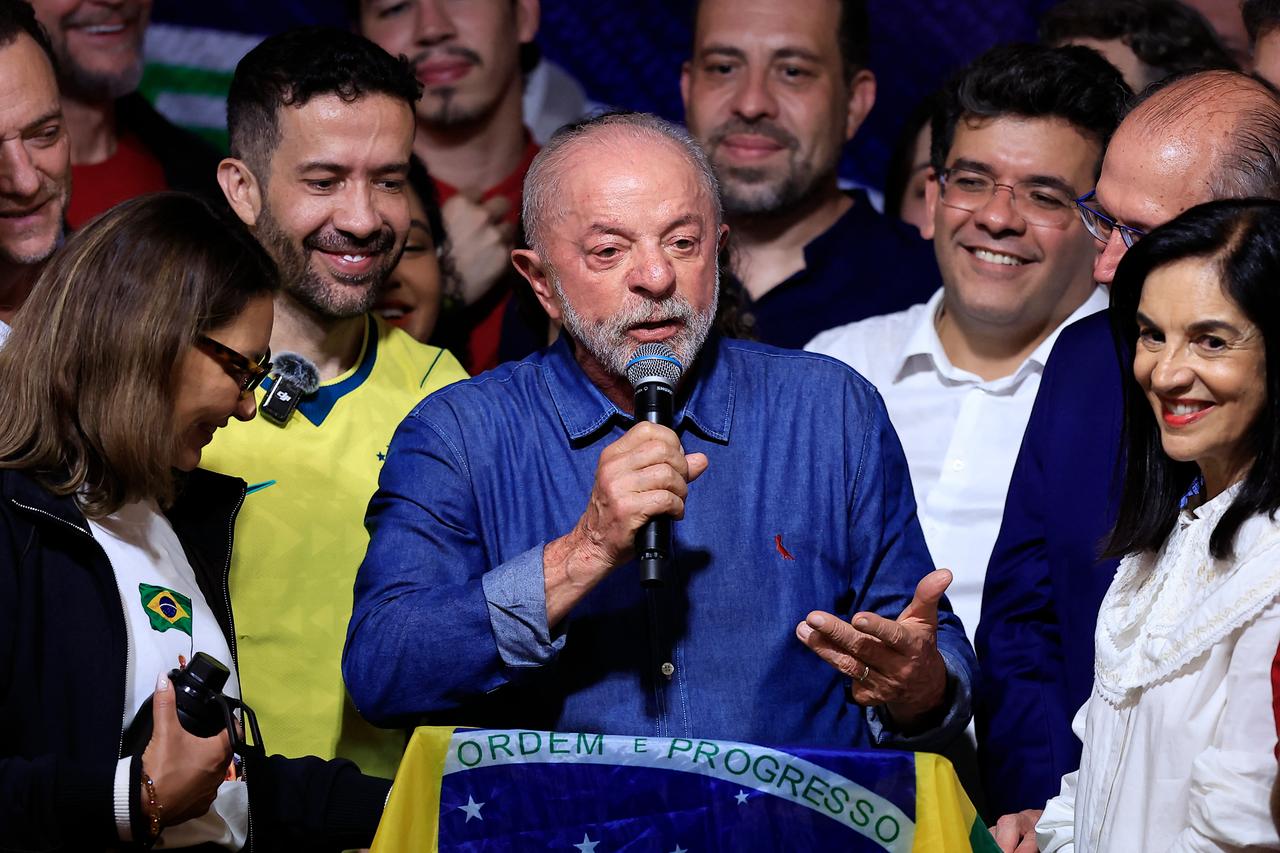


Just three weeks ago, many analysts thought Luiz Inacio Lula da Silva's political era was over. On Oct. 4, Sen. Flavio Bolsonaro finished first with 47.03% of the valid votes, ahead of the president's 45.16%.
Sunday’s runoff told a different story. With all ballots counted, the Superior Electoral Court gave Lula 64.26 million votes, or 51.79%, to Bolsonaro’s 59.83 million, or 48.21%, a margin of more than 4.4 million votes.
This marks the first time in Brazil since the transition to democracy that a candidate who placed second in the first round has gone on to win the presidential runoff. Furthermore, Lula, who turned 81 on Tuesday, becomes the first president in Brazilian history to be elected to a fourth term.
What happened this Sunday says more about Brazil, and about Latin America, than it does about Lula himself.
The comeback was not orchestrated from within the Workers' Party offices, but on phones and in the streets. After the Oct. 4 defeat, Congressman Andre Janones transformed a WhatsApp channel dubbed "Lula’s Army" (Exercito do Lula) into a mobilization machine.
He assigned daily tasks to his followers, whose numbers grew from around 2 million to nearly 11 million in just three weeks. Not even a temporary suspension by the Superior Electoral Court, requested by the rival campaign, could stop it. On the night of the victory, Lula called him a "general."
The streets did the rest. The day after the first round, students from the Fluminense Federal University marched in Niteroi, and the protest spread to dozens of universities across the country.
Young people who had previously remained on the sidelines stepped forward to persuade their grandparents, undecided voters, and those who had abstained. In Florianópolis, a youth-led event drew more than 60,000 people.
His opponent also played a part. During the final televised debate, Bolsonaro accused Lula of giving with one hand while taking away "with his nine fingers"—a jab at the finger the president lost in a workplace accident during his time as a metalworker. Lula demanded an apology, and Flavio ended up offering one on live television.
The remark shattered the candidate's carefully rehearsed, moderate persona and reminded millions of workers where Lula comes from.
And Minas Gerais—the country’s historic bellwether—delivered the verdict: it was the only state to switch sides between the two rounds of voting. Lula’s share of the vote rose from 43.33% to 50.43%, and with it, the trajectory of all of Brazil shifted.
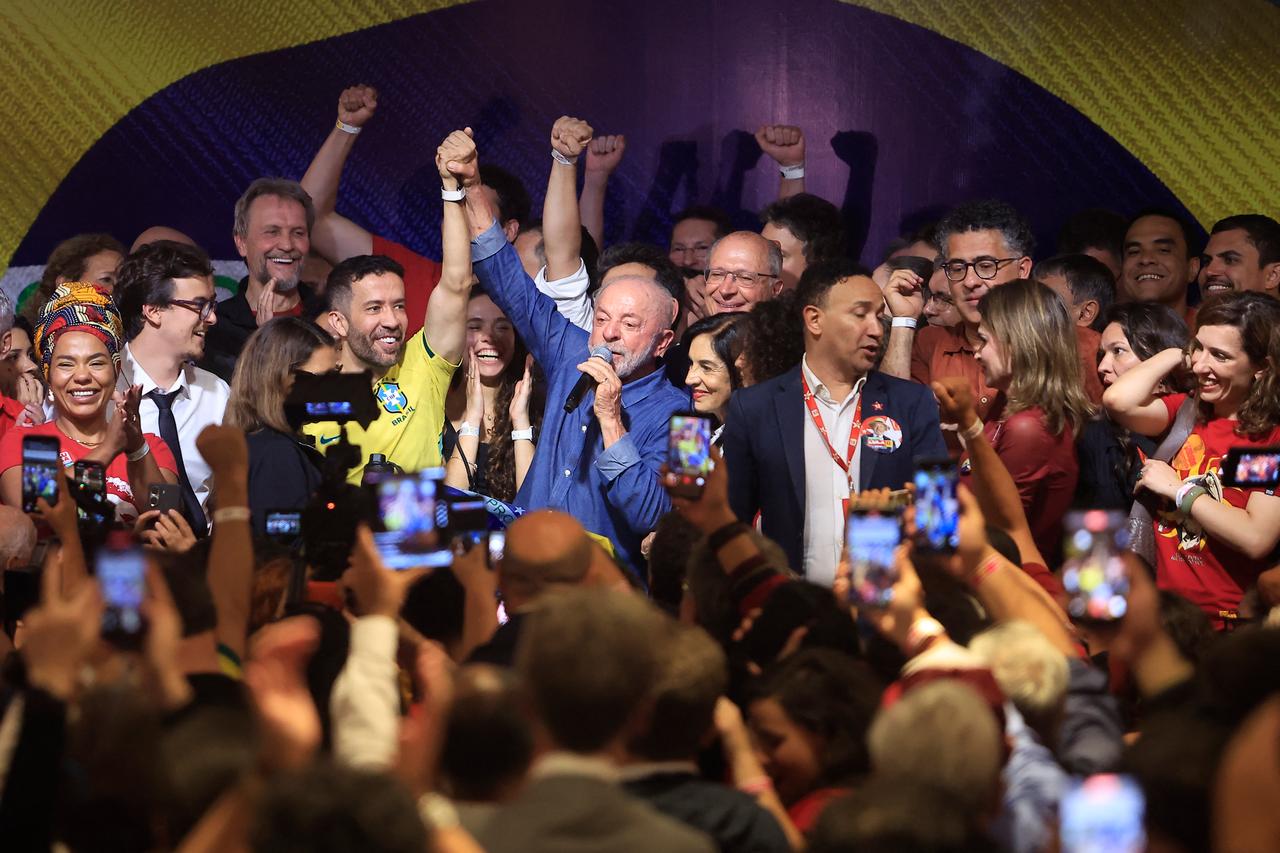

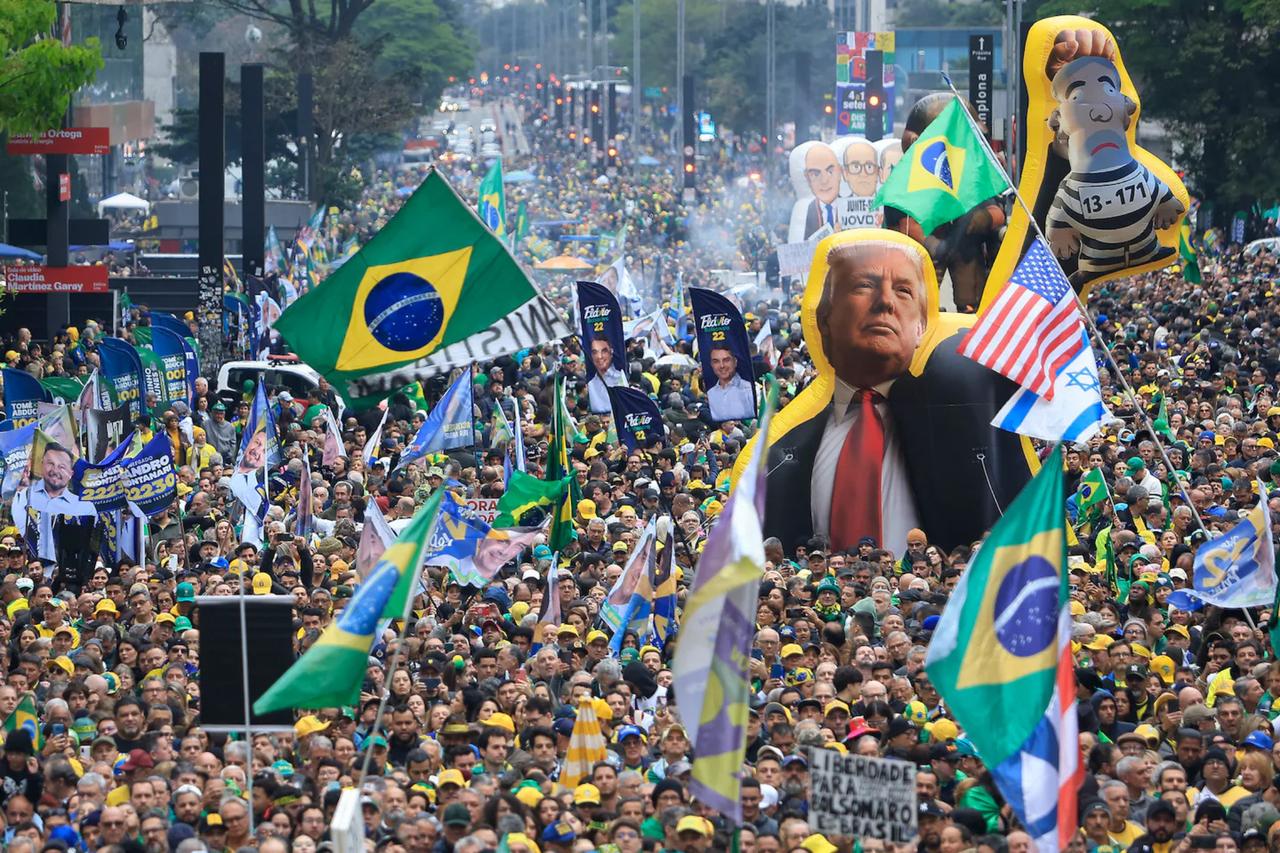
However, anyone who celebrates this victory as an overwhelming mandate is mistaken. The electoral map almost perfectly mirrors the fracture that has divided Brazil since 2006: Lula won in 13 states, while Bolsonaro won in another 13 plus the Federal District.
Bolsonarism prevailed comfortably in Rio de Janeiro, Goias, Mato Grosso, and the interior of Sao Paulo state. Nearly 60 million Brazilians voted for a candidate whose primary political asset was the surname of a former president implicated in the 2022 coup plot.
That half of the country cannot be ignored or treated as an enemy. Behind many of those votes lies not a nostalgia for authoritarianism, but rather exhaustion with urban insecurity, the cost of living, and a state perceived as distant.
If Lula’s fourth term is limited to governing only for those who voted for him, the next political resurgence will belong to someone else.
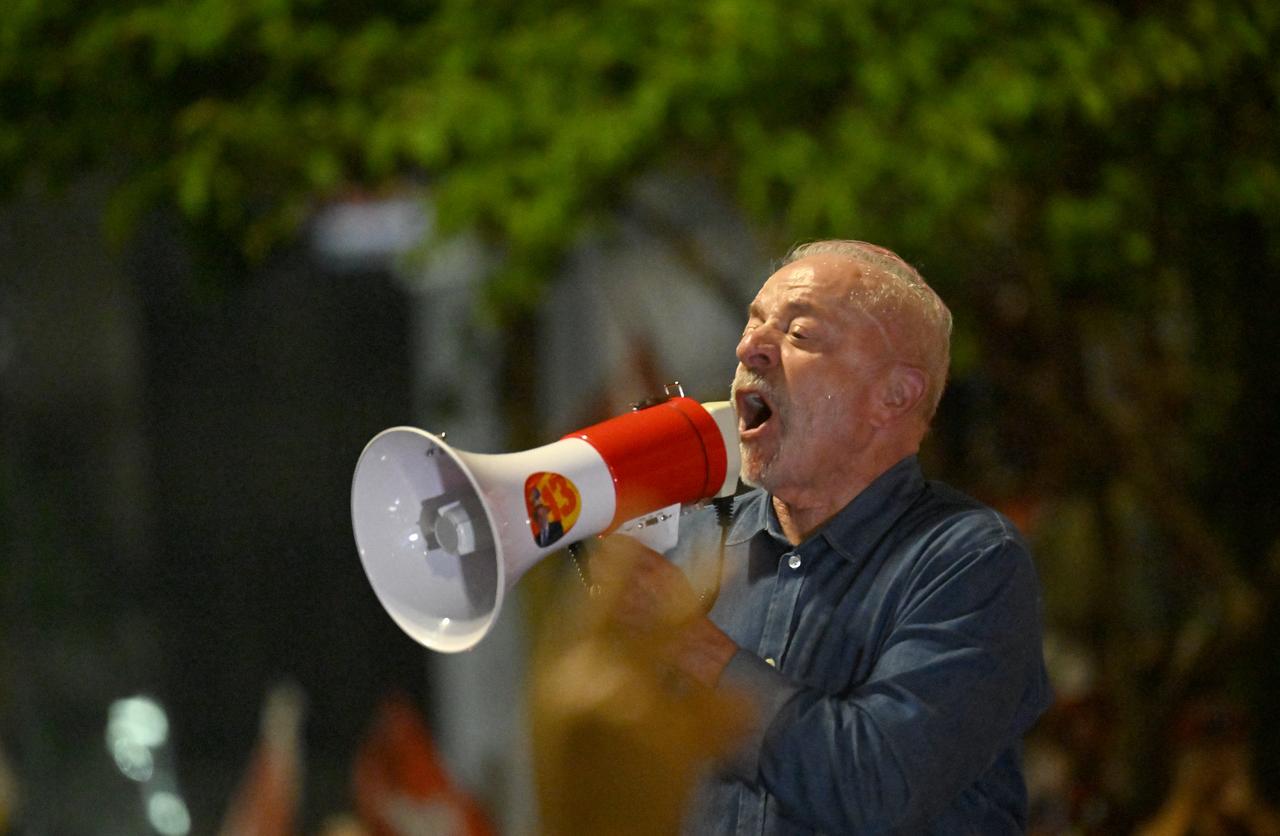
The outcome in Brazil has a significance that transcends its borders. In recent months, the radical right had gained ground in Colombia and Chile, and many took it for granted that Brazil would be the next domino to fall.
That did not happen. The region’s most populous country and largest economy has chosen a different path, which alters the political balance of the entire continent.
It is, however, best to avoid simplistic interpretations. Latin America does not function like a row of ideological dominoes; each election is shaped by its own specific grievances.
What Brazil does demonstrate is that no political wave is inevitable—that a campaign capable of mobilizing the working classes, engaging the urban middle class, and framing the election as a choice regarding the very future of democracy can still succeed.
For the rest of the world, Lula’s election signifies the continued presence of a voice that advocates for a more balanced international order, a greater role for the Global South in multilateral forums, and a central position in the protection of the Amazon.
In an increasingly fragmented global landscape, a stable Brazil, one capable of engaging in dialogue with all geopolitical blocs, is welcome news, including for Europe.
 2 min read
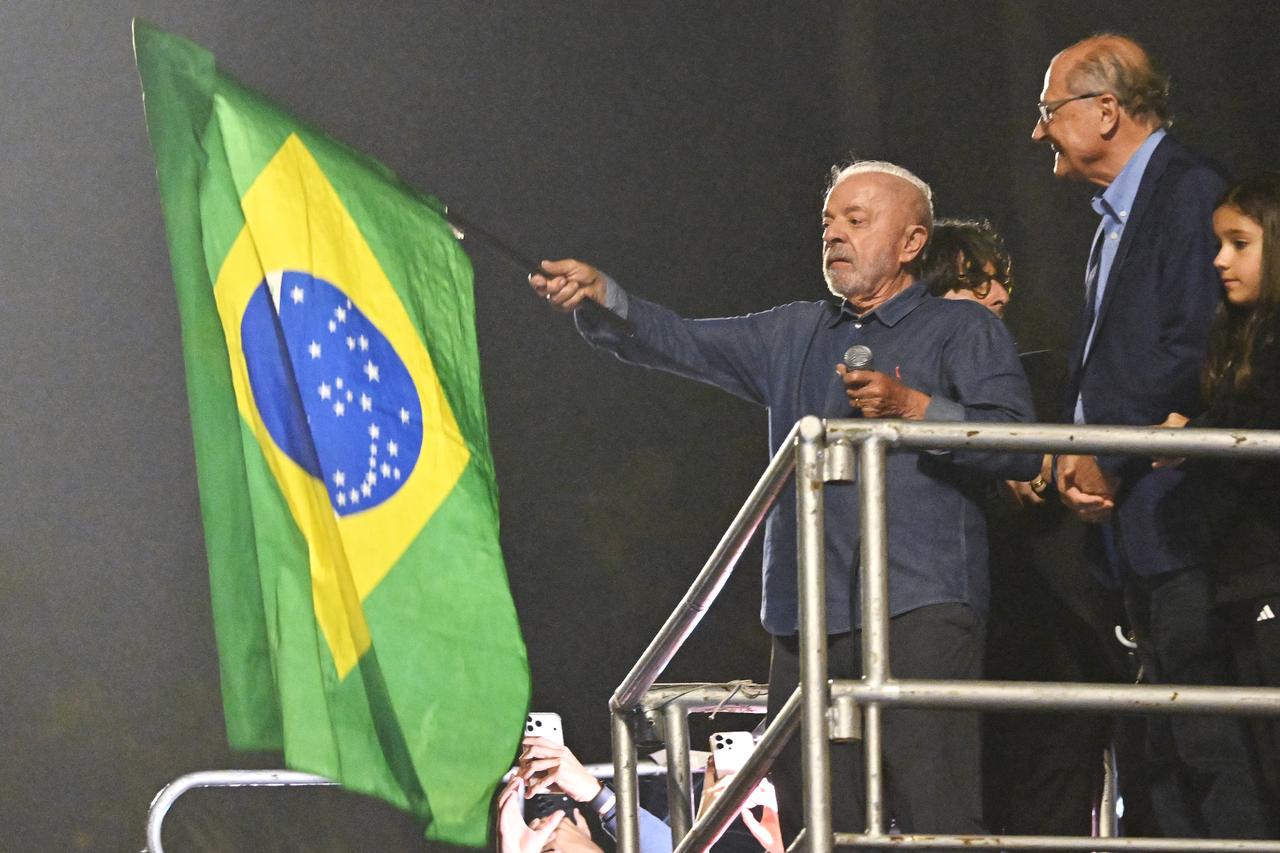
The night of victory is short-lived. Starting in January, Lula will have to govern a divided country, with a fragmented Congress where every reform will demand difficult negotiations.
He will need to demonstrate that his agenda can offer more than just the defense of past achievements such as quality employment, effective public security, and functional public services.
Only a few months ago, his track record split Brazilians almost down the middle. That reality should carry more weight in Brasilia than Sunday's euphoria.
Furthermore, he will have to confront the question that no one in the Workers' Party dares to ask aloud: what comes after Lula? A leader who will remain in power well past the age of 84 cannot simultaneously be both the present and the future of his political camp.
With Geraldo Alckmin re-elected as vice president, the challenge of this term is not merely to govern well, but to pave the way for a renewal that the Brazilian left has been putting off for far too long.
The Oct. 25 comeback will be remembered as one of the great electoral feats in the history of Brazilian democracy. Yet, its true significance will depend on what happens from here on.
If Lula uses this final term to build bridges toward the half of the country that did not vote for him, to strengthen institutions, and to make room for a new generation, then this victory will have been more than just the last battle of an old fighter; it will have been the beginning of something new.


 Set as preferred source
 Set as preferred source


 1 min read