Newsletters




All three countries are looking with concern toward what the region will look like once the war ends, while also weighing the opportunities it has created, at least for some of them.
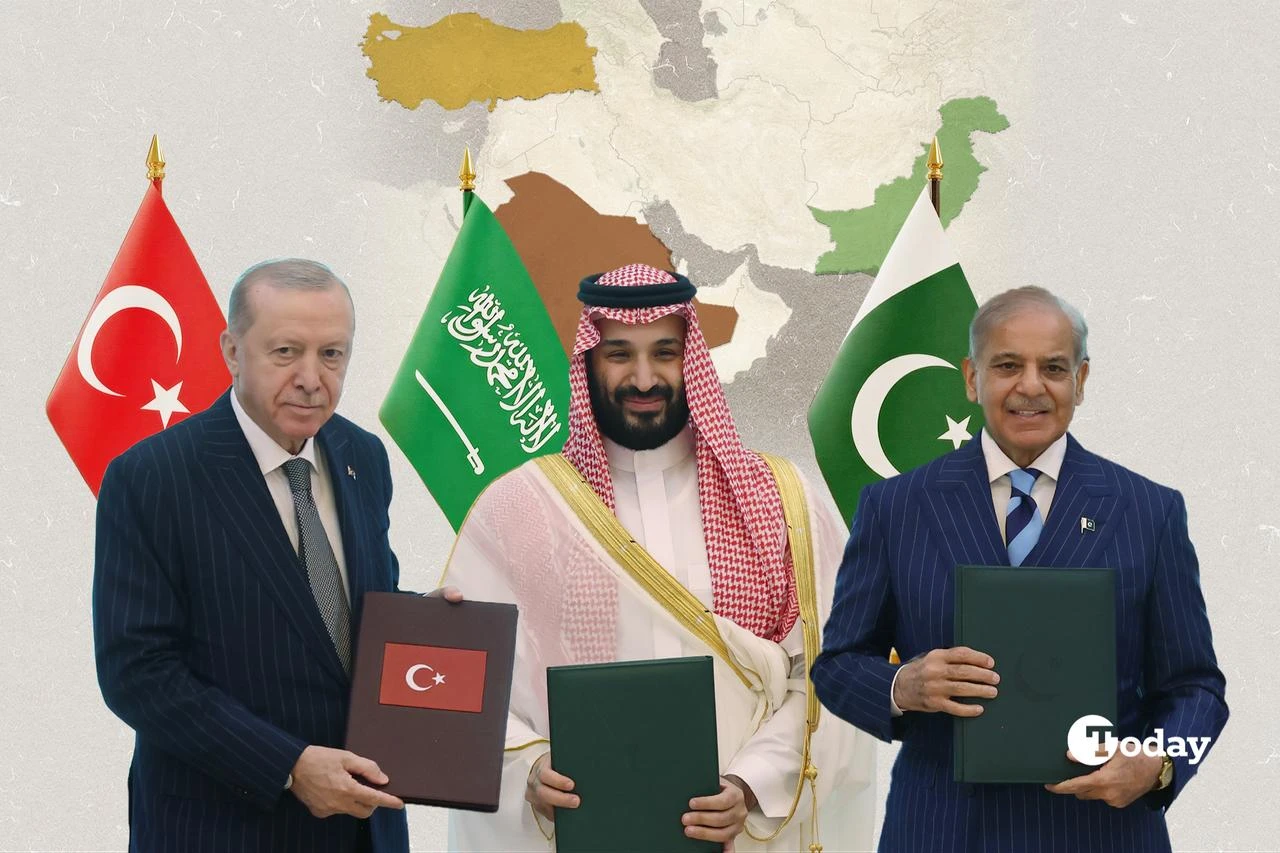
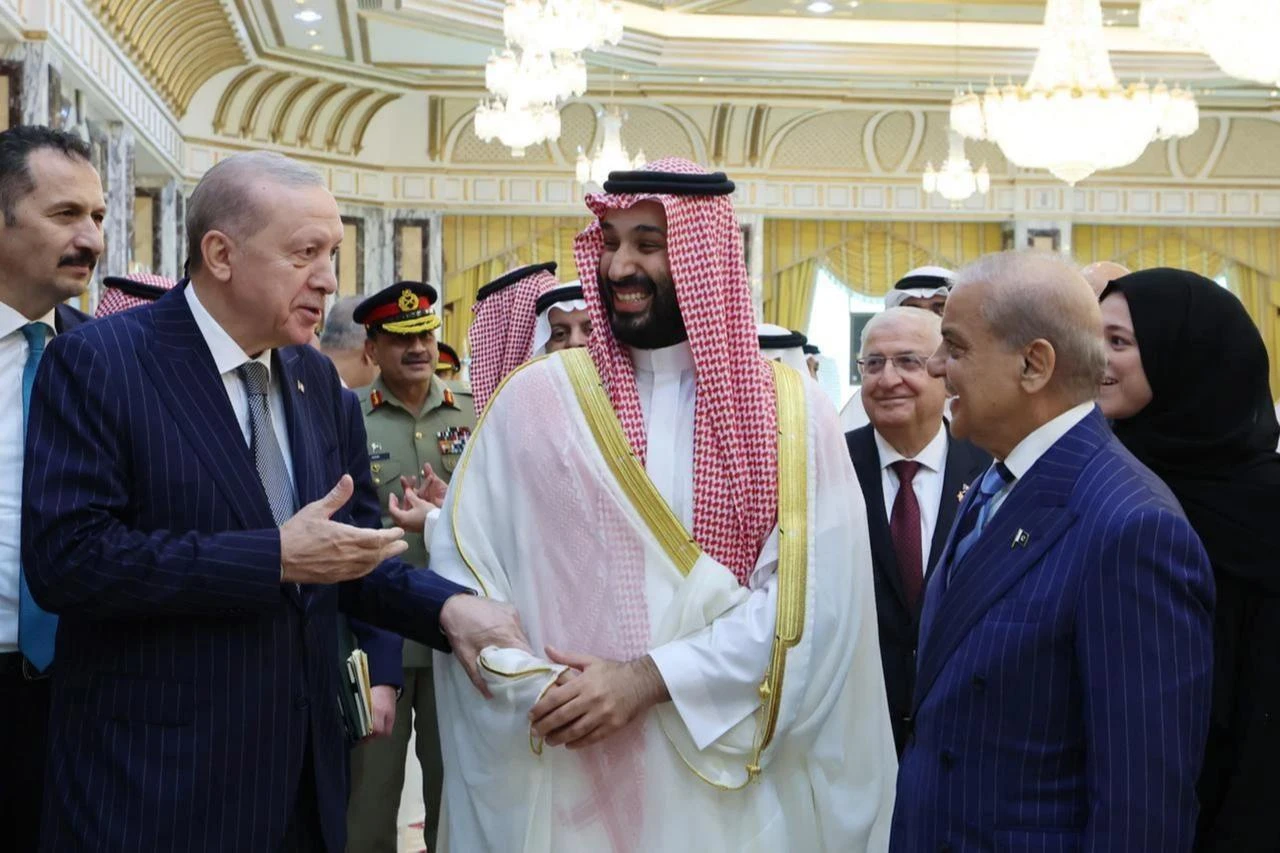
The trilateral security agreement signed in Mecca on Aug. 7 by Saudi Arabia, Türkiye, and Pakistan reflects the broader regional repercussions of the war with Iran.
The Mecca agreement is based on the shared interests of the three countries and is intended to strengthen security, stability, and peace. It seeks to reinforce their collective defense against any threat, stipulating that "an attack on one of the three countries will be considered an attack on all of them," while also expanding security cooperation among the parties.
The major operational question, however, is how each country would interpret its commitments if one of them came under attack.
Consider, for example, a scenario in which Iran strikes Saudi targets. Despite language reminiscent of NATO's collective defense principle, it is reasonable to assume that neither Türkiye nor Pakistan would rush to join a war on Saudi Arabia's behalf.
Still, the common motivation that brought the three countries together, and the solidarity this agreement signals, should not be underestimated. In some ways, it may function as a deterrence tool vis-a-vis Iran.
Each of the three arrived at the signing ceremony in Mecca from a different strategic position.
Saudi Arabia comes from a position of notable weakness. The war with Iran has affected the kingdom despite the American security umbrella and Riyadh's strategic relationship with Washington.
Moreover, the results of the war thus far are far from encouraging from the Saudi perspective. Riyadh therefore has little choice but to prepare for what comes next, even though the contours and consequences of the postwar regional order remain unclear.
For Saudi Arabia, closer security cooperation with Türkiye and Pakistan could provide an additional layer of defense and deterrence against Iran. Its relationship with each country is fundamentally different.
Saudi Arabia and Pakistan have maintained close cooperation for many years, including a longstanding security agreement.
Relations with Türkiye, by contrast, have been far more volatile, although the two countries have managed to overcome significant disagreements and cooperate on regional issues. The dilemmas facing Riyadh are, in many respects, shared by the other Gulf states.
Türkiye views the emerging regional landscape somewhat more positively. On the one hand, Ankara is concerned about the uncertainty surrounding the direction of the Middle East, including Israel's policies and the future course of Washington's regional strategy. On the other hand, it sees, quite reasonably from its own perspective, an opportunity to strengthen its regional standing, including in its relations with NATO and Europe more broadly.
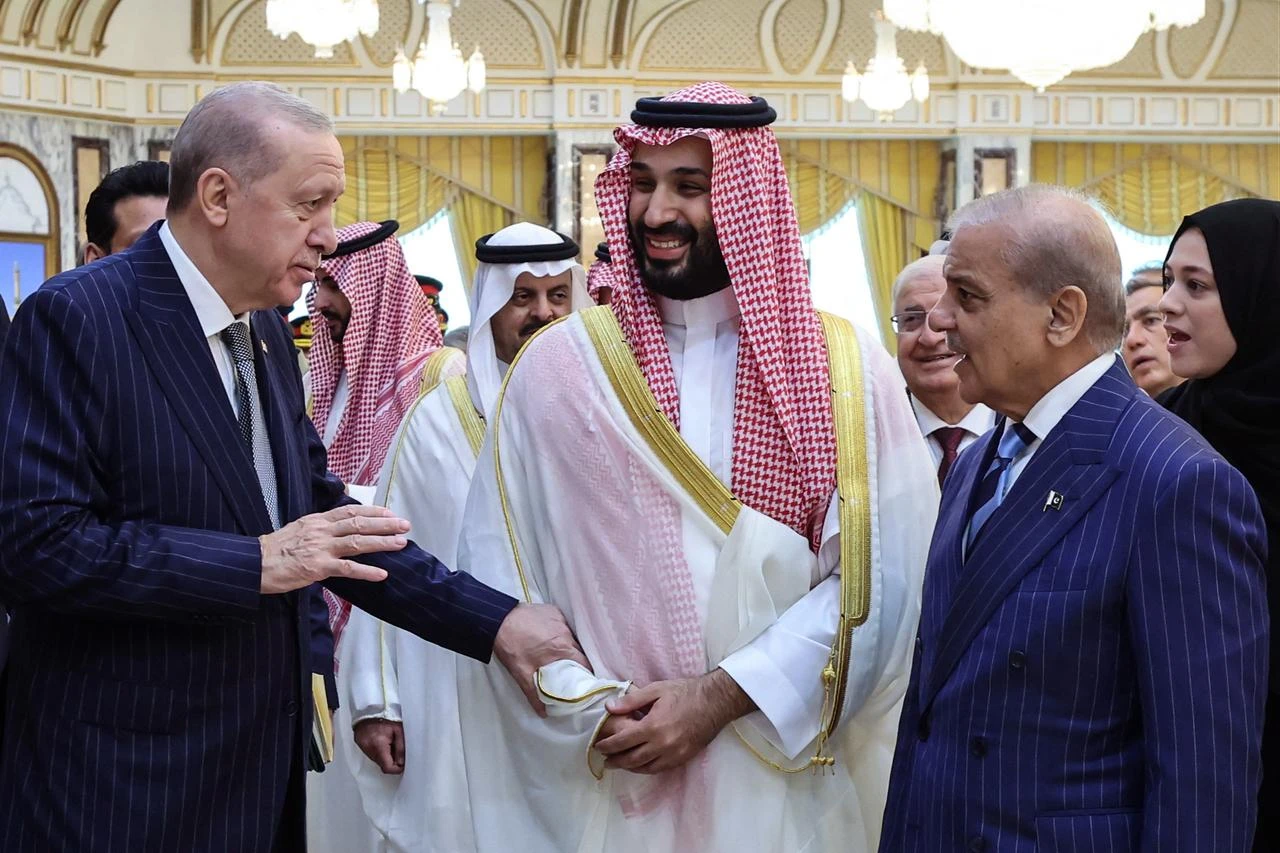

Pakistan is clearly the main beneficiary of the war. Islamabad moved quickly and skillfully to take advantage of the diplomatic vacuum surrounding mediation efforts. It continues to engage intensively with both Tehran and Washington, as well as with other countries across the region.
The United States, meanwhile, is widely perceived as operating from a position of weakness. The lack of success in the war so far, together with Tehran's apparent gains around the Strait of Hormuz, is pushing regional actors to prepare for what might come next.
In the absence of another major power capable of offering a credible alternative, regional states are increasingly left to rely on one another, even if it remains unclear whether such arrangements will ultimately prove sufficient.
Israel is not the direct target of the trilateral agreement, but it is certainly part of the strategic calculation behind it.
From the perspective of the three signatories, Israel's aggressive and risk-taking conduct raises significant questions about how they should shape their policies toward it. At least one point appears clear: Israel's standing in Riyadh is declining.
Other countries in the region are also watching these shifts with concern and will closely examine the implications of the trilateral pact. Egypt's growing regional activism is particularly noteworthy. This is, in itself, a positive development, but it also suggests that Cairo recognizes Riyadh's growing unease and sees an opportunity to expand its own room for maneuver.
As expected, Egypt continues to lead mediation efforts concerning the Gaza Strip, but Cairo has also become more actively involved in Syria and Lebanon.
Qatar, for its part, continues its familiar mediation role, although at a much lower profile. This appears to reflect lessons drawn from the consequences of the war for Qatar itself, as well as the increasingly negative sentiment toward Doha in both Israel and the United States.
It is still too early to determine whether these regional realignments will contribute to greater stability or instead intensify competition for influence and regional hegemony. Either way, the emerging dynamics deserve close attention.


 Set as preferred source
 Set as preferred source


 2 min read